
Have you ever walked into a dining nook that instantly feels warm, inviting, and thoughtfully put together? That feeling doesn’t happen by chance.
When your dining nook feels intentional, every detail—from the lighting to the seating—works together to create a space you actually want to spend time in. But if it feels random or thrown together, it’s hard to enjoy meals or conversations there.
You’ll discover simple ways to make your dining nook feel purposeful and cozy, turning it into your favorite spot at home. Keep reading to transform your space into one that truly speaks to you.
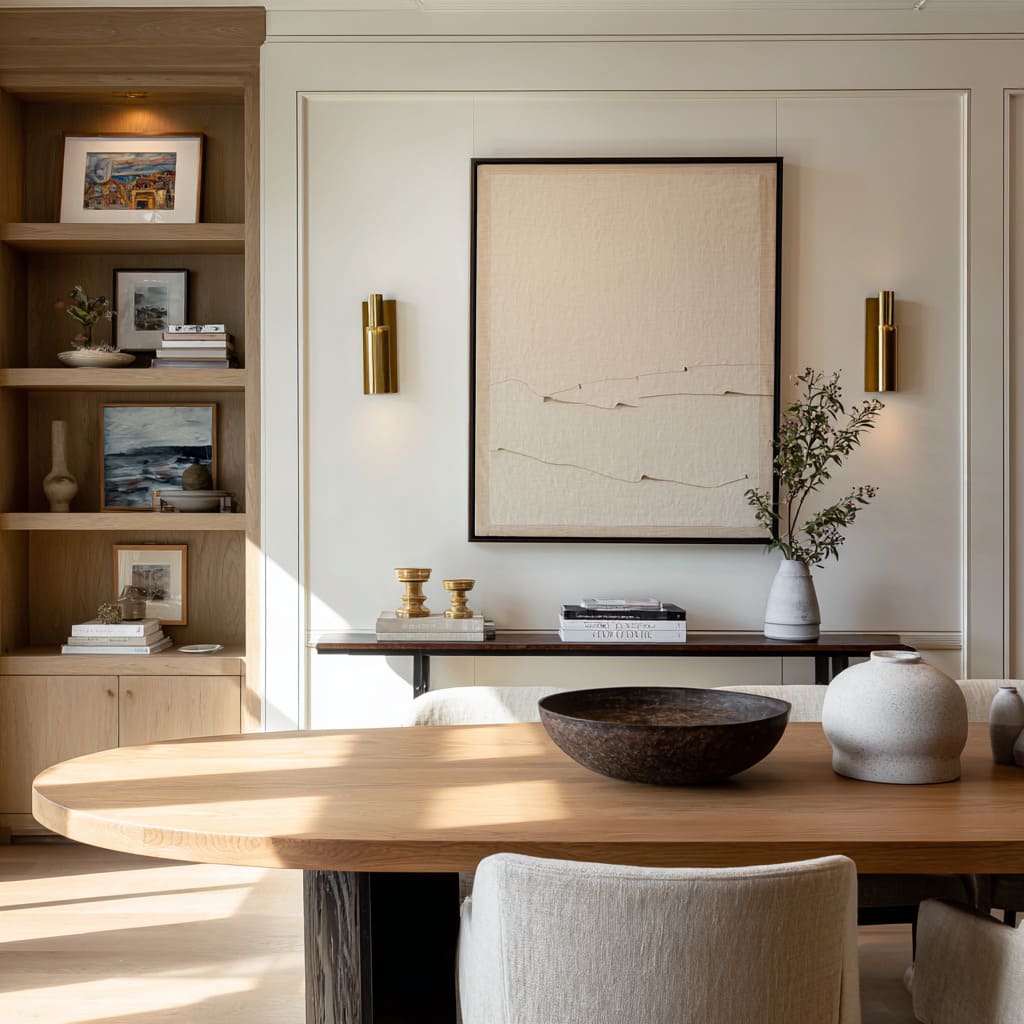
Credit: fancyhouse-design.com
Choosing The Right Location
Choosing the right location is key to creating a dining nook that feels planned and cozy. The spot should invite people to sit and enjoy meals or conversations. It should also fit well with the rest of the home’s layout.
A thoughtful location makes the dining nook feel like part of the home’s flow. It avoids looking like a random corner thrown together. Consider light, space, and movement around the area for best results.
Maximizing Natural Light
Natural light brightens the dining nook and makes it feel warm. Choose a spot near windows or glass doors. Sunlight helps create a cheerful and inviting space.
Light also makes the space look larger and more open. Avoid dark corners that feel cramped or dull. Curtains or blinds help control the light for different times of day.
Considering Traffic Flow
Pick a location where people can move easily around the nook. Avoid spots in the way of main walkways or doorways. Crowded areas can make dining uncomfortable and stressful.
Make sure there is enough room to pull out chairs and walk behind them. A smooth traffic flow keeps the nook feeling calm and organized.
Utilizing Unused Spaces
Unused corners or small spaces can become charming dining nooks. Look for gaps between furniture or under windows. These spots often go unnoticed but hold great potential.
Turning an empty area into a dining nook adds purpose to your home. It uses space wisely and creates a cozy place to eat or relax.
Selecting Appropriate Furniture
Selecting the right furniture sets the tone for a dining nook. It shapes the space and makes it inviting. Choosing pieces that fit well and feel right gives the nook a clear purpose. The furniture should not just fill the space but also add to the room’s charm and function.
Each piece should work together to create a balanced and cozy corner. Thoughtful choices help avoid a cluttered or random feel. The focus is on harmony, comfort, and style that suits the room’s size and your needs.
Balancing Size And Scale
Furniture should match the size of the nook. Large tables in small spaces feel cramped. Small chairs around a huge table seem lost. Choose pieces that fit comfortably without crowding. Measure the area before buying to ensure good scale. Balanced furniture makes the nook feel planned and neat.
Prioritizing Comfort And Function
Comfort is key for a dining nook. Chairs should be cozy enough for long meals or chats. The table height must suit the chairs for easy dining. Think about how you use the space. Does it need storage or extra seating? Functional furniture keeps the nook practical and welcoming.
Mixing Styles Thoughtfully
Mixing styles adds personality but needs care. Blend modern and classic pieces for interest. Keep colors and materials in harmony. Avoid too many clashing designs that confuse the eye. Thoughtful mixing creates a unique, intentional look. It shows style without feeling random.
Creating Cohesive Color Schemes
Creating a cohesive color scheme is key to making a dining nook feel planned and welcoming. Colors set the mood and connect the space with the rest of your home. A thoughtful palette helps the nook look calm and inviting, not random or messy.
Choosing colors that work well together brings balance and style. It guides the eye smoothly across the space. The right colors make your dining nook a cozy, attractive spot for meals and chats.
Using Complementary Colors
Complementary colors sit opposite each other on the color wheel. Examples are blue and orange or red and green. Using these colors together creates strong contrast and energy.
Apply one color as the main shade. Use its complement for accents. This approach adds interest without chaos. The contrast makes furniture and decor stand out clearly.
Incorporating Accent Hues
Accent hues bring small pops of color to the dining nook. These shades add personality and focus. Choose accent colors that match your main palette.
Accent colors can appear in cushions, artwork, or tableware. They break monotony and add charm. A few well-placed accents create a polished look.
Maintaining Visual Harmony
Harmony means all colors feel connected and balanced. Avoid too many bright or clashing shades. Keep the number of colors limited to three or four.
Use soft tones or neutrals to calm bold colors. Repeat colors in different parts of the nook. This repetition ties the space together smoothly.
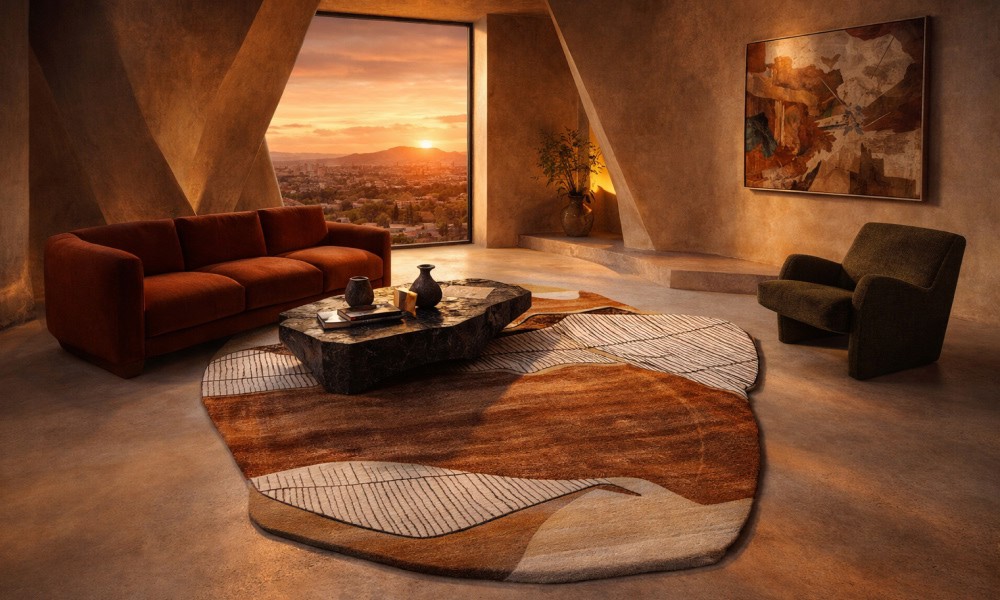
Credit: www.jaipurrugs.com
Adding Textural Layers
Adding textural layers brings warmth and depth to a dining nook. It makes the space feel planned and cozy, not random. Texture invites touch and adds visual interest. This creates a welcoming spot for meals and chats.
Combining Fabrics And Materials
Mix soft fabrics with hard surfaces for balance. A wooden table pairs well with linen or cotton chair cushions. Velvet or leather seats add richness. Contrast smooth glass or metal with rougher textiles. This blend creates a thoughtful, tactile space.
Including Rugs And Cushions
Rugs anchor the nook and add softness underfoot. Choose rugs with simple patterns or solid colors. Cushions bring comfort and color. Layer cushions in different sizes and textures. This adds coziness and invites guests to stay longer.
Integrating Natural Elements
Plants and flowers bring life and freshness. Use wooden bowls or woven baskets as decor. Natural fibers like jute or rattan add earthiness. These elements connect the nook with nature. It makes the space calm and inviting.
Incorporating Lighting Elements
Lighting shapes the mood and style of a dining nook. It makes the space feel warm, inviting, and well-planned. Thoughtful lighting choices create a cozy atmosphere and highlight key features. The right light fixtures bring balance and harmony to the area.
Choosing Statement Fixtures
A bold light fixture draws the eye and adds character. A chandelier or pendant light above the table sets the tone. Choose a design that matches the room’s style. It acts as a centerpiece and brings focus to the nook. Statement fixtures help the space feel planned and polished.
Using Ambient And Task Lighting
Ambient light fills the room softly and evenly. It creates a comfortable background glow. Task lighting focuses on specific activities like eating or reading. Use adjustable lamps or wall sconces near seating. Combining both types ensures the nook is both functional and inviting.
Playing With Light Placement
Light placement affects mood and usability. Hang fixtures at the right height for comfort and style. Place lamps where shadows don’t interfere with dining. Consider layering lights for depth and warmth. Smart placement makes the nook feel purposeful, not random.
Personalizing With Accessories
Personalizing a dining nook with accessories brings warmth and character. It turns a simple space into a cozy, inviting spot. Accessories show your style and make the area feel planned, not random.
Displaying Art And Decor
Choose art that speaks to you. It adds color and interest to the walls. Small sculptures or decorative plates also create a unique touch. Keep pieces balanced to avoid clutter. Art invites guests to pause and enjoy the space.
Adding Greenery And Plants
Plants breathe life into any dining nook. A small potted plant on the table adds freshness. Hanging plants or a tall leafy corner plant creates depth. Greenery softens hard surfaces and improves the mood.
Using Functional Accents
Functional accents blend style with purpose. A pretty tray holds salt, pepper, or napkins neatly. Unique coasters protect the table and add charm. Use candle holders for soft lighting and a warm feel. These accents keep the nook useful and beautiful.
Optimizing Layout And Flow
Optimizing the layout and flow of a dining nook makes the space feel planned and inviting. A well-thought-out arrangement helps people move easily and enjoy the area without feeling crowded. Thoughtful design turns a small corner into a cozy, functional spot for meals and conversation.
Arranging For Easy Movement
Keep pathways clear around the dining nook. Avoid placing furniture too close to doors or walkways. Leave enough space for people to sit and stand without bumping into each other. This makes the area feel open and comfortable.
Ensuring Practicality
Choose furniture that fits the space and your needs. A table with the right size allows enough room for dishes and guests. Chairs should be comfortable and easy to move. Practical choices keep the nook useful and enjoyable.
Creating Defined Boundaries
Use rugs or lighting to mark the dining nook clearly. These elements set the space apart from the rest of the room. Defined boundaries help the nook feel like its own special place, not a random spot in the house.
Credit: www.kimklassen.com
Frequently Asked Questions
What Defines An Intentional Dining Nook Design?
An intentional dining nook uses space and decor thoughtfully. It fits the room size and style, creating a cozy and inviting area.
How To Choose The Right Furniture For A Dining Nook?
Pick furniture that matches your nook’s size and shape. Comfort and style should balance to make the space welcoming and practical.
Why Is Lighting Important In A Dining Nook?
Good lighting sets the mood and highlights the nook’s features. Soft, warm lights create a relaxing and intimate dining experience.
How Can Decor Enhance A Dining Nook’s Feel?
Decor like cushions, rugs, and art add personality and warmth. They make the nook feel planned, not random or thrown together.
What Role Does Color Play In A Dining Nook?
Colors affect mood and space perception. Use colors that complement your home and create a calm, inviting atmosphere.
Conclusion
Creating an intentional dining nook takes planning and care. Choose pieces that fit the space and your style. Add cozy touches like cushions or soft lighting. Keep the area tidy and inviting for daily use. These small details make your nook feel special and thoughtful.
A well-designed space invites relaxation and good company. Enjoy your dining nook as a charming part of your home.