
Imagine stepping into your indoor pool space and feeling an instant sense of calm and luxury. What if your pool area could be more than just a place to swim?
Designers are now rethinking indoor pools in ways that make your space not only beautiful but also functional and inviting. You might be surprised by how simple changes can transform your pool area into a personal oasis. Keep reading to discover the fresh ideas that could change the way you see—and use—your indoor pool forever.
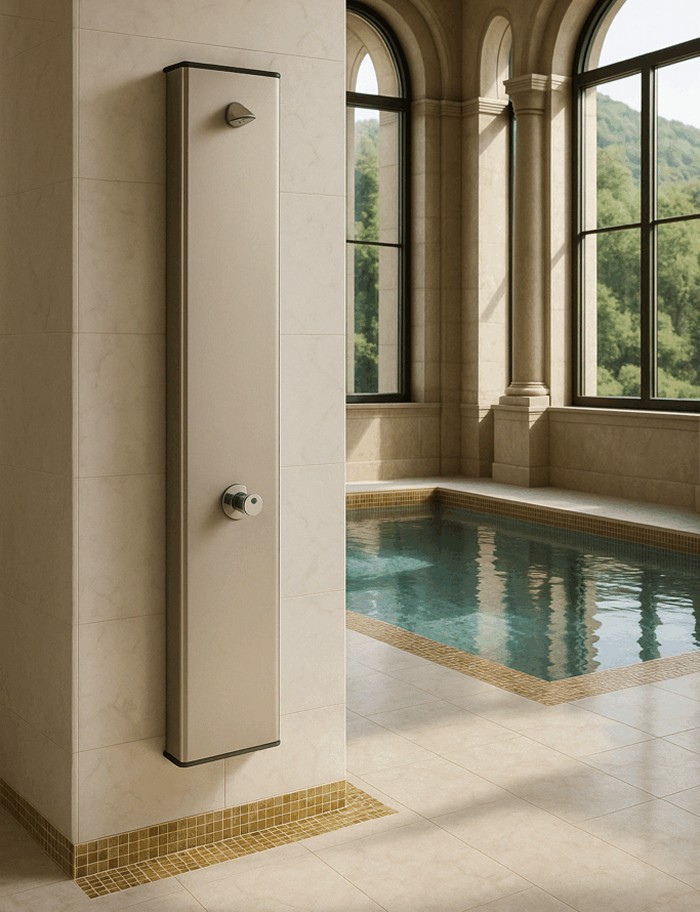
Credit: www.idral.it
Modern Aesthetics In Indoor Pools
Modern aesthetics are changing how indoor pools look and feel. Designers now focus on clean lines and natural beauty. The goal is to create calm, inviting spaces that blend with the home. Indoor pools are no longer just functional. They are part of the home’s style and comfort.
Simple, elegant designs bring a fresh look. Using natural materials and clever lighting helps create a relaxing mood. These ideas make indoor pools a peaceful retreat inside the house.
Minimalist Designs
Minimalist designs use fewer decorations and simple shapes. This style makes pools feel open and airy. Designers choose sleek tiles and smooth surfaces. The focus stays on the water and space. Minimalism helps reduce clutter and stress.
Natural Elements Integration
Adding natural elements connects indoor pools to the outdoors. Wood paneling, stone walls, and plants bring warmth and life. These materials add texture and color. They create a soothing environment that feels fresh and calm.
Color Schemes And Lighting
Soft, neutral colors make pools look clean and modern. Whites, grays, and beiges help brighten the space. Lighting plays a key role in mood setting. LED lights, spotlights, and natural light create depth and interest. Together, color and light make the pool area inviting and stylish.
Smart Technology Enhancements
Indoor pool spaces are evolving with smart technology enhancements. These new tools create more comfort and ease for users. Designers now focus on blending technology with style and function. Smart features improve the pool experience and reduce maintenance efforts.
Automated Climate Control
Maintaining the perfect temperature inside pool rooms is easier than ever. Automated climate control systems adjust heat and humidity levels precisely. These systems prevent mold and keep air fresh. Users enjoy a cozy environment all year round. Controls can be set remotely through smartphones.
Advanced Water Purification
Water quality is crucial for health and comfort. Advanced water purification uses sensors to monitor cleanliness constantly. These systems reduce chemicals by balancing water naturally. Smart filters and UV lights kill harmful bacteria effectively. Pool owners save time and ensure safe water.
Smart Lighting Systems
Lighting sets the mood and enhances safety around pools. Smart lighting systems offer color changes and brightness control. Lights can be programmed for different times or events. These systems use energy efficiently and last longer. Users can control lighting via apps or voice commands.
Sustainable Materials And Practices
Designers now focus on sustainable materials and practices for indoor pools. This approach protects the environment and reduces long-term costs. It creates healthier spaces for families and communities. Sustainability in pool design combines smart choices and modern technology.
Eco-friendly Construction Materials
Using eco-friendly materials lowers the carbon footprint of pools. Bamboo, reclaimed wood, and recycled metal are popular choices. These materials last long and need less maintenance. Non-toxic paints and sealants improve indoor air quality. Natural stone and sustainable tiles add beauty without harm.
Energy-efficient Heating
Energy-efficient heating reduces electricity and gas use. Heat pumps and solar panels offer clean energy solutions. Pool covers help keep heat inside, saving energy. Smart thermostats adjust temperature based on use. These methods cut costs and reduce greenhouse gas emissions.
Water Conservation Techniques
Water conservation is vital in pool design. Modern systems recycle and filter pool water effectively. Rainwater harvesting can supply water for pool refills. Leak detectors prevent water loss and costly repairs. Efficient pumps use less power and maintain water quality.

Credit: www.yahoo.com
Multi-functional Indoor Pool Spaces
Indoor pool spaces no longer serve just one purpose. Designers now focus on making these areas versatile and useful. They combine fun, health, and comfort into one spot. This approach saves space and enhances the home’s value. Multi-functional indoor pools fit many needs for families and individuals alike.
Fitness And Wellness Integration
Indoor pools now include fitness tools and wellness features. Some have swim jets for resistance training. Others add underwater treadmills or yoga platforms. These help users exercise and relax in the same place. Warm water also eases muscle pain and stress. This makes the pool a spot for both fitness and healing.
Entertainment Features
Pools today come with built-in entertainment. Speakers, mood lighting, and screens create a fun space. Families enjoy movies or music while swimming. Some pools have bars or seating areas nearby. These features turn the pool into a party spot. It becomes a place to relax and socialize.
Flexible Layouts
Designers use flexible layouts to fit many uses. Movable partitions or retractable covers change the pool space. This allows for private swimming or larger events. Some pools include shallow zones for kids or lounging. Others have deep ends for diving or games. Flexibility makes the indoor pool more practical and fun.
Biophilic Design Trends
Biophilic design is changing how designers create indoor pool spaces. It means adding nature into indoor areas to make them feel fresh and calm. This design style helps people feel relaxed and connected to the outdoors. Designers now focus on natural elements to improve indoor pools.
Indoor Plant Incorporation
Plants are a big part of biophilic design. Indoor pools now feature green plants around the space. Plants improve air quality and add color. They bring a sense of life and freshness to the area. Designers choose plants that thrive in humid, warm conditions near pools.
Natural Light Maximization
Natural light makes indoor pools more inviting. Large windows and skylights bring sunlight inside. Sunlight warms the space and highlights water movement. It also reduces the need for artificial lighting. Bright, natural light creates a cheerful and healthy atmosphere.
Views Of Nature
Designers place pools where people can see nature outside. Windows with views of trees, gardens, or water bodies add calmness. Seeing nature helps users feel peaceful and less stressed. This connection to the outdoors enhances the indoor pool experience.
Innovative Safety And Accessibility
Designers now focus more on safety and accessibility in indoor pool spaces. These features make pools safer and easier for everyone to use. New ideas help reduce accidents and open up pools to people with all abilities.
Innovative materials and technology improve safety. Careful planning ensures pools welcome all users. These changes create a better experience around indoor pools.
Slip-resistant Surfaces
Slip-resistant flooring reduces falls near pools. Materials like textured tiles and rubber mats add grip. These surfaces keep people steady, even when wet. This simple change lowers injury risks around the pool area.
Accessible Pool Entry
Easy access makes pools usable for everyone. Ramps, lifts, and wide steps help people enter safely. Pool edges now include grab rails for support. These features allow those with mobility challenges to enjoy the water.
Safety Monitoring Systems
Advanced cameras and sensors watch pool areas. They detect unusual movements or distress signals quickly. Alerts send help faster in emergencies. This technology adds an extra layer of protection for swimmers.

Credit: www.threads.com
Frequently Asked Questions
What Design Trends Are Shaping Indoor Pool Spaces Today?
Designers now focus on natural light, clean lines, and open layouts. Materials like wood and stone add warmth and style to these spaces.
How Do Designers Improve Indoor Pool Safety And Comfort?
Non-slip flooring and proper ventilation help ensure safety and comfort. Smart lighting and temperature controls also enhance the user experience.
What Role Does Lighting Play In Indoor Pool Design?
Lighting creates mood and highlights architectural features. Designers use layered lighting, combining natural, ambient, and task lights for balance.
How Are Indoor Pools Integrated With Home Living Areas?
Pools are often connected to living rooms or lounges for seamless flow. Glass walls and sliding doors blend pool and living spaces.
What Eco-friendly Options Exist For Indoor Pool Design?
Energy-efficient pumps and LED lighting reduce energy use. Using sustainable materials and water-saving systems also helps protect the environment.
Conclusion
Designers now create indoor pools that feel open and bright. They blend nature with modern style for calm spaces. Smart lighting and ventilation make pools more comfortable. Using natural materials adds warmth and charm. These ideas change how people enjoy indoor swimming.
Everyone can find inspiration to make their pool area better. The future of indoor pools looks fresh and inviting. A space to relax, swim, and enjoy every day.