
When you think of pond landscaping, you probably picture water—clear, calm, and sparkling. But what if the real magic isn’t the water itself, but everything that surrounds it?
Your pond is just the starting point. What you choose to put around your pond—plants, rocks, pathways, and seating—can transform your outdoor space into a peaceful retreat or a vibrant gathering spot. You’ll discover how focusing on the area around your pond can make all the difference.
Ready to see your pond in a whole new light? Keep reading, and let’s dive into the art of landscaping beyond the water’s edge.
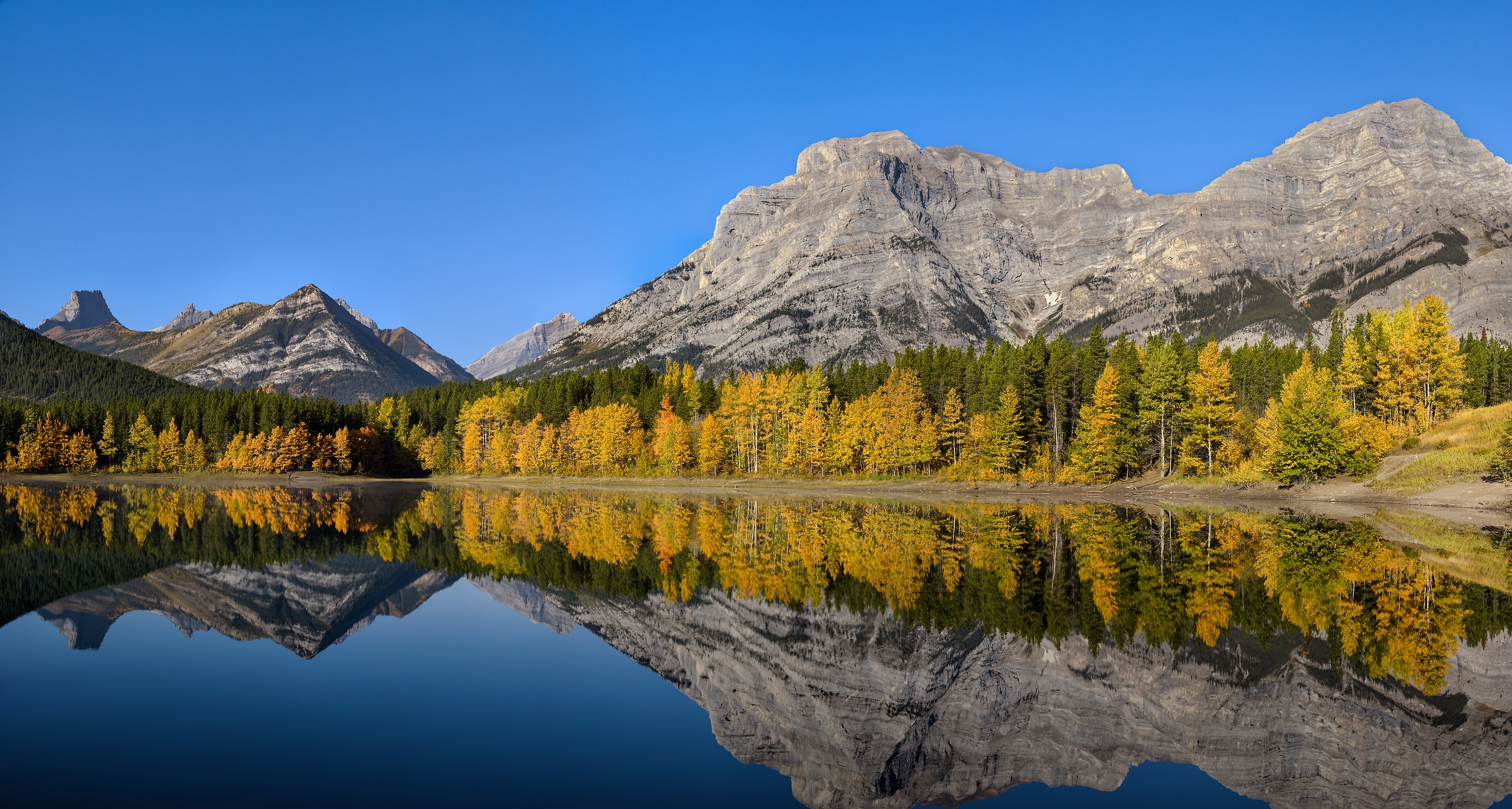
Credit: vastphotos.com
Choosing The Right Location
Choosing the right location for your pond sets the stage for its success. It affects how your pond looks, works, and fits with the rest of your yard. This choice helps create a natural and peaceful space that feels part of your home.
Assessing Sunlight And Shade
Sunlight affects pond plants and water quality. Most pond plants need at least six hours of sunlight daily. Too much sun can cause algae growth. Shade helps keep water cool and reduces algae. Find a balance between sun and shade for a healthy pond.
Considering Soil And Drainage
Good soil and drainage prevent water problems. Clay soil holds water well but may need extra work. Sandy soil drains fast but may leak. Avoid spots where water pools after rain. Proper drainage keeps your pond stable and clean.
Integrating With Existing Landscape
Your pond should blend with trees, plants, and paths. Use natural shapes and materials nearby. Place the pond near seating or garden views. This helps the pond become a relaxing part of your yard. Think about how people will enjoy the space around it.

Credit: www.reddit.com
Designing The Surrounding Area
Designing the surrounding area of a pond shapes the entire outdoor experience. It draws attention to the pond while making the space inviting and comfortable. Thoughtful design creates a seamless flow between the pond and its environment. This lets people enjoy the pond from different angles and spots.
Careful planning helps the area feel natural and balanced. The right touches can turn a simple pond into a favorite place to relax and explore. Each element around the pond adds to its charm and usefulness.
Creating Natural Pathways
Natural pathways guide visitors around the pond without disturbing the area. Use stones, gravel, or wood chips to build simple walkways. Paths should curve gently to mimic nature’s flow. Keep them wide enough for easy walking. Paths invite exploration and connect different parts of the landscape.
Incorporating Seating Spaces
Seating areas let people pause and enjoy the view. Benches or simple chairs work well near the water. Place seats in shaded spots for comfort. Use materials that blend with the natural setting. Seating encourages relaxation and quiet moments by the pond.
Adding Decorative Elements
Decorative elements add personality and interest to the pond area. Consider sculptures, birdbaths, or natural stones. Keep decorations subtle to maintain the peaceful feel. Use plants and flowers to soften hard edges. These touches enhance beauty without overwhelming the space.
Selecting Plants For The Perimeter
Choosing the right plants around a pond shapes its overall beauty and feel. Tall grasses and flowering shrubs create a soft border and add color. These plants also help keep the water clean and attract wildlife nearby.
The area around a pond shapes its beauty and health. Choosing the right plants for the pond’s edge supports wildlife and prevents erosion. Plants create a natural frame that blends the water with the landscape. They also help keep the water clean by filtering runoff. Good plant choices invite birds, insects, and other creatures to visit. The right mix of plants brings life and color all year long.
Using Native Plants For Biodiversity
Native plants suit the local climate and soil. They need less water and care than non-native options. These plants attract native birds, bees, and butterflies. This supports the local ecosystem and keeps it strong. Native plants also resist pests naturally. Using them helps keep the pond area healthy and balanced.
Balancing Color And Texture
Color and texture add depth to the pond’s edge. Mix plants with different leaf shapes and sizes. Choose a variety of greens, along with spots of color. This keeps the area interesting and lively. Textured plants can soften hard edges and hide pond equipment. Colorful blooms attract pollinators and brighten the space.
Planting For Seasonal Interest
Seasonal plants keep the pond perimeter attractive year-round. Pick species that bloom in spring, summer, and fall. Include evergreens for winter color and structure. Changing colors add excitement through the seasons. This approach ensures the pond always looks inviting and alive.
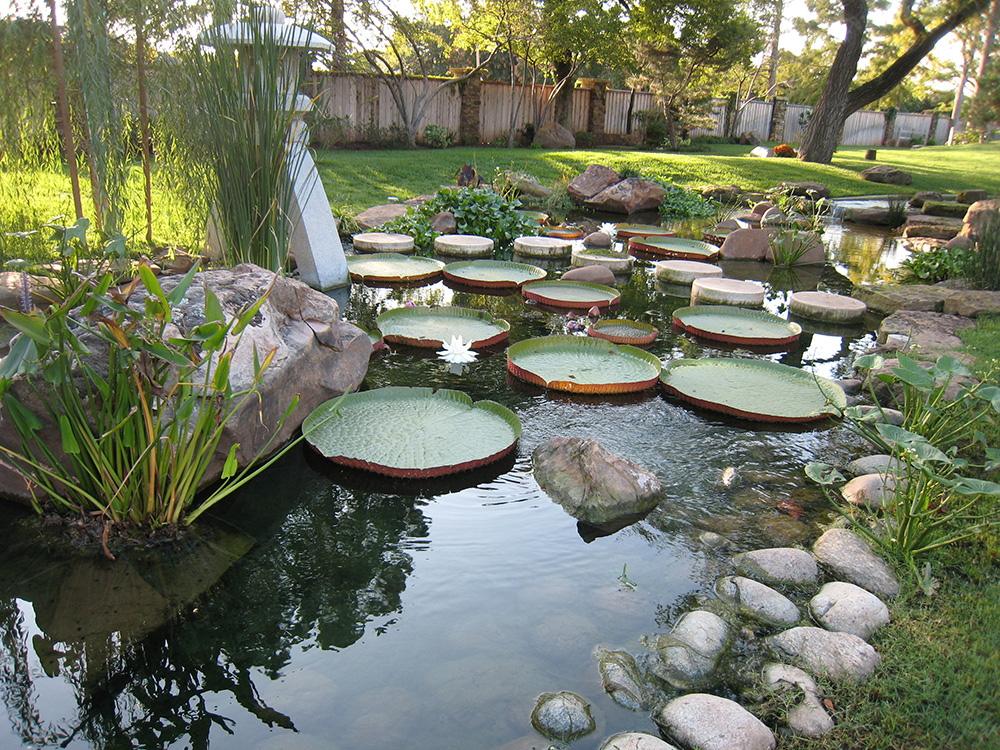
Credit: hartley-botanic.co.uk
Building Functional Features
Building functional features around a pond enhances its beauty and usability. These features turn a simple water space into a lively, enjoyable area. Thoughtful additions make your pond area a favorite spot for family and friends. They also help create a natural, peaceful environment.
Functional features improve safety and comfort too. They allow you to enjoy the pond day and night. Designing with purpose ensures the space works for your lifestyle and needs.
Installing Lighting For Ambiance
Lighting adds warmth and charm to the pond area. Soft lights highlight plants and water’s edge. Choose solar or LED lights for energy efficiency. Path lights guide safe walking routes around the pond. Spotlights can focus on special features at night. Lighting extends pond enjoyment after sunset. It creates a calm, inviting atmosphere for relaxing or hosting guests.
Adding Water Features Beyond The Pond
Water features bring motion and sound that soothe the senses. Small fountains or waterfalls add interest and movement. Bubblers create gentle ripples on the pond’s surface. These features help aerate the water, keeping it healthy. Water features can mask unwanted noise from nearby areas. They make the pond more dynamic and enjoyable. Choose styles that fit your garden’s look and size.
Creating Wildlife Habitats
Wildlife habitats invite birds, frogs, and beneficial insects. Native plants around the pond provide food and shelter. Logs and rocks offer hiding spots for small creatures. A shallow area or shelf helps amphibians breed. Birdhouses and feeders attract feathered visitors. Creating habitats supports local nature and adds life to your pond. Watching wildlife creates a peaceful, natural connection.
Maintaining The Landscape
Maintaining the landscape around your pond keeps it healthy and beautiful. It takes regular care to preserve the balance of plants, water, and soil. A well-kept area invites wildlife and creates a peaceful space.
Simple routines can prevent problems and keep the pond area looking fresh. Attention to detail helps the landscape thrive through all seasons. Here are key ways to maintain your pond’s surroundings effectively.
Regular Cleaning And Upkeep
Remove fallen leaves and debris from the pond area often. Clear away dead plants and old mulch to avoid decay. Clean pathways and seating spots to keep the space inviting.
Checking for litter and unwanted items stops pests and disease. Regular cleaning supports healthy plants and clear water. Small tasks done frequently save big work later.
Managing Plant Growth
Trim overgrown plants to maintain shape and space. Remove invasive species that crowd out native plants. Thin crowded plants to improve air and light flow.
Use pruning tools carefully to avoid plant damage. Control weeds to protect your pond’s natural balance. Healthy plant growth supports wildlife and soil health.
Seasonal Adjustments And Care
Change care routines with the seasons to match plant needs. Protect plants from frost in winter by adding mulch. In spring, prepare soil and prune dead branches.
Summer may need extra watering during dry spells. Fall is the time to clear fallen leaves and prepare plants. Seasonal care keeps the landscape strong all year round.
Frequently Asked Questions
What Makes Pond Landscaping More Than Just Water Design?
Pond landscaping focuses on the area around the pond, not just the water itself. Plants, rocks, and paths create a natural and inviting space. This helps blend the pond into your yard.
How Do Plants Enhance The Area Around A Pond?
Plants add color, texture, and life to pond surroundings. They attract birds and insects, making the space lively. Plus, plants help keep the pond water clean.
Why Are Pathways Important In Pond Landscaping?
Pathways guide visitors and create a comfortable space to enjoy the pond. They prevent soil erosion and protect plants. Well-planned paths improve safety and beauty.
How Can Lighting Improve Pond Surroundings?
Lighting highlights key features around the pond at night. It creates a calm and magical atmosphere. Proper lighting also helps with safety and visibility.
What Role Do Rocks And Stones Play In Pond Landscaping?
Rocks add natural beauty and structure to the pond edges. They help control water flow and prevent soil washout. Stones also provide places for wildlife to rest.
Conclusion
Pond landscaping shapes the space around your water feature. It creates a peaceful, inviting place to enjoy. Plants, rocks, and paths bring life and beauty. Careful design helps wildlife thrive and keeps your pond healthy. Think about how the area feels, not just the water.
Small details make a big difference. Your pond becomes part of the garden’s story. It’s about creating harmony with nature. That’s what makes pond landscaping truly special.