
Imagine stepping into your dining room and feeling an instant sense of calm, yet noticing every detail sparks your interest. That’s the magic of Japandi design—a perfect blend of Japanese simplicity and Scandinavian warmth.
If you think neutral palettes are boring, think again. You’ll discover how subtle colors can come alive with texture, light, and thoughtful touches. Ready to transform your dining space into a serene yet inviting haven? Keep reading to uncover how Japandi dining rooms can breathe new life into your neutral shades.
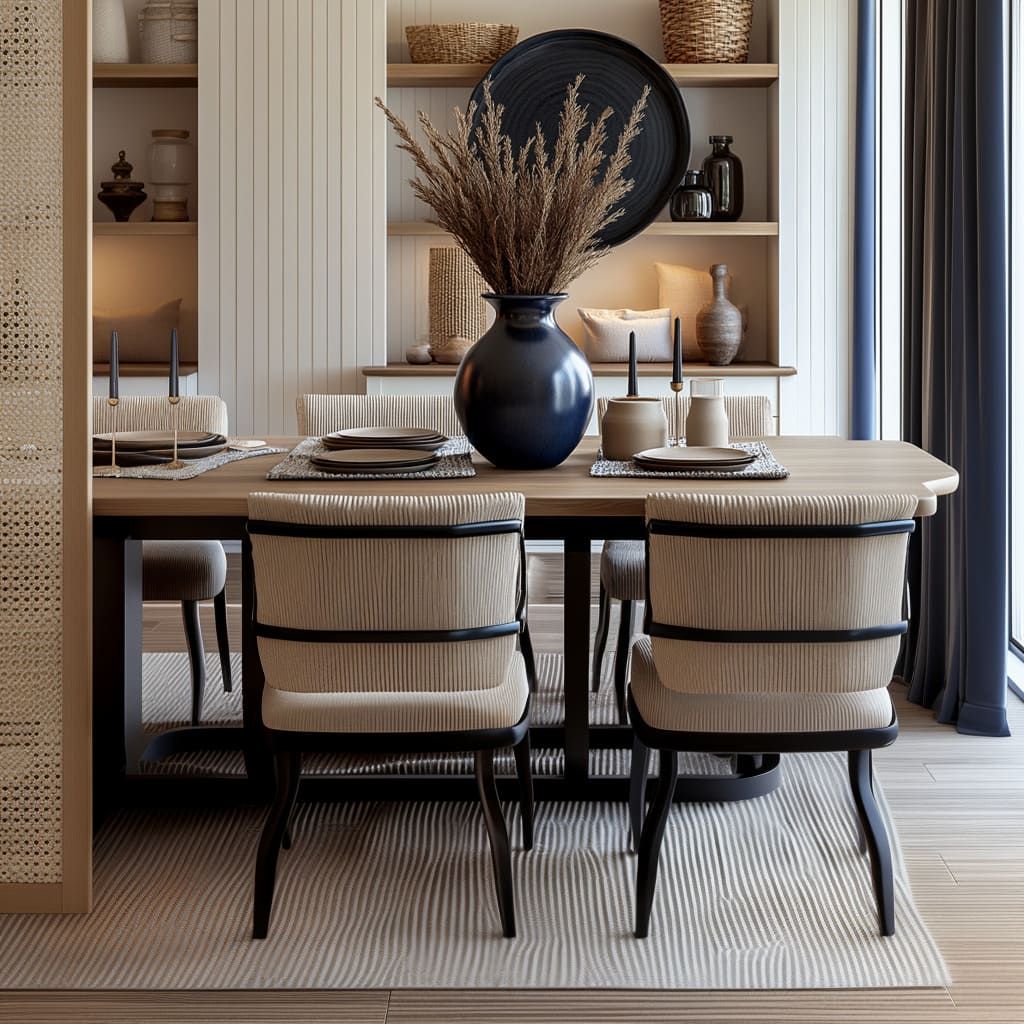
Credit: fancyhouse-design.com
Japandi Style Basics
Japandi dining rooms blend Japanese simplicity with Scandinavian warmth. Neutral colors create calm spaces, while natural textures bring energy and life. Clean lines and soft tones make these rooms inviting and fresh.
Japandi is a blend of Japanese and Scandinavian design. It combines the simplicity of Japan with the coziness of Scandinavia.
This style focuses on calm, clean spaces that feel warm and inviting. It uses simple shapes and natural materials to create a peaceful mood.
Japandi is perfect for dining rooms. It helps create a space that feels both elegant and comfortable. Neutral colors play a key role in this design style.
Key Elements Of Japandi Design
Japandi design uses natural wood, soft textiles, and clean lines. Furniture is simple but functional. It avoids heavy decoration.
Light wood tones and smooth surfaces are common. Handmade ceramics and minimalistic art often add character.
Plants bring life and a touch of nature inside. Lighting is soft and warm to create a cozy atmosphere.
Why Neutral Palettes Matter
Neutral colors make a space feel calm and balanced. Shades like beige, gray, and white set a peaceful tone.
These colors highlight natural materials and textures. They help the room feel open and bright.
Neutral palettes allow you to add small pops of color or texture. This keeps the room interesting without clutter.

Credit: the-rugs.com
Choosing The Right Neutrals
Choosing the right neutrals shapes the heart of Japandi dining rooms. These colors set a calm, balanced mood. They bring warmth and peace without overwhelming the space. Neutrals create a perfect backdrop for natural wood and simple designs. Picking the right shade makes the room feel alive and inviting.
Neutral tones are not just beige or gray. They have subtle differences that affect the room’s look. Understanding these differences helps create a cozy yet modern dining area. The goal is to blend styles smoothly and keep the space fresh.
Warm Vs Cool Tones
Warm neutrals include soft browns, creamy whites, and gentle tans. They add a cozy, welcoming feel to the dining room. These tones work well with natural wood and soft lighting. Cool neutrals, like light grays, icy blues, and muted greens, create a calm and clean look. They suit minimalist furniture and open spaces.
Choosing between warm and cool depends on the room’s light and furniture. Warm tones feel inviting in darker rooms. Cool tones brighten spaces with lots of natural light.
Layering Shades For Depth
Layering different neutral shades adds depth and interest to the room. Use a mix of light and dark tones to avoid flatness. For example, pair a warm beige wall with deeper tan cushions. Add soft gray rugs and off-white tableware to mix cool and warm.
This layering creates texture without strong colors. It makes the dining room feel lively and balanced. Each layer supports the Japandi style’s simplicity and harmony.
Furniture That Defines Japandi
Furniture plays a key role in defining Japandi style dining rooms. It balances simplicity with warmth. Each piece adds life to neutral palettes, creating calm and inviting spaces.
Japandi furniture is simple but thoughtful. It combines natural materials and clean lines. Every item feels purposeful and beautiful at the same time.
Minimalist Wooden Pieces
Wood is the heart of Japandi furniture. Light or dark wood tones add warmth to neutral rooms. The designs are simple, with smooth surfaces and soft edges.
Tables and cabinets have clean shapes. No extra decoration. Just the natural beauty of wood shines through. This simplicity makes the space feel open and peaceful.
Functional And Elegant Seating
Seating in Japandi dining rooms blends comfort and style. Chairs often have simple wooden frames with soft cushions. The fabrics are natural and muted.
Seating looks light but feels sturdy. It invites guests to relax and stay longer. The elegance is quiet, never loud or flashy. It fits perfectly with the calm Japandi vibe.
Textures That Bring Warmth
Textures add life to Japandi dining rooms, making neutral colors feel warm and inviting. They create a cozy atmosphere without overpowering the calm, simple design. Careful use of textures brings balance and interest to the space.
Combining different materials and finishes creates depth. It makes the room feel natural and comfortable. Textures invite touch and add personality to the neutral palette.
Natural Fibers And Fabrics
Natural fibers like linen, cotton, and wool add softness to the dining room. These fabrics bring warmth without bright colors. A linen table runner or cotton cushions create a relaxed, cozy feel.
Rattan chairs or baskets introduce organic texture. They connect the room to nature and keep the look simple. These materials are perfect for Japandi style’s clean and calm vibe.
Mixing Matte And Glossy Finishes
Matte and glossy finishes balance each other in Japandi dining rooms. Matte surfaces feel soft and understated. Glossy finishes add light and reflect a subtle shine.
Wood tables with a matte finish pair well with glossy ceramic dishes. A matte vase next to a glossy lamp creates contrast. This mix keeps the room interesting without adding color.
Accents And Decor To Energize
Japandi dining rooms use calm, neutral colors as a base. These soft shades create a peaceful space. But neutral does not mean dull. Accents and decor bring life and energy.
Small details add warmth and interest. They make the room feel inviting and fresh. Thoughtful accents keep the look clean yet lively.
Organic Shapes And Artwork
Curved lines and natural shapes soften straight edges. Round bowls, vases, and lamps bring gentle flow to the space. Organic shapes mimic nature and feel relaxing.
Artwork with natural themes adds personality. Prints of leaves, wood textures, or abstract forms connect indoors to outside. Choose pieces with calm colors that blend well.
Subtle Pops Of Color
A touch of color wakes up a neutral room. Soft greens, warm terracotta, or muted blues work best. These shades add charm without overwhelming the calm mood.
Use color in cushions, tableware, or small decor items. These little bursts brighten the space and keep it fresh. The key is to keep colors balanced and soothing.
Lighting To Enhance Neutrals
Lighting plays a key role in bringing neutral Japandi dining rooms to life. It helps create warmth and depth in spaces that use soft, earthy tones. Proper lighting highlights textures and shapes, enhancing the calm and balanced style Japandi is known for.
Choosing the right lighting can turn a simple neutral palette into a cozy and inviting space. Light adds energy and mood without overpowering the subtle colors and natural materials.
Soft Ambient Lighting
Soft ambient lighting creates a gentle glow that fills the room. It mimics natural light and makes the space feel warm and welcoming. Using dimmable lights helps adjust brightness to match different times of the day or moods.
Paper lanterns, fabric shades, or frosted glass fixtures work well in Japandi spaces. They diffuse light softly and reduce harsh shadows. This type of lighting highlights natural wood grains and linen textures beautifully.
Statement Fixtures With Clean Lines
Statement light fixtures add character without cluttering the space. Choose pieces with simple shapes and clean lines to keep the minimalist look. Metal, wood, or matte finishes complement neutral tones and natural materials.
A bold pendant light or geometric chandelier can serve as a focal point over the dining table. It draws the eye while fitting perfectly with the Japandi style’s calm and uncluttered feel. These fixtures bring balance and subtle drama to the room.
Plants And Greenery
Plants and greenery bring life to Japandi dining rooms. They soften neutral palettes and add fresh color. These natural elements help create calm and warmth. Greenery also connects the indoors with nature, a key Japandi trait. Simple plants fit well with clean lines and natural materials.
Choosing Low-maintenance Options
Pick plants that need little care to keep the space easy. Snake plants and pothos survive with minimal light and water. ZZ plants and succulents also stay healthy with little effort. These choices keep the room looking fresh without stress. Low-maintenance plants suit busy lifestyles and simple Japandi style.
Placement For Visual Interest
Place plants where they catch the eye but do not clutter. Use corners to fill empty spaces softly. A tall plant next to the dining table adds height and balance. Small plants on shelves or window sills bring subtle green touches. Grouping plants in odd numbers feels natural and pleasing. Thoughtful placement keeps the room calm and inviting.

Credit: the-rugs.com
Layout Tips For Harmony
Creating a Japandi dining room that feels calm and welcoming starts with the right layout. The design must balance simplicity and function. Each piece of furniture should have a purpose and space to breathe. This approach helps neutral colors come alive, making the room feel warm and inviting.
Thoughtful planning enhances the natural beauty of materials and soft hues. Clean lines and uncluttered space create harmony. A good layout invites easy movement and comfortable dining experiences. It reflects the Japandi style’s love for balance and peace.
Balancing Space And Function
Start by choosing furniture that fits the room size. Avoid overcrowding the space with too many pieces. Leave enough room for chairs to move freely. The dining table should be the main focus, but not overpower the room. Use storage that blends with the decor to keep things tidy. Balance open space with functional areas for comfort and ease.
Creating Flow With Simple Arrangements
Arrange furniture to encourage smooth movement around the room. Keep pathways clear and direct. Position the table near natural light for a fresh atmosphere. Use simple shapes and low-profile furniture to maintain a clean look. Group items thoughtfully to avoid clutter. This flow supports a peaceful dining experience and makes the neutral palette pop.
Frequently Asked Questions
What Defines A Japandi Dining Room Style?
Japandi blends Japanese simplicity with Scandinavian coziness. It uses clean lines, natural materials, and neutral colors for calmness.
How To Make Neutral Palettes Feel Lively In Dining Rooms?
Add texture with wood, linen, and ceramics. Use plants and soft lighting for warmth and interest.
Which Colors Work Best For Japandi Dining Rooms?
Soft beiges, warm greys, and muted whites create a balanced, peaceful look. Accent with natural wood tones.
What Furniture Suits Japandi Dining Room Designs?
Choose simple, low-profile wooden furniture. Focus on functionality and comfort without excess decoration.
How To Decorate Japandi Dining Rooms On A Budget?
Use DIY crafts, thrift finds, and natural elements. Keep decor minimal and focused on quality, not quantity.
Conclusion
Japandi dining rooms show how neutral colors can feel warm and lively. Soft wood tones and simple shapes bring calm and style together. Adding texture and natural light makes the space inviting. Small plants or handmade items add character without clutter.
This style proves that less can be more. Your dining room can feel fresh and peaceful with these ideas. Try mixing simple elements to create a cozy, balanced space you will love.