
Are you dreaming of a front yard that feels green and full, but without the hassle of maintaining grass? You’re not alone.
Many homeowners want a lush, inviting outdoor space that stands out – even without a single blade of grass. The good news? Landscape designers have clever tricks that make grass-free yards look vibrant and alive. You’ll discover the secrets they use to transform ordinary spaces into stunning, low-maintenance havens.
Ready to see how your front yard can become the envy of the neighborhood? Keep reading, and you’ll learn how to create a beautiful, grass-free landscape that feels anything but empty.
Credit: greenhaveninc.com
Choosing The Right Plants
Choosing the right plants is key to creating a lush, grass-free front yard. The plants must thrive without too much water or care. They should also look good through all seasons. Picking plants that fit your climate and soil helps your yard stay green and healthy. Smart choices can save time and money while keeping your yard beautiful year-round.
Drought-tolerant Varieties
Drought-tolerant plants survive with little water. They reduce the need for watering and help save water bills. These plants often have thick leaves or deep roots. Some popular drought-tolerant plants include succulents, lavender, and ornamental grasses. They bring texture and color without extra effort. Choose drought-tolerant varieties to keep your yard lush and low-maintenance.
Native Plants For Your Region
Native plants grow naturally in your area. They are used to local weather and soil conditions. Native plants need less water and fertilizer. They also support local wildlife like bees and butterflies. Using native plants creates a natural, vibrant yard. Examples are coneflowers, black-eyed Susans, and wild grasses. Native plants make your garden strong and eco-friendly.
Evergreens For Year-round Greenery
Evergreens keep their leaves all year long. They add color and structure, even in winter. These plants include shrubs, small trees, and ground covers. Boxwood, juniper, and holly are popular choices. Evergreens create a full, green look without grass. They also provide privacy and wind protection. Use evergreens to keep your front yard lively every season.
Creative Ground Cover Options
Creative ground cover options transform grass-free front yards into green, inviting spaces. These choices add texture, color, and life without the need for constant watering or mowing. Smart ground covers keep yards looking lush and fresh all year.
Designers pick plants and materials that thrive with little care. They blend beauty with function, creating spaces that feel natural and welcoming. Ground covers protect soil, reduce weeds, and make yards easier to manage.
Low-maintenance Alternatives To Grass
Low-maintenance ground covers save time and water. Plants like creeping thyme, sedum, and ajuga grow close to the ground. They form thick mats that prevent weeds and stay green in many conditions. These plants need little mowing and handle foot traffic well.
Using Moss And Clover
Moss and clover are soft, green, and perfect for shady areas. Moss stays lush without much sun or water. Clover adds a fresh look and fixes nitrogen in the soil, helping other plants grow. Both require minimal care and resist drought, making them smart grass replacements.
Decorative Gravel And Mulch
Gravel and mulch create clean, low-upkeep surfaces. Gravel adds texture and color while allowing water to drain. Mulch keeps soil moist and cool, helping plants thrive. These materials reduce weeds and prevent soil erosion. They pair well with plants for a balanced, natural look.
Incorporating Hardscape Elements
Hardscape elements bring structure and beauty to grass-free front yards. They create a balanced look and make the space inviting. These features break up the green and add texture. They also help reduce maintenance while keeping the yard lush and attractive.
Pathways And Patios
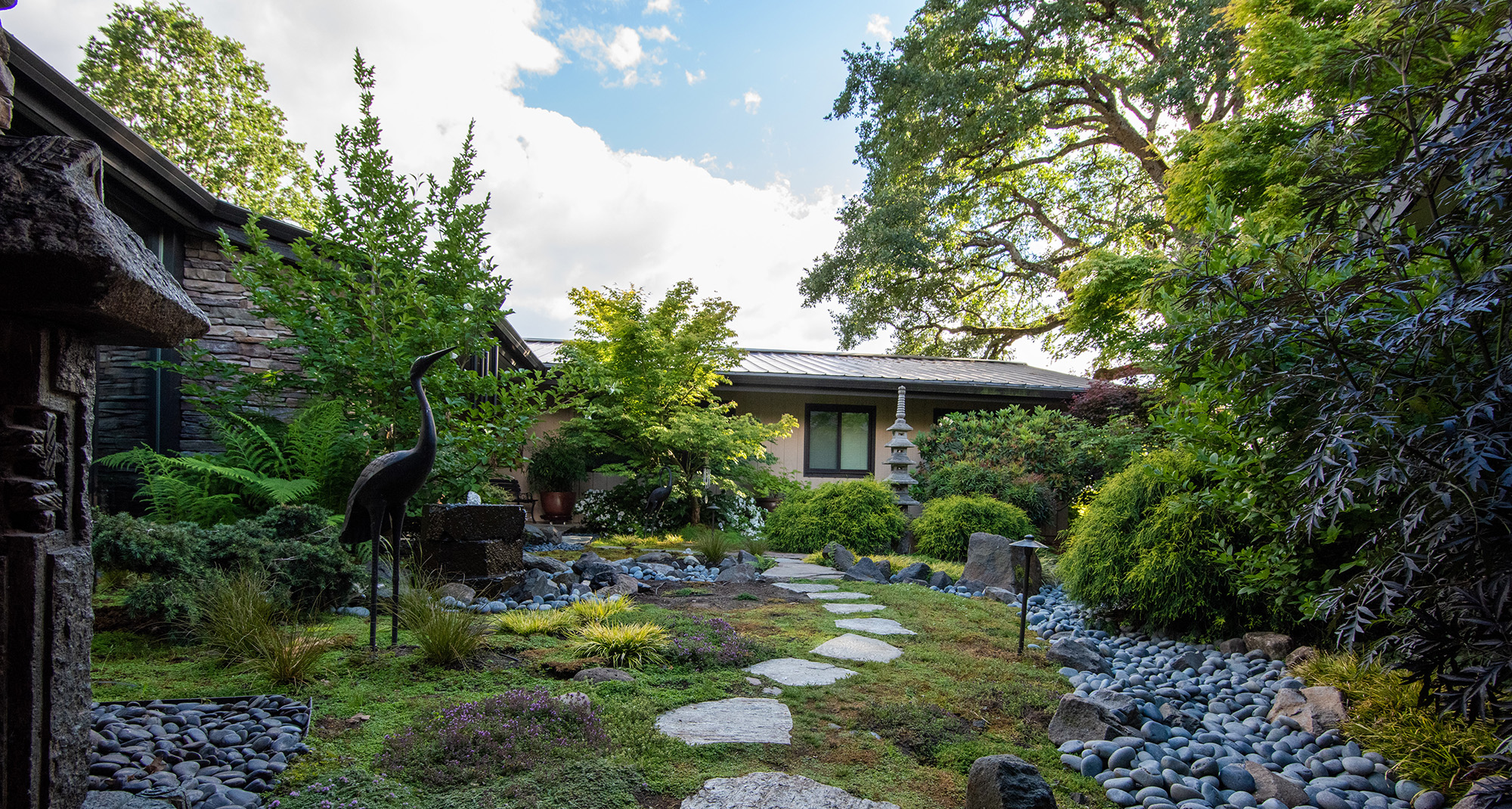
Pathways guide visitors through the yard with clear, clean lines. They can be made from stone, brick, or concrete. Patios offer a place to relax and enjoy the outdoors. Both add function and style without any grass. These areas create a welcoming feel and connect different parts of the yard.
Rock Gardens And Boulders
Rock gardens add natural charm and variety to the landscape. They use small stones, gravel, and larger boulders. Boulders create focal points and add height. These elements work well with drought-tolerant plants. They bring texture and color while saving water and time.
Water Features For Visual Interest
Water features add calm and movement to the yard. Small fountains or ponds create a peaceful atmosphere. The sound of water masks noise from outside. These features attract birds and other wildlife. They make the yard feel alive and refreshing without grass.
Layering Plants For Depth
Creating a grass-free front yard that looks full and inviting needs smart plant layering. Layering plants adds depth and interest to your space. It stops the yard from looking flat or empty. This technique uses different plant heights, textures, and colors.
Layering also guides the eye through the garden. It creates a sense of balance and harmony. You can make a small yard feel larger and more dynamic. Use the right mix of plants to achieve this effect.
Combining Heights And Textures
Start with tall plants at the back or center of your design. Medium plants go in the middle layer. Low plants fill the front or edges. This stacking creates natural-looking depth.
Mix smooth leaves with rough or spiky ones. Combine broad leaves with thin, delicate ones. This contrast adds visual interest and keeps the space lively.
Seasonal Flowering Plants
Include plants that bloom in different seasons. This keeps your yard colorful year-round. Choose flowers with varying shapes and sizes.
Seasonal blooms draw attention and create focal points. They also attract pollinators like bees and butterflies. This helps your garden thrive naturally.
Shrubs And Ornamental Grasses
Shrubs provide structure and stay green most of the year. They act as a backdrop for flowering plants. Choose shrubs with varied leaf shapes and colors.
Ornamental grasses add movement and texture. They sway with the wind and soften hard edges. Use them to fill gaps and create flow in your garden.
Smart Irrigation Techniques
Smart irrigation techniques help keep grass-free front yards green and healthy. These methods save water and deliver it directly where plants need it most. Efficient watering supports lush landscapes without wasting resources. Here are three key irrigation methods used by top landscape designers.
Drip Irrigation Systems
Drip irrigation systems release water slowly near plant roots. This method reduces water loss from evaporation and runoff. Plants get water directly at their base, promoting deep root growth. Drip lines can be hidden under mulch for a clean look. This system works well for shrubs, flowers, and ground covers.
Rainwater Harvesting
Rainwater harvesting collects rain from roofs and stores it for irrigation. Using stored rainwater reduces the need for tap water. This method lowers water bills and helps during dry spells. Rain barrels or larger tanks can supply water to drip systems or sprinklers. It is an eco-friendly way to keep plants hydrated.
Efficient Water Management
Efficient water management means watering plants only when needed. Using timers and moisture sensors avoids overwatering. Scheduling irrigation early morning or late evening cuts evaporation. Grouping plants by water needs also conserves water. These practices ensure plants thrive with less water waste.
Credit: frameitall.com
Using Color And Lighting
Color and lighting create a vibrant feel in grass-free front yards. They bring life and depth without needing grass. Thoughtful use of these elements can transform any space into a lush retreat. Designers rely on specific tricks to balance color and light well.
Plant Color Coordination
Choosing plants with different colors adds variety. Mix greens with reds, yellows, or purples for visual interest. Use shades that complement each other for a balanced look. Group plants with similar colors to create blocks of color. This technique keeps the yard lively and inviting.
Seasonal colors keep the yard fresh all year. Include plants that bloom at different times. This way, the yard always has some color. Color also affects mood. Warm tones feel welcoming. Cool tones bring calmness.
Outdoor Lighting Tricks
Lighting extends the yard’s beauty into the night. Use soft lights to avoid harsh shadows. Path lights guide visitors and add charm. Spotlights on plants create dramatic effects. Solar lights are easy and cost-effective options.
Layer different types of lighting for depth. Combine uplights, downlights, and string lights. Timers or sensors help control lighting automatically. Good lighting makes the space usable after dark.
Highlighting Focal Points
Focal points catch the eye and create interest. Use lighting to draw attention to sculptures, trees, or unique plants. Brighten these areas more than the surroundings. This contrast helps the focal points stand out.
Plant color plays a role too. Bright or unusual colors can serve as focal points. Place these plants where they can be seen easily. This method gives the yard character and style.
Maintaining A Lush Look
Maintaining a lush look in a grass-free front yard takes consistent effort. Healthy plants, clean lines, and vibrant colors keep the space inviting. Careful attention to pruning, soil, and pest control helps plants thrive. A well-kept yard feels fresh and alive all year long.
Regular Pruning And Care
Pruning shapes plants and removes dead leaves. It helps plants grow fuller and look neat. Trim shrubs and bushes every few weeks. Remove wilted flowers to encourage new blooms. Water plants early in the morning or late afternoon. This keeps leaves dry and reduces disease risk.
Soil Health And Fertilization
Good soil supports strong roots and healthy plants. Test soil to check nutrient levels. Add compost or organic matter to improve texture. Use slow-release fertilizers to feed plants over time. Avoid over-fertilizing, which can harm plant health. Mulch around plants to keep soil moist and cool.
Pest And Weed Control
Weeds compete with plants for water and nutrients. Pull weeds by hand regularly to prevent spread. Use natural pest repellents to protect plants. Watch for signs of insect damage or disease. Treat problems early to avoid bigger issues. Healthy plants resist pests better than weak ones.

Credit: www.pbs.org
Inspiring Before And After Transformations
Transforming a grass-free front yard into a lush, vibrant space can inspire many homeowners. These transformations show how thoughtful design can turn even the smallest or driest spaces into inviting gardens. Each example reveals creative ideas that make yards look rich and full without grass.
Seeing the before and after pictures helps to understand the impact of smart landscaping. Designers use plants, stones, and paths to create balance and texture. These make the yard visually appealing and easy to maintain.
Small Yard Makeovers
Small yards often feel limited but can become cozy retreats. Designers use compact plants and layered textures to add depth. Different shades of green and pops of color create interest. Gravel or mulch replaces grass for a clean, neat look. Adding a few decorative elements like pots or benches enhances charm. The result is a welcoming space without the need for lawn care.
Urban Front Yard Designs
Urban yards face challenges like shade and tight spaces. Designers choose shade-loving plants and vertical gardens. Hardscape elements like pavers and rocks add structure. Succulents and native plants reduce water use and thrive in small spots. These yards look modern and fresh with little upkeep. The transformation balances nature with city living efficiently.
Eco-friendly Landscape Examples
Eco-friendly yards focus on sustainability and low maintenance. Native plants attract birds and pollinators, supporting local wildlife. Rain gardens and permeable surfaces help manage water naturally. Mulch and stones retain moisture and prevent weeds. These yards reduce environmental impact while staying lush and inviting. They prove that beauty and eco-consciousness can coexist.
Frequently Asked Questions
What Plants Work Best For Grass-free Front Yards?
Drought-tolerant plants like succulents, ornamental grasses, and native shrubs thrive well. They need less water and care, making yards look green and full.
How Do Designers Keep Grass-free Yards Lush All Year?
They use mulch, rocks, and ground covers to hold moisture and reduce weeds. Layering plants with different heights adds texture and fullness.
Can Hardscape Features Replace Grass In Front Yards?
Yes, elements like pavers, gravel paths, and decorative stones add interest and function. They create clean, low-maintenance spaces that still feel inviting.
What Soil Preparation Helps Maintain Lush Grass-free Yards?
Good soil drainage and adding organic matter improve plant health and growth. Preparing the soil prevents water pooling and supports roots better.
How Often Should Grass-free Yards Be Watered?
Water deeply but less often to encourage strong roots. Early morning watering reduces evaporation and keeps plants healthy longer.
Conclusion
Creating a grass-free front yard can be simple and beautiful. Using plants, stones, and creative designs brings life to your space. These ideas save water and cut down yard work. You can enjoy a green, fresh look without grass. Small changes make a big difference in your yard’s feel.
Try these tips to make your front yard inviting and lush. A grass-free yard can still look full and bright. It’s all about smart choices and good planning.