When you see a mid century modern house, something about it just feels familiar—and that’s no accident. Certain design moves make these homes stand out instantly, grabbing your attention and sticking in your mind.
If you want to understand what makes mid century modern exteriors so eye-catching, you’re in the right place. By the time you finish reading, you’ll know exactly what features to look for—and maybe even how to bring some of that timeless style to your own home.
Ready to discover the secrets behind those sleek lines and bold shapes? Let’s dive in.
Key Features Of Mid Century Modern Exteriors
Mid century modern house exteriors stand out due to their unique design features. These homes blend simplicity with elegance. They focus on form and function, creating a timeless look. Understanding the key features helps recognize this iconic style instantly.
Clean Lines And Geometric Shapes
Mid century modern exteriors highlight clean lines and simple shapes. Straight edges and flat planes form the building’s silhouette. Squares, rectangles, and triangles create visual interest. These geometric shapes give the home a sleek, uncluttered appearance. The design avoids ornate details and favors minimalism. This simplicity adds to the style’s lasting appeal.
Integration With Nature
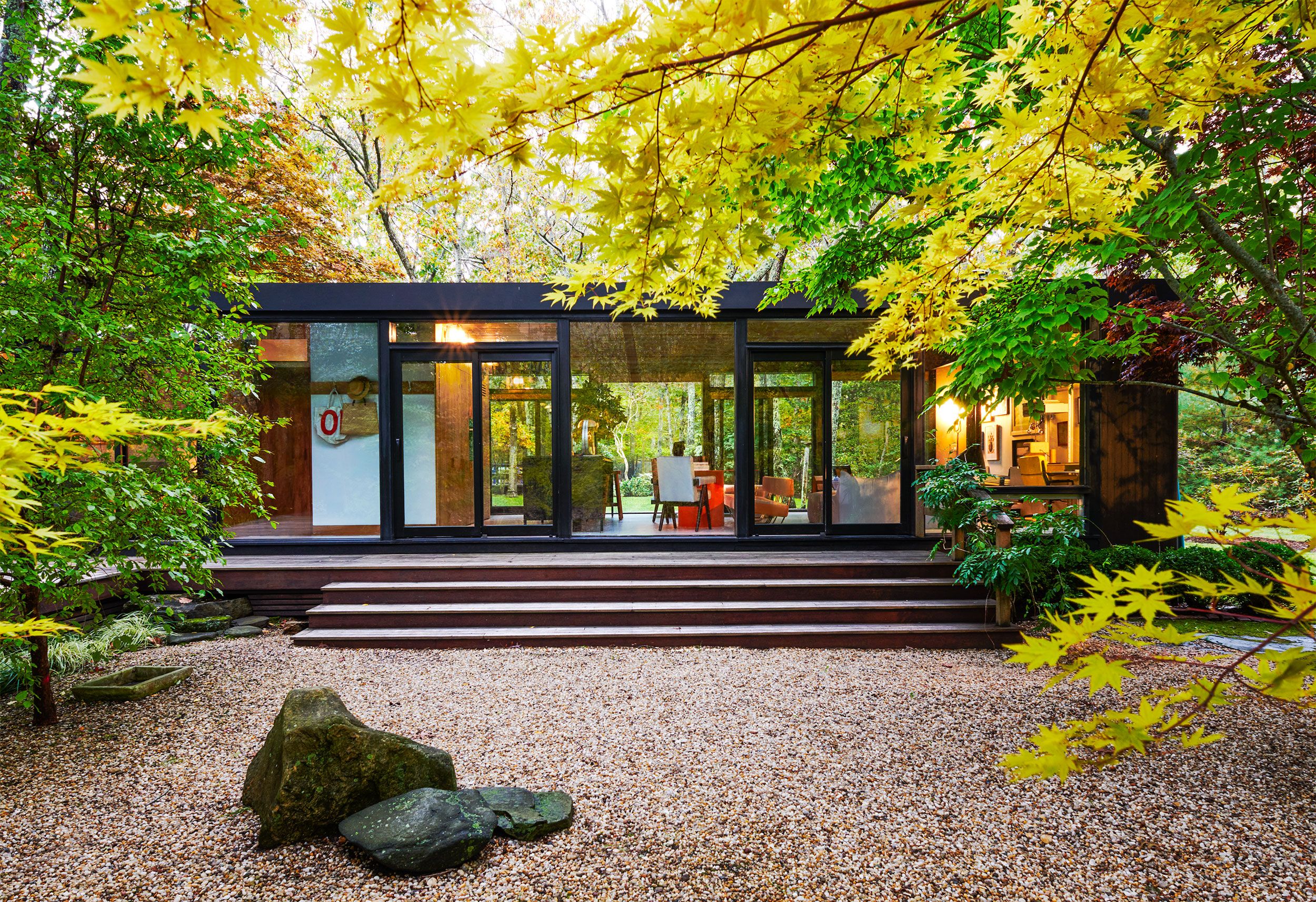
This style emphasizes harmony between the house and its surroundings. The design often includes natural materials like wood and stone. Outdoor spaces blend seamlessly with indoor areas. Rooflines extend to cover patios and decks, creating a smooth transition. Landscaping uses native plants to complement the home. This connection with nature makes the house feel part of the environment.
Large Windows And Glass Walls
Big windows are a hallmark of mid century modern homes. Floor-to-ceiling glass walls bring in natural light. These features create a bright and open interior space. The glass also frames views of the outdoors. Windows often slide or fold to connect indoor and outdoor living areas. This openness enhances the feeling of freedom and space.
Credit: www.elledecor.com
Distinctive Materials And Textures
Mid-century modern homes stand out because of their unique materials and textures. These elements shape the look and feel of the exterior. They add warmth, contrast, and interest to the design. The mix of natural and man-made materials creates a balanced, inviting appearance.
Materials in mid-century design often blend into the natural surroundings. Textures play a big role in giving the home character. They make the exterior more than just flat surfaces. This section breaks down the key materials that define this style.
Natural Wood And Stone
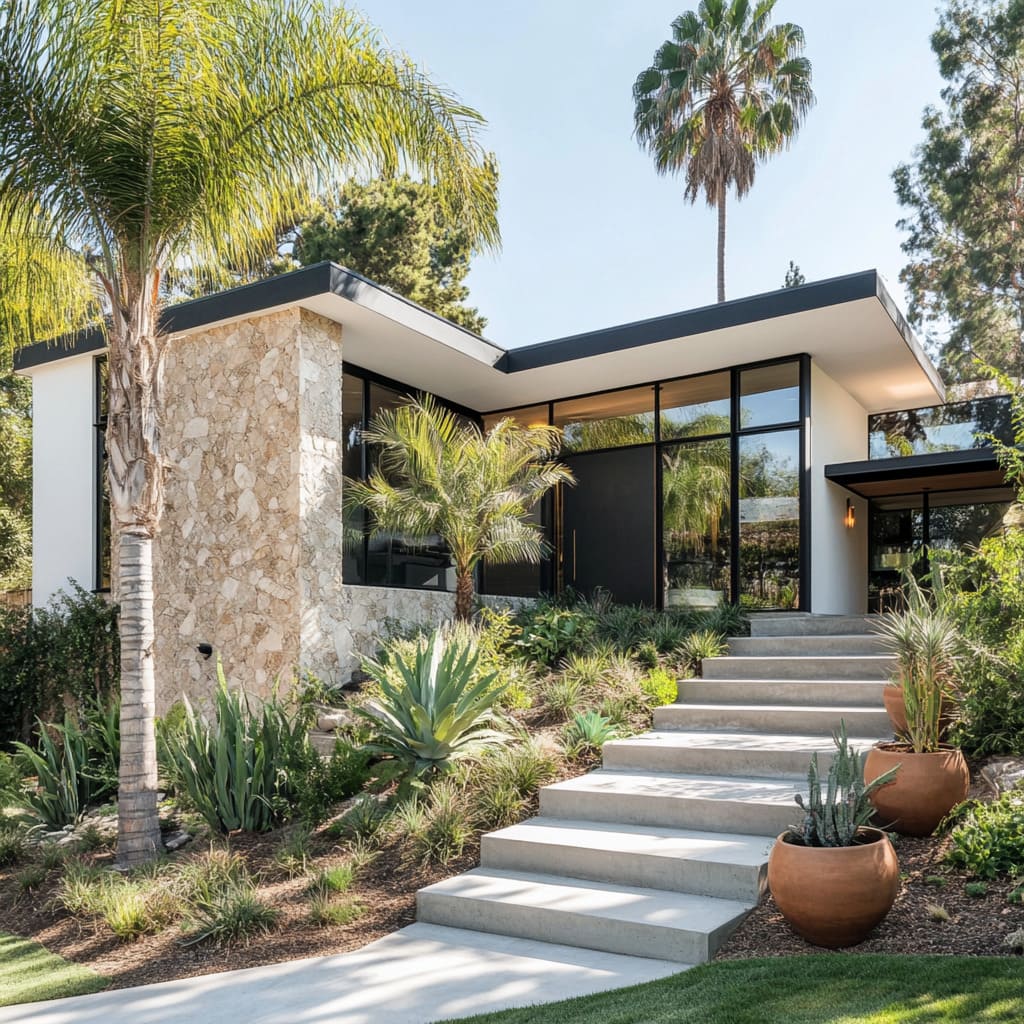
Wood is a staple in mid-century modern exteriors. It often appears as large wooden panels or beams. The grain and tone of the wood add warmth to the home’s look. Stone is used to anchor the design to the earth. Rough-cut or smooth stone walls create a solid, natural feel.
Both wood and stone connect the house to its environment. They provide texture that feels organic and timeless. These materials age well and often look better over time.
Metal Accents And Details
Metal adds sharpness and contrast to mid-century homes. Thin metal frames often highlight windows and doors. Steel or aluminum is common for these features. Metal railings and light fixtures also bring a sleek, modern touch.
The use of metal breaks up the natural textures. It introduces a cool, industrial vibe without overpowering the design. This balance keeps the exterior fresh and interesting.
Smooth Stucco And Concrete
Stucco and concrete provide smooth, clean surfaces. These materials give mid-century homes a minimalist edge. Large flat walls made from stucco or concrete highlight the home’s geometric shapes.
The smooth texture contrasts nicely with wood and stone. Concrete patios and walkways extend the modern feel outdoors. These materials are low-maintenance and durable, perfect for the style’s clean look.
Color Palettes That Define The Style
Mid Century Modern house exteriors are known for their unique color palettes. These colors shape the style and create an inviting look. The palette blends natural and vibrant shades, balancing calm and energy. This combination makes the homes stand out yet feel warm and welcoming.
Earth Tones And Warm Neutrals
Earth tones form the base of Mid Century Modern colors. Shades like tan, brown, and olive create a grounded feel. Warm neutrals such as beige and cream add softness. These colors blend well with natural materials like wood and stone. They connect the home to its surroundings. Earth tones make the exterior look timeless and calm.
Bold Accent Colors
Bright colors add life to the neutral base. Mustard yellow, burnt orange, and teal are common choices. These hues highlight doors, window frames, or trims. Bold accents catch the eye and add personality. They break the plainness without overpowering the home’s look. These colors give Mid Century Modern homes a fun and fresh vibe.
Contrasting Shades
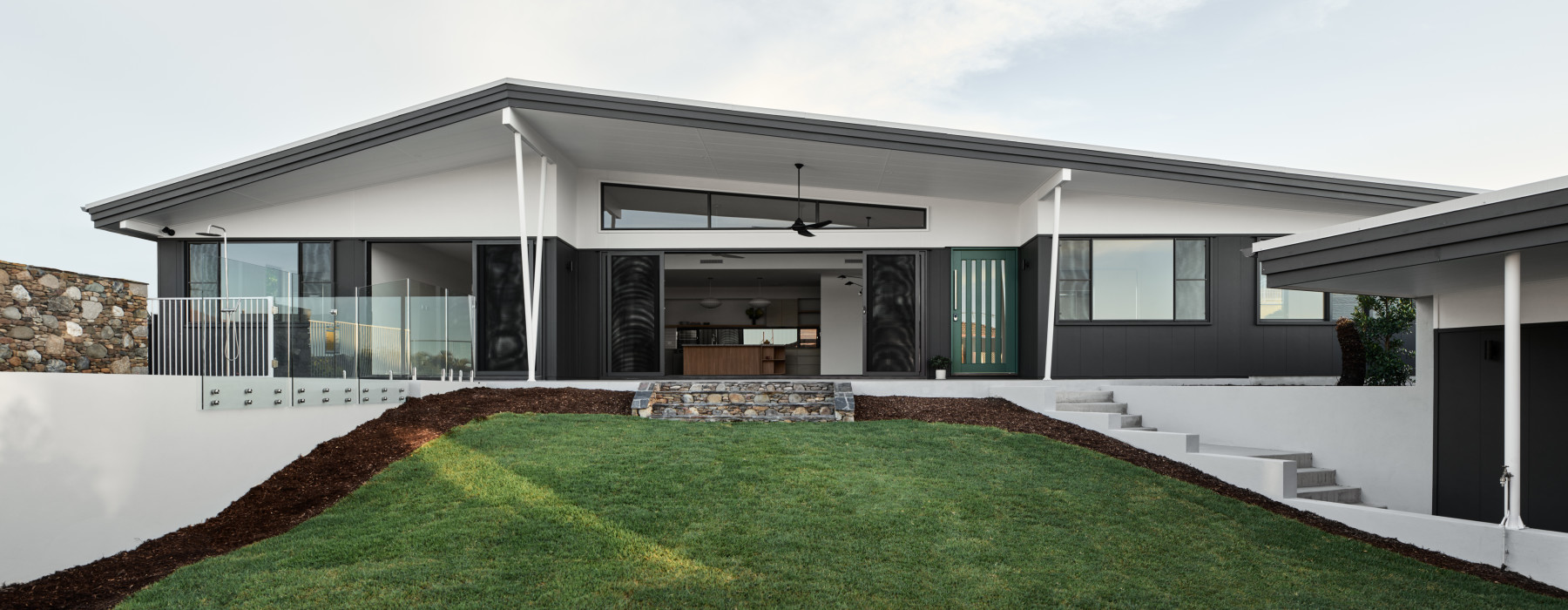
Contrasting shades create visual interest and depth. Dark colors like charcoal or black pair well with light tones. This contrast defines sharp lines and geometric shapes typical of the style. It adds drama without cluttering the design. Contrasting shades make Mid Century Modern homes instantly recognizable and striking.
Credit: www.jameshardie.com.au
Roof Designs That Stand Out
Mid-century modern homes are instantly known for their unique roof designs. These roofs do more than protect. They create a look that stands out and defines the style. The roof shapes and details capture attention with clean lines and smart design. Each roof element plays a key role in the home’s overall look.
Low-pitched And Flat Roofs
Low-pitched and flat roofs are classic mid-century modern features. They give the house a sleek, horizontal line. These roofs blend the home with the landscape. The low angle makes the structure appear wider and more grounded. Flat roofs also offer a modern, minimalist vibe that suits this style perfectly.
Extended Eaves And Overhangs
Extended eaves and overhangs provide shade and style. They stretch beyond the walls, creating clean, long lines. These elements protect windows and doors from sun and rain. They also add a sense of shelter and openness at the same time. This design helps connect indoor and outdoor spaces.
Exposed Rafters
Exposed rafters add charm and architectural interest. Instead of hiding the roof’s structure, mid-century modern homes highlight it. The rafters show craftsmanship and create a rhythmic pattern under the eaves. This detail adds warmth and texture to the exterior. It’s a small touch that makes a big impact.
Outdoor Living And Landscaping Elements
Outdoor living and landscaping play a big role in mid century modern house exteriors. These elements make the home feel open and connected to nature. The design focuses on simplicity and harmony with the surroundings. Green spaces and natural materials blend with clean lines and wide windows. This creates a calm and inviting atmosphere outside the home.
Seamless Indoor-outdoor Flow
Mid century modern homes often feature large glass doors or walls. These open wide to connect indoor spaces with patios or gardens. The transition between inside and outside is smooth and natural. Living rooms and kitchens flow into outdoor seating areas. This design encourages spending time outdoors and enjoying fresh air.
Minimalist Landscaping
Landscaping is simple and uncluttered. Lawns are neat, and plants are carefully placed. Hardscape elements like stone paths and gravel add texture without overwhelming the space. The focus stays on clean shapes and open areas. This minimalism highlights the home’s architectural lines and creates a peaceful yard.
Use Of Native Plants
Native plants are common in mid century modern landscaping. They suit the local climate and need less care. These plants blend well with the natural environment. They attract birds and pollinators, adding life to the garden. Using native plants supports sustainability and keeps the outdoor space healthy.
Iconic Mid Century Modern Doors And Entryways
Mid Century Modern doors and entryways stand out with their clean lines and unique styles. These features define the look and feel of the home’s exterior. They create a welcoming, open, and stylish first impression. The door often acts as the centerpiece of the facade, blending function with artistic design.
Key design elements include innovative door movements, eye-catching hardware, and large glass panels. These details contribute to the home’s distinct character. They balance simplicity with elegance and enhance natural light entry. The result is an instantly recognizable mid century modern look.
Pivot And Sliding Doors
Pivot doors rotate on a central hinge, creating a smooth, modern entrance. They have a clean, minimalist appearance. Sliding doors save space and connect indoor and outdoor living areas. Both styles emphasize horizontal and vertical lines common in mid century design.
Decorative Hardware
Hardware like handles and locks often feature simple, geometric shapes. They use materials such as brass, chrome, or black metal. These accents add subtle contrast and texture. The hardware complements the overall clean and sleek door design.
Frameless Glass Panels
Large glass panels without visible frames open up the space visually. They allow natural light to flood inside the home. Frameless glass highlights the connection between indoors and outdoors. This transparency is a hallmark of mid century modern architecture.
Lighting And Decorative Details
Lighting and decorative details give mid-century modern house exteriors their unique charm. These small touches highlight the style’s clean lines and bold shapes. They also create a welcoming and stylish outdoor space. The right lighting and decor make the home stand out, especially at night.
Sculptural Light Fixtures
Sculptural light fixtures are a signature feature of mid-century modern homes. They often have geometric or abstract shapes. These fixtures blend art with function. They cast interesting shadows and add character to the exterior. Metal, glass, and wood are common materials. These lights become outdoor art pieces themselves.
Integrated Outdoor Lighting
Integrated outdoor lighting enhances the home’s architectural lines. Lights are often built into walls, stairs, or pathways. This method keeps the design clean and simple. It also improves safety by illuminating walkways. Soft, warm light creates a cozy atmosphere. The lighting highlights plants and building details subtly.
Artistic House Numbers
Artistic house numbers serve as both decoration and identification. Mid-century modern designs use bold, clear fonts. Numbers are usually large and easy to read. They may be mounted on metal or wood plaques. Sometimes, they are part of a larger art piece near the entrance. This detail adds personality and flair to the home’s facade.
Credit: fancyhouse-design.com
Frequently Asked Questions
What Are The Key Features Of Mid Century Modern House Exteriors?
Mid century modern exteriors often feature clean lines, flat planes, and large windows. They use natural materials like wood and stone. Open spaces and simple shapes are common.
How Do Mid Century Modern Designs Use Windows?
Windows are large and often floor-to-ceiling to bring in natural light. They create a strong connection between inside and outside spaces. This design makes homes feel open and airy.
Why Are Natural Materials Important In Mid Century Modern Homes?
Natural materials like wood and stone add warmth and texture. They blend the house with the surrounding environment. This creates a timeless and inviting look.
What Roof Styles Are Common In Mid Century Modern Homes?
Flat or low-pitched roofs are typical in mid century modern designs. These roofs emphasize horizontal lines and clean shapes. They help maintain a sleek and simple exterior.
How Do Mid Century Modern Exteriors Connect Indoor And Outdoor Spaces?
They use large glass walls and sliding doors to open rooms to the outside. Outdoor patios and decks often flow directly from living areas. This design blurs the line between indoors and outdoors.
Conclusion
Mid century modern house exteriors stand out with clean lines and bold shapes. Large windows and simple roofs create a timeless look. Natural materials add warmth and charm to the design. These key features make the style easy to recognize.
They blend form and function in a unique way. This design still inspires many home lovers today. A classic style that never feels old or dull. Simple. Stylish. Memorable.