
You might think rock landscaping is dull or plain, but that’s only because you haven’t discovered the right way to use it. Rocks can add texture, color, and personality to your outdoor space like nothing else.
If your yard feels lifeless or boring, it’s time to rethink how you’re working with rocks. You’ll learn simple, creative ideas to transform your landscape and make your garden stand out. Keep reading to unlock the true potential of rock landscaping—and turn your outdoor space into something you’ll love showing off.
Benefits Of Rock Landscaping
Rock landscaping offers many benefits that make it a smart choice for any outdoor space. It saves time and money while adding beauty and function. Rocks provide a strong, lasting foundation for gardens and paths. They help create a natural look that fits many styles.
Using rocks in your landscape can reduce water use and make your yard easier to care for. Rocks come in many shapes, sizes, and colors. This variety allows you to design unique, eye-catching spaces. Rock landscaping is not dull; it is full of possibilities.
Low Maintenance And Durability
Rocks last for many years without needing repair or replacement. They do not fade or crack easily. Unlike grass or plants, rocks do not require watering or mowing. This saves effort and reduces upkeep costs. Rocks stand up well to harsh weather and foot traffic.
Water Conservation Advantages
Using rocks helps reduce water use in your garden. Rocks prevent soil erosion and keep moisture in the ground. They replace water-thirsty plants or large grassy areas. This makes your landscape more eco-friendly and cost-effective. Rock gardens stay green without constant watering.
Versatility In Design
Rocks fit many design styles, from modern to rustic. They can be used as borders, walkways, or focal points. Mixing rock sizes and colors creates unique textures and patterns. Rocks blend well with plants, water features, and lighting. This flexibility allows creative and personal outdoor spaces.

Credit: www.youtube.com
Common Mistakes With Rock Landscaping
Rock landscaping can transform any outdoor space. It adds texture, color, and structure. Many people miss the mark by making common mistakes. These errors make rock gardens look dull or unnatural. Understanding these mistakes can help you create a lively, attractive landscape. Here are the most frequent errors to avoid.
Overuse Of Uniform Rocks
Using the same size and type of rock everywhere looks boring. It creates a flat, lifeless scene. Variety in rock size and shape adds interest. Mix large boulders with small pebbles. Different colors also improve the visual appeal. Avoid repeating one rock type too much. This keeps your garden dynamic and natural.
Ignoring Scale And Proportion
Choosing rocks without thinking about size can hurt your design. Large rocks in a small garden feel overwhelming. Tiny rocks in a large space seem lost. Match rock size to the garden area. Consider how rocks relate to plants and furniture. Proper scale makes the space balanced and pleasant.
Poor Plant Integration
Rocks look best when combined with plants. Skipping this step makes the area dull. Plants soften hard rock edges and add color. Choose plants that suit your climate and soil. Place them naturally around rocks, not in straight lines. This creates a harmonious, inviting landscape.
Choosing The Right Rocks
Choosing the right rocks is key for creating stunning rock landscaping. The rocks you pick set the tone for your outdoor space. They bring texture, color, and shape to your garden or yard. Selecting the perfect rocks makes your landscape inviting and unique. It also helps to avoid a dull or boring look.
Consider the type, color, texture, and size of rocks. These factors work together to enhance your design. Thoughtful choices bring balance and interest to your landscape.
Types Of Rocks And Their Uses
Different rocks serve different purposes in landscaping. River rocks are smooth and great for pathways or water features. Granite is hard and durable, perfect for borders or retaining walls. Limestone offers a softer look and works well for garden beds. Slate adds a flat, layered texture for patios or stepping stones. Each type has a unique role that fits various styles and needs.
Selecting Colors And Textures
Colors influence the mood of your outdoor space. Light-colored rocks brighten shady areas. Dark rocks create contrast and depth. Texture adds interest and helps separate different parts of the landscape. Rough rocks feel natural and rustic. Smooth rocks give a clean, polished look. Mixing colors and textures can create a lively, dynamic space.
Sizing For Impact
Size matters in rock landscaping. Large rocks make bold statements and draw attention. Medium-sized rocks work well as accents or borders. Small rocks fill gaps and create smooth surfaces. Using a mix of sizes adds dimension and prevents monotony. Placing rocks thoughtfully helps guide the eye and improves flow in your garden.
Credit: rocknyard.com
Creative Rock Landscaping Ideas
Rock landscaping offers many ways to add style and structure to your yard. Using rocks creatively can bring texture, color, and interest to any outdoor space. These ideas show that rocks are not just boring piles. They can be the centerpiece or a subtle accent in your garden.
Try different shapes, sizes, and arrangements to create unique looks. Each idea uses rocks in smart ways that make your yard inviting and beautiful. Here are some creative ideas to get started.
Layered Rock Gardens
Layered rock gardens add depth and dimension to flat spaces. Stack rocks of different sizes to build terraces or slopes. This creates a natural look like a small hill or mountain. Plant low-growing flowers or succulents between the layers. These plants soften the hard edges and add color. Layering also helps with water drainage and soil erosion.
Rock Pathways And Borders
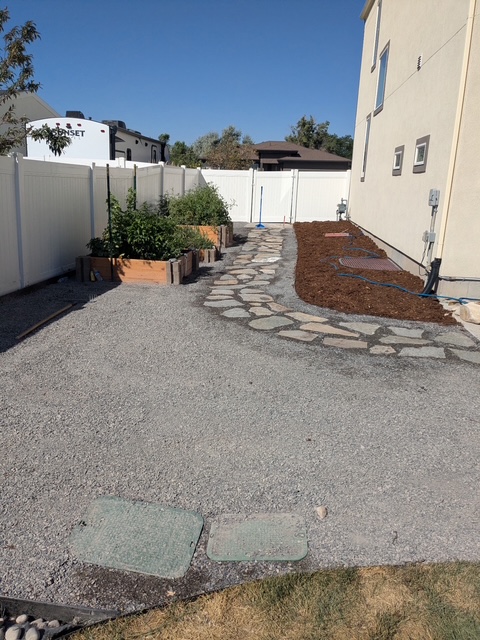
Rocks make durable and attractive pathways. Use flat stones or gravel to guide visitors through your garden. Borders made from rocks separate flower beds or lawn areas. This keeps your garden neat and organized. Choose rocks that match or contrast with your plants for extra style. Paths and borders help define space and make walking easier.
Incorporating Water Features
Combine rocks with water for a calming effect. Build small ponds or fountains surrounded by rocks. The sound of water adds peace and attracts birds. Arrange rocks so water flows naturally over them. This creates a soft, soothing sound. Water features with rocks become focal points in your yard. They also increase the garden’s freshness and life.
Combining Rocks With Plants
Combining rocks with plants creates a garden full of life and texture. Rocks bring structure and contrast to green spaces. Plants soften the hard edges of stones, making the area inviting. Together, they create balance and charm.
Choosing the right plants is key. Some plants grow well around rocks and need little water. Others spread beautifully over stones, adding color and interest. This mix keeps your garden lively all year long.
Drought-tolerant Plant Choices
Drought-tolerant plants thrive with little water. They survive hot, dry weather near rocks. Examples include lavender, sage, and ornamental grasses. These plants save water and look great next to stones. They need less care and stay healthy.
Using Succulents And Groundcovers
Succulents store water in thick leaves. They grow well in rocky, dry areas. Succulents like hens-and-chicks or sedum add unique shapes and colors. Groundcovers spread low and wide, covering bare soil. Creeping thyme and moss are popular groundcovers. They fill spaces between rocks smoothly.
Balancing Rocks And Greenery
Too many rocks can feel cold and empty. Too many plants can hide the stones’ beauty. Balance is important. Place rocks to create paths or borders. Plant greenery around and between rocks for soft edges. This mix feels natural and pleasing to the eye.
Tools And Techniques For Installation
Installing rock landscaping needs the right tools and good methods. Using proper tools makes the work easier and the result better. Techniques help place rocks naturally and keep them in place for years.
Preparing The Soil And Base
Clear the area of weeds and debris. Dig about 4 to 6 inches deep to remove loose soil. Add a layer of crushed gravel for drainage. Compact the base to create a firm surface. Use a rake to level the area evenly. A solid base stops rocks from sinking or shifting.
Arranging Rocks For Natural Look
Choose rocks of different sizes and colors for variety. Place larger rocks first, then smaller ones around. Avoid straight lines; curves look more natural. Partly bury some rocks to mimic nature. Step back often to check the overall balance. This makes the arrangement look relaxed and real.
Maintenance Tips For Longevity
Remove weeds regularly to keep the area clean. Check for stones that move or sink and reset them. Rinse rocks with water to remove dirt and dust. Add fresh gravel or sand between rocks yearly. Proper care keeps your rock landscaping fresh and strong for many years.
Inspiration From Real Yard Transformations
Real yard transformations show how rock landscaping can look fresh and exciting. These examples prove rocks are not dull or boring. They bring texture, shape, and color to outdoor spaces.
Seeing actual changes helps you imagine new ideas for your yard. It shows how simple changes can create a big impact.
Before And After Examples
Before, many yards feel empty or plain. Rocks add interest and structure. After adding rocks, spaces gain depth and character.
Look at yards with plain grass turned into beautiful rock gardens. Rocks guide the eye and create clear paths. They also highlight plants and decorations.
Creative Use Of Space
Rocks help make the most of small or tricky spots. They fill gaps and create levels on flat land.
Some yards use rocks to build terraces or walls. Others create dry riverbeds or rock islands. These ideas make spaces feel larger and more inviting.
Personalizing Your Rock Landscape
Add your style by mixing different rock sizes and colors. Combine rocks with plants that suit your climate.
Use rocks to form shapes or patterns that reflect your taste. Personal touches make your yard unique and welcoming.

Credit: eskute.com
Frequently Asked Questions
What Makes Rock Landscaping Look Boring?
Rock landscaping looks boring when it lacks variety in color, shape, and size. Using plain rocks without mixing textures can make the space dull. Adding plants or different rock types brings life and interest.
How Can I Use Rocks To Create A Focal Point?
Choose a large, unique rock or a rock arrangement to draw attention. Place it where people naturally look, like near an entry or garden path. Surround it with smaller stones or plants for balance.
What Plants Work Best With Rock Landscaping?
Succulents, grasses, and small shrubs work well with rock landscaping. They need little water and contrast nicely with rocks. These plants add color and soften the hard edges of stones.
Can Rock Landscaping Reduce Garden Maintenance?
Yes, rock landscaping lowers garden upkeep by reducing weeds and soil erosion. Rocks keep soil in place and help retain moisture. This means less watering and less weeding for you.
How Do I Avoid A Harsh Look With Rock Landscaping?
Mix different rock sizes and add soft plants to soften the look. Use curved lines instead of straight ones for a natural feel. This balance creates a warm and inviting outdoor space.
Conclusion
Rock landscaping can add beauty and texture to any yard. Use different shapes, sizes, and colors of rocks for interest. Mix rocks with plants to create a natural feel. Try layering rocks to add depth and style. Change your approach to make your outdoor space stand out.
Rock landscaping is far from boring when done right. Give it a chance, and enjoy the unique look it brings.