
Your dorm room should be more than just a place to sleep. It needs to support everything you do each day—studying, relaxing, socializing, and even recharging your energy.
But how do you create a space that truly works for you? Imagine walking into a room that instantly helps you focus, keeps you organized, and feels like your personal retreat. This isn’t just a dream—it’s something you can build step by step.
Keep reading to discover simple, practical ways to design a dorm room that actually supports your daily life, making every day easier and more enjoyable.

Credit: www.amazon.com
Choose Functional Furniture
Choosing the right furniture is key for a dorm room that helps with daily life. Functional furniture saves space and keeps things organized. It makes studying, relaxing, and sleeping easier. Picking pieces that do more than one job makes the room practical and cozy.
Multi-purpose Pieces
Furniture that serves multiple uses fits well in a small dorm room. A bed with drawers underneath offers extra storage. Desks that fold away create more floor space. Chairs with storage inside keep clutter out of sight. These pieces reduce the need for many items.
Space-saving Solutions
Choose furniture that fits small spaces without crowding. Lofted beds free up space below for a desk or seating. Stackable chairs save room when not in use. Shelves that mount on the wall keep things off the floor. These solutions make the room feel open and easy to move.
Comfort And Ergonomics
Comfort is important for study and rest. Select chairs that support good posture to avoid back pain. Desks at the right height help maintain focus. Soft cushions on chairs add extra comfort. A cozy bed with a supportive mattress improves sleep quality.
Credit: gusmodern.com
Maximize Storage Space
Maximizing storage space in a dorm room makes daily life easier and less stressful. Dorm rooms are small, so smart storage helps keep everything neat. Use every inch wisely to create a comfy and organized space. Small changes can make a big difference.
Vertical Storage Options
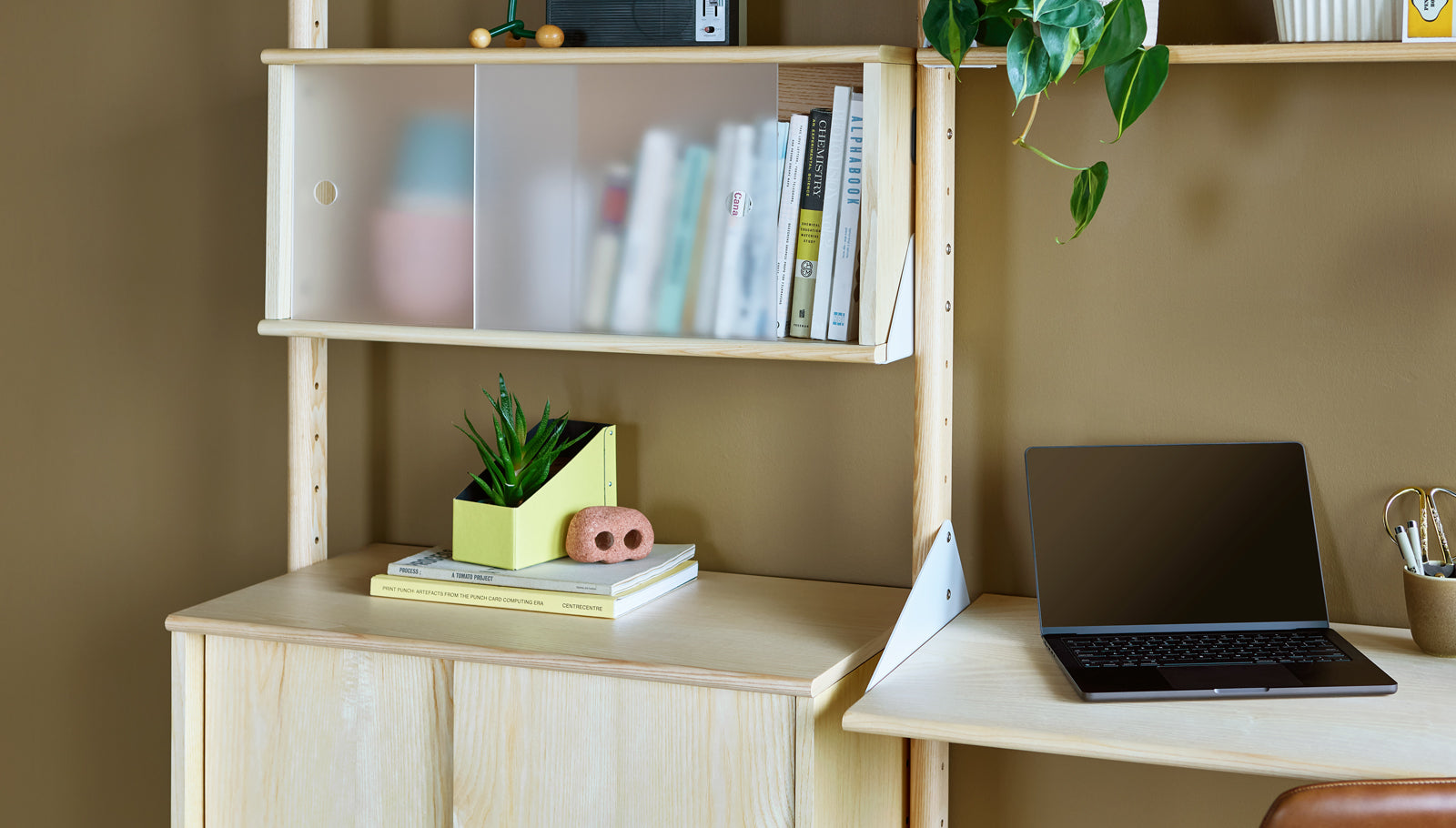
Use wall shelves to store books and decor. Tall bookcases fit more items without taking floor space. Hooks on walls hold bags, jackets, or headphones. A pegboard can organize tools and small accessories. Look up, not just around, for storage spots.
Under-bed Storage Ideas
Under-bed space is perfect for boxes or bins. Use clear containers to see what is inside. Rolling drawers slide out easily for quick access. Store off-season clothes or shoes under the bed. Keep items you don’t need daily in this hidden space.
Organizing Small Items
Use small containers or trays on desks for pens and clips. Drawer dividers keep things separated and easy to find. Use a small basket for chargers and cables. Keep tiny items in labeled jars or boxes. This stops clutter and saves time searching.
Design A Productive Study Area
Designing a productive study area in your dorm room helps you focus better. A well-planned space boosts your concentration and keeps you organized. Small changes can make a big difference in how you work and learn daily.
A good study area supports your habits and reduces stress. It lets you work comfortably for longer periods. Creating the right environment means choosing the right furniture, lighting, and setup.
Ergonomic Desk Setup
Choose a desk with enough space for your books and laptop. Your chair should support your back and encourage good posture. Keep your feet flat on the floor or on a footrest. Arrange your computer screen at eye level to avoid neck strain. Organize your supplies within arm’s reach to avoid distractions.
Optimal Lighting Choices
Natural light is best for studying. Position your desk near a window if possible. Use a desk lamp with adjustable brightness for evening work. Avoid harsh overhead lights that cause glare. Soft, warm light reduces eye strain and keeps you alert.
Minimizing Distractions
Pick a quiet corner of your room for your study area. Keep your phone and other gadgets out of sight while working. Use noise-canceling headphones or soft background music. Declutter your desk to keep your mind clear. A tidy space helps you stay focused and calm.
Create A Relaxing Environment
Creating a relaxing environment in your dorm room helps you feel calm and focused. A peaceful space improves your mood and supports your daily routine. Small changes can make a big difference in how your room feels.
Soothing Color Schemes
Choose soft colors like light blue, pale green, or gentle beige. These shades reduce stress and create a calm vibe. Avoid bright, loud colors that can feel overwhelming. A simple color palette keeps the room peaceful and inviting.
Comfortable Bedding
Select soft, cozy bedding to make your bed a restful spot. Use pillows and blankets that feel nice to touch. Clean sheets and a neat bed help you relax after a busy day. Your bed should invite rest and comfort.
Personal Touches
Add items that make the space feel like yours. Photos, artwork, or small decorations bring warmth and personality. Keep these items simple and meaningful. Personal touches make your dorm room a comforting place to be.
Optimize Daily Routines
Creating a dorm room that supports your daily life starts with optimizing your routines. A well-planned space helps you follow your habits smoothly. It makes your days less stressful and more productive. A dorm room that fits your routines can boost your mood and focus.
Morning And Night Routines
Set a clear morning routine to start your day well. Keep your alarm clock and essentials within reach. Use a small tray or box for your daily items. At night, prepare your clothes and backpack for the next day. This saves time and reduces stress. Keep a lamp with soft light for a calm bedtime. A tidy space helps your mind relax before sleep.
Meal Prep Tips
Plan simple meals that fit your dorm space. Use containers to store snacks and leftovers. Prepare meals in advance to save time during busy days. Keep a mini fridge organized with easy-to-grab items. Choose healthy snacks like fruits, nuts, or yogurt. Clean your eating area after meals to keep your space fresh.
Time Management Tools
Use a calendar or planner to track your classes and tasks. Write down deadlines and appointments to avoid forgetting. Use alarms or phone reminders for important activities. Break big tasks into smaller steps to manage time better. Keep your planner visible in your dorm to stay on track. A simple timer can help you focus during study sessions.
Incorporate Technology Wisely
Technology plays a big role in dorm life. It helps with studying, entertainment, and staying connected. Using technology smartly makes your dorm room more useful and less cluttered. It also saves time and keeps you organized.
Charging Stations
Keep all your devices charged in one spot. A charging station stops cords from tangling. It also saves space on your desk or nightstand. Choose a station with multiple ports for phones, tablets, and laptops. This way, you charge everything at once and avoid searching for outlets.
Smart Devices
Smart devices make dorm life easier. Use a smart speaker to set alarms or play music hands-free. Smart lights can change brightness for studying or relaxing. A smart plug lets you control devices from your phone. These small tools add convenience and help manage your daily tasks.
Cable Management
Messy cables create stress and take up space. Use cable clips or ties to keep cords neat and untangled. Label each cable to find devices quickly. Run cables along walls or under the desk to keep them out of sight. Good cable management keeps your dorm room tidy and safe.
Maintain Cleanliness And Order
Keeping your dorm room clean and organized helps you focus and relax. It makes daily life easier and less stressful. A tidy space feels welcoming and supports your study and rest time. Simple habits and smart strategies keep your room neat and fresh. Here are practical tips to maintain cleanliness and order.
Daily Cleaning Habits
Spend a few minutes each day tidying up. Make your bed every morning to start fresh. Wipe surfaces quickly to avoid dust and dirt buildup. Put things back where they belong right after use. Small daily efforts stop messes from growing. This keeps your room pleasant and ready for studying or relaxing.
Decluttering Strategies
Sort your belongings regularly. Keep only what you use and love. Use storage boxes or bins to organize items neatly. Donate or throw away things you no longer need. Clear surfaces and floors to make your room look bigger. Decluttering frees up space and lowers stress.
Laundry Tips
Set a weekly laundry day to avoid pile-ups. Use a hamper to keep dirty clothes off the floor. Separate clothes by color and fabric to prevent damage. Fold or hang clean clothes immediately to keep order. Clean laundry boosts your comfort and keeps your room fresh.

Credit: www.cardinaleducation.com
Frequently Asked Questions
How Can I Organize My Dorm Room For Better Daily Use?
Use shelves and storage bins to keep things tidy. Arrange items you use most often within easy reach. Clear clutter regularly to save space and time.
What Are The Best Furniture Choices For Small Dorm Rooms?
Choose multi-purpose furniture like beds with drawers underneath. Foldable desks and chairs save space when not in use. Pick lightweight items to move easily.
How Do I Create A Study-friendly Dorm Room Space?
Set up a quiet corner with good lighting and a desk. Keep study materials close but separate from sleep areas. Use noise-cancelling headphones or white noise apps if needed.
What Lighting Works Best For A Dorm Room Setup?
Use a mix of natural light and soft LED lamps. Desk lamps with adjustable brightness help during late-night study. Avoid harsh overhead lights that can cause eye strain.
How Can I Make My Dorm Room Feel More Comfortable?
Add soft pillows, rugs, and cozy blankets for warmth. Personalize with photos and small decorations that make you happy. Keep air fresh by opening windows or using air fresheners.
Conclusion
Creating a dorm room that supports your daily life takes some thought. Use smart storage to keep your space neat. Choose furniture that fits your needs and saves room. Add personal touches to make it feel like home. Keep your study area clear and bright for focus.
Small changes can make a big difference every day. You’ll feel more comfortable and ready to tackle your tasks. A well-planned dorm room helps you live better and stress less. Start simple, and build a space that works for you.