Choosing the right wood for your fence is more than just picking what looks good. It affects how your fence feels, how long it lasts, and how it fits with your home’s style.
Whether you’re leaning toward cedar, redwood, pine, or ipe, each wood brings something different to the table. By understanding these differences, you can make a choice that not only protects your space but also adds value and beauty for years to come.
Keep reading to discover how your wood choice shapes every aspect of your fence.
Cedar Fences
Cedar fences offer a classic look that suits many homes. This wood is popular for its strength and beauty. It stands up well to weather and insects. Many choose cedar for a fence that lasts and looks good.
Cedar’s natural qualities give it an edge over other woods. It can keep its charm for years with proper care. Let’s explore what makes cedar a top choice for fences.
Natural Resistance To Decay
Cedar contains natural oils that fight decay and insects. These oils protect the wood without harmful chemicals. The wood resists rot even in wet weather. This means your fence stays strong longer.
Because of this resistance, cedar fences need fewer repairs. They handle rain, snow, and sun better than many woods.
Aromatic Qualities
Cedar wood has a fresh, pleasant smell. Its scent comes from natural oils. This aroma can keep bugs away. Many people enjoy the smell when near their fence.
The scent fades over time but leaves a lasting impression. It adds to the natural feel of your outdoor space.
Color And Grain Patterns
Cedar shows rich colors, from light amber to deep red-brown. The grain is fine and straight, creating a smooth look. This wood looks elegant without extra treatment.
Over time, cedar ages to a soft silver-gray color. Many homeowners like this weathered look for a rustic style.
Maintenance Tips
Cleaning your cedar fence regularly keeps it healthy. Use mild soap and water to remove dirt. Avoid harsh chemicals that can damage the wood.
Applying a protective sealant can extend the fence’s life. Sealants help keep moisture out and preserve color. Check the fence yearly and fix any loose boards promptly.
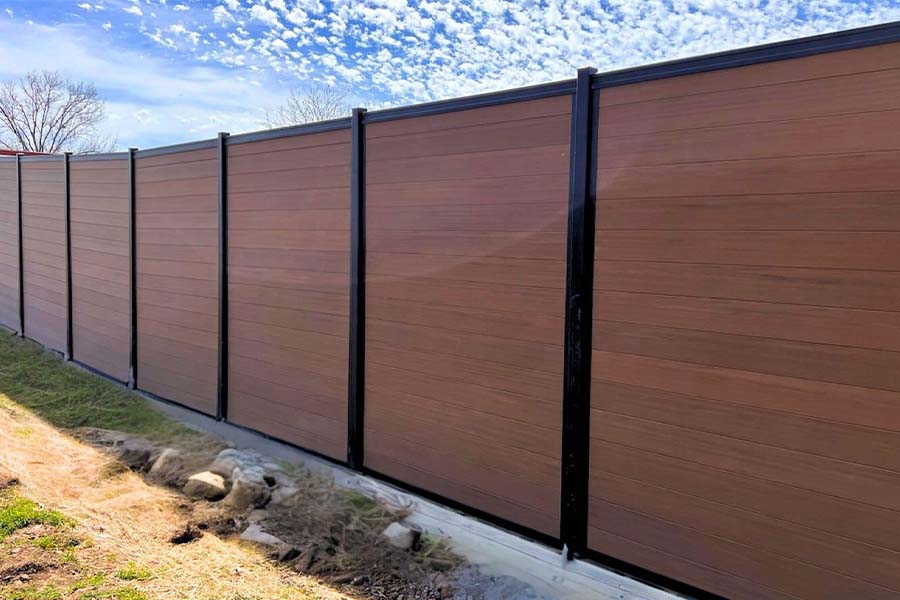
Credit: www.fencetrac.com
Redwood Fences
Redwood fences bring a warm, natural look to any outdoor space. They stand out with their beautiful colors and smooth texture. Redwood is a popular choice for fences due to its balance of strength and beauty. It creates a welcoming atmosphere and can last many years with proper care.
Durability And Strength
Redwood is strong and resists decay well. It holds up against insects and weather changes. Its natural oils protect the wood. This strength helps fences stay sturdy over time. Redwood fences can handle rain, sun, and wind without warping.
Rich Color Variations
Redwood comes in colors from light pink to deep red. These shades add warmth and charm to your yard. The color changes slightly as it ages, gaining a soft silver-gray tone. This natural beauty makes each fence unique.
Environmental Impact
Redwood is often harvested from sustainable forests. Choosing redwood supports responsible forest management. It is a renewable resource with low waste in production. Using redwood helps reduce the carbon footprint of your project.
Longevity And Care
Redwood fences last for decades with simple care. Cleaning and sealing keep the wood healthy. Regular checks for damage prevent bigger problems. A well-maintained redwood fence will stay strong and beautiful for years.
Pine Fences
Pine fences offer a popular choice for many homeowners. Pine wood is widely available and often chosen for its natural beauty. It has a light color that can fit many outdoor styles. Pine can be stained or painted to match any look. The wood is soft, making it easy to cut and install. Pine fences provide an affordable option without sacrificing style. This wood type adapts well to various fence designs and treatments.
Cost-effectiveness
Pine wood is one of the most budget-friendly fencing materials. It costs less than cedar, redwood, or ipe. This makes pine an excellent choice for large fence projects. You get good value without spending a lot. Pine fences allow you to cover more ground on a smaller budget. The affordable price makes pine a top pick for many homeowners.
Pressure-treated Options
Pressure-treated pine is specially treated to resist rot and insects. This process extends the wood’s lifespan outdoors. It makes pine fences last much longer than untreated wood. Treated pine can handle moisture better and resist warping. This option works well in wet or humid climates. Pressure-treated pine offers durability at an affordable price.
Versatility In Design
Pine fences come in many styles and shapes. You can create picket fences, privacy fences, or decorative panels. Pine accepts paint and stain easily, allowing many color choices. The wood’s softness lets you shape it into unique designs. Pine fits both traditional and modern outdoor spaces. This versatility makes pine a flexible choice for any yard.
Preventing Warping And Cracking
Proper care can reduce pine’s chance of warping or cracking. Applying sealants or stains helps protect the wood from water damage. Regular maintenance keeps the fence looking good and strong. Avoiding direct ground contact prevents moisture absorption. Good installation and care extend the fence’s life and appearance.
Ipe Fences
Ipe fences offer a strong and lasting option for your outdoor space. This hardwood is known for its toughness and natural ability to resist weather. Choosing Ipe wood can change how your fence looks and how long it lasts. It also needs special care during installation. Let’s explore these key features.
Exceptional Hardness
Ipe wood is one of the hardest woods available. It can handle impacts and pressure without damage. This makes it a great choice for fences that need to stay strong over time. Ipe resists dents, scratches, and wear better than many other woods.
Natural Weather Resistance
Ipe wood naturally resists water, insects, and decay. It does not rot easily, even in wet conditions. This wood stays stable without warping or cracking. Its natural oils protect it from damage caused by rain and sun.
Color Aging Process
Ipe wood starts with a rich, dark brown color. Over time, sunlight will slowly change its color to a soft, silver-gray shade. This aging process is natural and adds a unique look to the fence. You can keep the original color with special wood treatments.
Installation Considerations
Ipe wood is dense and heavy, making it harder to work with. It requires strong tools and careful handling during installation. Pre-drilling holes is important to avoid splitting the wood. Skilled labor can ensure the fence is built securely and lasts for years.
Comparing Wood Choices
Choosing the right wood for your fence affects how it looks, feels, and lasts. Cedar, redwood, pine, and ipe are popular options. Each type has unique features that suit different needs and budgets. Understanding these differences helps you pick the best wood for your home.
Cost Differences
Pine is usually the cheapest option. It is easy to find and simple to work with. Cedar and redwood cost more than pine but less than ipe. Ipe is the most expensive because it is a hardwood with great durability. Your budget will guide your choice of wood.
Durability Comparison
Ipe is the toughest wood. It can resist insects and weather for many years. Cedar and redwood last long but need more care. Pine is less durable and can rot quickly if untreated. Choosing wood with the right durability saves money on repairs.
Aesthetic Appeal
Cedar and redwood have rich, warm colors that many homeowners love. Pine has a lighter look and can be painted easily. Ipe offers a dark, exotic appearance that stands out. Each wood type creates a different style for your fence.
Maintenance Requirements
Pine requires regular sealing to avoid damage. Cedar and redwood need less frequent treatment but benefit from it. Ipe requires the least maintenance but is harder to work with. Knowing maintenance needs helps keep your fence looking good longer.
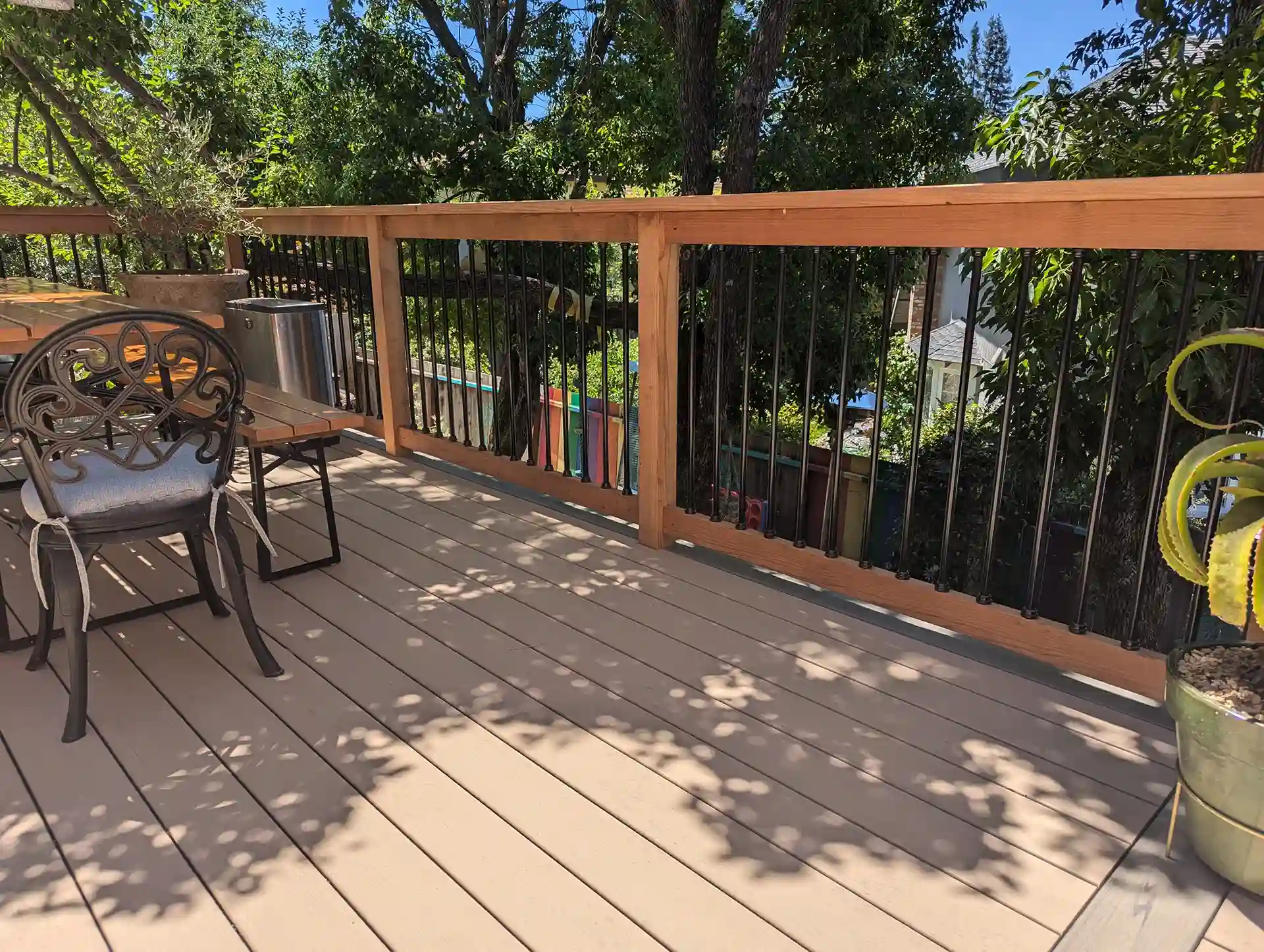
Credit: farrarconstruction.com
Choosing The Right Wood
Choosing the right wood for your fence is an important step. It affects how your fence looks, feels, and how long it lasts. Different woods have unique qualities. Some are strong and last long, while others offer a natural charm. Understanding key factors helps you pick the best wood for your needs.
Climate Considerations
Wood reacts to weather conditions. Some woods handle moisture well. Others resist heat or cold better. Cedar and redwood resist rot in wet climates. Pine needs treatment in moist areas. Ipe stands up to harsh sun and rain. Choose wood that suits your local weather.
Budget Constraints
Wood prices vary widely. Pine is usually the cheapest option. Cedar and redwood cost more but last longer. Ipe is the most expensive but very durable. Balance your budget with the wood’s lifespan. Spending more upfront can save money later.
Desired Fence Style
Wood type affects fence design and look. Cedar and redwood have a warm, natural color. Pine can be painted any color you want. Ipe offers a rich, dark tone and smooth finish. Choose wood that matches your style and home design.
Long-term Value
Think about how long the fence will last. Durable woods need less repair and replacement. Ipe and redwood resist insects and decay. Cedar offers good protection and beauty. Pine may require frequent maintenance. Choose wood that gives lasting value.

Credit: homeguide.com
Frequently Asked Questions
What Are The Main Differences Between Cedar And Redwood Fences?
Cedar is lighter and has a pleasant smell, while redwood is richer in color and more durable. Both resist rot well but redwood usually lasts longer outdoors.
How Does Pine Wood Affect The Lifespan Of A Fence?
Pine fences are affordable but less durable without treatment. They need regular sealing to resist insects and weather damage.
Why Choose Ipe Wood For Outdoor Fencing?
Ipe is extremely hard and lasts over 25 years without much maintenance. It resists decay, insects, and harsh weather better than most woods.
How Does Wood Choice Impact The Look Of A Fence?
Different woods offer unique colors and textures. Cedar and redwood show warm tones, while pine is lighter and easier to paint.
What Maintenance Does Each Wood Type Require For Fences?
Cedar and redwood need occasional staining to keep color. Pine requires frequent sealing, and Ipe demands minimal upkeep due to its hardness.
Conclusion
Choosing the right wood changes your fence’s style and strength. Cedar offers a warm look and resists bugs well. Redwood brings rich color and lasts a long time. Pine is affordable but needs more care. Ipe stands out for its toughness and long life.
Think about your budget, climate, and how much upkeep you want. The wood you pick shapes how your fence looks and how long it stays strong. Make your choice based on what fits your needs best.