What happens when you start styling bookshelves like a designer? Suddenly, your space feels more inviting, organized, and truly reflects your personality.
You don’t just have a shelf full of books anymore—you have a stunning display that catches the eye and sparks conversation. Imagine walking into a room where every item on your shelf looks carefully chosen and perfectly placed. That’s the power of good styling.
Keep reading, and you’ll discover simple tricks that make your bookshelves look effortlessly stylish, turning your everyday shelves into a focal point that wows everyone who sees them.
Credit: www.homedepot.com
Choosing The Right Bookshelf
Choosing the right bookshelf is the first step to styling it like a designer. The perfect bookshelf fits your space and style. It should hold your books and display your treasures well. The right choice makes your room look balanced and inviting.
Size And Scale Matters
Pick a bookshelf that fits your room size. A tall bookshelf can fill a big empty wall. Small shelves work better in cozy spaces. Think about the height and width. It should not block windows or doors. Balance the shelf size with other furniture.
Material And Finish Options
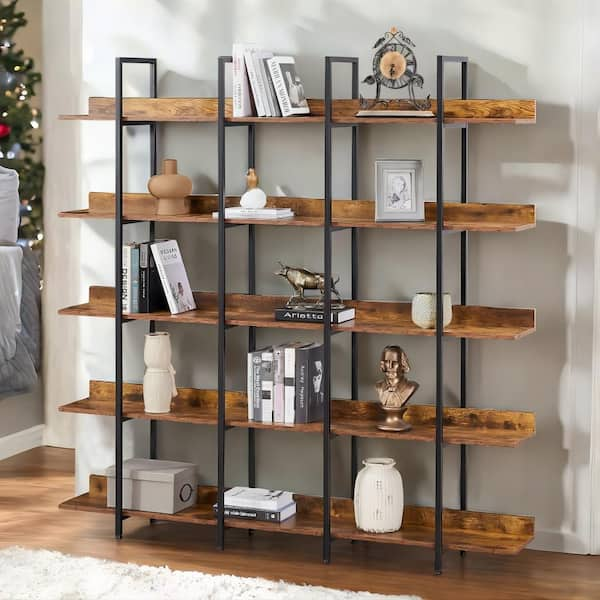
Bookshelves come in many materials like wood, metal, and glass. Wood adds warmth and looks classic. Metal gives a modern and sleek feel. Glass shelves feel light and open. Choose a finish that matches your room style. Matte, glossy, or natural wood tones all change the look.
Open Vs Closed Shelving
Open shelves show off your books and decor. They make the room feel airy. Closed shelves hide clutter and protect items. Use doors or drawers for hidden storage. Mixing open and closed shelves adds style and function. Think about what you want to display or hide.
Selecting Books And Items To Display
Selecting books and items to display on your bookshelf changes the entire look. It is not just about filling shelves. Thoughtful choices create balance and interest. Bookshelves become a reflection of style and personality.
Choosing the right mix of books and objects makes the space inviting. It also shows attention to detail. Each piece should add value or beauty to the shelf.
Mixing Vertical And Horizontal Stacks
Stack some books vertically and others horizontally. This breaks the monotony of rows. Horizontal stacks create little platforms for other items.
Use different heights and thicknesses to add rhythm. This makes the shelf feel dynamic and less crowded. It also helps highlight special books or items.
Incorporating Decorative Objects
Add small decorative objects to bring life to the shelf. Vases, candles, or small plants work well. They create visual breaks between books.
Objects with different shapes and textures add depth. This makes the shelf more interesting to look at. Keep items minimal to avoid clutter.
Balancing Books With Personal Items
Mix books with personal items like photos or souvenirs. This adds character and tells your story. Personal items make the shelf unique and meaningful.
Balance is key. Avoid overcrowding by spacing items evenly. This keeps the shelf organized and pleasing to the eye.
Creating Visual Interest
Creating visual interest on your bookshelf transforms it from plain storage to a striking display. It draws eyes and keeps people curious about what’s next. This style invites personality and charm into your space. Simple steps make shelves lively and balanced without clutter.
Focus on variety and balance in shapes, colors, and materials. Use different objects that tell a story or reflect your taste. Each shelf becomes a small scene that adds energy to the room.
Playing With Color And Texture
Color catches attention immediately. Mix soft and bold hues for a rich look. Bright books, colored vases, or painted boxes can break up neutral tones. Texture adds depth. Rough wood, smooth glass, and soft fabric create contrast. Use these to make shelves feel warm and inviting. Experiment with small groups of similar colors or textures to keep harmony.
Using Art And Photos
Art and photos add a personal touch. Place framed prints or small canvases among books. Lean pictures against the back of the shelf to create layers. Black and white photos add elegance, while colorful art brings energy. Rotate pieces often to keep things fresh. These elements show your personality and spark conversation.
Adding Greenery And Natural Elements
Plants bring life to any shelf. Small potted plants or succulents fit well in tight spaces. Green leaves soften hard lines and add calmness. Natural elements like stones, shells, or wood pieces add texture and interest. They connect your shelves to nature and make the area feel cozy. Choose items that suit your style for a balanced look.

Credit: roomfortuesday.com
Arranging For Function And Style
Styling bookshelves is more than just placing books on a shelf. It blends function and style, making the space both useful and beautiful. A well-arranged bookshelf helps you find what you need quickly. It also adds charm and personality to the room.
Designers use specific techniques to create a look that feels natural and balanced. These methods help keep the shelf organized and visually appealing. Let’s explore some key ways to arrange bookshelves like a pro.
Layering Techniques
Layering adds depth and interest to your shelves. Start with larger items at the back, like big books or art pieces. Place smaller objects in front. Mix textures and shapes to make the shelf lively. Use stacks of books as bases for decorative items. This keeps the arrangement dynamic and engaging.
Maintaining Balance And Symmetry
Balance keeps your bookshelf from looking messy or heavy on one side. Spread items evenly across the shelves. Symmetry means matching items on both sides for a neat look. Balance does not mean everything must be the same. Asymmetrical balance can look natural and stylish. Change sizes and colors to achieve harmony.
Allowing Breathing Space
Space between objects helps each piece stand out. Avoid filling every inch of the shelf. Empty spaces give your eyes a place to rest. This makes the shelf feel clean and organized. Leave gaps around items to highlight their shape and color. Breathing space stops the shelf from feeling cluttered.
Lighting Your Bookshelf
Lighting your bookshelf changes how it looks and feels. It can make your books and decor stand out. Good lighting adds warmth and style to your space. It helps create a cozy, inviting atmosphere.
Choosing the right lighting can bring your bookshelf to life. Small details matter. The right light can highlight your favorite items and make the whole room brighter. You don’t need fancy tools, just smart choices.
Choosing The Right Lighting Fixtures
Pick lights that fit your bookshelf size and style. LED strip lights are thin and easy to hide. They give a soft, even glow. Spotlights or puck lights focus on small areas. They work well for showing special objects.
Think about the color temperature too. Warm light feels cozy. Cool light looks modern and clean. Choose based on your room’s mood. Avoid harsh or bright lights that cause glare.
Highlighting Key Areas
Use light to draw attention to your best books and decor. Place lights above or below shelves for a glowing effect. Light corners or unique shapes to add depth. Highlighting creates a visual path for the eyes.
Don’t light the whole shelf equally. Focus on parts that tell a story. This makes your bookshelf more interesting and personal.
Using Ambient Vs Task Lighting
Ambient lighting sets the room’s overall mood. It makes your space feel warm and inviting. Use soft lights around the bookshelf for this effect. Task lighting is brighter and focused. It helps you read or find books easily.
Mix both types for balance. Ambient light for atmosphere. Task light for function. This combo keeps your bookshelf stylish and useful.
Maintaining And Updating Your Shelf
Styling bookshelves like a designer is only the first step. Keeping them fresh and attractive needs effort. Regular care helps your shelves stay neat and inviting. Small updates can change the whole look without stress. Maintain your shelf to keep its charm over time.
Regular Decluttering
Clear out items that no longer fit your style. Remove dust and dirt to keep everything bright. Sort books and objects by size or color. A clean shelf feels calm and organized. Decluttering often stops clutter from piling up.
Seasonal Styling Tips
Change decorations to match the seasons. Use light colors and fresh flowers in spring. Warm tones and cozy objects work well in fall. Small swaps make your shelf feel new each season. Seasonal touches keep your space lively and fun.
Incorporating Trends Without Overhaul
Add trendy items like vases or art pieces. Mix new styles with your existing decor. Avoid replacing everything to save time and money. A few trend pieces can brighten the shelf. This way, your shelf stays stylish and personal.

Credit: chrislovesjulia.com
Frequently Asked Questions
What Are The First Steps To Style Bookshelves Like A Designer?
Start by clearing the shelves and sorting your books by size or color. Add decorative items like plants or art pieces to create balance and interest.
How Do Designers Choose Items To Display On Bookshelves?
Designers mix books with objects of different shapes and textures. This mix adds depth and makes the shelves look inviting and personal.
Can Styling Bookshelves Improve A Room’s Overall Look?
Yes, styled shelves become a focal point and add personality to the room. They also make the space feel organized and cozy.
What Common Mistakes Should I Avoid When Styling Bookshelves?
Avoid overcrowding or leaving shelves too empty. Keep a good balance between books and decorative pieces for a neat look.
How Often Should I Update My Styled Bookshelf?
Refresh your bookshelf every few months to keep it fresh and interesting. Change items or rearrange to reflect new tastes or seasons.
Conclusion
Styling bookshelves like a designer changes the whole room’s feel. It makes spaces look neat and inviting. You can mix books, art, and plants for balance. Small details bring personality and charm to your shelves. It’s fun to try new layouts and ideas.
Over time, your shelves will tell your story. Start simple, then add pieces that show who you are. Enjoy the process and see how your room transforms.