
Imagine turning your backyard into a magical place where your kids can explore, learn, and play all at once. With your mud kitchen setup, you have the perfect chance to create an unforgettable sensory experience that sparks creativity and curiosity.
You’ll discover simple ways to engage every sense—touch, smell, sight, sound, and even taste—making playtime richer and more exciting. Ready to dive in and transform your mud kitchen into the ultimate sensory playground? Keep reading to find out how you can make this happen effortlessly.

Credit: backwoodsmama.com
Choosing The Perfect Location
Choosing the perfect location for your mud kitchen is key to a fun and safe sensory experience. The right spot helps kids explore freely while keeping them safe and comfortable. It also makes cleaning up easier. Think about the space, safety, and comfort before setting up.
Assessing Space And Safety
Pick a place with enough room for kids to move and play. Avoid tight corners or busy walkways. Check the ground for sharp objects or uneven spots. A flat, soft surface is best for play and safety. Keep the area away from roads or driveways. Make sure the mud kitchen won’t block any exits or pathways.
Considering Accessibility And Shade
Choose a spot easy to reach for kids of all ages. It should be close to water for washing hands and tools. Shade is important to protect from sunburn during long play sessions. Trees or a canopy work well to keep the area cool. This helps children stay comfortable and enjoy their sensory play longer.

Credit: www.tinylandus.com
Essential Mud Kitchen Components
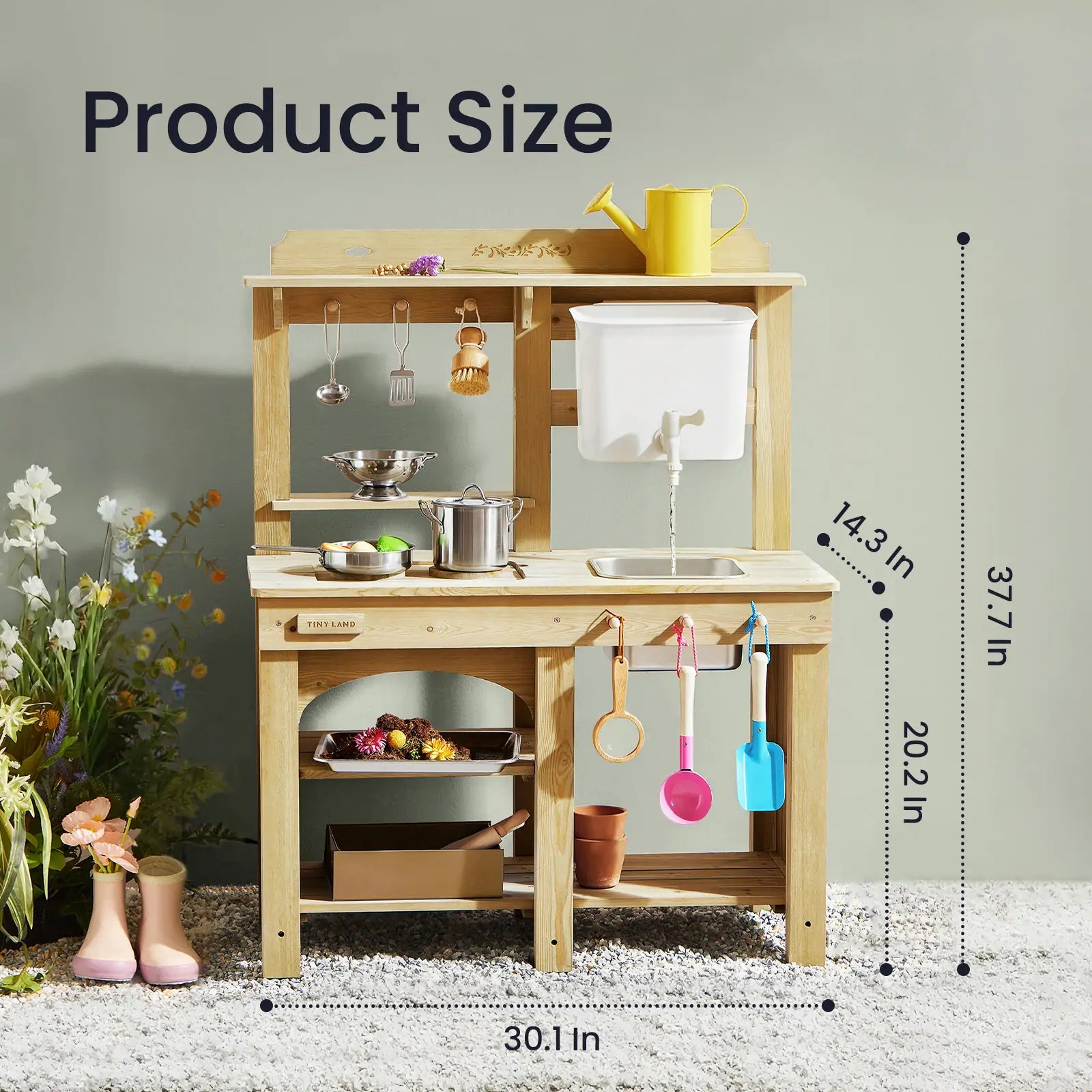
Creating a mud kitchen is a fun way to help children explore nature and their senses. The right components make the experience safe and exciting. Each part plays a role in encouraging creativity and hands-on learning. Choose items that last through weather and play. Add features that bring water and mud together. Include spots for pretend cooking and storing tools. These key components turn a simple setup into a sensory adventure.
Selecting Durable Materials
Choose materials that stand up to outdoor use. Wood treated for weather or recycled plastic works well. Avoid materials that splinter or break easily. Smooth surfaces prevent splinters and keep kids safe. Durable materials reduce maintenance and last longer. They keep the mud kitchen looking good through seasons.
Incorporating Water Features
Water adds a sensory element that kids love. A small sink or water pump is perfect. Water helps mix mud and creates different textures. Make sure the water source is easy to use and clean. Use containers that hold water without leaking. Water features encourage messy play and learning.
Adding Cooking And Storage Elements
Include shelves, hooks, and bins for tools and ingredients. Pots, pans, spoons, and cups spark imaginative cooking. Storage keeps items organized and easy to find. It teaches kids to care for their play space. Cooking tools should be safe and child-sized. These elements make the kitchen feel real and fun.
Stimulating The Senses
Creating a mud kitchen is more than just play. It is a rich sensory adventure. Kids learn best by using their senses. Touch, sight, and sound spark curiosity. A well-planned setup makes these senses come alive. This section guides you through crafting an exciting sensory space.
Textures And Natural Elements
Feel is the first sense that children explore in a mud kitchen. Different textures invite hands to discover. Rough tree bark, smooth pebbles, soft moss, and sticky mud all add variety. Using natural elements creates a connection to nature. It also teaches children about the world around them.
Include bowls of sand, water, and soil for mixing. Branches and leaves can be tools or decorations. These items encourage imagination and tactile learning. The variety helps build fine motor skills and sensory understanding.
Colors And Visual Appeal
Color catches the eye and holds attention. Bright flowers, colorful stones, and painted pots make the space inviting. Using a mix of natural and vibrant colors sparks creativity. It also helps kids recognize and name colors.
Arrange items so they are easy to see and reach. Patterns in nature, like leaf veins or rock shapes, add visual interest. Changing colors with seasons keeps the mud kitchen fresh and exciting.
Sounds And Movement
Sound adds another layer to the sensory play. Water dripping, leaves rustling, and sticks tapping create natural music. Wind chimes or small bells can add gentle tones.
Movement encourages interaction. Hanging mobiles or swaying plants make the kitchen dynamic. Children learn cause and effect when they touch or move items. This sensory mix helps them stay focused and engaged.
Creative Play Ideas
Creative play sparks imagination and makes the mud kitchen fun. It helps kids explore textures, colors, and shapes while learning new skills. Using simple ideas, children can enjoy endless hours of sensory play. This section shares easy ways to boost creativity in your mud kitchen setup.
Themed Mud Recipes
Create mud recipes with fun themes like “mud pies” or “mud soup.” Kids mix dirt, water, leaves, and flowers to make pretend meals. Change themes often to keep interest alive. Let children name their recipes and describe the flavors. This activity boosts language skills and creativity.
Role-playing Scenarios
Encourage kids to act out roles using the mud kitchen. They can pretend to be chefs, gardeners, or bakers. Role-playing helps develop social skills and imagination. Provide simple props like old pots, spoons, and bowls. Kids enjoy creating stories and solving problems during play.
Collaborative Group Activities
Invite friends or siblings to play together in the mud kitchen. Group activities teach sharing, teamwork, and communication. Children can build mud castles, cook together, or plan a mud market. Working as a team makes playtime more exciting and social.
Safety And Cleanliness Tips
Creating a safe and clean mud kitchen space is important for fun and healthy play. Kids explore with all their senses here. Keeping things tidy helps avoid germs and accidents. Safety rules make the experience enjoyable for everyone involved.
Hygiene Practices
Wash hands before and after play sessions. Use clean water for mixing mud and other materials. Keep a cloth or wipes nearby to clean faces and hands. Avoid putting mud or tools in the mouth. Regularly clean the kitchen area to stop dirt build-up.
Safe Materials And Tools
Choose tools made from non-toxic materials like wood or BPA-free plastic. Avoid sharp or broken items that could cause cuts. Use natural ingredients such as soil, water, leaves, and sand. Check mud for harmful objects like glass or stones before play. Replace worn-out tools promptly to maintain safety.
Supervision Guidelines
Always watch children during mud kitchen play. Stay close to help if a problem arises. Teach kids not to throw mud or use tools roughly. Encourage gentle play and sharing with others. Set clear rules about safe behavior around the kitchen area.
Involving All Ages
Planning a mud kitchen that welcomes everyone is key to a fun, sensory-rich experience. Kids of all ages enjoy exploring textures, smells, and colors in the mud kitchen. Each age group has different needs and skills. Adjusting activities keeps everyone interested and safe. Family involvement adds joy and learning opportunities. Here’s how to include all ages in your mud kitchen setup.
Adapting Activities For Toddlers
Toddlers need simple, safe activities. Use shallow containers and soft tools. Let them scoop, pour, and pat the mud. Avoid small parts they can swallow. Focus on touch and smell to spark curiosity. Use natural items like leaves and flowers for easy discovery. Keep sessions short to match their attention span. Offer lots of praise to build confidence.
Engaging Older Children
Older kids enjoy more detailed tasks. Encourage them to create mud pies, shapes, or pretend meals. Add tools like spoons, strainers, or small pots. Let them experiment with mixing and layering. Introduce simple challenges like measuring or comparing textures. This boosts creativity and problem-solving skills. Encourage storytelling around their mud creations to deepen engagement.
Family Participation
Family members bring energy and ideas to the mud kitchen. Parents and siblings can join in cooking games or mud art projects. Adults model safe and respectful play. Share tasks like gathering materials or cleaning up. Group activities build teamwork and communication. Family fun strengthens bonds and makes sensory play more memorable.
Maintaining And Upgrading Your Setup
Maintaining and upgrading your mud kitchen setup keeps it fun and safe. Regular care helps your kitchen last longer. Small upgrades make playtime more exciting. This section explains how to care for and improve your mud kitchen.
Regular Cleaning And Repairs
Clean your mud kitchen after each use. Use warm water and mild soap to wash surfaces. Remove dirt and food bits to stop mold. Check for loose screws or broken parts. Fix small problems quickly to avoid bigger damage. Dry everything well to prevent wood from rotting. Regular cleaning keeps your kitchen safe and inviting.
Seasonal Adjustments
Change your mud kitchen setup with the seasons. Cover it or move it indoors during winter. Protect wood with a weatherproof sealant. Remove or add accessories based on the weather. Keep water containers empty in freezing temperatures. Seasonal care protects your kitchen from harsh weather. It also keeps playtime comfortable all year.
Adding New Features
Add new tools and items to keep play fresh. Include simple kitchen utensils like spoons and bowls. Add a chalkboard or small shelves for organization. Introduce natural elements like leaves, stones, or flowers. Think about sensory items like sand or water trays. New features invite creativity and learning. They make your mud kitchen a favorite spot.
Credit: www.tinylandus.com
Frequently Asked Questions
What Materials Enhance Sensory Play In A Mud Kitchen?
Natural items like leaves, stones, and water boost sensory experiences. Different textures and smells keep children interested and curious.
How To Set Up A Mud Kitchen For All Seasons?
Choose weatherproof materials and add covers to protect the kitchen. Rotate play items to suit each season’s sensory themes.
What Safety Tips Apply To Mud Kitchen Sensory Play?
Use clean soil and wash hands after play. Avoid sharp tools and check the play area for hazards regularly.
How Can Sensory Play Aid Child Development In Mud Kitchens?
Sensory play improves motor skills, creativity, and problem-solving. It also helps children explore the world with their senses.
What Simple Tools Work Best In A Mud Kitchen Setup?
Basic tools like spoons, cups, and small containers work well. They encourage mixing, pouring, and imaginative cooking play.
Conclusion
Creating a sensory-rich mud kitchen sparks fun and learning. Kids explore textures, smells, and sounds every time they play. This hands-on experience helps develop creativity and focus. It also encourages teamwork and sharing among friends. Keep the setup simple and safe for best results.
Regularly update materials to keep interest alive. Watch children enjoy nature and grow through play. A well-planned mud kitchen offers endless joyful moments outdoors.