
Is your Whirlpool fridge not cooling like it used to? You rely on your fridge every day to keep your food fresh and drinks cold.
When it stops working properly, it can cause frustration and even spoil your groceries. Understanding why your Whirlpool fridge isn’t cooling is the first step to fixing the problem quickly. You’ll discover the common reasons behind this issue and simple solutions you can try right now.
Keep reading to save your fridge—and your food!
Common Causes Of Cooling Issues
Whirlpool fridges can stop cooling for several simple reasons. Knowing these causes helps fix problems quickly. Many issues happen due to small faults or lack of cleaning. Understanding common causes saves time and money.
Some problems come from power supply issues. Others relate to dirty parts inside the fridge. Sometimes, the thermostat or air vents cause trouble. Even door seals can affect cooling. Let’s explore these causes in detail.
Power Supply Problems
A fridge needs steady power to work well. Loose plugs or faulty outlets can stop cooling. Power surges may damage internal parts. Check the power source first if the fridge is warm.
Dirty Condenser Coils
Condenser coils release heat from the fridge. Dust and dirt block these coils. Blocked coils make the fridge work harder and cool less. Cleaning coils often improves cooling quickly.
Faulty Thermostat
The thermostat controls the fridge temperature. A broken thermostat gives wrong signals. This causes the fridge to stop cooling or overcool. Testing and replacing a bad thermostat fixes cooling issues.
Blocked Air Vents
Air vents let cold air flow inside the fridge. Food or ice can block vents. Blocked vents stop cold air from spreading evenly. Clear vents to restore proper cooling.
Door Seal Damage
Door seals keep cold air inside the fridge. Torn or worn seals let warm air enter. Warm air raises the temperature inside. Replace damaged seals to keep the fridge cold.

Credit: www.hillcountryrepairs.com
Diagnosing The Problem
Diagnosing why a Whirlpool fridge is not cooling starts with a clear check of its parts. This process helps find the root cause quickly. You can avoid costly repairs by spotting simple issues early.
Checking Temperature Settings
Start by checking the fridge’s temperature controls. Sometimes, settings change by accident. Ensure the fridge is set to the right temperature, usually between 37°F and 40°F (3°C to 4°C). A wrong setting can stop cooling.
Inspecting The Compressor
The compressor pumps the refrigerant to cool the fridge. Feel the back of the fridge for warmth near the compressor. It should run quietly and steadily. A hot or noisy compressor may mean it is failing.
Listening For Unusual Noises
Strange sounds can signal a problem. Listen for clicking, buzzing, or humming noises. These may come from the compressor or fan motors. Unusual noise often means parts need repair or replacement.
Examining The Evaporator Fan
The evaporator fan moves cold air inside the fridge. Open the fridge and listen for the fan running. If it is silent or making noise, it might be broken. A faulty fan stops cold air circulation and cooling.
Quick Fixes To Try At Home
Whirlpool fridge not cooling? Some simple fixes might solve the problem fast. Try these quick steps at home before calling a technician. These easy checks often restore your fridge’s cool without much hassle.
Resetting The Fridge
Unplug your Whirlpool fridge for about 5 minutes. This resets the internal computer and clears minor errors. Plug it back in and wait to see if it cools properly. Sometimes, a simple reset fixes the cooling issue.
Cleaning The Condenser Coils
Dust and dirt on condenser coils block heat release. Locate the coils, usually at the back or bottom of the fridge. Use a soft brush or vacuum to clean them carefully. Clean coils help your fridge cool efficiently.
Replacing The Door Gasket
A worn-out door gasket lets cold air escape. Check the gasket for cracks or tears. Replace it with a new gasket to seal the door tightly. A good seal keeps the fridge cold and saves energy.
Unblocking Air Vents
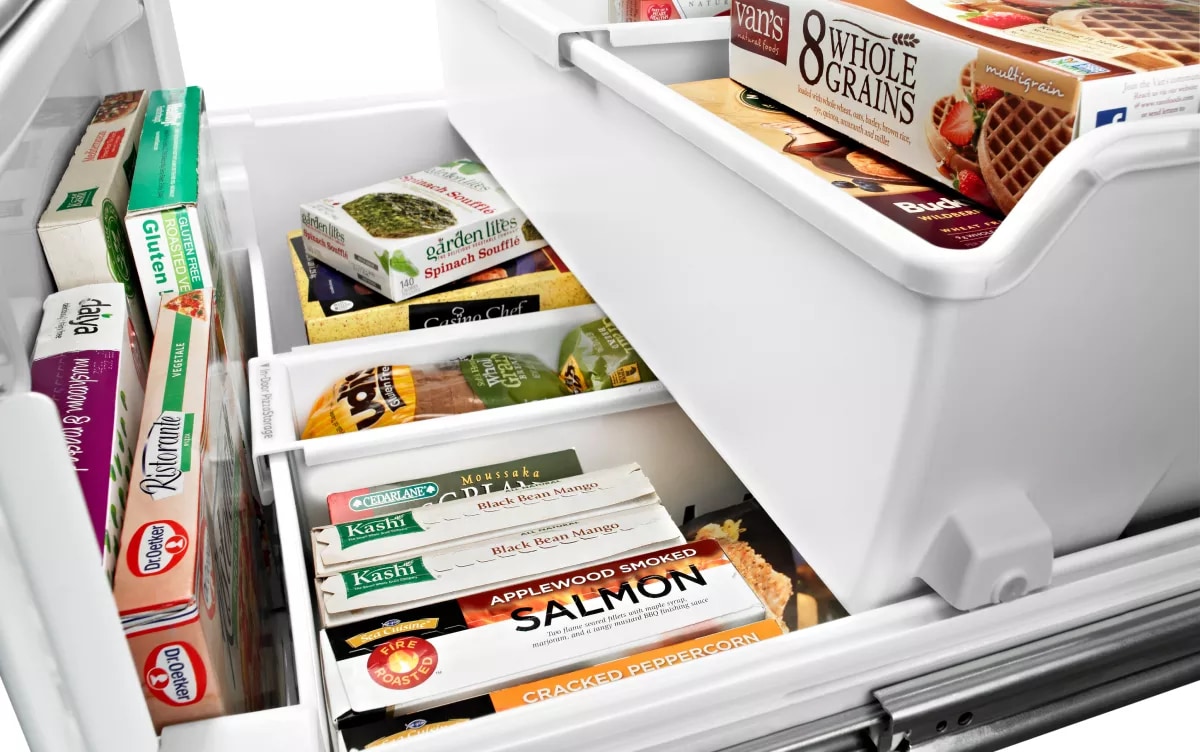
Cold air flows through vents inside the fridge. Items blocking these vents stop cold air from circulating. Move food away from vents to clear the airflow. Clear vents help maintain even cooling inside.
Credit: www.whirlpool.com
When To Call A Professional
Knowing when to call a professional for your Whirlpool fridge is important. Some problems need expert help. Trying to fix complex issues alone can cause more damage. Professionals have the right tools and knowledge to fix your fridge safely and quickly.
Compressor Replacement Needs
The compressor is the fridge’s heart. It pumps refrigerant to keep things cold. If the compressor fails, the fridge stops cooling. This part is hard to fix without special tools. A professional can test and replace the compressor properly. Don’t try to replace it yourself.
Refrigerant Leak Repairs
Refrigerant leaks reduce cooling power. The leak is often hard to find. Only certified technicians can safely handle refrigerant. They will locate and fix leaks with proper equipment. Handling refrigerant without training can be dangerous and illegal.
Thermostat Or Sensor Issues
Thermostats and sensors control the fridge’s temperature. Faulty parts can cause inconsistent cooling. Professionals can test these parts accurately. They know how to replace them without harming other components. Wrong repairs can lead to bigger problems later.
Preventive Maintenance Tips
Preventive maintenance keeps your Whirlpool fridge running well. It helps avoid cooling problems and saves repair costs. Simple daily care can extend your fridge’s life. Follow these easy tips to keep your fridge cool and fresh.
Regular Cleaning Schedule
Clean the fridge regularly to remove dust and dirt. Wipe shelves, walls, and door seals with a damp cloth. Clean the condenser coils twice a year to improve cooling. Dusty coils make the fridge work harder and get warm.
Proper Temperature Settings
Set the fridge temperature between 37°F and 40°F (3°C to 4°C). Freezer should be at 0°F (-18°C). Temperatures too high reduce cooling. Too low can freeze food and waste energy. Check settings monthly to keep them correct.
Avoiding Overloading
Do not overfill your fridge with food. Overloading blocks air flow inside the fridge. Poor air circulation causes uneven cooling. Leave space between items for cold air to move freely. Organize food properly for best cooling results.
Ensuring Adequate Ventilation
Place the fridge away from walls and heat sources. Leave at least two inches of space around it. Good ventilation helps the fridge release heat. Avoid putting it near ovens or direct sunlight. Proper airflow prevents the fridge from overheating.
Credit: www.youtube.com
Frequently Asked Questions
Why Is My Whirlpool Fridge Not Cooling Properly?
A dirty condenser coil or blocked vents can stop cooling. Check and clean these parts first.
Can A Faulty Thermostat Cause Cooling Issues In Whirlpool Fridge?
Yes, a broken thermostat can prevent the fridge from reaching the right temperature.
How Does A Damaged Door Seal Affect Whirlpool Fridge Cooling?
A bad door seal lets cold air out, making the fridge warm inside.
Could A Malfunctioning Compressor Stop My Whirlpool Fridge From Cooling?
Yes, the compressor pumps coolant. If it fails, the fridge won’t cool.
Does Overloading The Fridge Impact Whirlpool Cooling Performance?
Too much food blocks air flow. This can cause uneven or no cooling.
Conclusion
A Whirlpool fridge not cooling can disrupt daily life. Check basic issues like power and temperature settings first. Clean the coils and ensure proper airflow inside. Sometimes, a simple reset or defrost helps. If problems persist, calling a technician is wise.
Regular care keeps your fridge working well. Don’t ignore early signs to avoid bigger repairs. Stay attentive to maintain your fridge’s cooling power. Small steps save time and money in the long run.