
Are you struggling with your Peloton resistance knob not working? It’s frustrating when you want to push harder in your workout but the resistance won’t budge.
You rely on your Peloton to keep your fitness on track, and when the resistance knob fails, it can throw everything off. Don’t worry—this problem is more common than you think, and there are simple steps you can take to fix it.
Keep reading to discover why your resistance knob might be stuck and how you can get it working smoothly again.

Credit: www.youtube.com
Common Causes Of Resistance Knob Issues
The Peloton resistance knob controls how hard your workout feels. Sometimes, this knob stops working properly. This issue can slow down your exercise or stop it completely. Many reasons cause resistance knob problems. Understanding these causes helps you fix the problem faster.
Wear And Tear
Over time, the resistance knob parts wear out. Constant turning causes friction and damage. The knob may feel loose or fail to change resistance. Dirt and sweat can also cause the knob to stick. Regular use leads to natural wear and tear.
Loose Connections
The knob connects to the bike’s resistance system. These connections can become loose or disconnected. Loose wires stop the knob from sending signals. This makes the resistance stay the same. Checking and tightening connections often solves the problem.
Internal Damage
Inside the resistance system, parts can break or fail. The resistance mechanism may have cracks or worn components. Damage inside stops the knob from working smoothly. This kind of problem needs careful inspection and repair. Internal damage is common after heavy use or accidents.

Credit: www.reddit.com
Quick Troubleshooting Steps
Peloton resistance knob not working can stop your workout. Quick troubleshooting steps help find the problem fast. These simple checks can fix the issue or tell you if you need help.
Try these easy steps before calling support or buying parts. They save time and get your bike working again.
Check The Knob Position
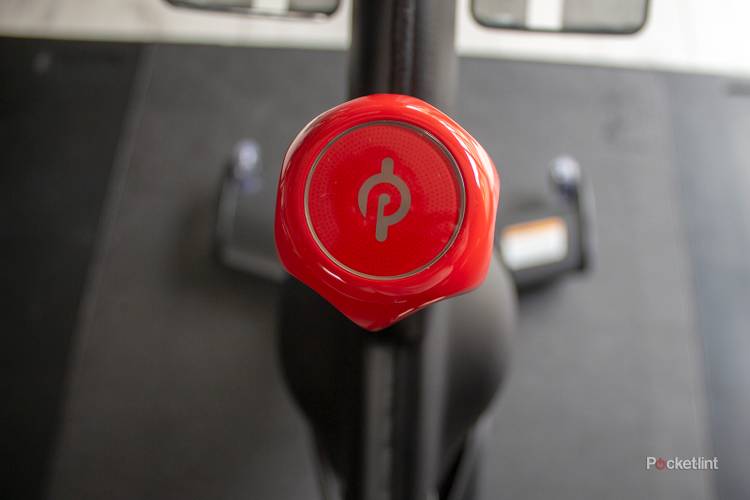
Make sure the resistance knob is fully pushed in. Sometimes it pulls out and stops working. Turn the knob gently while pushing it in. You should feel it click or move smoothly.
If the knob feels loose or stuck, it might need cleaning or tightening. Dirt or dust can block the knob’s movement.
Inspect The Cable
Look at the cable connected to the resistance knob. Check for any breaks, bends, or loose parts. A damaged cable stops the resistance from changing.
Pull the cable gently to see if it moves freely. It should not be stuck or too loose. Replace the cable if it looks worn out or broken.
Test The Resistance Mechanism
Try turning the resistance knob while pedaling slowly. Notice if the bike gets harder or easier to pedal. If not, the resistance mechanism may be faulty.
Listen for any strange noises like grinding or clicking. These sounds can mean the resistance parts need repair or replacement.
Simple Fixes You Can Try
When the Peloton resistance knob stops working, simple fixes can help. You can try easy steps before calling support. These fixes often solve the issue quickly. They do not require special tools or skills. Follow these easy methods to get your bike working again.
Tighten Loose Components
Loose parts can cause the resistance knob to fail. Check the knob and nearby screws. Use a screwdriver or your hand to tighten any loose pieces. Make sure the knob fits snugly on the resistance shaft. Tighten the seat post and handlebar clamps too. Loose components affect resistance control.
Lubricate Moving Parts
Friction can block the resistance knob’s movement. Apply a small amount of lubricant to the resistance mechanism. Use bike-safe grease or silicone spray. Avoid over-lubricating, which can attract dirt. Move the knob back and forth to spread the lubricant. This keeps the parts moving smoothly and prevents sticking.
Reset The Bike
Sometimes, a simple reset fixes electronic glitches. Turn off your Peloton bike completely. Unplug it from the power source. Wait for about one minute. Plug the bike back in and turn it on. This resets the system and can restore knob function. Check if the resistance knob responds after the reset.
When To Replace Parts
Knowing when to replace parts on your Peloton bike keeps it running smoothly. Parts wear out over time. Ignoring damage can cause bigger problems. Watch for clear signs that parts need replacing. Acting fast saves time and money. Below are key points to help you decide when to replace parts.
Signs Of Severe Damage
Listen for strange noises when turning the resistance knob. Feel for stiffness or looseness that wasn’t there before. Look for cracks, breaks, or worn edges on the knob or nearby parts. The resistance may not change even after turning the knob. These signs show severe damage. Replace parts immediately to avoid injury or further damage.
Ordering Replacement Parts
Use official Peloton parts for best fit and safety. Check your bike model number before ordering. Buy parts from trusted sellers or directly from Peloton’s website. Confirm part compatibility with your bike. Keep your order details and receipts for future reference. Quick shipping helps you get back to riding faster.
Installation Tips
Turn off and unplug your bike before starting. Clean the area around the knob carefully. Use the right tools to avoid damaging parts. Follow the instructions that come with replacement parts. Test the knob gently after installation. Tighten screws but avoid over-tightening. Seek help from a professional if unsure about installation steps.
Preventive Maintenance Tips
Preventive maintenance helps keep your Peloton resistance knob working well. Regular care avoids common problems and extends the bike’s life. Small steps taken often can stop bigger issues later. Follow these tips to maintain smooth resistance control.
Regular Cleaning
Dust and sweat can build up around the resistance knob. Wipe it down with a soft, dry cloth every few days. Avoid using water or harsh chemicals on the knob. Keep the area clean to prevent dirt from blocking the mechanism.
Routine Inspections
Check the resistance knob for signs of wear or damage. Turn it slowly and listen for strange noises. Look for loose parts or cracks on the knob. Early detection allows for quick fixes before problems grow worse.
Proper Usage Practices
Turn the resistance knob gently to adjust resistance levels. Avoid forcing the knob beyond its limits. Use the knob only as instructed in the Peloton manual. Correct use reduces stress on the parts and prevents damage.
Credit: www.pocket-lint.com
Frequently Asked Questions
Why Is My Peloton Resistance Knob Not Working Properly?
The knob may be loose, worn out, or the internal mechanism might be damaged.
How Can I Fix A Stuck Peloton Resistance Knob?
Try cleaning and gently turning the knob; check for debris blocking its movement.
Can A Broken Resistance Knob Affect My Peloton Workout?
Yes, it can limit resistance control, reducing workout effectiveness and comfort.
Should I Replace Or Repair A Faulty Peloton Resistance Knob?
Replacing is often easier and ensures smooth performance over repairing old parts.
How Do I Prevent My Peloton Resistance Knob From Breaking?
Regular cleaning and gentle use help keep the knob working well for longer.
Conclusion
Troubles with your Peloton resistance knob can stop your workout. Fixing it quickly helps keep your exercise routine smooth. Check the knob, clean it, and tighten loose parts. Sometimes, small fixes make a big difference. Remember to test the knob after each step.
Regular care prevents future problems. Stay patient and follow simple steps. Your bike will work well again soon. Keep riding strong and enjoy your fitness journey.