
Is your Nilfisk pressure washer not working when you need it most? It’s frustrating to face unexpected problems with a tool you rely on for tough cleaning jobs.
But don’t worry—this guide is here to help you find quick and easy solutions. You’ll learn why your pressure washer might be acting up and what simple steps you can take to get it running smoothly again. Keep reading to save time, avoid costly repairs, and get your cleaning back on track today.
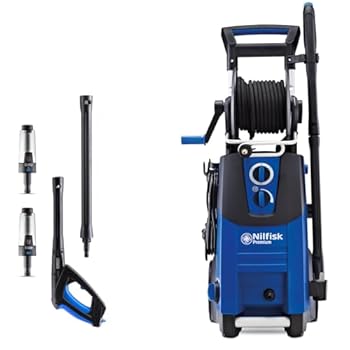
Credit: www.amazon.com.be
Common Causes Of Nilfisk Pressure Washer Issues
Nilfisk pressure washers are reliable tools for cleaning tasks. Still, they sometimes stop working properly. Understanding common causes helps fix these issues quickly. Many problems come from simple things that anyone can check. This section covers frequent reasons why a Nilfisk pressure washer may not work.
Power Supply Problems
The pressure washer needs a steady power source to run. Check the power cord for damage or loose plugs. A tripped circuit breaker or blown fuse can cut the power supply. Test the outlet with another device to be sure it works. Sometimes, the washer’s power switch or motor might have faults. Inspect these parts if the power seems fine but the washer won’t start.
Water Supply Interruptions
Water must flow freely into the pressure washer. A kinked or blocked garden hose can stop water from reaching the machine. The water tap might be closed or partially open. Low water pressure from the source can cause the washer to shut off. Always ensure the water supply is strong and steady before starting the washer.
Clogged Nozzles And Filters
Dirt and debris can clog the nozzle or filters inside the pressure washer. This blockage reduces water flow and pressure. Remove the nozzle and check for dirt or mineral build-up. Clean or replace filters regularly to keep water flowing smoothly. Clogged parts often cause uneven spray or no spray at all.
Faulty Hoses And Connections
Leaks or cracks in hoses stop the pressure washer from working well. Check all hose connections for tightness and damage. A worn-out hose may need replacement. Loose fittings let air enter the system, lowering pressure. Properly connected and intact hoses ensure the washer performs at its best.

Credit: www.amazon.com.be
Basic Troubleshooting Steps
Basic troubleshooting steps can help fix common issues with your Nilfisk pressure washer. These steps are easy to follow and do not need special tools. Start with simple checks to save time and avoid costly repairs.
These steps cover electrical connections, water flow, nozzles, filters, and hoses. Each area plays a key role in the washer’s performance. Careful inspection often reveals the problem quickly.
Checking Electrical Connections
Ensure the pressure washer is plugged into a working outlet. Check the power cord for cuts or damage. Make sure the switch is in the “on” position. Test the circuit breaker to confirm it has not tripped. Loose or faulty connections can stop the machine from starting.
Inspecting Water Flow
Confirm the water supply is turned on fully. Check the hose for kinks or blockages. Low water flow reduces pressure and can damage the pump. Use a bucket to test water flow before attaching the hose. Clear any dirt or debris that blocks water from entering.
Cleaning Nozzles And Filters
Remove the nozzle and look for clogs. Use a small brush or pin to clear dirt. Clean the water inlet filter by rinsing under running water. Clogged nozzles and filters reduce spray power. Regular cleaning keeps the washer working well.
Examining Hoses For Damage
Look over all hoses for cracks or leaks. Replace any hose that shows wear or damage. Damaged hoses cause water loss and reduce pressure. Tighten hose connections to avoid leaks. Good hoses ensure steady water flow to the washer.
Fixing Pressure Loss Problems
Pressure loss in a Nilfisk pressure washer can cause poor cleaning results. It makes the washer less powerful and harder to use. Fixing pressure loss problems improves the washer’s performance. It also extends its life and saves time. This section explains easy steps to restore proper pressure.
Adjusting Pressure Settings
Pressure settings control the washer’s power. Check the pressure dial or knob first. Turn it to a higher setting if pressure is low. Sometimes the setting is too low for the task. Adjust slowly and test spray to find the right level.
Also, inspect the spray nozzle. Smaller nozzles increase pressure but reduce flow. Larger nozzles do the opposite. Match the nozzle size with the pressure setting for best results.
Replacing Worn Seals And Valves
Seals and valves inside the pump can wear out over time. Worn parts cause leaks and reduce pressure. Look for oil leaks or unusual noises during operation. These signs show parts need replacement.
Use a repair kit made for Nilfisk models. Replace all worn seals and valves carefully. Make sure parts fit perfectly to prevent future leaks. This step restores the pump’s ability to build pressure.
Removing Airlocks
Air trapped in the system can lower pressure. Airlocks stop water flow and cause weak spray. To remove airlocks, turn off the washer and disconnect the hose. Hold the hose end down and let water flow out. This pushes trapped air out.
Reconnect the hose and start the washer. Repeat if pressure does not improve. Regularly removing airlocks keeps the system working smoothly.
Addressing Motor And Pump Issues
Motor and pump issues are common causes of Nilfisk pressure washer failures. These parts work together to create high water pressure. Problems here stop your washer from cleaning well or starting at all.
Understanding motor and pump faults helps in quick repairs. This saves time and avoids extra costs. Below, learn how to spot motor and pump problems and decide when parts need replacement.
Identifying Motor Failures
Listen for unusual noises from the motor. A humming or buzzing sound often means the motor is stuck. Check if the motor runs but the washer does not spray water. This can mean the motor spins but the pump is not working.
Look for smoke or burning smells near the motor. These signs show overheating or electrical issues. Also, test the power cord and switch for damage. Faulty wiring can stop the motor from running.
Diagnosing Pump Malfunctions
Low pressure or no pressure can indicate pump problems. Check for leaks around the pump body. Water dripping means worn seals or damaged parts inside. Feel the pump housing; it should not be too hot. Overheating may cause pump failure.
Listen for grinding or knocking sounds during operation. These noises can mean internal pump damage. Test the unloader valve to see if it moves freely. A stuck valve affects pump pressure and performance.
When To Replace Parts
Replace the motor if it does not start or makes burning smells. Repairing a burnt motor is often impossible. Change the pump if pressure stays low after cleaning filters and valves.
Leaks that continue after seal replacement mean the pump needs a new unit. Also, replace worn or broken parts that cause noises or poor performance. Using damaged parts can damage your washer further.
Maintenance Tips To Prevent Future Breakdowns
Maintaining your Nilfisk pressure washer helps avoid future breakdowns. Small care steps keep the machine working longer and better. Follow simple tips to protect your investment and save repair costs.
Regular Cleaning Routine
Clean the pressure washer after each use. Remove dirt from nozzles and filters to prevent clogging. Use fresh water to flush out soap and debris. Wipe down the machine with a soft cloth. Dry parts well before storing to stop rust.
Proper Storage Practices
Store the pressure washer in a dry, cool place. Avoid leaving it in direct sunlight or damp areas. Drain all water from hoses and pump to stop freezing damage. Keep the machine covered to protect it from dust. Store accessories neatly to avoid losing parts.
Scheduled Inspections
Check your pressure washer at set times. Look for leaks, worn hoses, or loose fittings. Test the spray gun and trigger for smooth action. Inspect the power cord and plug for safety. Fix small issues quickly to prevent bigger problems.

Credit: beyondhygiene.net
When To Seek Professional Help
Knowing when to seek professional help for your Nilfisk pressure washer saves time and money. Some issues are easy to fix, but others need expert care. Ignoring complex problems can cause more damage. Professionals have the right tools and experience. They can diagnose and repair your machine safely and correctly.
Recognizing Complex Problems
Simple issues like clogged nozzles or low pressure are fixable at home. Complex problems include strange noises, leaking oil, or electrical faults. If the washer won’t start after checking the basics, it needs expert attention. Persistent problems or sudden malfunctions also require professional help. Attempting repairs without knowledge can void warranties or worsen damage.
Finding Authorized Service Centers
Authorized service centers have trained technicians for Nilfisk products. They use genuine parts and follow manufacturer guidelines. Visit the official Nilfisk website to find a nearby center. Local dealers often provide repair services too. Choosing authorized centers ensures quality work and keeps your warranty valid.
Frequently Asked Questions
Why Is My Nilfisk Pressure Washer Not Starting?
Check the power source, fuse, and switch. Ensure the machine is plugged in properly.
How To Fix Low Water Pressure On Nilfisk Washer?
Clean the nozzle and filters. Check for blocked hoses or low water supply.
What Causes Nilfisk Pressure Washer To Stop Suddenly?
Overheating or safety shutdown might occur. Allow the machine to cool down before restarting.
How To Reset The Safety Switch On Nilfisk Washers?
Locate the reset button near the motor. Press it firmly to restart the machine.
Can A Clogged Hose Cause Nilfisk Washer Failure?
Yes, blockages reduce water flow and pressure. Clean or replace the hose to fix it.
Conclusion
Troubles with your Nilfisk pressure washer can feel frustrating. Check the power source and water supply first. Clean the filters and inspect hoses for damage. Small fixes often solve common issues quickly. Regular care helps keep your washer working well.
Don’t ignore warning signs or unusual noises. Simple steps can save time and money. Keep your equipment in good shape for longer use. Stay patient and methodical to find the problem. Your pressure washer will be back in action soon.