
Is your LG refrigerator not making ice? It’s frustrating when you expect a cold, refreshing ice cube, and nothing comes out.
You rely on your fridge to keep things cool and convenient, so when the ice maker stops working, it can disrupt your daily routine. But don’t worry—you’re not alone, and this problem is often easier to fix than you think.
You’ll discover simple steps and tips to get your ice maker back to normal quickly. Keep reading, and say goodbye to ice-free drinks for good!
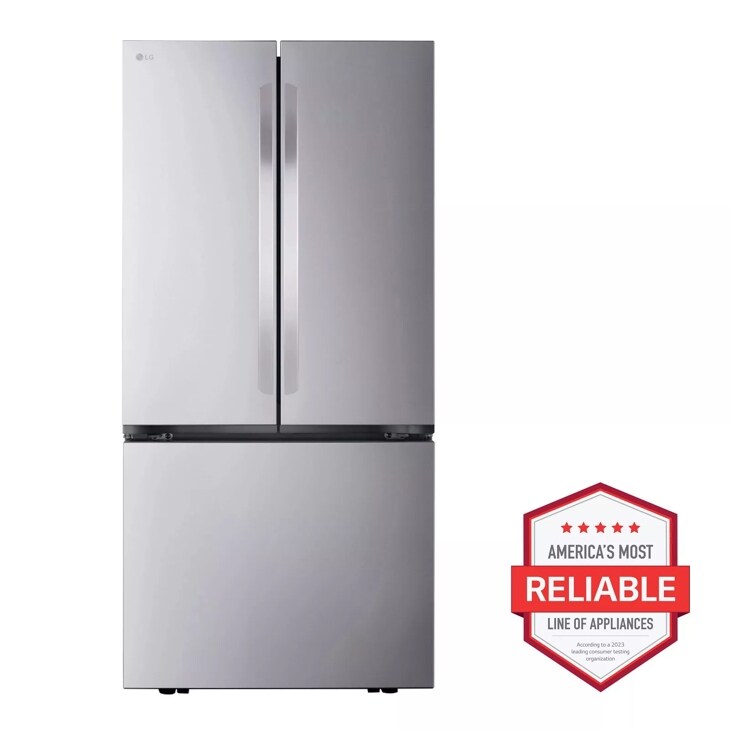
Credit: www.lg.com
Common Ice Maker Issues
Many LG refrigerator owners face ice maker problems. These issues stop the ice maker from working properly. Knowing common problems helps fix them fast.
Ice maker issues often come from simple causes. Checking these can save you time and money.
Ice Maker Not Turning On
The ice maker may not start if power is off. Check if the ice maker switch is on. Sometimes, a loose connection causes power loss. Resetting the ice maker can help in some cases. Also, ensure the freezer temperature is cold enough. Too warm stops ice making.
Water Supply Problems
The ice maker needs water to work. A blocked or kinked water line stops water flow. The water filter may be dirty or clogged. Replace the filter every six months. Low water pressure can prevent ice production too.
Frozen Water Lines
Water lines inside the freezer can freeze. Ice blocks water from reaching the ice maker. Thaw frozen lines gently to fix this. Check freezer temperature settings to avoid freezing lines again.
Faulty Ice Maker Components
Parts inside the ice maker can break or wear out. The motor or sensor may fail. A broken ejector arm stops ice from dropping. Replacing damaged parts restores ice maker function.
Quick Checks Before Repairs
Before calling a technician for your LG refrigerator not making ice, try these quick checks. Small issues often cause the problem. Fixing them may save time and money.
Inspect Water Filter
A clogged water filter can stop ice production. Check the filter for dirt or blockages. Replace it if it looks old or dirty. A clean filter helps water flow smoothly to the ice maker.
Verify Temperature Settings
Ice making needs the right temperature. Make sure the freezer is set between 0°F and 5°F (-18°C to -15°C). Higher temperatures stop ice from freezing properly.
Ensure Power Supply
The ice maker needs power to work. Check if the ice maker is turned on. Confirm the refrigerator is plugged in and the outlet works. A power cut can stop ice production immediately.
Fixing Water Supply Problems
Fixing water supply problems is key to solving ice-making issues in your LG refrigerator. Water must flow smoothly to make ice cubes. Blocked or damaged parts stop water from reaching the ice maker. This section shows simple steps to check and fix water flow problems.
Check Water Inlet Valve
The water inlet valve controls water entering the fridge. It may get stuck or fail over time. Turn off the power before checking it. Use a multimeter to test valve continuity. Replace the valve if it shows no electrical response. Clean any dirt around the valve to improve water flow.
Unclog Water Lines
Water lines carry water to the ice maker. These lines can get clogged with minerals or ice. Disconnect the lines carefully to inspect. Use warm water to flush out blockages. Avoid sharp tools that might damage the tubes. Clear lines help steady water flow and ice production.
Replace Damaged Tubing
Cracks or holes in tubing cause leaks and weak water flow. Inspect tubes for any visible damage. Replace tubes with the exact size and type. Secure connections tightly to prevent leaks. Strong tubing ensures water reaches the ice maker without issues.

Credit: www.reddit.com
Dealing With Frozen Lines
Frozen water lines can stop your LG refrigerator from making ice. Ice clogs the tubes that carry water to the ice maker. This problem is common, but it has simple solutions. Fixing frozen lines can bring back your ice quickly.
Thawing Techniques
First, unplug the refrigerator to stay safe. Use a hairdryer on low heat to warm frozen lines. Move the dryer back and forth slowly. Avoid staying too close to prevent damage. Another way is to place a bowl of warm water near the lines. Let the heat melt the ice naturally. Do not use sharp tools to break ice. This can cause leaks or break parts.
Preventing Future Freezes
Keep the freezer temperature at the right level, around 0°F (-18°C). Avoid putting warm or hot items inside. Check door seals to make sure they close tightly. A loose seal lets moisture in, causing ice build-up. Regularly clean the freezer to stop frost from building up. If frozen lines are a frequent problem, consider a water line heater. This small device keeps the water line warm and ice-free.
Replacing Ice Maker Parts
Replacing ice maker parts in an LG refrigerator can fix many ice-making problems. Small broken parts often stop the ice maker from working. Changing these parts is often easier than buying a new fridge. This saves money and gets your ice back fast.
Knowing which parts to replace helps you fix the problem quickly. Some parts wear out or stop working over time. Getting the right parts and tools is important. This guide shows how to find bad parts and replace them step-by-step.
Identifying Faulty Components
Start by checking the ice maker’s main parts. The water inlet valve controls water flow. If it is clogged or broken, no water reaches the ice tray. The ice mold heater helps release ice cubes. If it fails, cubes stick and block production.
The thermostat controls freezing cycles. A bad thermostat stops the freezing process. The motor and gears move the ice tray. If they break, ice cannot eject. Look for cracks, rust, or broken wires on these parts.
Step-by-step Replacement Guide
First, unplug the refrigerator to stay safe. Remove the ice maker cover to see inside. Take out screws holding the ice maker in place. Carefully disconnect the wiring harness to avoid damage.
Remove the faulty part you identified. Install the new part by reversing removal steps. Secure the ice maker back with screws. Reconnect the wiring harness firmly. Plug in the fridge and test the ice maker.
Wait several hours for the ice maker to cycle. Check if it produces ice normally. Repeat the process if other parts need replacement.
Maintaining Your Ice Maker
Maintaining your ice maker helps keep your LG refrigerator working well. Clean and check it often to avoid problems. This also keeps ice fresh and tastes good. A little care goes a long way in stopping ice maker issues.
Regular Cleaning Tips
Turn off the ice maker before cleaning. Use a soft cloth and warm water to wipe the ice bin. Avoid harsh chemicals that can damage parts. Clean the ice mold to remove any dirt or buildup. This stops clogs and keeps ice clear. Dry all parts well before turning the ice maker back on.
Routine Inspections
Check the water line for leaks or blockages. Make sure the ice maker is level and firmly in place. Inspect the ice mold for cracks or damage. Look at the water filter and replace it as needed. A clean filter helps ice taste better and keeps water flow steady. Regular checks catch small issues before they grow.

Credit: www.reddit.com
Frequently Asked Questions
Why Is My Lg Refrigerator Not Making Ice?
The ice maker may be off, the water line blocked, or the freezer too warm.
How Can I Fix Lg Ice Maker Not Producing Ice?
Check the water supply, reset the ice maker, and ensure the freezer is cold.
What Causes Lg Fridge Ice Maker To Stop Suddenly?
Clogged water filter, frozen water line, or faulty ice maker parts can cause this.
How Often Should I Replace The Water Filter In Lg Fridge?
Replace the water filter every 6 months to keep ice fresh and the machine working.
Can A Frozen Water Line Stop Ice Production In Lg Fridge?
Yes, a frozen water line blocks water flow and stops ice from forming.
Conclusion
Troubles with your LG refrigerator not making ice can feel frustrating. Small fixes like checking water supply or cleaning the ice maker often help. Sometimes, resetting the fridge can solve the issue quickly. Regular care keeps your ice maker working well.
Don’t ignore signs of trouble; act early to avoid bigger problems. Simple steps save time and money. Keep your fridge cold and your ice flowing smoothly. Easy to do, and worth it. Your ice will be back before you know it.