
If you own a John Deere 1600 Turbo Series 2, you know how reliable and efficient it can be. But what happens when problems start creeping in?
You might feel frustrated or unsure about what to do next. Understanding the common issues with this mower can save you time, money, and a lot of headaches. You’ll discover the main problems users face and how to tackle them effectively.
Keep reading to protect your investment and keep your mower running smoothly.
Credit: www.equipmenttrader.com
Engine Troubles
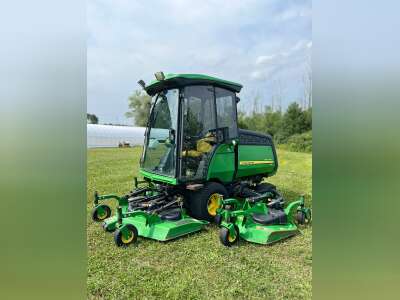
The John Deere 1600 Turbo Series 2 is known for its power and reliability. Yet, some users face engine troubles that affect performance. These issues can disrupt work and cause frustration. Understanding common engine problems helps with quick fixes and proper care.
Starting Difficulties
One frequent engine trouble is starting difficulties. The engine may crank but fail to start. Weak batteries or faulty ignition switches often cause this. Dirty spark plugs can also stop the engine from firing properly. Regular checks and cleaning improve starting success.
Overheating Issues
Overheating is another common problem in this model. It happens when the cooling system fails to work well. Low coolant levels or blocked radiators reduce cooling efficiency. Overheating can damage the engine if ignored. Monitoring temperature and cleaning cooling parts helps prevent this issue.
Fuel System Problems
Fuel system problems often affect engine performance. Clogged fuel filters or dirty injectors reduce fuel flow. This leads to rough idling or loss of power. Using clean fuel and replacing filters on time keeps the engine running smoothly. Checking fuel lines for leaks also avoids trouble.
Credit: www.rbauction.com
Hydraulic System Faults
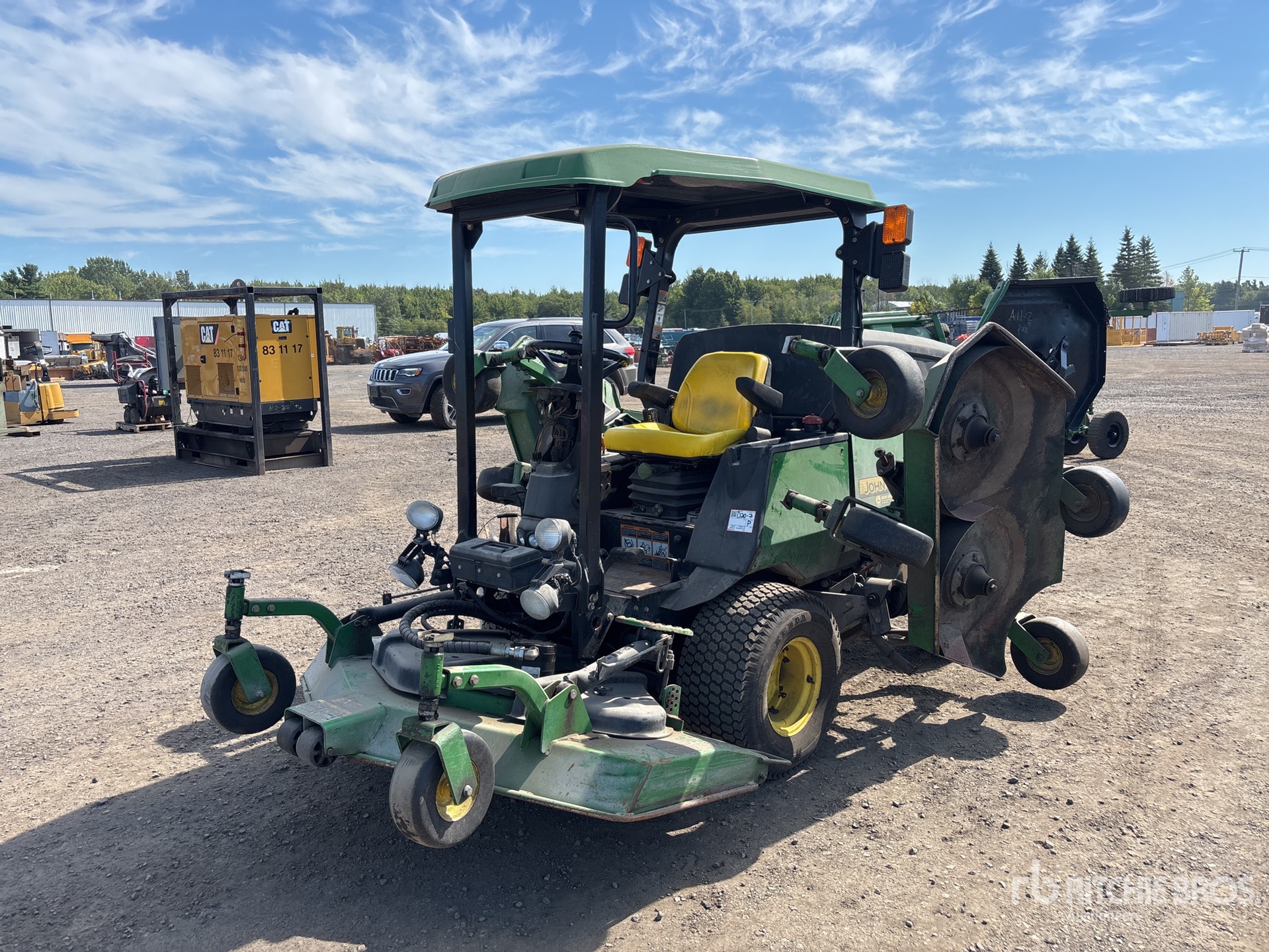
The John Deere 1600 Turbo Series 2 tractor is strong and reliable. Still, it can face hydraulic system faults. These faults affect the tractor’s performance. The hydraulic system powers many important functions. Problems here can slow work or cause damage. Understanding common hydraulic issues helps keep the tractor running well.
Low Hydraulic Pressure
Low hydraulic pressure reduces power in the system. The tractor may struggle to lift or move tools. This issue often comes from worn pump parts or dirty filters. Leaks inside the system can also lower pressure. Checking the pump and replacing filters can help. Fix leaks quickly to restore proper pressure.
Leaking Hydraulic Lines
Leaking hydraulic lines cause fluid loss and reduce system strength. Fluid may drip or spray near hoses or fittings. Leaks can come from cracks, loose connections, or worn seals. Inspect lines regularly for damage or wear. Replace or tighten parts to stop leaks and keep the system sealed.
Slow Implement Response
Slow implement response means tools move sluggishly or lag behind controls. This problem can arise from air in the hydraulic lines. Dirty fluid or clogged filters also slow response time. Regular fluid changes and bleeding air from the system improve speed. Clean filters and fluid keep controls sharp and effective.
Transmission Concerns
The John Deere 1600 Turbo Series 2 is a reliable machine, but its transmission can show some problems. These issues affect the tractor’s performance and may cause frustration. Understanding these transmission concerns helps with maintenance and repair decisions.
The transmission is key to moving power from the engine to the wheels. If it acts up, the tractor won’t work smoothly. Here are some common transmission problems for the John Deere 1600 Turbo Series 2.
Gear Shifting Problems
Many users report difficulty shifting gears. The tractor may stick between gears or refuse to shift at all. This can result from worn synchros or low transmission fluid. Stiff gear shifting makes driving hard and can cause damage over time.
Unusual Noises
Strange sounds from the transmission are a warning sign. Grinding, whining, or clunking noises often mean internal wear. These noises usually increase with tractor use. Ignoring them risks serious transmission failure and costly repairs.
Slipping Clutch
The clutch may slip, causing a loss of power to the wheels. This happens when the clutch plates wear out or the linkage is loose. A slipping clutch reduces efficiency and makes the tractor harder to control. Fixing this early prevents bigger problems.
Electrical System Glitches
The John Deere 1600 Turbo Series 2 often faces issues in its electrical system. These glitches affect the tractor’s performance and reliability. Understanding common problems helps in quick fixes and maintenance. Below are key electrical troubles users report frequently.
Battery Drain
Battery drain is a common issue in this model. The battery loses charge quickly, leaving the tractor hard to start. Faulty wiring or a bad alternator can cause this problem. Regular battery checks prevent unexpected failures. Keep terminals clean and connections tight to avoid drain.
Starter Motor Failures
The starter motor sometimes fails to engage properly. This leads to slow or no engine start. Worn brushes or a weak solenoid are typical causes. Testing the starter motor early saves time and cost. Replace parts showing wear to maintain smooth starts.
Lighting Issues
Lighting problems affect safety and visibility during work. Headlights, taillights, or dashboard lights may flicker or stop working. Loose connections or blown fuses often cause these faults. Regular inspection of the lighting system ensures proper function. Fixing wiring issues restores reliable lighting quickly.
Common Fixes And Maintenance Tips
Maintaining the John Deere 1600 Turbo Series 2 helps avoid many common problems. Simple fixes and regular care keep the mower running smoothly. This section covers easy maintenance tips and common repairs.
Regular checks catch issues before they grow. Small repairs save time and money. Knowing when to call a professional also protects your investment.
Regular Inspection Routines
Check the mower before each use. Look for loose parts, leaks, or worn belts. Clean the deck and remove grass clippings. Inspect blades for sharpness and damage. Check tire pressure and adjust if needed. Look at the oil and fuel levels. These small checks prevent bigger problems later.
Diy Repairs
Replace air filters every few months to improve engine life. Change the oil and oil filter on schedule. Tighten any loose bolts or screws. Sharpen or replace blades when dull. Clean or replace spark plugs for better starts. Fix small fuel leaks using repair kits. Use the owner’s manual for guidance on common repairs.
When To Consult A Professional
Call a technician if the mower won’t start. Strange noises or smoke need expert checks. If the mower loses power or stalls often, get help. Complex engine or hydraulic problems require special tools. Safety issues like brake failures need immediate professional attention. Don’t ignore warning signs that need a pro’s care.

Credit: www.auctiontime.com
Frequently Asked Questions
What Are Common John Deere 1600 Turbo Series 2 Problems?
Engine stalling, hydraulic leaks, and electrical faults are common issues with this model.
How To Fix Engine Stalling On John Deere 1600 Turbo?
Check fuel filters, clean air filters, and inspect spark plugs for damage.
Why Does The Hydraulic System Leak In John Deere 1600 Turbo?
Worn seals or damaged hoses often cause hydraulic fluid leaks in this tractor.
What Causes Electrical Problems In John Deere 1600 Turbo Series 2?
Loose connections, corroded terminals, or a weak battery can lead to electrical faults.
How Often Should Maintenance Be Done On John Deere 1600 Turbo?
Regular maintenance every 100 hours helps prevent common problems and keeps the tractor running well.
Conclusion
The John Deere 1600 Turbo Series 2 has some common problems. Engine issues and hydraulic troubles often appear. Regular checks can help spot problems early. Fixing small issues saves time and money. Knowing these problems helps owners stay prepared. This keeps the tractor running well longer.
Simple care makes a big difference. Stay alert and maintain your tractor often.