
Is your Jeep Liberty heater not working when you need it most? Feeling cold inside your car can be frustrating, especially on chilly mornings or winter nights.
You rely on your heater to keep you warm and comfortable, but when it stops blowing hot air, it’s more than just an inconvenience. You might wonder what’s wrong and how to fix it quickly. You’ll discover the common reasons behind heater problems in your Jeep Liberty and simple steps you can take to get it working again.
Keep reading to warm up your ride and enjoy every drive, no matter the weather.
Common Heater Issues
The heater in a Jeep Liberty can stop working for several reasons. Knowing the common issues helps find the problem fast. This saves time and money on repairs. Below are some frequent causes of heater failure.
Blown Fuse
A blown fuse often stops the heater from working. The fuse protects electrical parts from damage. Check the fuse box for any burnt or broken fuses. Replacing a blown fuse can restore heat quickly.
Faulty Thermostat
The thermostat controls engine temperature and heater function. A broken thermostat can cause the heater to blow cold air. It may get stuck open or closed. Replacing the thermostat can fix heating problems.
Clogged Heater Core
The heater core moves hot coolant to warm the cabin. Dirt or rust can clog the heater core. This blocks heat from entering the vehicle. Flushing or replacing the heater core restores warm air flow.
Malfunctioning Heater Blower
The heater blower pushes warm air into the cabin. A broken blower motor or resistor can stop air flow. Listen for unusual noises or no sound from vents. Fixing or replacing the blower fixes this issue.
Low Coolant Levels
Coolant carries heat to the heater core. Low coolant means less heat reaches the cabin. Check coolant levels and top up if needed. A leak in the cooling system can cause low coolant.

Credit: www.amazon.com
Quick Troubleshooting Steps
When your Jeep Liberty heater stops working, quick checks can help find the problem fast. These steps do not need special tools or skills. Follow them one by one to spot common issues.
Check Fuses And Relays
Start by checking the heater fuses in the fuse box. A blown fuse can cut power to the heater system. Also, test the relays linked to the heater. Swap them with similar ones to see if the heater starts working.
Inspect Coolant Level
Look at the coolant level in the radiator or overflow tank. Low coolant stops the heater core from warming up. Fill the coolant if it is below the minimum mark. Use the right type for your Jeep Liberty.
Test Heater Blower Motor
Turn on the heater and listen for the blower motor sound. If no air blows out, the motor might be faulty. Check the blower motor fuse and wiring. Replace the motor if it does not run after power checks.
Examine Thermostat Function
The thermostat controls engine temperature and heater operation. A stuck thermostat can block hot coolant flow. Warm up the engine and watch the temperature gauge. Replace the thermostat if the engine overheats or stays cold too long.
Diy Fixes For Heater Problems
Fixing a Jeep Liberty heater problem on your own saves time and money. Many heater issues are simple to solve with basic tools. This guide covers easy steps anyone can try before visiting a mechanic.
Replacing A Blown Fuse
The heater might stop working because of a blown fuse. Find the fuse box under the dashboard or hood. Check the owner’s manual to locate the heater fuse. Use a fuse puller or pliers to remove it. Replace the old fuse with a new one of the same rating. Turn on the heater to see if it works now.
Flushing The Heater Core
A clogged heater core can block warm air. Locate the heater core hoses in the engine bay. Disconnect the hoses carefully. Use a garden hose to flush water through the core. Clear out any dirt or debris inside. Reconnect the hoses tightly. This improves heat flow inside the cabin.
Refilling Coolant
Low coolant can stop the heater from working. Check the coolant level in the reservoir. Add the correct type of coolant if the level is low. Do not overfill the tank. Run the engine and turn on the heater. Watch for warm air blowing from the vents.
Replacing The Thermostat
The thermostat controls engine temperature and heater function. A stuck thermostat can block heat. Locate the thermostat housing near the engine. Remove the housing bolts and take out the thermostat. Replace it with a new one that fits your Jeep Liberty. Reassemble the parts and refill coolant. Start the engine and check heater performance.

Credit: www.reddit.com
When To Seek Professional Help
Knowing when to seek professional help is key for Jeep Liberty heater issues. Some problems need expert tools and skills. Attempting repairs without knowledge can cause more damage.
Simple fixes like checking fuses or replacing a thermostat you can try. But complex problems need a mechanic’s attention to ensure safety and proper repair. Here are signs that call for professional help.
Complex Electrical Issues
Electrical problems inside the heater system can be tricky. Faulty wiring or blown relays may cause the heater to stop working. Professionals use special tools to find and fix these issues safely.
These problems may also affect other car systems. A mechanic can diagnose the root cause and prevent further damage. Do not ignore flickering lights or sudden heater failure.
Heater Core Replacement
The heater core looks like a small radiator inside your car. It heats the air you breathe inside the cabin. When it leaks or clogs, the heater stops working properly.
Replacing the heater core requires disassembling parts of the dashboard. This task is difficult and time-consuming. Professionals have the knowledge to do this job without causing harm to other components.
Persistent Heater Blower Problems
The heater blower pushes warm air into the cabin. If it keeps failing or making strange noises, the problem might be more than a simple fuse. Continuous blower issues need a mechanic’s diagnosis.
They can check the blower motor, resistor, and wiring. Proper repair can restore warmth and comfort during cold days. Avoid driving with a faulty blower to prevent further damage.
Preventive Maintenance Tips
Preventive maintenance keeps your Jeep Liberty heater working well. Small checks stop big problems later. Regular care saves time and money. Follow these simple steps to avoid heater issues.
Regular Coolant Checks
Coolant helps your heater work by moving heat through the engine. Check coolant levels often. Low coolant can cause your heater to fail. Look for leaks or dirty coolant. Change coolant based on your Jeep’s schedule. Proper coolant keeps the heater warm and reliable.
Routine Heater System Inspections
Inspect your heater system regularly. Check hoses for cracks or leaks. Listen for strange noises when the heater runs. Test heater controls and blower fan. Fix small problems fast. This prevents heater breakdowns in cold weather.
Keeping Air Vents Clean
Dirty vents block airflow and reduce heat. Clean vents and ducts to allow warm air inside. Use a soft brush or vacuum to remove dust. Clear vents improve heater performance and cabin comfort. Make vent cleaning a part of your routine.
Credit: www.ebay.com
Frequently Asked Questions
Why Is My Jeep Liberty Heater Not Blowing Hot Air?
The heater core might be clogged or the thermostat could be stuck, blocking hot coolant flow.
How Do I Fix A Jeep Liberty Heater That Won’t Work?
Check the heater core, thermostat, and coolant level. Replace faulty parts if needed.
Can A Low Coolant Level Cause Heater Problems?
Yes, low coolant stops heat from circulating, causing the heater to blow cold air.
Does A Broken Blend Door Affect Jeep Liberty Heater?
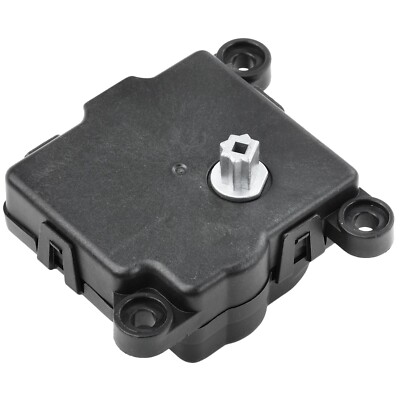
Yes, a faulty blend door can stop warm air from reaching the cabin.
How Much Does It Cost To Repair A Jeep Liberty Heater?
Repair costs vary from $100 to $500 depending on parts and labor needed.
Conclusion
A Jeep Liberty heater not working can cause discomfort quickly. Checking simple parts like fuses and thermostat helps find problems fast. Sometimes, small fixes save time and money. Don’t ignore strange noises or weak heat. Regular maintenance keeps the heater running well.
Trust your senses and act early to avoid bigger issues. Stay warm and safe on every drive.