
Is your 2012 Jeep Liberty’s heat not working when you need it most? Feeling cold inside your own car can be frustrating, especially during chilly mornings or winter drives.
You might wonder why the heater suddenly stopped blowing warm air and what you can do to fix it. You’ll discover the common reasons behind this problem and easy steps you can take to get your heat back on fast.
Keep reading to stay warm and comfortable on every ride.
Credit: www.ebay.com
Common Causes Of Heat Failure
Heat failure in a 2012 Jeep Liberty happens for several common reasons. Knowing these causes helps find the problem faster. Most heat issues relate to parts that control the engine temperature or air flow. Fixing these parts often restores the heat quickly.
Thermostat Issues
The thermostat controls engine temperature by opening and closing. If it sticks open, the engine stays cold. This stops warm coolant from reaching the heater core. The heat inside the Jeep will not work well or at all.
Coolant Level Problems
Coolant moves heat from the engine to the heater core. Low coolant means less heat transfer. Leaks or old coolant cause levels to drop. Check the coolant tank and refill or fix leaks to restore heat.
Heater Core Blockage
The heater core acts like a small radiator inside the Jeep. Dirt or rust can block it. This blockage stops hot coolant from flowing through. Air blowing through the vents will stay cold or weak.
Blower Motor Malfunction
The blower motor pushes warm air into the cabin. If it fails, no air moves through the vents. The heat may be working, but no warm air reaches you. Listen for strange noises or no sound from vents.
Blend Door Actuator Failure
The blend door controls air temperature by mixing hot and cold air. If the actuator breaks, the door may not move. This causes only cold air to blow, even if the heat works. Repairing the actuator fixes the air mix.
Checking The Thermostat
Checking the thermostat is a key step when your 2012 Jeep Liberty’s heat stops working. The thermostat controls the flow of coolant to the engine and heater core. If it gets stuck open or closed, the heater may blow cold air or take too long to warm up.
Finding thermostat problems early can save you time and money. It also keeps your engine running at the right temperature. Let’s explore how to spot thermostat issues and what to do next.
Symptoms Of A Faulty Thermostat
A faulty thermostat shows clear signs. The engine temperature gauge may stay low. Your Jeep may never fully warm up. The heater might blow cold air even after running the engine for a while. You could see coolant leaks near the thermostat housing. Sometimes the engine overheats quickly. These symptoms point to thermostat trouble.
Testing And Replacement Tips
Testing the thermostat requires removing it from the engine. Place it in hot water and watch it open. If it stays closed or only opens partially, it needs replacing. Use a new thermostat that fits your Jeep Liberty model. Clean the gasket surface before installing. Tighten bolts evenly to avoid leaks. Check coolant levels after replacement. Run the engine and watch the temperature gauge. Your heater should start blowing warm air soon after.
Inspecting Coolant Levels
Checking the coolant level is one of the first steps to fix heat problems in a 2012 Jeep Liberty. Coolant moves heat from the engine to the heater core. If the coolant is low, the heater may not work well. This section explains why coolant levels matter and how to check and refill them safely.
How Low Coolant Affects Heating
Low coolant means less heat moves to the cabin. The heater core needs enough hot coolant to warm the air. Without it, the air stays cold or lukewarm. The engine may also overheat if coolant is too low. This can cause bigger problems than just no heat.
Safe Coolant Checking And Refilling
Always check coolant when the engine is cold. Opening the radiator cap when hot can cause burns. Look at the coolant reservoir level; it should be between “Min” and “Max.” If low, add the right type of coolant slowly. Do not overfill. Use a clean funnel and avoid spilling coolant on the engine.

Credit: www.youtube.com
Cleaning Or Replacing The Heater Core
The heater core is a key part of your 2012 Jeep Liberty’s heating system. It moves hot coolant from the engine to warm the air inside your vehicle. Dirt, rust, and debris can block the heater core. This blockage stops warm air from reaching your cabin. Cleaning or replacing the heater core often fixes heating problems. This section explains how to spot heater core blockages. It also shows simple cleaning steps and when replacement is needed.
Signs Of Heater Core Blockage
Warm air does not come from the vents. The windshield fogs up more than usual. A sweet smell inside the car means coolant leaks. Coolant level drops without visible leaks. The heater works only on high settings. These signs suggest a blocked heater core.
Diy Cleaning Steps
Start by draining the coolant from the radiator. Remove the heater core hoses carefully. Use a garden hose to flush water through the heater core. Flush until clear water flows out. Reconnect hoses and refill the coolant. Run the engine and check if heat improves. Cleaning may clear light blockages.
When To Replace The Heater Core
Cleaning does not improve heat output. Coolant leaks inside the cabin or on the floor. Strong coolant odor remains after flushing. Heater core is corroded or damaged. Replacement is the best option. Take your Jeep to a trusted mechanic for this task.
Fixing The Blower Motor
Fixing the blower motor in a 2012 Jeep Liberty can restore heat and comfort quickly. The blower motor pushes warm air through the vents. When it stops working, the heater won’t blow air, making the cabin cold. Checking and repairing the blower motor can solve this problem fast.
Blower Motor Troubleshooting
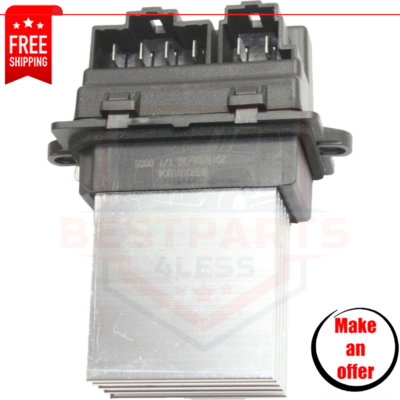
Start by listening for any noise from the blower motor. No sound means it might not be getting power. Check the fuse and relay for the blower motor in the fuse box. A blown fuse or bad relay stops the motor from working. Also, test the blower motor resistor. A faulty resistor can block power to the motor at certain speeds.
Next, use a multimeter to check the motor’s electrical connections. Loose or corroded wires can stop the motor. Look for dirt or debris that might block the motor fan from turning. Clean or fix any damaged parts. Simple steps can save time and money before replacing the motor.
Simple Repair Methods
First, replace any blown fuses or faulty relays. These parts are cheap and easy to swap. Clean the blower motor fan and motor housing. Dirt buildup can stop the fan from spinning. Tighten any loose wiring connections to ensure good contact.
If the blower motor still does not work, try replacing the blower motor resistor. This part controls fan speed. A bad resistor can stop the motor from running at some speeds. If all else fails, replace the blower motor itself. New motors fit easily and bring heat back fast.

Credit: www.amazon.com
Repairing The Blend Door Actuator
Repairing the blend door actuator is key to fixing heat issues in a 2012 Jeep Liberty. This small part controls airflow inside the car. When it breaks, the heater may stop working. Understanding how to detect and replace the actuator can save time and money. Let’s dive into the role of the blend door and how to address actuator problems.
Role Of The Blend Door
The blend door directs air through the heater core or the air conditioner. It mixes hot and cold air to reach the desired cabin temperature. The blend door actuator moves the door based on your temperature setting. If the actuator fails, the blend door stays stuck. This causes no heat or only cold air inside the vehicle.
Detecting Actuator Problems
Listen for clicking sounds behind the dashboard when changing temperature. Clicking usually means the actuator motor is trying to move but cannot. Check if the air temperature stays the same regardless of adjustments. Uneven or no heat points to a faulty blend door actuator. These signs help identify the actuator as the source of the problem.
Replacing The Actuator
Start by disconnecting the battery to avoid electrical issues. Locate the blend door actuator behind the dashboard near the heater box. Remove screws holding the actuator in place. Carefully detach the electrical connector and the actuator from the blend door. Install the new actuator by reversing the removal steps. Test the heater controls to confirm proper airflow and temperature change.
Additional Tips To Restore Heat
Dealing with heat not working in a 2012 Jeep Liberty can be frustrating. Some simple checks can help bring the warmth back. These additional tips will guide you through easy steps to restore heat without much hassle.
Checking Heater Hoses
Start by inspecting the heater hoses under the hood. Look for cracks, leaks, or blockages. Cold or damaged hoses can stop hot coolant from reaching the heater core. Replace any worn hoses to ensure proper heat flow.
Inspecting Fuses And Relays
The heating system depends on electrical parts like fuses and relays. Find the fuse box and check for blown fuses related to the heater. Swap out any faulty fuses or relays to fix electrical issues that affect heat.
Using Diagnostic Tools
Diagnostic tools can read error codes from your Jeep’s system. These codes help identify problems causing no heat. Use an OBD-II scanner to check for heater-related faults. This step gives a clear idea of what needs fixing.
Frequently Asked Questions
Why Is The Heat Not Working In My 2012 Jeep Liberty?
A common cause is a low coolant level or a broken thermostat blocking heat flow.
How Can I Fix The Heater In My Jeep Liberty?
Check coolant level, thermostat, heater core, and blower motor for faults or leaks.
Can A Faulty Thermostat Cause No Heat In Jeep Liberty?
Yes, a broken thermostat can stop hot coolant from reaching the heater core.
Does The Heater Core Affect Heat In 2012 Jeep Liberty?
Yes, a clogged or leaking heater core can prevent warm air inside the car.
Could The Blower Motor Cause No Heat In Jeep Liberty?
Yes, if the blower motor fails, warm air will not blow into the cabin.
Conclusion
A 2012 Jeep Liberty with no heat can be frustrating. Check simple parts like the thermostat and heater core first. Sometimes, a small fix can restore warmth quickly. Regular maintenance helps avoid future issues. Don’t ignore the problem; cold drives are uncomfortable and unsafe.
Take action soon to keep your Jeep cozy. Staying warm on the road matters.