
Is your GE electric gas dryer not heating like it used to? You rely on your dryer every day, and when it stops warming up, laundry piles up fast.
It’s frustrating and can throw off your whole routine. But don’t worry—understanding why your dryer isn’t heating is the first step to fixing it. You’ll discover simple reasons behind the problem and easy solutions you can try yourself. Keep reading to get your dryer back to working perfectly and save time and money on repairs.

Credit: www.youtube.com
Common Reasons For No Heat
When your GE electric gas dryer stops heating, it can disrupt your laundry routine. Several common issues cause this problem. Identifying the cause helps you fix it faster. Below are the main reasons why your dryer might not heat.
Power Supply Issues
The dryer needs proper power to heat. A tripped breaker or blown fuse can cut power to the heating element. Check the electrical panel for any issues. Also, ensure the dryer is plugged in securely. Without power, the dryer won’t generate heat.
Thermal Fuse Problems
The thermal fuse protects the dryer from overheating. If it blows, the dryer stops heating as a safety measure. A blown fuse usually means the dryer overheated before. Test the fuse with a multimeter to see if it’s working. Replace it if needed to restore heat.
Heating Element Failure
The heating element creates the heat inside the dryer. Over time, it can burn out or break. When this happens, the dryer runs but stays cold. Inspect the heating element for damage or breaks. Replacing a faulty element often solves the no heat issue.
Thermostat Malfunctions
Thermostats regulate the temperature inside the dryer. A faulty thermostat may prevent the heating element from turning on. It might also cause the dryer to overheat and shut off. Test the thermostat for continuity and replace it if it fails. This fix can restore proper heating.
Blocked Ventilation
Blocked vents stop hot air from escaping the dryer. This causes overheating and may trigger safety shutoffs. Lint buildup or crushed ducts often block airflow. Clean the vent and ducts regularly to keep air flowing. Good ventilation helps the dryer heat efficiently.
Safety Precautions Before Repair
Repairing a GE electric gas dryer that is not heating requires careful attention to safety. Dryers use electricity and gas, which can be dangerous. Taking safety steps first protects you from harm. Read these precautions before starting any repair work.
Unplugging The Dryer
Always unplug the dryer before opening it. This stops electricity from flowing to the machine. Unplugging prevents electric shock and injury. Check the power cord and outlet to confirm no power remains.
Handling Electrical Components
Be careful when touching wires and parts inside the dryer. Avoid metal tools that can cause shorts. Use insulated gloves if possible. Do not work on electrical parts with wet hands.
Using Proper Tools
Use the right tools for dryer repair. Screwdrivers, pliers, and wrenches should fit well. Using poor tools can damage parts or cause injury. Keep tools organized and within reach during work.
Step-by-step Troubleshooting
When a GE electric gas dryer stops heating, it can be frustrating. Troubleshooting step-by-step helps find the problem fast. Follow these simple checks to fix the heating issue safely.
Checking The Power Source
Start by making sure the dryer has power. Check if the dryer is plugged in firmly. Look at the circuit breaker to see if it tripped. Reset the breaker if needed. Without power, the dryer cannot heat.
Inspecting The Thermal Fuse
The thermal fuse protects the dryer from overheating. A blown fuse stops the heating. Find the fuse near the blower housing. Use a multimeter to test for continuity. Replace the fuse if it shows no continuity.
Testing The Heating Element
The heating element warms the air inside the dryer. A broken element means no heat. Unplug the dryer before testing. Remove the heating element and check it with a multimeter. Replace it if the test fails.
Examining The Thermostat
The thermostat controls the dryer’s temperature. A faulty thermostat can stop heat flow. Locate the thermostat on the heating assembly. Test it for continuity using a multimeter. Replace the thermostat if it is defective.
Cleaning The Vent System
Blocked vents reduce airflow and stop heating. Disconnect the vent hose and check for lint buildup. Clean the vent pipe outside the house. Clear any blockages to allow proper air flow. A clean vent helps the dryer heat correctly.
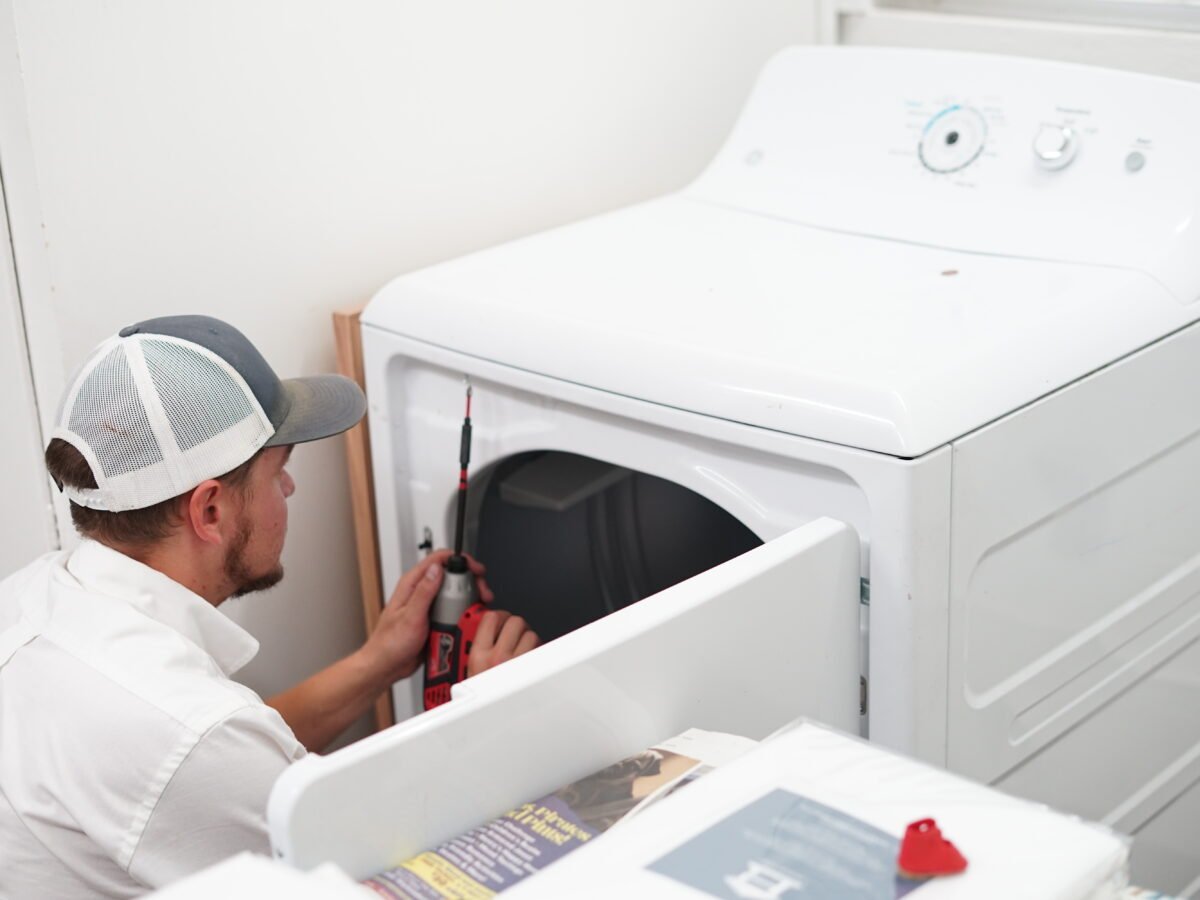
Credit: smartapplianceservices.com
When To Call A Professional
Knowing when to call a professional for your GE electric gas dryer not heating is important. Some problems need expert skills and tools. Trying to fix these issues without experience can cause more damage or risks. Understanding the signs that require a professional helps keep your dryer safe and working well.
Complex Electrical Issues
Dryers have many electrical parts. Complex wiring problems can be hard to find and fix. Faulty circuits or broken control boards need special tools. A professional can safely diagnose and repair these problems. Avoid handling electrical parts alone to prevent shocks or fires.
Replacing Major Components
Sometimes, major parts like heating elements or gas valves need replacement. These parts are tricky to access and install correctly. Professionals have the right tools to replace parts without causing damage. They ensure the dryer runs efficiently after repairs.
Safety Concerns
Gas dryers use flammable gas, which can be dangerous. Leaks or improper repairs can cause fires or explosions. Professionals know safety steps to prevent risks. They follow local codes and use proper equipment to protect you and your home.
Preventive Tips To Avoid Future Problems
Keeping your GE electric gas dryer working well means preventing problems early. Simple steps can stop heating issues before they start. Regular care helps your dryer run efficiently and saves money on repairs. Follow these key tips to avoid future dryer troubles.
Regular Vent Cleaning
Clean the dryer vent often to remove lint and dust. Blocked vents reduce airflow and cause heating problems. Use a vent brush or vacuum to clear the vent. Check outside vents too for clogs or damage. Clean vents help your dryer dry clothes faster and safer.
Routine Maintenance Checks
Inspect your dryer regularly for signs of wear or damage. Look at the heating element, thermostat, and gas connections. Tighten loose parts and replace worn components quickly. Clean the lint filter after every load. Routine checks keep your dryer running smoothly and stop small issues from growing.
Avoiding Overloading The Dryer
Do not overload your dryer with too many clothes. Overloading blocks air circulation and causes the dryer to overheat. Dry smaller loads for better heat distribution. Overloading strains the motor and heating system, leading to failures. Proper load size improves drying and extends your dryer’s life.

Credit: www.hillcountryrepairs.com
Frequently Asked Questions
Why Is My Ge Electric Gas Dryer Not Heating?
The heating element or gas valve may be faulty, causing no heat during drying cycles.
How Do I Check The Dryer’s Heating Element?
Unplug the dryer and use a multimeter to test the heating element for continuity.
Can A Clogged Vent Cause No Heat In Gas Dryers?
Yes, blocked vents restrict airflow, causing overheating or no heating in the dryer.
What Role Does The Thermal Fuse Play In Heating?
A blown thermal fuse stops power to the heating element, preventing the dryer from heating.
Should I Call A Technician For A Gas Dryer Not Heating?
Yes, gas dryers involve gas and electricity, so professional help ensures safe and proper repair.
Conclusion
A GE electric gas dryer not heating can cause many problems. Check the power supply and gas connection first. Clean the lint filter to improve airflow. Test the thermal fuse and heating element for faults. Simple steps often solve the problem quickly.
For complex issues, call a professional technician. Regular maintenance keeps your dryer running smoothly. Don’t let a heating issue stop your laundry. Stay calm and follow easy fixes to save time. Your dryer can work well again with care.