
Are you tired of taking your dishes out of your GE dishwasher only to find them still wet? It’s frustrating when your dishwasher cleans well but leaves everything soggy and not ready to use.
You rely on your dishwasher to save time and effort, but when it doesn’t dry properly, it feels like all that work is wasted. Don’t worry—there are simple reasons why your GE dishwasher is not drying, and even easier ways to fix it.
Keep reading to discover what might be causing this problem and how you can get your dishes perfectly dry every time.

Credit: m.youtube.com
Common Causes Of Poor Drying
Poor drying in a GE dishwasher can cause wet dishes and frustration. Understanding the common causes helps fix the problem faster. Several parts of the dishwasher work together to dry dishes properly. If one part fails, drying may not work well.
Heating Element Issues
The heating element warms the air inside the dishwasher. It helps water evaporate from dishes. A broken or damaged element stops the drying process. Without heat, dishes stay wet and take longer to dry. Checking the heating element is a good first step.
Blocked Ventilation
Dishwashers have vents to release moisture during drying. If vents are blocked, steam stays inside. This keeps dishes wet and damp. Dirt or debris can clog vents. Cleaning the vents improves airflow and drying results.
Rinse Aid Problems
Rinse aid helps water slide off dishes quickly. Without enough rinse aid, water forms droplets. These droplets cause spots and slow drying. Using the right amount of rinse aid makes drying easier. Check the rinse aid dispenser regularly.
Faulty Thermostat
The thermostat controls the dishwasher temperature. It signals the heating element to turn on and off. A faulty thermostat might not heat the dishwasher enough. This leads to poor drying and wet dishes. Testing and replacing the thermostat can solve this issue.

Credit: www.youtube.com
Simple Fixes You Can Try
Simple fixes can often solve the problem of a GE dishwasher not drying. You do not need special tools or skills. Most fixes involve cleaning or checking small parts. This saves time and money. Try these steps before calling a technician.
Check And Clean The Filter
The filter catches food and debris during washing. A dirty filter blocks water flow and affects drying. Remove the filter from the dishwasher bottom. Rinse it under running water. Use a soft brush to clean stuck particles. Put the filter back securely before running the dishwasher again.
Refill Or Adjust Rinse Aid
Rinse aid helps water slide off dishes, improving drying. Check the rinse aid dispenser inside the door. Fill it with rinse aid if it is empty. Adjust the dispenser setting to a higher level for better drying. This small step can make a big difference.
Inspect The Heating Element
The heating element warms the air inside the dishwasher. If it is broken, dishes stay wet. Look at the bottom of the dishwasher for the heating coil. Check for visible damage like cracks or burns. Test the element with a multimeter if you have one. Replace the element if it does not work properly.
Clear The Vent And Drain
The vent lets steam escape during drying. The drain removes dirty water. Blocked vents or drains cause poor drying and water pooling. Clean the vent on the dishwasher door or top. Remove any debris or buildup. Check the drain area and clear clogs. Proper airflow and drainage improve drying results.
Advanced Troubleshooting Steps
Advanced troubleshooting steps help solve drying issues in your GE dishwasher. These steps check key parts that affect drying. Follow each step carefully to find the problem. You can fix many issues without calling a technician.
Test The Thermostat
The thermostat controls the dishwasher’s heat. Heat helps dry the dishes properly. Use a multimeter to test the thermostat’s continuity. A broken thermostat stops the dishwasher from heating. Replace the thermostat if it shows no continuity.
Examine Door Seal And Latch
The door seal keeps heat inside the dishwasher. A broken seal causes heat to escape, leaving dishes wet. Check the seal for cracks or wear. The latch must close the door tightly. Repair or replace any damaged seals or latches.
Reset The Dishwasher
Resetting the dishwasher can clear errors. Unplug the dishwasher from power for five minutes. Plug it back in and start a new cycle. Resetting refreshes the system and may fix drying problems.
Run Diagnostic Mode
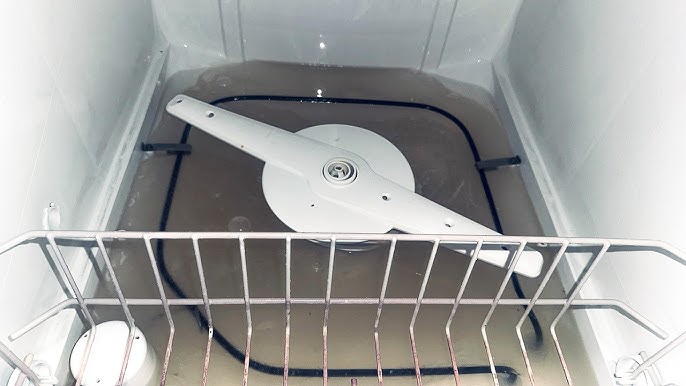
Diagnostic mode tests the dishwasher’s functions. It identifies faults in heating, sensors, or controls. To enter diagnostic mode, consult your GE dishwasher manual. Follow the steps carefully to run the test. Use the results to find what part needs repair.
Credit: www.youtube.com
Preventive Tips For Better Drying
Drying issues in a GE dishwasher often come from simple mistakes. Small changes can improve drying results a lot. Follow these tips to keep dishes dry and shiny every wash.
Load Dishes Properly
Place dishes with enough space between them. Avoid blocking the spray arms. Cups and bowls should face downward. This helps water drain off easily. Avoid stacking items tightly. It lets hot air reach all surfaces for better drying.
Use The Right Detergent
Choose detergent made for dishwashers. Do not use regular soap. Use the recommended amount on the package. Too much detergent can cause soap residue. Too little detergent reduces cleaning and drying power. Powder, gel, or pods all work well if used correctly.
Select Appropriate Cycle
Pick a drying cycle that fits your load. Use “heated dry” or “extra dry” settings for better results. Short cycles may leave dishes wet. Longer cycles use more energy but dry dishes better. Adjust settings based on dish type and soil level.
Regular Maintenance Routine
Clean the dishwasher filter every month. Remove food debris to keep water flowing. Check spray arms for clogs and clean them. Wipe the door seal to avoid mold build-up. Run a cleaning cycle using dishwasher cleaner monthly. This keeps the machine working well and improves drying.
When To Call A Professional
Knowing when to call a professional for your GE dishwasher not drying is important. Some problems require expert help to avoid damage or safety risks. Early action can save time and money. Watch for clear signs that your dishwasher needs a technician.
Signs Of Electrical Problems
Electrical issues can cause drying failures. Flickering lights or tripped breakers during the dishwasher cycle are warning signs. Burning smells or sparks near the appliance need immediate attention. These symptoms show a possible short circuit or wiring fault. Call a professional without delay to prevent hazards.
Persistent Drying Failures
Occasional drying problems might be fixed with simple steps. Persistent failures after troubleshooting mean deeper issues. Check if the dishwasher never dries dishes completely. This can indicate a broken heating element or faulty thermostat. Professionals have the tools and parts to fix these problems correctly. Avoid trying complex repairs yourself.
Warranty And Service Options
Check your dishwasher’s warranty before repairs. Some services may be free under warranty terms. Authorized service providers ensure genuine parts and proper repair methods. Using an expert preserves your warranty and dishwasher lifespan. Contact GE support or a certified technician for service options and advice.
Frequently Asked Questions
Why Is My Ge Dishwasher Not Drying Dishes Properly?
A common cause is a broken heating element that stops drying. Check and replace if needed.
How Can I Improve Drying Performance In My Ge Dishwasher?
Use a rinse aid and choose the heated dry option for better drying results.
What Causes Spots Or Water On Dishes After Drying?
Hard water or low rinse aid levels often leave spots and wet dishes.
Can A Blocked Vent Affect Ge Dishwasher Drying?
Yes, a blocked vent stops steam from escaping, causing poor drying.
Should I Clean The Dishwasher Filter To Fix Drying Issues?
Yes, a dirty filter reduces water flow and drying efficiency. Clean it regularly.
Conclusion
A GE dishwasher not drying can be frustrating to fix. Check filters, spray arms, and heating elements first. Small clogs or broken parts often cause the problem. Regular cleaning helps keep your dishwasher working well. Simple steps can save you time and money.
Stay patient and follow easy troubleshooting tips. Soon, your dishes will come out dry and clean again. Keep your dishwasher in good shape for daily use.