
Is your garbage disposal not draining properly? That slow, stubborn sink can turn simple kitchen tasks into a real headache.
You might feel stuck, unsure of what’s causing the problem or how to fix it. But don’t worry—understanding why your garbage disposal isn’t draining is the first step to solving it fast. Keep reading, and you’ll discover easy tips and tricks to get your kitchen running smoothly again.
You deserve a hassle-free sink, and this guide is here to help you make that happen.

Credit: www.reddit.com
Common Causes Of Drainage Issues
Garbage disposal not draining properly is a common kitchen problem. Drainage issues can happen for several reasons. Understanding these causes helps fix the problem faster. Below are the most frequent reasons your disposal might not drain well.
Clogged Pipes
Pipes can get blocked by food scraps, grease, or soap. Over time, this buildup narrows the pipe. Water and waste cannot flow freely. This causes slow draining or complete blockage. Regular cleaning can prevent pipe clogs.
Jammed Disposal Blades
Disposal blades can get stuck by hard objects. Bones, fruit pits, or utensils may cause jams. When blades jam, water cannot drain properly. The disposal might stop working or make loud noises. Removing the jam clears the drainage path.
Airlock Problems
Airlocks happen when trapped air blocks water flow. This creates a vacuum in the drain line. Water stays stuck and drains slowly. Airlocks often occur after installing new disposals. Releasing the trapped air fixes this issue quickly.
Faulty Drain Connections
Loose or damaged drain connections cause leaks and blockages. Pipes may not align properly or seals may wear out. Water can back up or leak at the joints. Tightening or replacing faulty connections restores proper drainage.
Safety Precautions Before Repairs
Before fixing a garbage disposal that is not draining, safety comes first. Taking the right precautions protects you from injury and damage. Simple steps can make the repair process safer and easier.
Power Off The Disposal
Always turn off the power to the disposal before starting any repair. Unplug the unit or switch off the circuit breaker. This stops the disposal from turning on by accident. Never work on the disposal while it is powered.
Use Protective Gear
Wear gloves to protect your hands from sharp parts. Safety glasses shield your eyes from debris or splashes. Use clothes that cover your arms and legs. These simple items keep you safe during repairs.
Gather Necessary Tools
Prepare all needed tools before starting. Common tools include a hex wrench, pliers, and a flashlight. Having tools ready helps you work smoothly. Avoid rushing or using the wrong tools.
Basic Steps To Clear Clogs
Clogs in a garbage disposal can stop water from draining properly. Clearing these blockages helps restore normal flow. Follow these basic steps to remove clogs safely and quickly. Each method targets common causes of drainage problems. Try one or more to get your disposal working again.
Use A Plunger
A plunger can push clogs out of the drain. Fill the sink with some water to cover the plunger’s cup. Place the plunger over the drain opening. Push down and pull up firmly several times. This creates pressure that may loosen the clog. Remove the plunger and check if water drains.
Manual Removal Of Debris
Turn off the garbage disposal and unplug it. Use a flashlight to look inside the drain. Remove any visible food pieces or objects with tongs or pliers. Never put your hand inside the disposal. Clear away debris that blocks the blades or drain opening. This can free the clog and improve drainage.
Flush With Hot Water
Boil water and slowly pour it down the drain. Hot water helps dissolve grease and soap buildup. Let the water run for a few minutes. This flushes away loosened debris and clears the pipes. Repeat if necessary to keep the drain clear and flowing.
Fixing A Jammed Disposal
A jammed garbage disposal stops water from draining properly. Fixing this problem is possible without calling a plumber. Simple tools and steps can get your disposal working again quickly.
Follow these easy methods to clear a jam and restore smooth drainage. Safety is key, so always turn off the power before starting any work.
Using An Allen Wrench
Most disposals have a small hole at the bottom. This hole fits a special Allen wrench. Insert the wrench into the hole.
Turn the wrench back and forth slowly. This movement frees the jammed parts inside. Keep turning until the disposal moves freely again.
Resetting The Disposal
Locate the red reset button under the disposal unit. Press it firmly to reset the device. This button helps clear minor jams and electrical issues.
Wait a few minutes after pressing before testing the disposal. This step can restore normal function quickly and easily.
Checking For Obstructions
Always disconnect power before checking inside the disposal. Use a flashlight to look for stuck objects. Small bones, utensils, or large food pieces often cause jams.
Remove any visible blockage carefully with tongs or pliers. Avoid using your fingers inside the disposal. After clearing the obstruction, test the disposal again.
Addressing Airlock Issues
Airlock in a garbage disposal can stop water from draining. It happens when air blocks the pipes. This causes slow or no drainage. Fixing airlock is simple and can save you a plumber’s visit.
Try easy home methods first. These steps help clear the air and let water flow freely again.
Running Water To Release Air
Turn on the cold water from the tap. Let it run for at least 30 seconds. Then, switch on the garbage disposal. The running water helps push trapped air out. This may clear the blockage quickly. Keep water running until water drains properly.
Using Vinegar And Baking Soda
Pour half a cup of baking soda into the disposal. Follow with half a cup of vinegar. The mix creates bubbles that break up airlocks and debris. Wait 10 minutes before rinsing with hot water. This natural method cleans and frees the pipes well.

Credit: www.1tomplumber.com
Inspecting And Repairing Drain Connections
Inspecting and repairing drain connections is a key step in fixing a garbage disposal that does not drain. Drain connections can loosen or get damaged over time. This can cause water to pool or drain slowly. A close look at the pipes and fittings helps find the problem fast. Repairing these parts can restore proper drainage and stop leaks.
Tightening Loose Fittings
Loose fittings are a common cause of drainage issues. Check all connections around the disposal unit. Use a wrench to tighten nuts and bolts. Do not overtighten, as this can damage the pipes. Tightening stops leaks and helps water flow smoothly. After tightening, run water to see if the problem clears up.
Replacing Damaged Pipes
Pipes can crack, rust, or break. Damaged pipes block water flow and cause backups. Inspect each pipe for cracks or holes. Replace any damaged sections with new pipes. Use proper fittings to connect the new parts. Make sure all connections are secure. Test the disposal to ensure water drains freely.
When To Call A Professional
Knowing when to call a professional for a garbage disposal not draining saves time and prevents damage. Some problems need expert help to fix safely and correctly. Recognizing these signs early can avoid costly repairs and keep your kitchen running smoothly.
Persistent Drainage Problems
Drains that stay clogged after several attempts signal a deeper issue. Simple fixes might not clear the blockage. Professionals have tools and skills to find hidden obstructions. Persistent problems often mean the pipes or disposal unit need thorough cleaning or replacement parts.
Electrical Issues
Garbage disposals rely on electricity to work. If the unit does not turn on or keeps tripping breakers, electrical faults may exist. These issues can be dangerous for untrained people. Electric shocks or fires can happen. A professional electrician or plumber can safely diagnose and fix wiring or motor problems.
Major Repairs Needed
Cracks, leaks, or broken parts require expert attention. Trying to fix major damage alone may cause more harm. Professionals can replace worn-out components or install a new unit. They ensure everything fits and works properly, preventing future leaks and malfunctions.
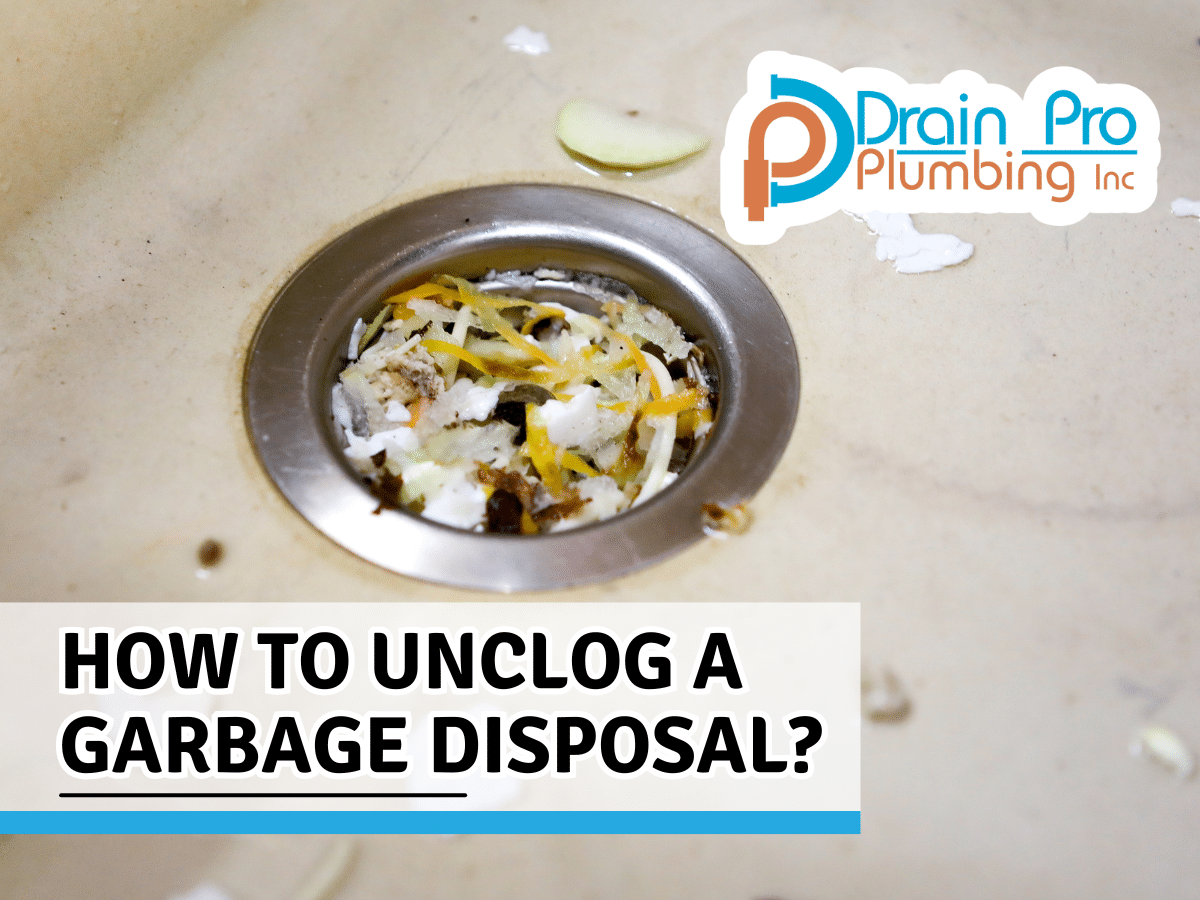
Credit: drainproplumbing.net
Preventing Future Drainage Problems
Preventing future drainage problems in your garbage disposal keeps your kitchen running smoothly. Taking simple steps can stop clogs and bad smells from forming. Consistent care saves time and money on repairs. Follow easy habits to protect your disposal and pipes.
Proper Disposal Use
Only put small amounts of food waste into the disposal. Cut large pieces into smaller bits before turning it on. Avoid overloading the unit to prevent jams. Run cold water while using the disposal to help flush waste. Turn off the disposal before stopping the water flow.
Regular Maintenance Tips
Clean your disposal regularly to avoid buildup. Use ice cubes and salt to scrub the blades. Pour baking soda and vinegar down the drain monthly. Let the mixture sit, then rinse with hot water. Check the unit for leaks and strange noises often.
Avoiding Harmful Materials
Do not put grease, oil, or fat in the disposal. These substances harden and block pipes quickly. Avoid fibrous foods like celery or corn husks that tangle in blades. Avoid hard items such as bones, fruit pits, and shells. Use the trash bin for these materials instead.
Frequently Asked Questions
Why Is My Garbage Disposal Not Draining Water?
Clogs or blockages often stop water from draining in the garbage disposal.
How Can I Fix A Slow Draining Garbage Disposal?
Clear any debris and run cold water while turning on the disposal.
What Causes A Garbage Disposal To Drain Poorly?
Food scraps, grease, and foreign objects can block the drain pipes.
Can A Clogged Garbage Disposal Cause Bad Smells?
Yes, trapped food can rot and cause unpleasant odors in your kitchen.
When Should I Call A Plumber For Drainage Issues?
Call a plumber if clearing clogs does not restore proper drainage.
Conclusion
A garbage disposal that does not drain can cause many problems. It stops kitchen work and creates bad smells. Fixing it quickly saves time and money. Try simple steps like checking for clogs or resetting the unit. Regular cleaning helps avoid future blockages.
If problems continue, calling a professional is best. Keep your disposal clean and working well for a smooth kitchen routine. Don’t wait until small issues become big troubles. Act now to keep your sink draining properly.