
Are you relying on your Cummins standby generator to keep your home or business powered during an outage? What happens when it suddenly stops working or shows warning signs?
Understanding the common problems with Cummins standby generators can save you time, money, and stress. You’ll discover the most frequent issues that can affect your generator’s performance and how to spot them early. By knowing what to look for, you can avoid unexpected failures and keep your power backup running smoothly when you need it most.
Keep reading to protect your investment and ensure your peace of mind.
Common Cummins Generator Issues
Cummins standby generators provide reliable backup power. Still, they sometimes face common issues. Knowing these problems helps owners maintain and fix their units faster. This section covers frequent Cummins generator troubles.
Starting Failures
Starting failures occur when the generator does not turn on. This issue may arise from a weak battery or faulty starter motor. Loose wiring or a bad ignition switch can also prevent startup. Regular checks of these parts reduce starting problems.
Power Output Problems
Power output problems mean the generator does not supply enough electricity. This could be due to worn brushes or damaged alternators. Overloading the generator also lowers power output. Testing and replacing parts keeps power steady.
Fuel System Troubles
Fuel system troubles often cause the generator to stop or run poorly. Blocked fuel filters and dirty injectors limit fuel flow. Old or contaminated fuel clogs the system. Cleaning and replacing fuel components improves performance.
Battery And Charging Issues
Batteries lose charge or fail to hold power over time. Faulty chargers or loose battery cables cause charging problems. A dead battery prevents the generator from starting. Checking battery health and connections helps avoid failures.
Overheating Concerns
Overheating damages the generator’s engine and parts. Low coolant levels or blocked air filters cause heat buildup. Running the generator too long without breaks also leads to overheating. Proper maintenance and cooling prevent damage.
Quick Troubleshooting Steps
Troubleshooting a Cummins standby generator can seem tough. Start with simple checks. These quick steps save time and avoid costly repairs. Follow these easy actions to spot common issues fast.
Checking Fuel Supply
Fuel is the lifeblood of your generator. Ensure the tank has enough diesel or gas. Check for clogged fuel lines or dirty filters. A blocked fuel line stops the generator from running. Clean or replace filters if needed. Always use fresh fuel for best results.
Inspecting Battery Health
The battery powers the generator start system. Check battery terminals for corrosion. Clean terminals with a wire brush if corroded. Test battery voltage with a meter. A weak battery may not start the generator. Replace the battery if voltage is low.
Examining Air Filters
Air filters keep dirt and dust out. Dirty filters reduce engine performance. Remove the filter and check for dirt or damage. Clean or replace filters regularly. Clean filters help the engine breathe and run smoothly.
Verifying Electrical Connections
Loose wires cause many generator problems. Inspect all electrical connections for tightness. Look for broken or frayed wires. Secure loose wires with connectors or tape. Proper connections ensure reliable generator operation.
Fixing Starting Problems
Starting problems with Cummins standby generators can be frustrating. These issues stop the generator from running when power is out. Fixing starting problems often involves checking simple parts first. Small fixes can get your generator working again quickly. Understanding common causes helps you solve the problem fast.
Resetting The Control Panel
The control panel manages the generator’s start process. Sometimes, it may lock up or show errors. Resetting the control panel can clear these errors. To reset, turn off the generator and disconnect power. Wait a few minutes before turning it back on. This simple step can fix many startup issues.
Replacing Faulty Starters
The starter motor helps the generator engine begin to run. Starters wear out over time or can fail suddenly. Signs include clicking sounds or no response when starting. Replacing a faulty starter restores the generator’s ability to start. Use the correct starter part to ensure proper fit and function.
Addressing Fuel Delivery Issues
Fuel is essential for the generator to start and run. Blocked fuel lines, dirty filters, or low fuel can cause starting problems. Check the fuel tank and lines for clogs or leaks. Replace dirty fuel filters to improve flow. Ensuring good fuel delivery helps the generator start smoothly every time.
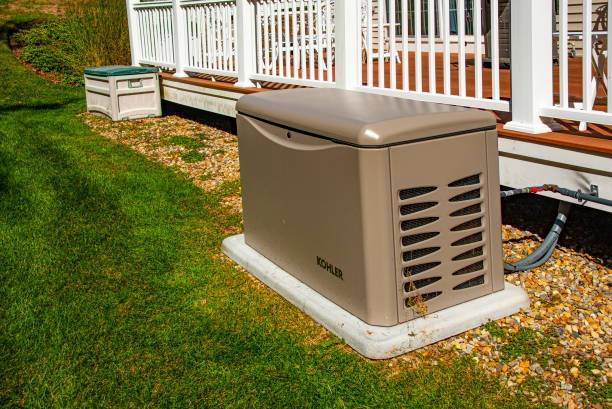
Credit: bluedotme.com
Resolving Power Output Issues
Power output issues in Cummins standby generators can disrupt your electricity supply. These problems often stem from settings, wiring, or transfer switch faults. Fixing these helps restore stable power quickly. Below are key steps to resolve power output problems.
Adjusting Voltage Settings
Incorrect voltage settings cause weak or unstable power output. Check the generator’s control panel for voltage configurations. Match settings to your home or business power needs. Use a multimeter to verify output voltage. Adjust the voltage dial carefully to the recommended level. Small changes can improve power quality and stability.
Repairing Wiring Faults
Wiring faults often cause power interruptions and low output. Inspect all wiring connections for loose or damaged wires. Tighten any loose screws and replace frayed cables. Look for corrosion or burnt marks on wires and terminals. Clean or replace faulty parts to ensure proper current flow. Proper wiring repairs prevent future power failures.
Testing Load Transfer Switch
The load transfer switch directs power during outages. A faulty switch can cause power loss or delay. Test the switch by simulating a power outage. Listen for smooth switching sounds and check power flow. If the switch hesitates or fails, it needs repair or replacement. Reliable switch operation ensures quick, stable power transfer.
Maintaining Your Generator
Maintaining your Cummins standby generator is key to keeping it reliable. Regular care helps avoid many common problems. Simple steps extend the life of your generator and keep it ready for use. Follow easy maintenance tasks to ensure smooth operation.
Regular Inspection Schedule
Check your generator often. Look for leaks, unusual sounds, or worn parts. Note any signs of damage or corrosion. Create a routine inspection plan. Monthly checks can catch issues early. Keep a log of each inspection for reference.
Cleaning And Replacing Filters
Clean air and fuel filters regularly. Dirty filters reduce generator efficiency. Replace filters according to the manual’s schedule. This prevents clogging and engine strain. Use only recommended filter types for best results.
Battery Maintenance Tips
Check the battery charge and connections. Clean battery terminals to avoid corrosion. Test the battery voltage monthly. Replace weak or old batteries promptly. A strong battery ensures your generator starts quickly.
Software And Firmware Updates
Keep your generator’s software up to date. Updates fix bugs and improve performance. Check Cummins’ website or contact support for updates. Install new versions carefully following instructions. Updated software helps prevent control system errors.

Credit: turnkey-industries.com
When To Call A Professional
Knowing when to call a professional for Cummins standby generator problems is important. Some issues may seem small but can lead to bigger damage. Others need expert tools and skills to fix safely. Acting too late or trying to fix complex problems alone can cause more harm.
Identifying Complex Problems
Not all generator problems are simple. Strange noises, frequent shutdowns, or failure to start need expert checks. Electrical faults or fuel system issues require special knowledge. Professionals can diagnose these problems accurately. They use equipment that detects hidden faults quickly.
Safety Precautions
Generators involve electricity and fuel, which are dangerous. Trying to repair without proper safety can cause injury or fire. Professionals follow strict safety rules. They have protective gear and training to handle risks. Leaving repairs to experts protects your home and family.
Choosing A Certified Technician
Pick a technician certified for Cummins generators. Certification shows they have proper training. Experienced techs understand the brand and its parts. They use genuine parts that fit well and last longer. Certified technicians provide reliable and safe repairs.
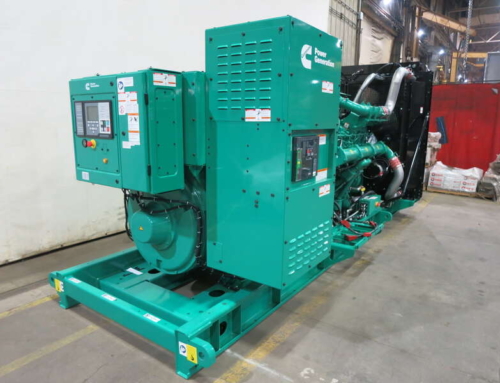
Credit: csdieselgenerators.com
Frequently Asked Questions
What Are Common Cummins Standby Generator Problems?
Common issues include starting failures, fuel system problems, and battery faults.
How To Troubleshoot A Cummins Generator That Won’t Start?
Check fuel, battery charge, and error codes on the control panel.
Why Does My Cummins Generator Lose Power During Operation?
Possible causes are fuel supply issues, clogged filters, or engine overheating.
How Often Should Cummins Standby Generators Be Serviced?
Service every 6 months or after 100 hours of use for best performance.
Can Cold Weather Affect Cummins Standby Generator Performance?
Yes, cold can cause battery and fuel problems, reducing generator efficiency.
Conclusion
Cummins standby generators offer reliable power backup. Problems can happen but many are easy to fix. Regular checks help keep the system running well. Knowing common issues saves time and stress. Keep the generator clean and test it often. Quick action stops small problems from growing.
Trust your generator to work when needed most. Stay prepared and enjoy peace of mind.