
If you own a Chrysler 300, you might be worried about transmission problems that can disrupt your driving experience. Transmission issues are more common than you think, and ignoring them can lead to costly repairs.
You need to know what signs to watch for and how to handle these problems before they get worse. This article will help you understand the most frequent Chrysler 300 transmission troubles and what steps you can take to keep your car running smoothly.
Keep reading—you deserve to drive with confidence and avoid unexpected breakdowns.
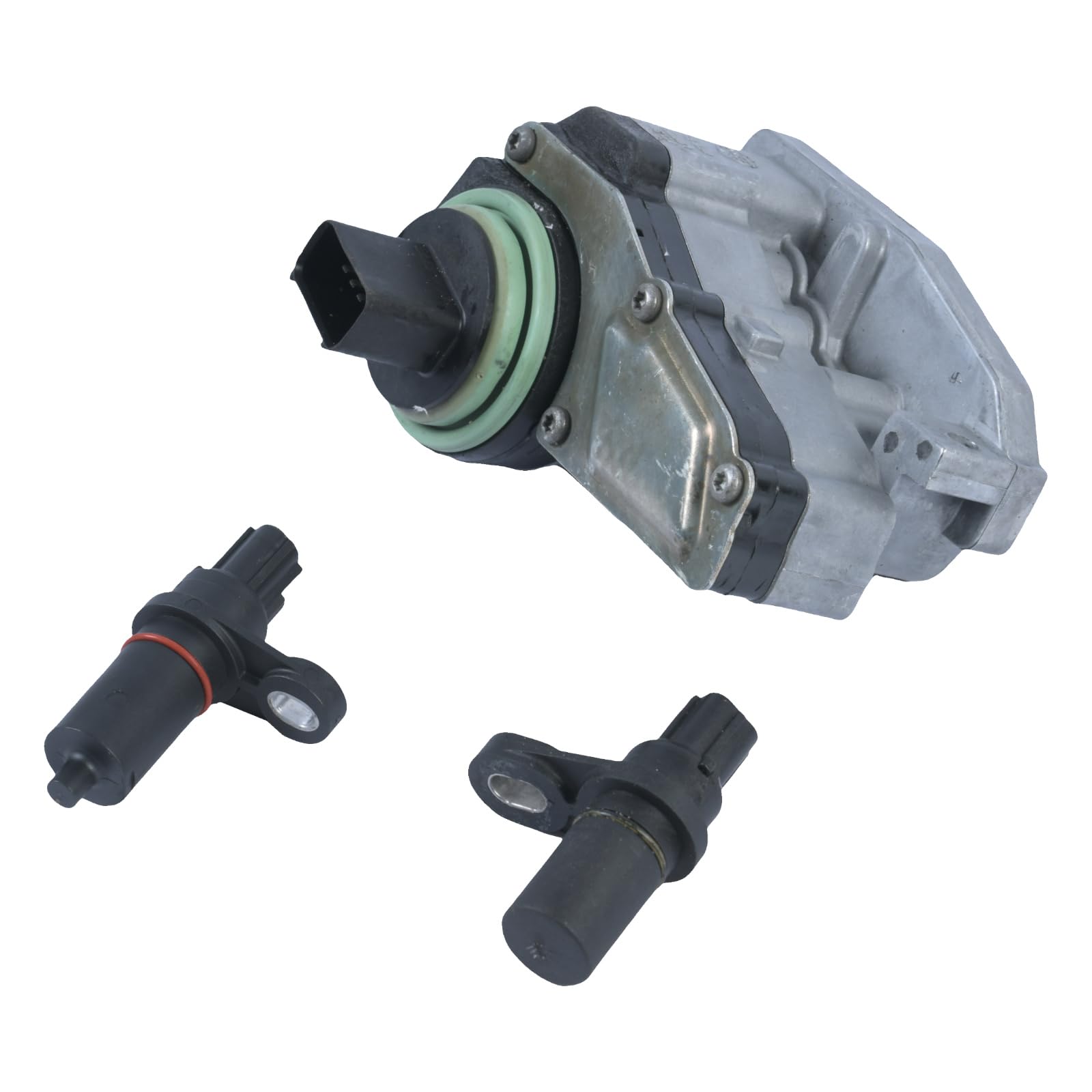
Credit: www.amazon.com
Chrysler 300 Transmission Overview
The Chrysler 300 uses a powerful transmission system to deliver smooth rides. It pairs well with the car’s strong engine. This helps drivers enjoy a steady and controlled drive.
The transmission shifts gears automatically. This makes driving easier in city and highway conditions. It also improves fuel efficiency and engine performance.
Types Of Transmissions In Chrysler 300
The Chrysler 300 mainly uses automatic transmissions. Most models have an 8-speed automatic transmission. Older models might have a 5-speed or 6-speed automatic.
These transmissions help in quick and smooth gear changes. They adjust based on speed and driving style. This keeps the engine running efficiently.
Common Transmission Issues
Some Chrysler 300 owners report transmission slipping. This means the car changes gears unexpectedly. Delayed shifting is another frequent problem.
Transmission fluid leaks also affect performance. Low fluid causes overheating and damage. These issues can lead to costly repairs if ignored.
Transmission Maintenance Tips
Regular fluid checks are essential. Use the recommended transmission fluid type. Changing fluid at set intervals prevents many problems.
Pay attention to any unusual noises or shifts. Early diagnosis helps avoid major damage. A professional inspection can keep the transmission healthy.

Credit: www.youtube.com
Common Transmission Problems
Transmission problems in the Chrysler 300 can cause serious driving issues. These problems often show up as strange noises or poor shifting. Recognizing common symptoms early helps prevent bigger repairs. Below are the most frequent transmission problems in the Chrysler 300.
Slipping Gears
Slipping gears means the transmission changes gears unexpectedly. This causes the car to lose power suddenly. It feels like the engine revs but the car doesn’t move fast. Worn out clutch plates or low transmission fluid often cause slipping.
Delayed Shifting
Delayed shifting happens when the transmission takes too long to change gears. The car may hesitate or jerk during acceleration. This issue can result from old transmission fluid or a failing solenoid. Delayed shifts can damage other parts if not fixed.
Transmission Overheating
Overheating damages the transmission’s internal parts. It can happen during heavy traffic or towing. Signs include a burning smell or warning lights on the dashboard. Low fluid levels or clogged coolers often cause overheating.
Fluid Leaks
Transmission fluid leaks reduce lubrication and cause damage. The fluid is usually red or brown and slippery. Leaks often come from damaged seals, gaskets, or cracked transmission pans. Regular fluid checks help catch leaks early.
Harsh Shifting
Harsh shifting means the gears change with a jolt or shock. The ride feels rough and uncomfortable. This problem can be caused by worn gears, bad fluid, or faulty sensors. Prompt repairs improve smooth driving and prevent further damage.
Check Engine Light And Error Codes
The check engine light can indicate transmission trouble. Error codes stored in the car’s computer help identify the problem. Use a scanner to read codes or visit a mechanic. Ignoring warning lights can lead to costly repairs.
Causes Of Transmission Issues
Transmission problems in the Chrysler 300 can stem from various causes. These issues affect driving smoothness and vehicle safety. Understanding the root causes helps diagnose and fix problems early. Below are common causes of transmission troubles in this vehicle.
Worn Clutch Plates
Clutch plates inside the transmission wear out over time. Worn plates cause slipping and poor gear shifts. They reduce the transmission’s ability to transfer power correctly. Regular use and heat cause the plates to degrade.
Faulty Solenoids
Transmission solenoids control fluid flow and gear changes. Faulty solenoids disrupt fluid movement, causing shifting delays or errors. Electrical issues or wear can damage these small but vital parts. A bad solenoid often triggers warning lights.
Low Or Contaminated Transmission Fluid
Transmission fluid lubricates and cools internal parts. Low fluid levels cause overheating and increased wear. Contaminated fluid carries dirt and debris that harm the transmission. Regular fluid checks and changes prevent many problems.
Valve Body Malfunctions
The valve body directs hydraulic fluid to shift gears smoothly. Malfunctions cause rough or delayed shifting. Dirt, wear, or internal damage can block fluid flow. Valve body issues often lead to noticeable transmission performance drops.
Mechanical Wear And Tear
Gears, bearings, and seals inside the transmission wear down naturally. This wear leads to noises, leaks, and shifting problems. Harsh driving and lack of maintenance speed up this process. Mechanical wear requires professional inspection and repair.
Diagnostic Steps
Diagnosing transmission problems in a Chrysler 300 requires a clear and careful approach. Each step helps find the root cause. The process starts with simple checks and moves to detailed inspections. Understanding these steps can save time and money.
Fluid Inspection
Check the transmission fluid first. It should be clean and red. Dark or burnt fluid signals trouble. Low fluid levels can cause slipping or rough shifts. Always inspect the fluid with the engine warm and running. This step reveals many common issues early.
Error Code Scanning
Use a scanner to read error codes from the car’s computer. The codes point to specific problems. This tool helps identify sensor or electronic faults. It saves guessing and unnecessary repairs. Clear codes after fixing to see if the problem returns.
Test Drive Observations
Drive the Chrysler 300 and note any odd behavior. Listen for noises during shifting. Feel for jerks, delays, or slipping gears. Check if the car shifts smoothly at all speeds. These clues guide the next diagnostic steps and pinpoint issues.
Visual And Physical Checks
Look under the car for leaks or damaged parts. Check transmission mounts and linkages for wear. Inspect wiring and connectors for damage or corrosion. Physical signs often explain electronic or fluid problems. These checks complete the diagnostic picture.
Diy Fixes And Maintenance Tips
Transmission problems in the Chrysler 300 can often be managed at home. Simple fixes and regular care help keep your car running smoothly. Basic steps like changing fluids and resetting controls can prevent costly repairs.
Changing Transmission Fluid
Clean transmission fluid is key for smooth gear shifts. Check your owner’s manual for the right fluid type. Drain old fluid carefully and replace it with fresh fluid. This removes dirt and helps avoid overheating. Regular fluid changes extend transmission life and improve performance.
Replacing Filters
Transmission filters trap dirt and debris inside your car. Over time, these filters get clogged and reduce fluid flow. Replace the filter as part of your maintenance routine. A new filter helps keep your transmission clean and working well. This step prevents damage from dirty fluid buildup.
Resetting Transmission Control Module
The Transmission Control Module (TCM) manages gear changes electronically. Sometimes, the TCM needs a reset to fix shifting issues. You can reset it by disconnecting the battery for a few minutes. This clears error codes and allows the module to restart. A reset often solves minor problems without a mechanic visit.
Regular Maintenance Schedule
Follow a regular maintenance schedule for your Chrysler 300. Check transmission fluid and filters every 30,000 miles. Inspect for leaks and unusual noises regularly. Early attention to small issues prevents bigger problems later. Staying consistent with maintenance keeps your transmission healthy and reliable.
When To Visit A Mechanic
Knowing when to visit a mechanic for Chrysler 300 transmission problems can save you time and money. Early action helps avoid bigger issues later. Pay attention to unusual signs and noises from your car’s transmission. Don’t wait until the problem worsens or causes a breakdown. Regular checks can keep your transmission healthy and your drives smooth.
Persistent Problems
Persistent slipping or jerking during gear shifts needs mechanic attention. Strange noises like grinding or whining also signal trouble. Delays in response or rough shifting can damage other parts. A mechanic can diagnose these issues early and prevent costly repairs.
Major Repairs
Major repairs become necessary if fluid leaks or overheating occur. Warning lights on the dashboard often indicate serious transmission faults. Avoid driving if the car feels unstable or stalls. Mechanics can fix or replace worn parts to restore performance.
Transmission Rebuild Or Replacement
Severe damage may require a transmission rebuild or complete replacement. This happens if the transmission fails to shift gears properly at all. A mechanic will inspect and advise the best option for your Chrysler 300. Acting quickly can save money and extend your car’s life.
Preventing Future Transmission Issues
Preventing future transmission issues in your Chrysler 300 saves time and money. Taking care of your transmission helps the car run smoothly. Small efforts now stop big problems later. Here are simple ways to protect your transmission and keep it healthy.
Driving Habits
Drive gently to reduce transmission wear. Avoid sudden stops and quick starts. Use lower gears on hills to ease strain. Give the transmission time to warm up in cold weather. Avoid pushing your car hard when it is still cold.
Routine Inspections
Check your transmission fluid regularly. Look for leaks or dirty fluid. Listen for unusual noises when driving. Early signs often show before big problems. Schedule regular visits with a trusted mechanic. Timely inspections catch issues early and save costs.
Using Recommended Fluids
Use only the transmission fluid suggested by Chrysler. Different fluids can harm your transmission. Check your owner’s manual for the right type. Using the correct fluid keeps parts lubricated and cool. Regular fluid changes keep the transmission working well.

Credit: www.transmissiondigest.com
Frequently Asked Questions
What Are Common Transmission Problems In Chrysler 300?
Common issues include slipping gears, hard shifting, delayed engagement, and transmission fluid leaks.
How To Identify Transmission Slipping In Chrysler 300?
The car may change gears suddenly or lose power during acceleration, signaling slipping gears.
What Causes Hard Shifting In Chrysler 300 Transmissions?
Low transmission fluid or worn parts often cause rough or hard gear changes.
How Often Should Chrysler 300 Transmission Fluid Be Changed?
Changing fluid every 30,000 to 60,000 miles helps prevent transmission problems.
Can Transmission Problems Affect Chrysler 300 Fuel Efficiency?
Yes, transmission issues can reduce fuel economy by causing poor gear shifts and engine strain.
Conclusion
Transmission problems can cause serious issues for your Chrysler 300. Early signs help you avoid costly repairs. Regular checks and timely fixes keep your car running smooth. Trust your mechanic and act fast when problems appear. Taking care of your transmission means better driving and safety.
Stay alert to noises, slipping gears, or delays. A healthy transmission ensures a longer life for your vehicle. Don’t ignore small problems—they often grow bigger. Keep your Chrysler 300 strong by watching its transmission closely.