
Is your central heat and air heat not working when you need it most? Feeling the chill creep in can be frustrating and uncomfortable.
You depend on your heating system to keep your home warm, but when it suddenly stops, it throws everything off balance. Don’t worry—this article will help you understand why your heat might be failing and what you can do to fix it quickly.
Keep reading to regain control of your comfort and avoid costly repairs.
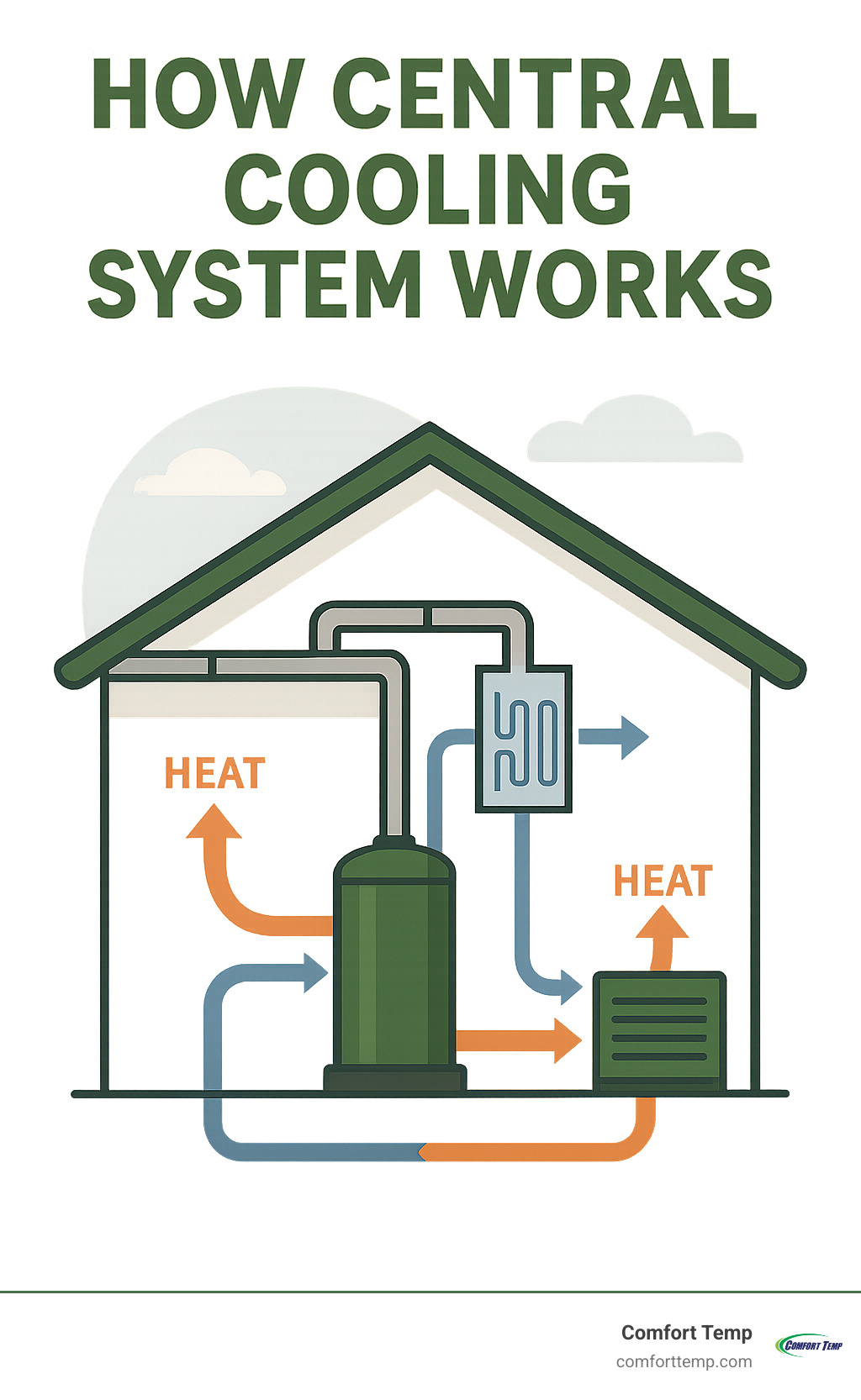
Credit: comforttemp.com
Common Causes Of Heat Failure
Central heat and air systems may stop producing heat for several reasons. Knowing these common causes helps in quick troubleshooting. Many issues are simple and can be fixed without expert help. Understanding the root problem saves time and money.
Thermostat Issues
A faulty thermostat often causes heat failure. It may not send the right signals to the heater. Loose wires or dead batteries can stop the thermostat from working. Incorrect settings, like being on cooling mode, prevent heat from turning on.
Power Supply Problems
Heat systems need a steady power supply. Tripped circuit breakers or blown fuses can cut power. Loose electrical connections also cause interruptions. Without power, the heating system cannot operate.
Dirty Or Clogged Filters
Filters trap dust and dirt to protect the system. Over time, they get dirty and block airflow. Reduced airflow causes the heater to work harder and may stop heat production. Regular cleaning or replacement keeps the system efficient.
Pilot Light Or Ignition Failure
Gas heaters use a pilot light or electronic ignition to start heating. If the pilot light goes out, the system cannot produce heat. Faulty ignition systems also stop the heater from lighting. Checking these parts helps restore heat quickly.

Credit: www.supertechhvac.com
Quick Checks Before Calling A Technician
Central heating and air systems may stop working for simple reasons. Checking a few things first can save time and money. These quick steps often fix the problem without calling a technician. Try these easy checks to see if the system can start working again.
Resetting The System
Resetting the system can clear small errors. Turn off the power switch near the unit. Wait about five minutes to let it reset. Turn the switch back on and listen for the system to start. This simple step often solves minor glitches.
Inspecting The Circuit Breaker
The circuit breaker may trip and stop power. Find your breaker box and look for any switches turned off. Flip any off switches back to the on position. Check if the system begins to work. A tripped breaker is a common cause of outages.
Checking The Thermostat Settings
Thermostat settings can stop heat if not correct. Make sure it is set to heat mode, not cool. Check the temperature setting is higher than the room’s current temperature. Replace old batteries if the display looks dim. Incorrect thermostat settings often cause no heat.
Simple Diy Fixes
Simple DIY fixes can solve many common heating problems. These steps help save time and avoid costly repairs. Most fixes need only basic tools and little experience. Try these easy actions before calling a professional.
Replacing Air Filters
Dirty air filters block airflow and reduce heat. Replace filters every 1 to 3 months for best results. Turn off your system first. Remove the old filter carefully. Insert the new filter in the right direction. Clean filters improve air quality and system efficiency.
Relighting The Pilot Light
Many heaters stop working if the pilot light goes out. Find the pilot light assembly near the burner. Turn off the gas and wait a few minutes. Follow the manufacturer’s steps to relight the pilot. Use a long lighter or match safely. A lit pilot restarts the heating process quickly.
Cleaning Vents And Registers
Blocked vents stop warm air from reaching rooms. Remove vent covers and clean dust and dirt. Use a vacuum or brush to clear debris. Make sure vents are fully open. Clean vents help heat spread evenly and improve comfort.
When To Seek Professional Help
Knowing when to call a professional for your central heat and air system saves time and stress. Some problems need expert attention to keep your home safe and warm. Ignoring signs can cause bigger damage or safety risks.
Unusual Noises Or Smells
Strange sounds like banging or screeching signal a problem. Odd smells, such as burning or gas odors, show serious issues. These signs mean your system needs a professional check immediately. Do not try to fix these problems yourself.
Persistent Heating Issues
If your heater stops working often, it needs expert help. Short heating cycles or uneven warmth are warning signs. A technician can find hidden problems and fix them right. Avoid using the system until it is properly repaired.
Gas Leak Concerns
Smelling gas or suspecting a leak is dangerous. Gas leaks can cause fires or health problems. Turn off the system and leave the house quickly. Call a professional to inspect and repair the leak safely.
Preventive Tips For Reliable Heating
Keeping your central heating system working well means taking simple steps often. Preventive care helps avoid sudden breakdowns and keeps your home warm. These tips help your heater run smoothly through cold days.
Regular Maintenance Schedule
Set a routine to check your heating system twice a year. Hire a professional to inspect all parts. They find small problems early before they grow. Change filters regularly to keep air clean and flow steady. This saves energy and extends your system’s life.
Upgrading Thermostats
Old thermostats can cause heating issues. A new, programmable thermostat controls temperature better. It adjusts heat automatically for comfort and energy savings. Easy to use and helps prevent overheating or underheating.
Keeping The System Clean
Dust and dirt build up inside the heater over time. Clean vents, ducts, and coils to improve airflow. Clear debris around the outdoor unit for best performance. Clean systems work harder and last longer.
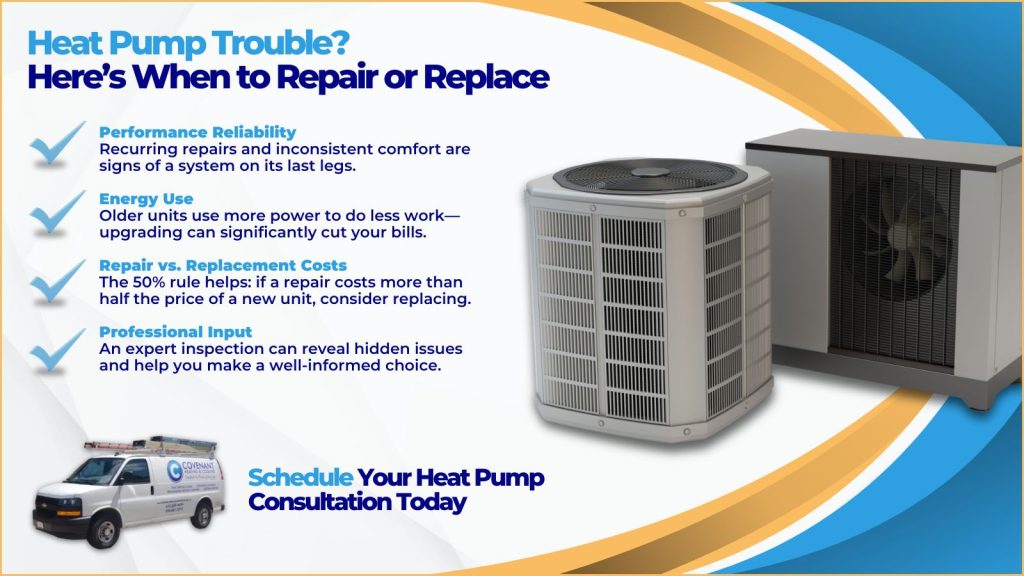
Credit: www.covenantheatingandcooling.com
Frequently Asked Questions
Why Is My Central Heat And Air Not Heating Properly?
Common causes include dirty filters, thermostat issues, or a malfunctioning pilot light.
How Do I Reset My Central Heating System?
Turn off power, wait 5 minutes, then turn it back on to reset the system.
Can A Dirty Air Filter Stop Heating?
Yes, clogged filters block airflow, causing the system to work poorly or stop heating.
When Should I Call A Professional For Central Heat Issues?
Call a technician if troubleshooting steps don’t fix the problem or if you smell gas.
How Often Should Central Heat And Air Be Serviced?
Service your system at least once a year to maintain efficiency and prevent breakdowns.
Conclusion
Central heat and air not working can cause big problems at home. Quick action helps keep your space warm or cool. Check simple issues like power and thermostat settings first. Regular maintenance stops many breakdowns before they start. Call a trusted technician if problems continue.
Staying calm and informed makes repairs easier. Your comfort depends on a working system. Keep it running smoothly for peace of mind. Simple steps can save time and money. Don’t wait too long to fix the problem.