
If you own a vehicle with an Allison 10 Speed Transmission, you know how important it is for your ride to shift smoothly and perform reliably. But what happens when your transmission starts acting up?
You might notice strange noises, slipping gears, or delayed shifts that disrupt your driving experience. These issues can be frustrating and costly if left unchecked. You’ll discover the most common Allison 10 Speed Transmission problems and learn how to spot them early.
By understanding what’s going wrong, you can save time, avoid expensive repairs, and keep your vehicle running at its best. Keep reading to protect your investment and get back on the road with confidence.

Credit: monstertransmission.com
Common Allison 10 Speed Transmission Issues
The Allison 10 Speed transmission is popular for many vehicles. It offers smooth shifting and good fuel efficiency. Still, it has some common issues that users should know. These problems affect performance and can cause damage if ignored. Understanding these issues helps in early detection and repair.
Shift Delays And Harsh Shifting
Shift delays happen when the transmission takes too long to change gears. This causes a rough ride and jerks. Harsh shifting feels like sudden, hard gear changes. Both problems reduce driving comfort and may signal worn parts or low fluid.
Overheating Problems
Overheating is a frequent issue with the Allison 10 Speed. High temperatures cause the transmission fluid to break down. This leads to poor lubrication and faster wear. Overheating can happen from heavy loads or poor cooling systems.
Torque Converter Troubles
The torque converter can cause slipping or shuddering. This part transfers power from the engine to the transmission. When it fails, the vehicle may stall or lose power. Torque converter problems often need professional repair.
Fluid Leaks And Contamination
Fluid leaks reduce the transmission’s ability to work properly. Contaminated fluid causes internal damage and poor shifting. Regular fluid checks and changes prevent leaks and keep the system clean.
Electronic Control Failures
The Allison 10 Speed uses electronic controls for smooth operation. Failures in sensors or control modules cause shift errors. These electronic issues may trigger warning lights and require diagnostics to fix.

Credit: www.amazon.com
Causes Behind Transmission Problems
The Allison 10 Speed transmission is strong but can face problems over time. Various causes can lead to transmission issues. Knowing these causes helps with quick fixes and maintenance. This section explains the common reasons behind transmission problems.
Worn Clutch Packs
Clutch packs help the transmission shift gears smoothly. Over time, they wear down due to friction and use. Worn clutch packs cause slipping and rough shifting. This wear reduces transmission performance and can cause damage.
Valve Body Malfunctions
The valve body controls fluid flow inside the transmission. Faulty valves or blockages disrupt this flow. Malfunctions lead to delayed or harsh gear changes. Valve body issues often cause erratic transmission behavior.
Sensor And Wiring Issues
Sensors send important data to the transmission control unit. Damaged sensors or loose wiring cause wrong signals. These errors confuse the transmission and cause poor shifting. Electrical problems are common causes of transmission faults.
Improper Fluid Levels
Transmission fluid lubricates and cools the system. Low or dirty fluid harms transmission parts. Insufficient fluid causes overheating and poor gear engagement. Regular checks and changes keep fluid at proper levels.
Heat-related Component Damage
Heat is a major enemy of transmissions. Excess heat breaks down fluid and parts inside. Overheating causes seals, clutches, and valves to fail. Good cooling and fluid care prevent heat damage effectively.
Diagnostic Steps For Allison Transmissions
Diagnosing problems with Allison 10 Speed transmissions requires careful steps. These steps help find the issue fast and avoid costly repairs. A clear process guides technicians through the checks needed. Each step gives important clues about the transmission’s health.
Following a structured diagnosis saves time and money. It also ensures the transmission works well after repairs. The process involves scanning, inspecting, testing fluids, and driving checks.
Scanning For Error Codes
Start by connecting a diagnostic scanner to the transmission system. This tool reads error codes stored in the vehicle’s computer. These codes point to specific problems or faulty parts. The scanner helps pinpoint issues like sensor failures or electrical faults. Technicians can then focus on the exact area needing repair.
Visual And Physical Inspections
Next, inspect the transmission visually and physically. Look for leaks, damaged wires, or loose connections. Check the transmission case and surrounding parts for cracks or wear. Physical checks include feeling for unusual noises or vibrations. These signs often reveal hidden problems not detected by scanners.
Fluid Analysis
Transmission fluid gives clues about internal conditions. Check fluid color, smell, and level carefully. Dark or burnt-smelling fluid indicates overheating or wear. Low fluid levels suggest leaks or poor maintenance. Testing fluid condition helps decide if a flush or full replacement is needed.
Test Driving And Performance Checks
Finally, test drive the vehicle to observe transmission behavior. Watch for rough shifts, slipping, or delayed engagement. Note any unusual noises during acceleration or deceleration. Performance checks confirm the diagnosis and verify repairs. Driving tests ensure the transmission operates smoothly under real conditions.
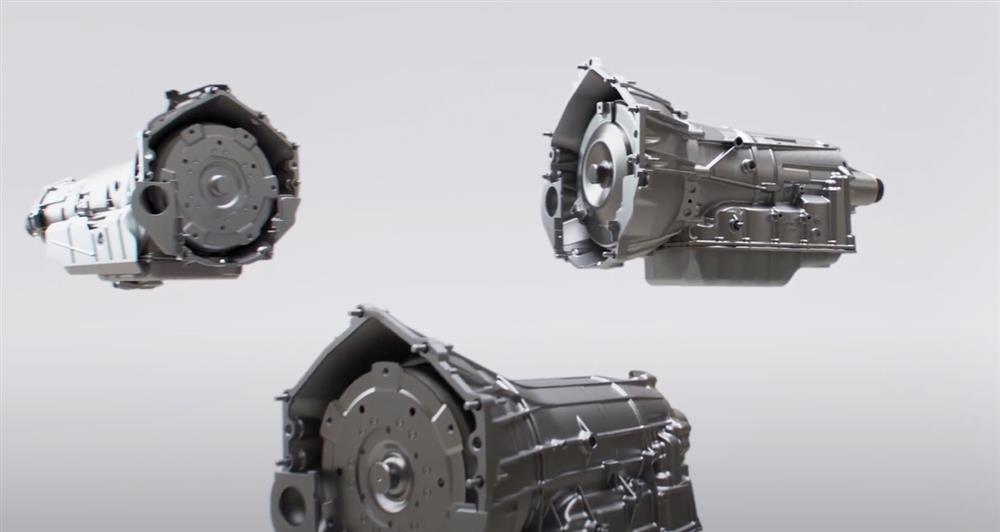
Credit: bossindustrial.com
Repair And Maintenance Solutions
Repair and maintenance solutions are key to keeping Allison 10 Speed transmissions working well. These transmissions are complex and need proper care to avoid costly problems. Regular attention helps maintain smooth shifting and extend the life of the transmission.
Understanding the main repair areas and maintenance steps can save time and money. Simple fixes and scheduled checks prevent many common issues. Focus on the most important parts and procedures for best results.
Fluid Replacement And Upgrades
Changing transmission fluid regularly is critical. Old fluid causes slipping and overheating. Use the correct Allison-approved fluid for best performance. Upgrading to high-quality fluid can improve shifting and protect internal parts.
Check fluid levels often. Low fluid leads to damage. Clean fluid helps keep the transmission cool and smooth.
Valve Body Repairs And Replacements
The valve body controls gear changes. Faulty valves cause rough or delayed shifting. Repairing or replacing worn valve bodies restores smooth operation.
Experienced technicians can diagnose valve body issues quickly. Clean and replace valves as needed to avoid bigger problems.
Torque Converter Servicing
The torque converter transfers engine power to the transmission. Problems here cause shuddering or slipping. Servicing the converter improves power flow and fuel efficiency.
Check the torque converter for damage or wear. Replace seals and bearings to prevent leaks and noise.
Software Updates And Reprogramming
Modern Allison transmissions use software for control. Updates fix bugs and improve shifting logic. Reprogramming adapts the transmission to specific vehicle needs.
Regular software checks ensure the transmission runs with the latest features and fixes. This can improve drivability and prevent faults.
Regular Preventative Maintenance Tips
Inspect transmission parts regularly. Look for leaks, worn seals, and loose connections. Clean the transmission and surrounding areas.
Schedule routine service with a trained mechanic. Follow the manufacturer’s maintenance schedule closely. Early detection of issues avoids expensive repairs later.
When To Seek Professional Help
Knowing when to seek professional help for Allison 10 speed transmission problems can save you from costly repairs. Some issues may seem small but could indicate serious damage. Acting early helps protect your vehicle’s performance and safety.
Signs Of Severe Transmission Damage
Watch for slipping gears or delayed shifting. Strange noises like grinding or whining mean trouble. Fluid leaks or burnt smells also signal damage. Warning lights on the dashboard should never be ignored. These signs show the transmission needs expert attention.
Choosing The Right Transmission Specialist
Select a mechanic with Allison transmission experience. Check reviews and ask for recommendations. Confirm they use genuine parts and proper tools. Skilled technicians provide accurate diagnosis and repairs. This choice ensures your transmission gets the best care.
Cost Considerations For Repairs
Transmission repairs vary widely in price. Minor fixes cost less than full rebuilds. Ask for a detailed estimate before work starts. Compare prices but focus on quality service. Investing in good repairs prevents repeated issues and expenses.
Warranty And Service Options
Check if repairs come with a warranty. Warranties offer peace of mind and protection. Some shops provide maintenance plans for future care. Regular service helps avoid big transmission problems. Know your options to keep your transmission healthy.
Frequently Asked Questions
What Are Common Allison 10 Speed Transmission Problems?
Common issues include shifting delays, slipping gears, overheating, and fluid leaks.
How To Identify Allison 10 Speed Transmission Slipping?
Notice sudden RPM changes without speed increase or strange noises during gear shifts.
Why Does My Allison 10 Speed Transmission Overheat?
Overheating often happens due to low fluid, heavy loads, or poor cooling system.
How Often Should Allison 10 Speed Transmission Fluid Be Changed?
Fluid changes are recommended every 30,000 to 50,000 miles to keep it healthy.
Can Allison 10 Speed Transmission Problems Cause Vehicle Stalling?
Yes, severe transmission issues can lead to stalling or loss of power while driving.
Conclusion
Allison 10 speed transmission problems can affect your vehicle’s performance. Knowing common issues helps you act fast. Regular checks and maintenance keep the transmission running smoothly. Fix small problems before they grow bigger. This saves money and avoids breakdowns. Choose trusted mechanics for repairs and advice.
Stay alert to unusual noises or shifting troubles. Taking care of your transmission extends its life. Drive safely and keep your vehicle in good shape.