
Imagine stepping into your kitchen and feeling calm, focused, and truly at ease. Japandi kitchens quietly fix what most modern kitchens get wrong—they blend simplicity with function, creating a space that works for you, not against you.
If your kitchen feels cluttered, stressful, or just plain overwhelming, this design style might be exactly what you need. Keep reading to discover how Japandi kitchens can transform your daily routine and bring balance back to your home.
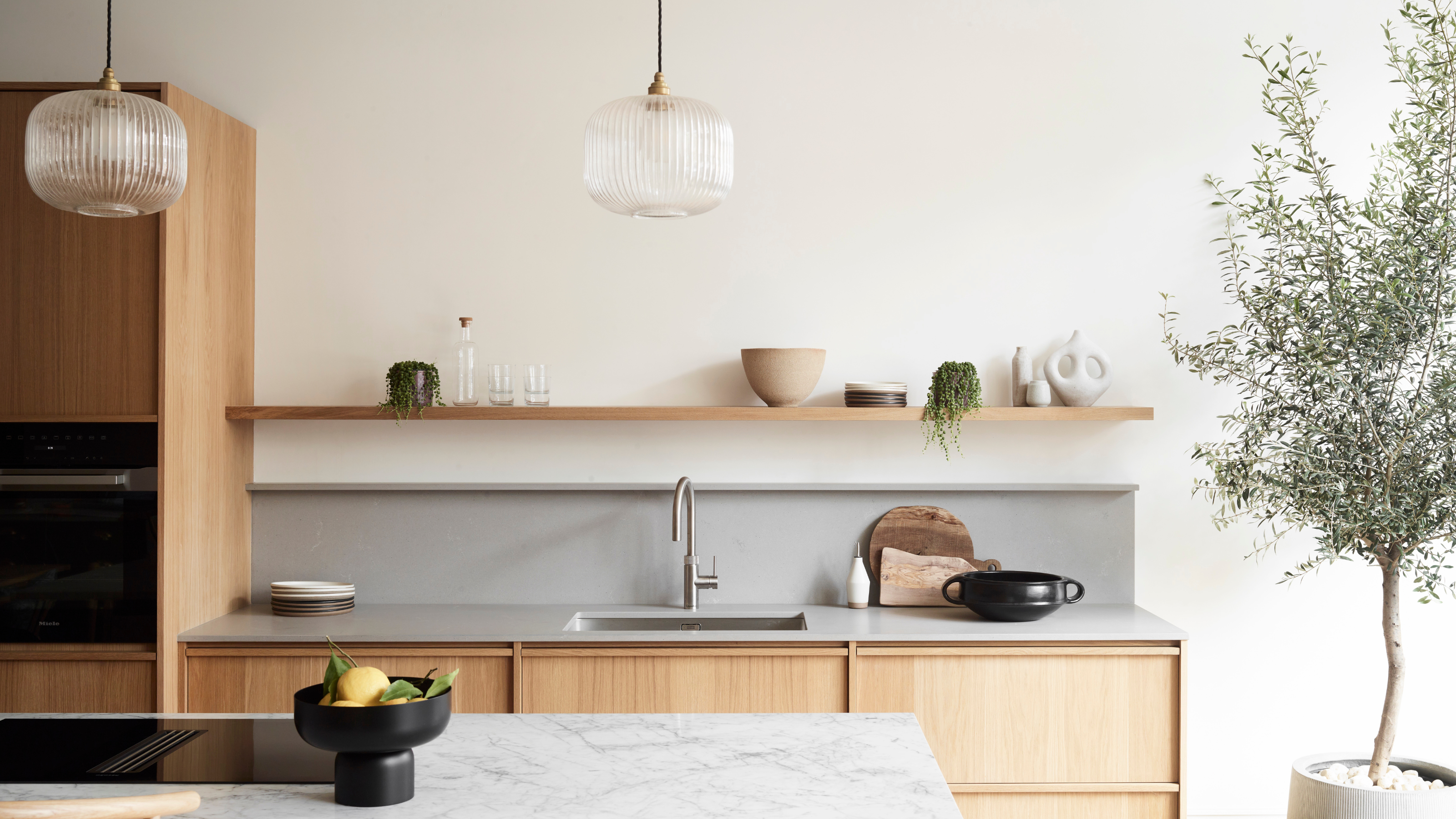
Credit: www.livingetc.com
Japandi Style Essentials
Japandi kitchens bring calm and balance to busy homes. They fix common kitchen mistakes by mixing two simple styles. This blend creates spaces that feel warm, clean, and useful. Understanding Japandi style essentials helps you design a kitchen that works and looks great.
The focus is on natural beauty and smart use of space. Japandi kitchens use soft colors, natural materials, and neat shapes. They keep the kitchen peaceful and easy to live in. Let’s explore the key parts of Japandi style.
Blending Japanese And Scandinavian Design
Japandi style mixes Japanese minimalism with Scandinavian coziness. Japanese design adds clean lines and calm order. Scandinavian design brings warmth and comfort to the space. Together, they create a kitchen that is both simple and inviting. This blend avoids clutter and focuses on function.
Key Materials And Textures
Natural wood is a must in Japandi kitchens. Light woods like oak and bamboo are popular choices. Smooth stone and ceramic add texture without noise. Soft textiles like linen or cotton give warmth. These materials create a tactile, natural atmosphere. They make the kitchen feel peaceful and lived-in.
Color Palette Choices
Neutral colors form the base of Japandi kitchens. Shades of white, beige, and gray keep the room bright. Soft pastels may appear to add subtle contrast. Darker tones like navy or black can add depth. The palette stays simple to keep the kitchen calm and clean. It never feels too busy or loud.
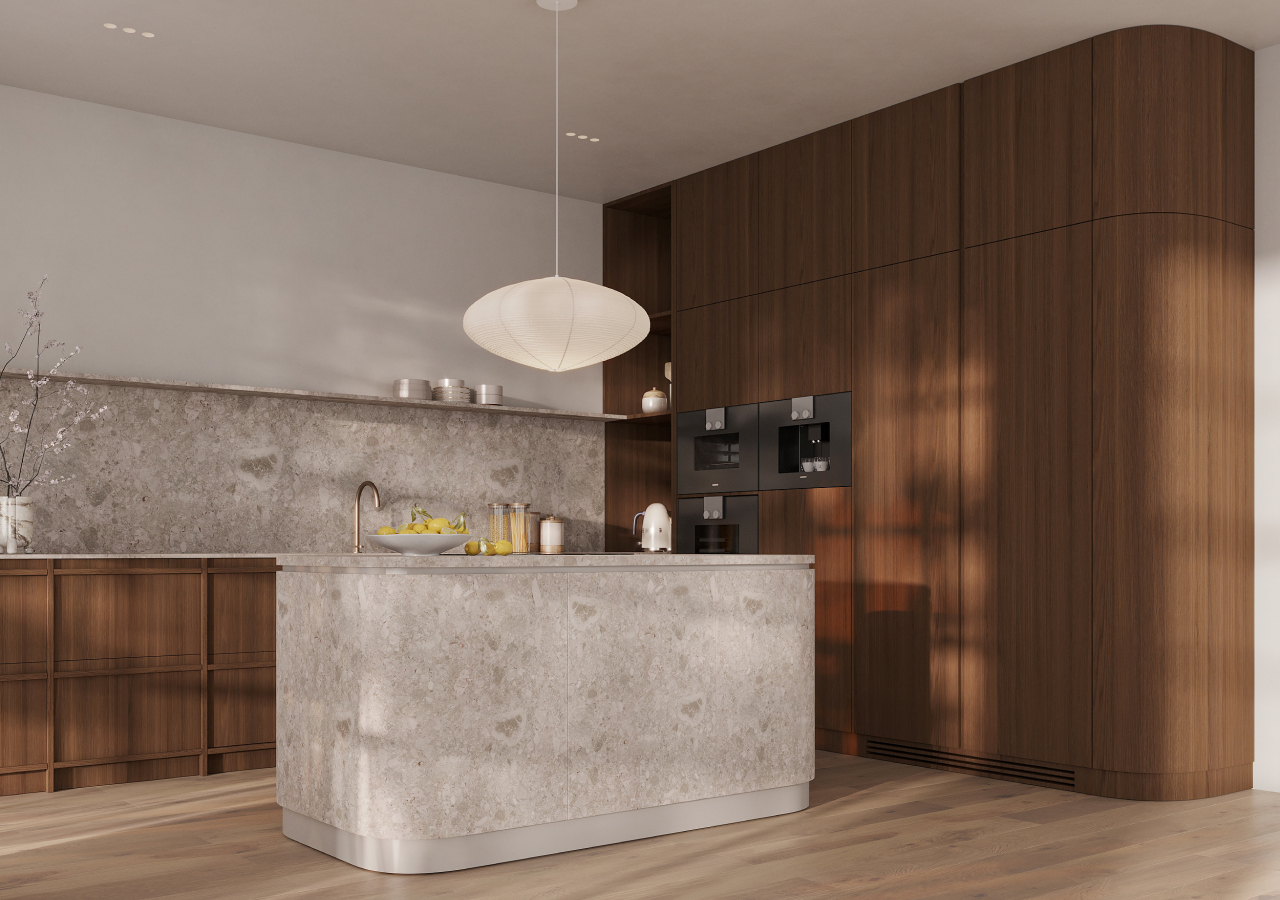
Credit: cornerrenovation.com
Common Modern Kitchen Flaws
Many modern kitchens face common problems that affect daily use and comfort. These flaws often make kitchens less enjoyable and harder to work in. Understanding these issues helps to see how Japandi kitchens solve them quietly and effectively.
Overcrowded And Cluttered Spaces
Modern kitchens often have too many items on counters and shelves. This clutter makes it hard to find things and reduces workspace. Overcrowding creates stress and slows down cooking tasks. Japandi design avoids this by focusing on simplicity and order.
Lack Of Functional Flow
Many kitchens lack a clear path between key areas like the stove, sink, and fridge. Poor layout causes extra steps and confusion while cooking. This disrupts the cooking process and wastes time. Japandi kitchens arrange elements to support smooth, natural movement.
Cold And Impersonal Atmospheres
Some modern kitchens feel empty or harsh due to too much metal and white surfaces. This coldness can make the space less welcoming. It lacks warmth that invites people to gather. Japandi style adds natural materials and soft tones for a cozy, calm feel.
How Japandi Fixes These Issues
Japandi kitchens solve common problems found in many modern kitchens. They bring calmness and order without feeling cold or empty. This style blends simplicity with comfort. It creates spaces that feel both fresh and inviting.
Minimalism With Warmth
Japandi uses minimalism to reduce clutter and stress. But it adds warmth through soft textures and muted colors. This balance stops the kitchen from feeling too bare or harsh. Every item has a purpose and fits the overall look.
Natural Elements For Balance
Wood, stone, and plants appear in Japandi kitchens. These natural elements make the space feel alive and soothing. They break the monotony of metal and plastic. This connection to nature calms the mind and enhances focus.
Streamlined Storage Solutions
Japandi kitchens hide away items with smart storage. Cabinets and drawers keep counters clean and open. This organized approach saves time and reduces frustration. Everything stays easy to find and out of sight.
Design Tips For Japandi Kitchens
Japandi kitchens blend Japanese simplicity with Scandinavian warmth. This style focuses on calm, balance, and natural beauty. Below are key design tips for creating a Japandi kitchen that feels peaceful and practical.
Each element works together to create a space that is both inviting and efficient.
Choosing The Right Materials
Use natural materials like wood and stone for a warm look. Soft wood grains add texture without clutter. Matte finishes keep surfaces calm and smooth. Avoid shiny, flashy materials that distract the eye. Natural materials also age well and feel timeless.
Incorporating Light And Space
Maximize natural light to make the kitchen bright and airy. Use sheer curtains or no curtains at all. Keep window areas clear and simple. Open shelves and minimal decor create a spacious feel. Light colors on walls and cabinets reflect light well. This helps keep the room feeling open and fresh.
Selecting Functional Yet Aesthetic Fixtures
Choose fixtures that blend form and function. Simple, clean lines work best for faucets and handles. Matte black or brushed metal finishes add elegance without being bold. Pick lighting that is soft but effective. Fixtures should support daily tasks without adding clutter. Keep designs minimal to maintain calmness.
Creating Harmony Through Layout
Creating harmony through layout is at the heart of Japandi kitchen design. This style blends Japanese simplicity with Scandinavian functionality. The result is a kitchen that feels calm, balanced, and highly practical. Thoughtful layout choices help solve common kitchen problems like clutter and poor flow. The space becomes a quiet place for cooking and gathering.
Optimizing Workflow
Japandi kitchens focus on smooth movement between tasks. The layout groups key areas like cooking, cleaning, and storage close together. This reduces steps and saves time. Clear counters and smart storage keep tools within reach. The kitchen feels open but organized. Every inch supports easy and efficient meal prep.
Open Vs. Closed Kitchen Concepts
Japandi style prefers open kitchens that blend with living spaces. This creates a feeling of spaciousness and light. Open kitchens invite family and guests to join cooking activities. Yet, the design keeps clutter out of sight with hidden storage. Closed kitchens can work too if they maintain simplicity and order. The key is balance between openness and privacy.
Integrating Dining And Cooking Areas
Japandi kitchens often merge cooking and dining zones. This encourages connection and easy serving. A simple dining table or island provides space to eat and chat. Natural materials like wood create warmth and comfort. The dining area feels part of the kitchen, not separate. This integration supports calm, shared moments in the heart of the home.
.webp)
Credit: cornerrenovation.com
Sustainability In Japandi Kitchens
Sustainability plays a key role in Japandi kitchens. This style blends Japanese minimalism with Scandinavian warmth. It creates kitchens that respect nature and reduce waste. Every design choice focuses on lasting value and eco-friendly living. This approach quietly fixes many problems found in modern kitchens. It makes spaces not only beautiful but also kind to the planet.
Eco-friendly Materials
Japandi kitchens use natural, renewable materials. Wood from sustainable forests is common. Bamboo, known for fast growth, often appears in cabinets and flooring. These materials reduce harm to the environment. They also bring warmth and texture to the kitchen. Non-toxic finishes keep indoor air clean. The choice of materials supports a healthy home and earth.
Energy-efficient Appliances
Japandi kitchens feature appliances that save energy. They use less electricity and water. This choice lowers utility bills and carbon footprints. Appliances often have simple, smart designs for easy use. Quiet operation matches the calm Japandi style. Energy-efficient tools help the kitchen work better and last longer.
Long-lasting Design Choices
Japandi kitchens focus on timeless design. Simple, clean lines avoid trends that fade fast. This means less waste from remodeling or replacing parts. Quality craftsmanship ensures durability. Every element serves a clear purpose, avoiding clutter. These kitchens stay fresh and useful for years. They support a sustainable lifestyle by lasting well beyond typical kitchens.
Personalizing Your Japandi Kitchen
Personalizing your Japandi kitchen brings warmth and individuality to its calm design. This style blends Japanese minimalism with Scandinavian coziness. It values clean lines and natural materials. Yet, personalization makes the space truly yours without clutter.
Simple touches can reflect your taste while keeping balance. Personal items become part of the kitchen’s story. Here are ways to add character subtly, keeping the peaceful Japandi feel.
Subtle Decorative Accents
Choose small decorations that match the soft color palette. Think of ceramics in earth tones or handwoven baskets. These accents add texture and interest without overpowering the space. A wooden tray or a simple vase with fresh flowers can brighten the kitchen gently. These details create a warm, inviting atmosphere.
Functional Art Pieces
Select items that serve a purpose and look beautiful. A stylish cutting board or a unique teapot can be artful and useful. These pieces blend practicality with design. They keep the kitchen tidy and elegant at once. Functional art enhances everyday tasks and adds subtle charm.
Maintaining Simplicity With Character
Keep surfaces clear and avoid excess. Choose a few meaningful objects instead of many small ones. Let each piece have space to be noticed. Materials like wood, stone, and linen add natural beauty. This approach keeps the kitchen peaceful yet full of personality. Simple but thoughtful choices create a calm, personalized space.
Frequently Asked Questions
What Makes Japandi Kitchens Different From Modern Kitchens?
Japandi kitchens blend Japanese minimalism and Scandinavian warmth. They focus on simplicity, natural materials, and functionality. This creates calm and inviting spaces.
How Do Japandi Kitchens Improve Kitchen Organization?
Japandi kitchens use clean lines and hidden storage to reduce clutter. Every item has a place, making cooking easier. This keeps the kitchen tidy and peaceful.
Why Are Natural Materials Important In Japandi Kitchen Design?
Natural materials like wood and stone add warmth and texture. They connect the indoors with nature and create a cozy feel. This helps balance the sleek modern look.
How Does Lighting Affect Japandi Kitchen Ambiance?
Soft, natural lighting is key in Japandi kitchens. It enhances the natural colors and creates a relaxing mood. Bright but gentle light feels welcoming.
Can Japandi Kitchens Fit Small Spaces Effectively?
Yes, Japandi style works well in small kitchens. Its minimal design avoids overcrowding and maximizes space. This makes even small kitchens feel open and calm.
Conclusion
Japandi kitchens bring calm and order to busy homes. They use simple designs that feel warm and neat. These kitchens fix clutter and chaos often seen today. Natural materials and soft colors create a peaceful space. Every item has a place, making cooking easier.
This style helps keep kitchens clean and inviting. Quiet beauty meets smart function in Japandi kitchens. Small changes can make a big difference in your kitchen. Choose Japandi for a kitchen that feels balanced and calm.