
Designing a garden pool that flows isn’t just about digging a hole and filling it with water. There’s a hidden art to making your pool feel like a natural part of your outdoor space.
You want it to look effortless, inviting, and perfectly balanced with your garden. But what if I told you there are crucial details most people overlook—details that can make or break the entire look and feel? If you’re ready to create a garden pool that truly flows and enhances your outdoor haven, keep reading.
You’re about to discover what nobody tells you but every garden pool designer wishes you knew.
Choosing The Right Location
Choosing the right location for your garden pool is a key step. It sets the tone for how your pool looks and feels. The spot you pick affects sunlight, privacy, and how well the pool works with your garden. Careful thought here saves future problems and adds to your pool’s charm.
Assessing Sunlight And Shade
Sunlight warms the pool water naturally. A sunny spot makes swimming more pleasant. Shade offers a cool break on hot days. Trees and walls can create shade but may drop leaves into the pool. Balance sun and shade to keep your pool enjoyable all day.
Considering Privacy And Views
Privacy matters for relaxing by the pool. Choose a spot away from neighbors’ sightlines. Use plants or fences to block views if needed. At the same time, think about views from your pool. A nice garden view or open sky can enhance your experience.
Evaluating Soil And Drainage
Good soil supports a stable pool foundation. Check if the soil drains well. Poor drainage can cause water to pool around your pool base. This may lead to damage or slippery areas. Fix drainage issues before building for a safer, longer-lasting pool.
Selecting A Flowing Pool Style
Choosing the right style for a garden pool that flows is important. The style sets the mood and fits the space around it. A flowing pool should look like part of the garden, not just added on. The design must guide water smoothly and feel natural. The style you pick will affect how you enjoy your garden and pool.
Think about what fits your garden’s look. Also, consider how you want to use the pool. The style should be easy to care for and last a long time. Balance beauty and function for a pool you love every day.
Naturalistic Vs Modern Designs
Naturalistic pools mimic nature. They use stones, plants, and curves. The water moves gently over rocks or small waterfalls. This style blends with trees and flowers. It creates a calm, peaceful place.
Modern pools have clean lines and sharp edges. They often use concrete and tiles. The water flows in straight paths or geometric patterns. This style looks sleek and simple. It fits well with modern homes and gardens.
Incorporating Water Features
Water features add movement and sound. Small fountains or waterfalls keep water flowing. They make the pool feel alive. Choose features that match your style. Natural pools work well with rock falls. Modern pools suit minimalist jets or walls.
Water features also help with water flow. They keep water clean and fresh. Thoughtful placement of features can create relaxing sounds. These sounds mask noise from outside the garden.
Balancing Aesthetics And Functionality
Beauty is important, but so is use. A pool must be easy to clean. Water should move without standing still. Flowing water stops bugs and algae from growing. Choose materials that last and need little care.
Think about safety and comfort. Steps and edges should be smooth. Lighting can highlight the flow and make night use safe. A good balance makes the pool a joy to use and see.
Materials That Enhance Flow
Choosing the right materials for a garden pool shapes its flow and feel. Materials affect water movement, look, and the overall garden mood. The right choices make the pool blend naturally with the garden. They also keep the water moving smoothly and quietly.
Stone And Pebble Options
Natural stones create smooth edges and soft curves. Pebbles let water glide over surfaces gently. They add texture and color that catch the eye. Stones like slate, limestone, or granite work well. Rounded pebbles make the water surface lively and fresh. These materials build a calm, flowing water effect.
Eco-friendly Choices
Materials from nature keep the garden pool green. Bamboo, recycled glass, and reclaimed wood fit well. They reduce waste and help the environment. Using these choices shows care for the earth. They also add a unique look to the pool design. Eco-friendly materials often last long and blend with plants.
Durability And Maintenance
Strong materials resist weather and water damage. Choose stones and finishes that stay good over time. Easy cleaning keeps the pool fresh and clear. Avoid materials that fade or crack quickly. Durable choices save money and effort later. Simple upkeep means you enjoy your garden pool more.
Integrating Plants And Landscaping
Integrating plants and landscaping into a garden pool design creates a natural, peaceful space. Plants soften the edges of the pool, making it look like part of the garden. Careful plant choice and placement help the pool blend with its surroundings. The right plants also support the pool’s health and balance. Landscaping adds texture, color, and life to the pool area. This section covers key tips for adding plants and landscaping to your garden pool.
Choosing Water-friendly Plants
Choose plants that thrive near water. These plants like moist soil or can grow in shallow water. Examples include cattails, water lilies, and irises. They add color and movement to the pool edges. Avoid plants that drop lots of leaves or flowers into the water. Such plants increase pool cleaning needs. Pick low-maintenance plants that suit your climate. Group plants with similar water needs together for easier care.
Creating Seamless Transitions
Blend the pool edges with plants and stones. Use rocks or pebbles to create natural borders. Plant low shrubs or grasses close to the pool edge. Taller plants go farther away to frame the space. Layer plants by height and texture for depth. Avoid sharp lines between pool and garden. Curved edges and mixed plants make a soft transition. This helps the pool look like part of the natural landscape.
Maintaining A Healthy Ecosystem
Plants support a balanced pool ecosystem. They provide oxygen and shelter for beneficial insects. Healthy plants reduce algae growth by competing for nutrients. Remove dead leaves and debris regularly. Check plants for pests and diseases. Avoid using chemicals near the pool that harm plants or water quality. Use natural fertilizers carefully to keep plants strong. A healthy ecosystem keeps your pool clean and beautiful.
Hidden Challenges In Design
Designing a garden pool that flows smoothly involves more than just style. Many hidden challenges can affect how the pool looks and works. Understanding these challenges helps create a beautiful and functional space.
Small issues in design can cause big problems later. These problems might affect water quality, safety, and the pool’s overall appearance. Planning carefully is key to avoiding these pitfalls.
Managing Water Circulation
Water circulation keeps the pool clean and clear. Poor circulation leads to stagnant water and algae growth. Position pumps and jets to move water evenly. Circulate water in all corners to prevent dirt buildup.
Consider natural flow patterns and the pool’s shape. Circulation must work quietly and efficiently. Regular checks ensure pumps function well and filters stay clean.
Avoiding Common Mistakes
Common design mistakes include wrong pool depth and poor material choice. Too deep or shallow pools can be unsafe. Choose slip-resistant surfaces to prevent accidents. Avoid placing the pool where debris easily falls in.
Incorrect lighting or poor drainage also causes issues. Plan lighting for both day and night use. Ensure water drains away to stop flooding or damage. These small details improve comfort and safety.
Seasonal Considerations
Seasons affect pool use and maintenance. Cold winters may require draining or covering the pool. Hot summers increase water evaporation and algae risks. Plan for easy cleaning and water level control throughout the year.
Plants near the pool change with seasons too. Choose plants that won’t drop many leaves or flowers into the water. Seasonal planning keeps the pool inviting all year round.
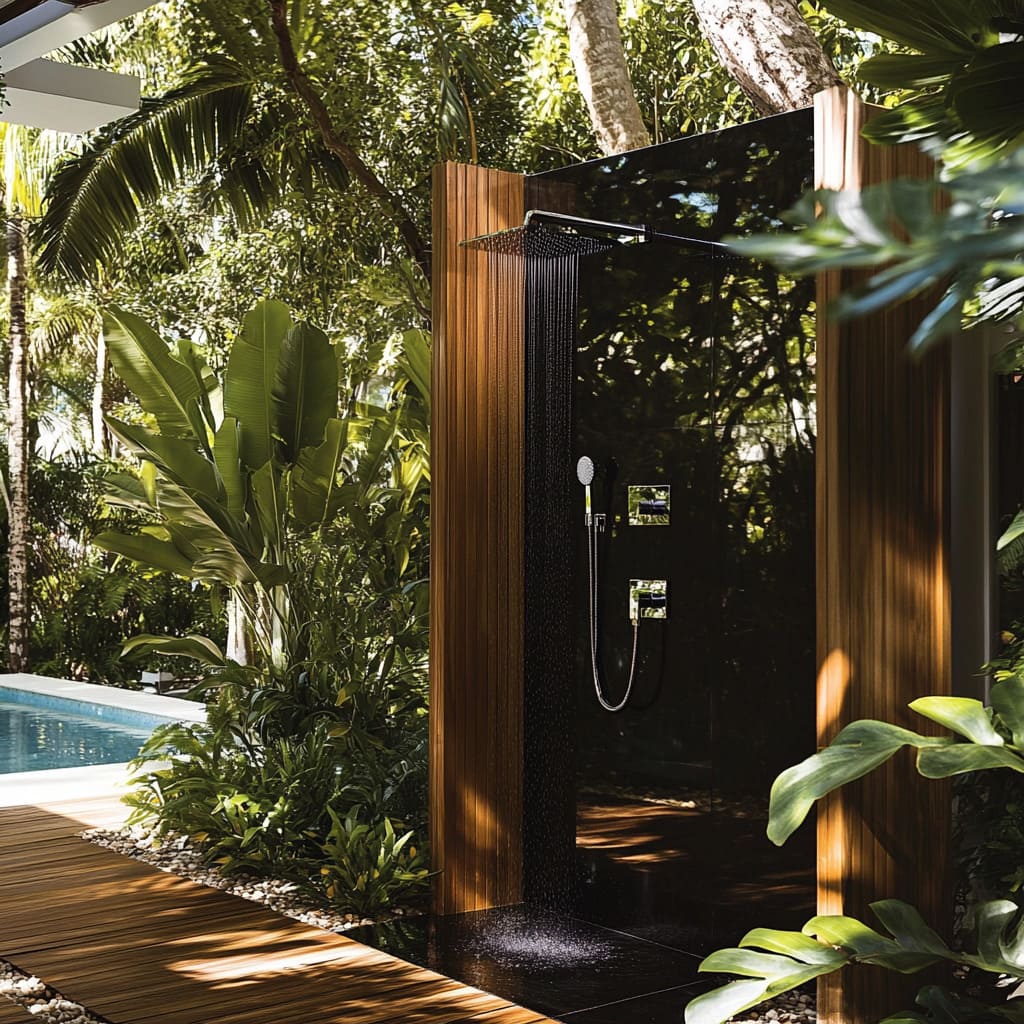
Credit: fancyhouse-design.com
Lighting And Ambience
Lighting plays a key role in designing a garden pool that flows. It shapes how you see the water and the space around it. Proper lighting creates a smooth, natural look that makes the pool feel part of the garden. It also sets the mood for relaxing evenings outdoors.
Highlighting Flow With Lighting
Use soft, layered lighting to show the pool’s movement. Place lights under the water to make ripples glow. Path lights can guide eyes along curves and edges. This draws attention to the pool’s shape and how water moves. Avoid harsh or bright lights that break the calm feel.
Safety And Energy Efficiency
Good lighting keeps the area safe at night. Brighten steps, edges, and walkways clearly. Choose LED lights for long life and low power use. Solar lights work well for eco-friendly options. Efficient lighting means less worry about costs and maintenance.
Mood And Atmosphere
Warm lights create a cozy, inviting space. Cool tones give a fresh, calm feeling. Use dimmable lights to change the mood easily. Add lanterns or string lights for a soft, festive touch. Lighting sets the scene for fun or quiet relaxation.
Cost And Budget Tips
Designing a garden pool that flows involves more than just creativity. Budget plays a huge role in making your dream pool a reality. Smart spending helps avoid surprises and keeps your project on track. Understanding costs early saves stress and money later.
Planning For Long-term Expenses
Think beyond the initial build cost. Pools need regular care and repairs. Chemicals, cleaning, and electricity add to expenses. Plan for these ongoing costs from the start. This way, your budget covers more than just construction. A well-planned budget keeps your pool beautiful for years.
Balancing Quality And Affordability
Choose materials that last but don’t break the bank. Quality saves money on repairs later. Look for durable options that fit your budget. Sometimes spending a bit more upfront pays off. Avoid cheap materials that wear out quickly. A balance between price and quality is key.
Diy Vs Professional Help
Doing some work yourself can cut costs. Simple tasks like landscaping or painting are good DIY options. Complex jobs like plumbing or electrical work need pros. Hiring experts ensures safety and quality. Weigh the savings against possible mistakes. The right mix keeps expenses reasonable and your pool safe.

Credit: www.tripadvisor.com
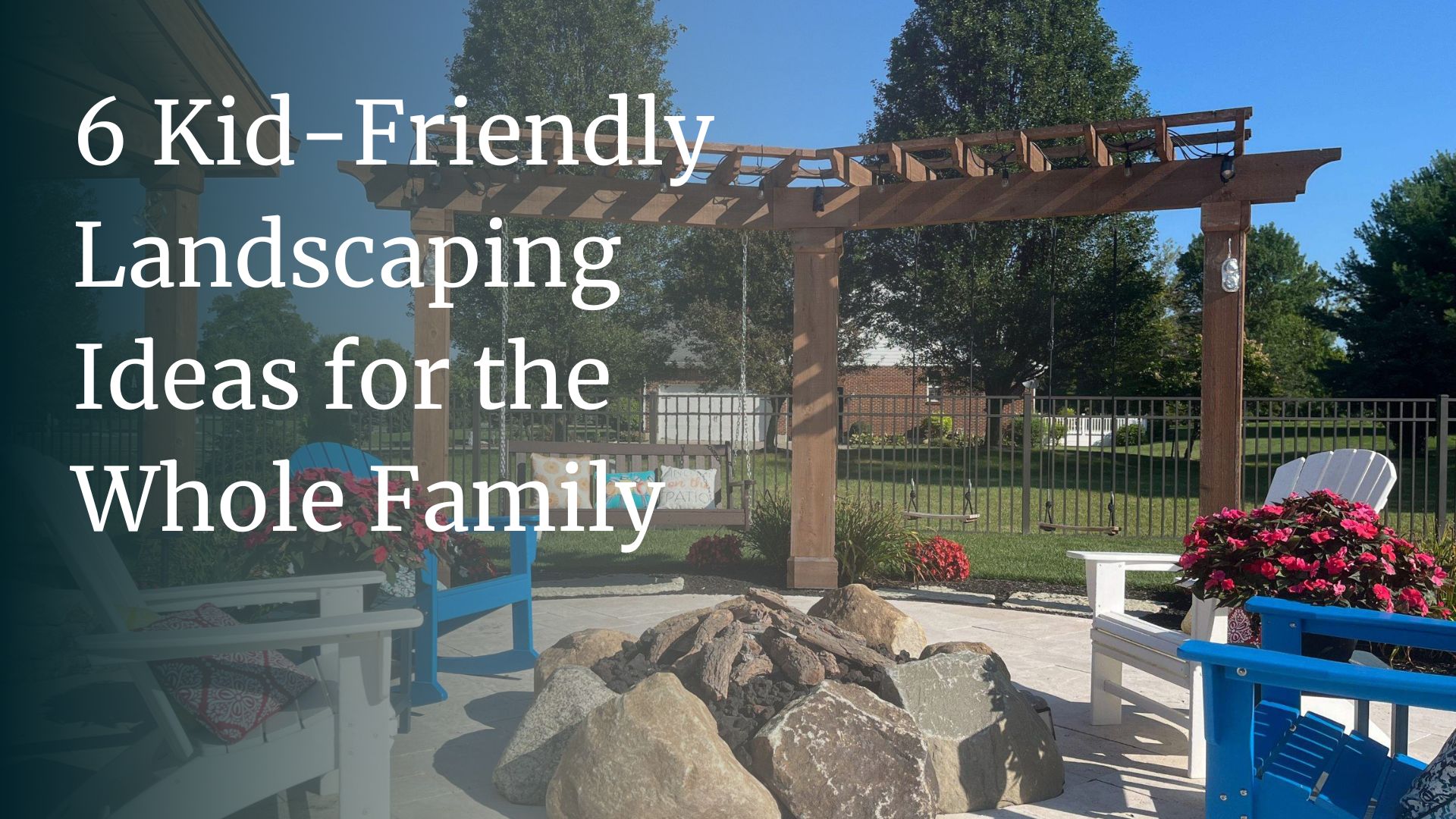
Credit: www.sitegrouplandscaping.com
Frequently Asked Questions
What Is A Garden Pool That Flows?
A garden pool that flows has natural water movement, like small streams or waterfalls. It blends with the garden’s landscape for a peaceful effect.
How Do I Design A Garden Pool With Smooth Water Flow?
Plan the pool shape to guide water gently from one area to another. Use rocks and plants to help water move naturally.
What Plants Work Best Around A Flowing Garden Pool?
Choose water-loving plants that thrive near moisture, like ferns and lilies. They add beauty and help keep water clean.
How Can I Maintain Water Quality In A Flowing Garden Pool?
Keep the water clear by cleaning leaves and debris regularly. Use natural filters like aquatic plants to reduce algae.
What Safety Tips Apply To Flowing Garden Pools?
Make sure edges are stable and not slippery. Keep electrical equipment away from water and supervise children near the pool.
Conclusion
Designing a garden pool that flows takes careful thought and planning. Balance shapes, plants, and water to create harmony. Small details make a big difference in the final look. Choose materials that blend well with your garden’s style. Keep the pool’s flow natural and smooth for best effect.
Your garden pool can become a peaceful retreat. Remember, patience and creativity bring your vision to life. Enjoy the process and watch your garden transform beautifully.