
Imagine walking into a home that instantly makes you feel calm, safe, and completely at ease. A place where every detail is designed with your comfort in mind, and technology works quietly in the background to make your life easier.
Your future home won’t just be smart—it will be intentionally intelligent, blending warmth and peace with cutting-edge design. If you’ve ever wished for a space that truly understands you and helps you relax after a busy day, this is exactly what you need to discover.
Keep reading to find out how future homes are changing the way we live, feel, and connect with our surroundings.
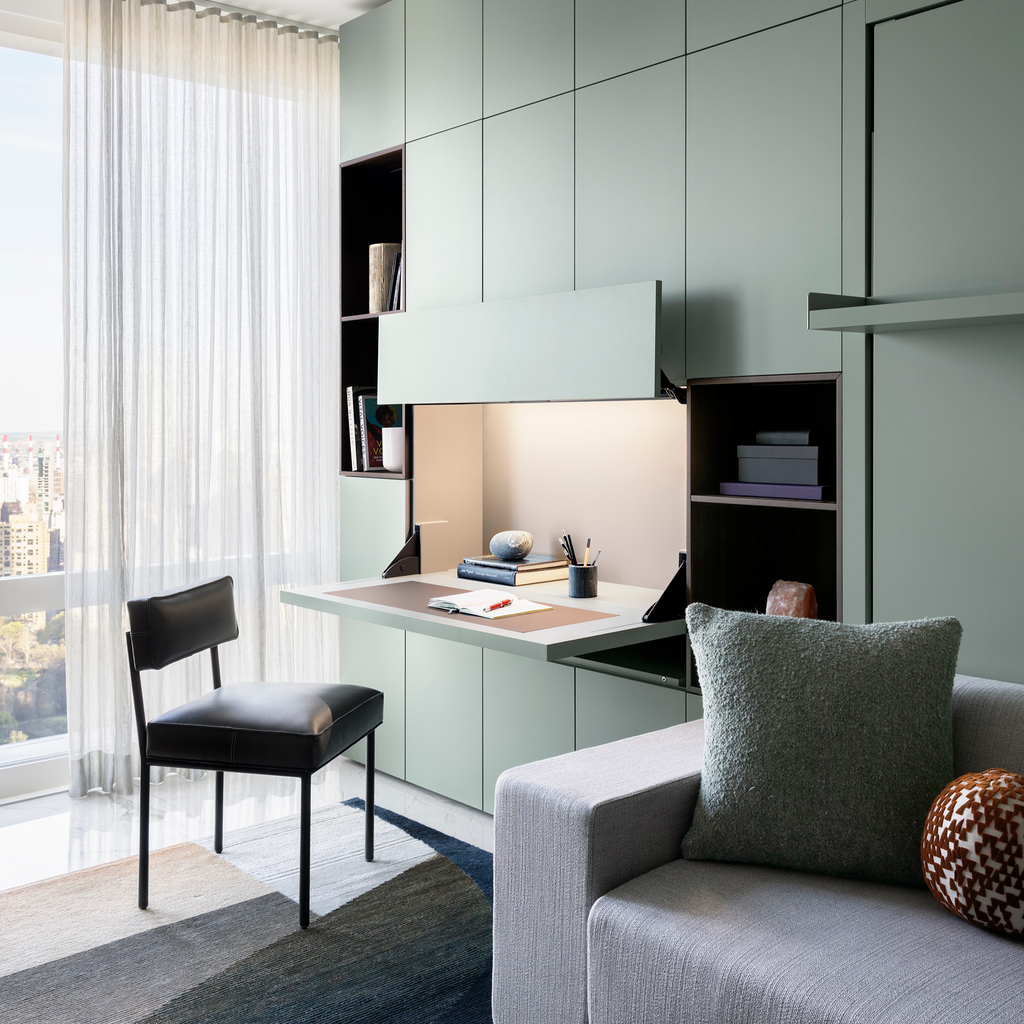
Credit: resourcefurniture.com
Smart Serenity In Home Design
Smart serenity in home design means creating spaces that feel calm and welcoming. It blends smart technology with peaceful comfort. This approach focuses on making homes that relax the mind and body. It avoids tech that feels cold or overwhelming. Instead, it uses technology to support a calm lifestyle.
The goal is to make homes feel warm, safe, and easy to live in. Smart features help control light, sound, and temperature. These elements work together to create a soothing environment. This new style of home design helps people enjoy quiet moments. It turns houses into true havens.
Balancing Technology And Comfort
Smart homes should not feel like machines. The key is to balance technology with comfort. Devices should be easy to use and not distracting. Automated lights adjust softly to the time of day. Smart thermostats keep rooms cozy without sudden changes. Voice controls respond naturally, without frustration. Technology should support comfort, not replace it.
Creating A Peaceful Atmosphere
Peaceful homes promote relaxation and reduce stress. Smart sound systems play gentle music or nature sounds. Noise-canceling devices block harsh outside sounds. Lighting can change color to match moods or time. Smart blinds adjust to let in soft natural light. These features help build a calm and quiet space. Each detail helps the mind feel at ease.
Incorporating Natural Elements
Nature brings calm and balance to any space. Smart homes blend technology with natural materials and plants. Wood, stone, and greenery add warmth and life. Automated watering systems keep plants healthy with little effort. Large windows invite sunlight and fresh air inside. This mix creates a soothing connection with the outdoors. Natural elements soften tech’s presence and promote well-being.
Credit: resourcefurniture.com
Warmth Through Smart Materials
Warmth in future homes goes beyond temperature. It means comfort, peace, and smart design. Smart materials play a big role. They create spaces that feel inviting and calm. These materials work with technology and nature. They make homes cozy and energy-efficient. The right choice of materials shapes how a home feels and lives.
Sustainable And Cozy Building Materials
Natural materials like wood and bamboo add warmth. They bring a soft, natural look inside. These materials are good for the planet. They reduce waste and pollution. New building materials can also keep heat inside. They help homes stay warm in winter and cool in summer. This saves energy and lowers bills. Homes feel more comfortable all year.
Adaptive Lighting For Mood Enhancement
Lighting affects how warm a room feels. Smart lighting systems adjust brightness and color. They match the time of day and your mood. Warm tones create a cozy atmosphere. Cooler lights help with focus and energy. Lights can change automatically or by voice command. This makes spaces feel alive and inviting. Light sets the scene for calm and comfort.
Smart Textiles And Furnishings
Smart fabrics add softness and function. They can adjust temperature by trapping or releasing heat. These textiles respond to the environment around them. Furniture made with smart materials can improve comfort. Cushions and curtains that adapt to light and temperature help. They make rooms feel snug and welcoming. Smart textiles bring new life to everyday items.
Calm Spaces Powered By Automation
Calm spaces in future homes use automation to create peace and ease. These smart systems help reduce stress and make daily life smoother.
Technology adapts to your needs. It adjusts settings quietly and automatically. This lets you focus on relaxing and enjoying your home.
Automated Climate Control
Smart thermostats learn your comfort levels. They keep the temperature just right all day. No need to change settings yourself.
The system saves energy by adjusting heat or cooling only when needed. This keeps rooms cozy without wasting power.
Noise Reduction Technologies
Future homes use tech to lower unwanted sounds. Soundproof windows and walls block noise from outside. Inside, smart speakers play soft, calming sounds.
These features create a quiet space to work or rest. They help reduce stress and improve focus.
Personalized Relaxation Zones
Automation creates special areas tailored to your needs. Lights dim and music plays softly when you enter. Smart devices adjust scents and temperature too.
These zones invite you to unwind. They offer a calm spot for reading, meditation, or quiet time.
Intentional Intelligence In Everyday Living
Intentional intelligence brings smart thinking to daily home life. It makes homes feel warm, calm, and easy to live in. This smart design uses technology that thinks ahead. It helps with routine tasks and creates a peaceful space. The goal is simple: make life smoother and more comfortable.
Ai-driven Home Management
AI systems learn your habits and adjust settings automatically. Lights dim when you relax. Thermostats change to keep rooms cozy. AI also manages energy use to save money. It handles many tasks without asking. This means less stress and more free time for you.
Seamless Integration Of Devices
Smart homes connect devices to work as one team. Your phone, lights, speakers, and security systems talk to each other. Controls happen from one app or voice command. This makes managing your home simple and fast. No need to switch between gadgets or apps.
Privacy And Security Considerations
Smart homes collect data to work well. Protecting this data is very important. Good systems use strong passwords and encryption. They keep your information safe from hackers. You control what devices can access and share your data. This builds trust and peace of mind.
Energy Efficiency Meets Serenity
Energy efficiency and calmness can live in the same home. Future homes combine smart energy use with peaceful living spaces. This blend creates a warm, calm, and smart environment. Homes designed this way save energy and offer a quiet, relaxing atmosphere. Comfort meets technology and care for the planet.
Energy-efficient homes use less power but feel cozy and inviting. They reduce costs and help nature at the same time. The future of housing is about balance—between saving energy and creating serenity.
Smart Energy Monitoring
Smart energy monitors track power use in real time. They show which devices use the most energy. This helps people change habits to save power. These systems alert homeowners about unusual energy spikes. The data is easy to read and understand. It guides better energy choices without stress. Smart monitoring keeps the home energy use steady and calm.
Renewable Energy Solutions
Solar panels and wind turbines power homes with clean energy. These systems reduce reliance on fossil fuels. Renewable energy is quiet and does not pollute. It helps homes run smoothly without noise or harm. Using green energy supports a calm environment inside and out. The future home is connected to nature’s power sources.
Minimizing Environmental Impact
Building with eco-friendly materials lowers the home’s carbon footprint. Efficient insulation keeps heat inside during winter. It also blocks heat in summer. This reduces the need for extra heating or cooling. Low-impact designs protect local wildlife and plants. Every choice aims to keep the environment peaceful. Homes become part of the natural world, not a burden.

Credit: teachkloud.com
Future Trends In Smart Home Serenity
Future homes will focus on creating calm and smart spaces. Technology will blend with nature and emotions. This will help people feel relaxed and connected. Smart homes will not only be intelligent but also warm and inviting.
Biophilic Technology
Biophilic technology brings nature inside homes. It uses plants, natural light, and water features. Sensors adjust lighting and temperature to mimic natural patterns. This creates a soothing and healthy environment. People feel calmer and more focused in these spaces.
Emotional Ai And Well-being
Emotional AI will understand how people feel. Devices will sense moods through voice and facial expressions. Homes will adjust music, lighting, and scents to improve mood. This supports mental health and reduces stress. The home becomes a partner in well-being.
Community And Connectivity
Future homes will connect neighbors and communities. Smart systems will share resources like energy and tools. They will enable easy communication and support networks. This creates a sense of belonging and safety. People feel less isolated and more cared for.
Frequently Asked Questions
What Makes Future Homes Feel Warm And Calm?
Future homes use natural materials and soft lighting. These create a cozy and peaceful atmosphere. Smart design also helps reduce clutter and stress.
How Do Intelligent Systems Improve Home Comfort?
Smart systems control temperature, lighting, and security automatically. They learn your preferences and adjust settings for comfort. This saves energy and makes life easier.
What Design Features Promote Intentional Living In Homes?
Minimalist layouts and multi-use spaces encourage focus and calm. Natural light and plants bring nature inside. These elements help create mindful, purposeful living spaces.
Can Future Homes Help Reduce Environmental Impact?
Yes, they use energy-efficient appliances and renewable energy sources. Smart systems optimize energy use and reduce waste. Sustainable materials also lower the home’s carbon footprint.
How Do Future Homes Support Mental Well-being?
They offer quiet zones and natural views for relaxation. Smart lighting mimics natural daylight to boost mood. Thoughtful design reduces noise and creates a soothing space.
Conclusion
Future homes blend warmth with smart design. They create calm spaces where technology feels natural. Every detail supports comfort and ease. Intelligent features help save energy and time. These homes invite you to relax and enjoy life. Living in such spaces feels both safe and inspiring.
The future of housing focuses on thoughtful, gentle innovation. It’s about making everyday life simpler and more peaceful. Imagine a home that truly understands your needs. That’s the kind of future home we all deserve.