
Imagine stepping into your yard and feeling an instant sense of calm and beauty. You want your outdoor space to stand out, to feel fresh and inviting every season.
That’s where ornamental grasses come in. These simple yet striking plants can completely transform your landscape, adding texture, movement, and color in ways you might not expect. If you’re looking for a low-maintenance way to redefine your garden’s look and make your neighbors take notice, keep reading.
You’re about to discover how ornamental grasses can bring a whole new life to your landscape.
Benefits Of Ornamental Grasses
Ornamental grasses offer many benefits for your landscape. They bring beauty and function with low effort. These plants adapt well to different garden styles and climates. Their unique textures and colors add depth and interest. Beyond looks, they support the environment and attract wildlife.
Low Maintenance Appeal
Ornamental grasses need little care. They grow well in poor soil and need less water than many plants. No frequent pruning or fertilizing is required. They resist pests and diseases naturally. Once established, they thrive with minimal attention. This makes them ideal for busy gardeners.
Year-round Interest
These grasses show beauty in every season. Their leaves change color with the weather. In winter, their dried seed heads add structure and movement. They bring life to dull garden spots. Their soft sounds in the breeze create a peaceful atmosphere. This keeps your landscape attractive all year.
Wildlife Attraction
Ornamental grasses provide food and shelter for animals. Birds find seeds for eating and nesting materials. Small insects use the grasses for habitat. Butterflies and bees visit the flowers. This helps keep your garden healthy and lively. Growing these grasses supports local ecosystems.
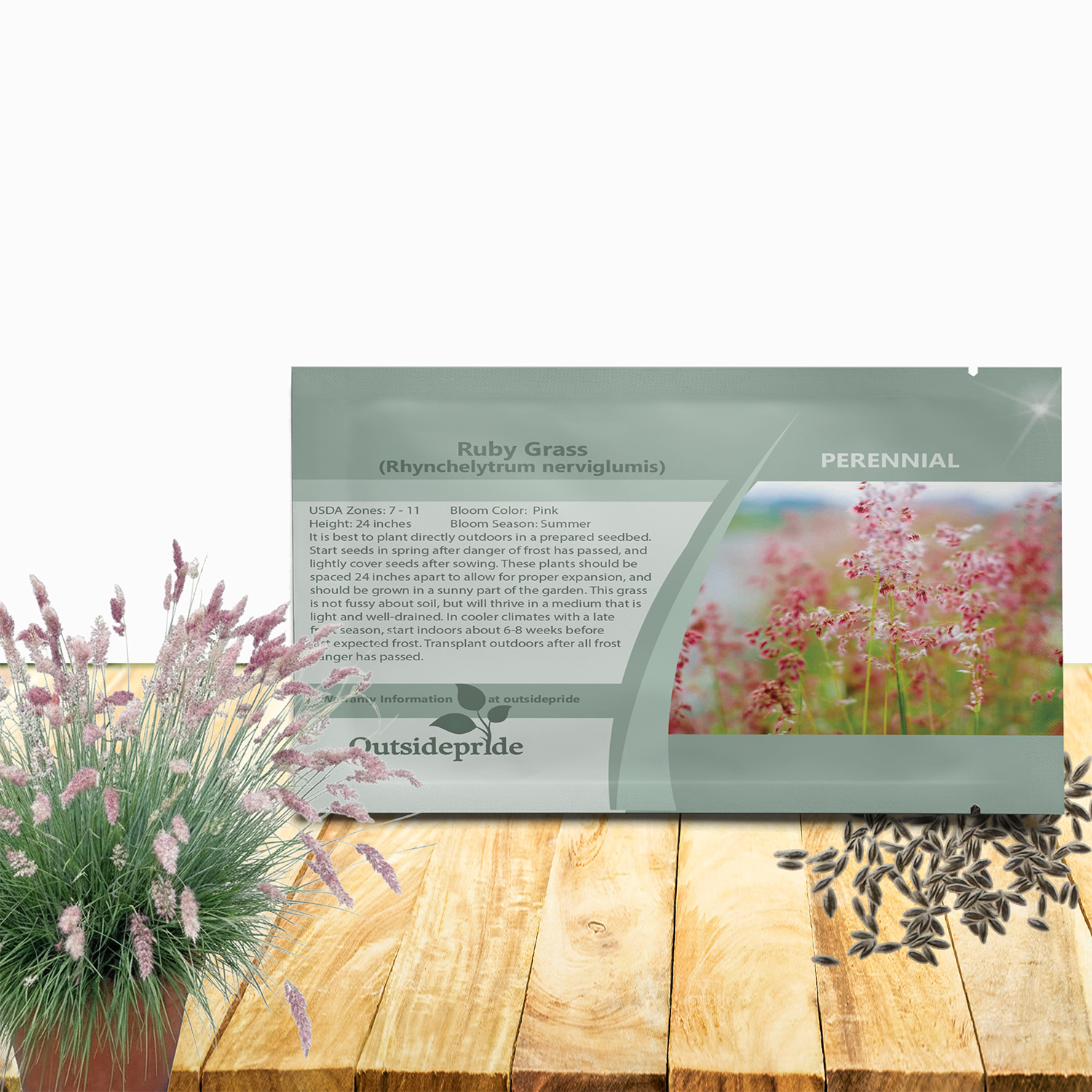
Credit: www.outsidepride.com
Popular Ornamental Grass Varieties
Ornamental grasses bring texture and movement to any garden. They come in many types, each offering unique colors and shapes. These grasses can add softness or boldness to your outdoor space. Choosing the right variety helps create a fresh look all year round.
Feather Reed Grass
Feather Reed Grass grows tall with slim, upright leaves. It has feathery plumes that sway gently in the breeze. This grass stays green most of the year. It suits formal gardens and natural landscapes alike.
Fountain Grass
Fountain Grass has soft, arching leaves and fluffy flower spikes. It creates a flowing effect, like a water fountain. Colors range from pink to purple, adding warm tones. It works well near patios or walkways.
Blue Oat Grass
Blue Oat Grass features blue-gray blades with a cool, calm look. It grows in neat clumps and stays low to the ground. This grass adds color contrast and texture to flower beds. It thrives in sunny spots with well-drained soil.
Maiden Grass
Maiden Grass is a tall, graceful grass with long leaves. Its plumes rise above the foliage in late summer. It creates a soft, feathery effect that catches the light. This grass fits well in large gardens or open spaces.
Design Tips With Ornamental Grasses
Designing your landscape with ornamental grasses offers simple yet stunning effects. These grasses bring life and charm to outdoor spaces. They work well with many garden styles and plant types. Use them thoughtfully to enhance your garden’s beauty.
Creating Texture And Movement
Ornamental grasses add soft texture to any garden. Their thin blades contrast nicely with broad leaves. The grasses sway gently in the breeze. This movement adds a calming, natural feel. Mix different grass heights to create layers and depth. Choose grasses with varied leaf shapes and colors for interest.
Mixing With Perennials And Shrubs
Grasses pair well with perennials and shrubs. They fill spaces between flowering plants. Use grasses to soften shrub edges. Their fine blades balance large, bold leaves. Select grasses that bloom at different times. This keeps your garden attractive all year. Try combining tall grasses with low-growing flowers for contrast.
Using Grasses As Focal Points
Some ornamental grasses make striking focal points. Choose tall or colorful varieties to stand out. Plant a single grass clump in a quiet spot. Surround it with simple plants to highlight its form. Use grasses with unique seed heads for extra appeal. Their shape and color draw the eye instantly.
Planting And Care Guidelines
Ornamental grasses add texture, movement, and color to any landscape. Proper planting and care help these grasses thrive and maintain their beauty. Following simple guidelines ensures healthy growth and a lasting impact on your garden’s look.
Ideal Soil And Sunlight Conditions
Ornamental grasses prefer well-drained soil. They do best in soil that is not too rich or too poor. Most grasses enjoy full sunlight. At least six hours of sun each day is ideal. Some types tolerate partial shade but may grow less dense.
Watering And Feeding
Water new plants regularly until they establish. After that, most grasses need little watering. Overwatering can cause root problems. Feed grasses once a year with a balanced fertilizer. Spring is the best time to feed for strong growth.
Pruning And Dividing
Cut back grasses in late winter or early spring. This removes old growth and encourages new shoots. Dividing grasses every few years keeps them healthy. Dig up the clump and separate roots with a sharp tool. Replant divisions to spread grasses across your garden.
Seasonal Impact Of Grasses
Ornamental grasses change the look of your garden through every season. They add texture, color, and movement. Their appearance shifts with the weather and light. This constant change keeps your landscape interesting year-round. Each season offers a unique way grasses enhance your outdoor space.
Spring Growth And Renewal
In spring, grasses begin fresh growth. New shoots push up from the ground. They bring bright green color and a soft texture. This growth signals new life and energy. Grasses fill empty spaces left by winter. They create a lush, vibrant backdrop for other plants.
Summer Bloom And Color
Summer is when many grasses show their full beauty. Flowering stems rise above the foliage. Their plumes and seed heads catch sunlight and breeze. Colors range from soft tans to deep purples. These blooms add height and movement to your garden. They attract birds and pollinators, adding life to your landscape.
Fall Foliage And Seed Heads
In fall, grasses change color. Leaves turn gold, bronze, and rust shades. Seed heads mature and dry, creating unique shapes. This season brings warm tones and texture. Grasses blend well with autumn flowers and trees. They give your garden a cozy, inviting feel before winter.
Winter Structure And Interest
Winter shows grasses in a new light. Their dried stems and seed heads stand tall. They add structure and form to a bare landscape. Frost and snow highlight their shapes and lines. Grasses keep your garden looking alive in cold months. They offer natural beauty even without leaves or flowers.
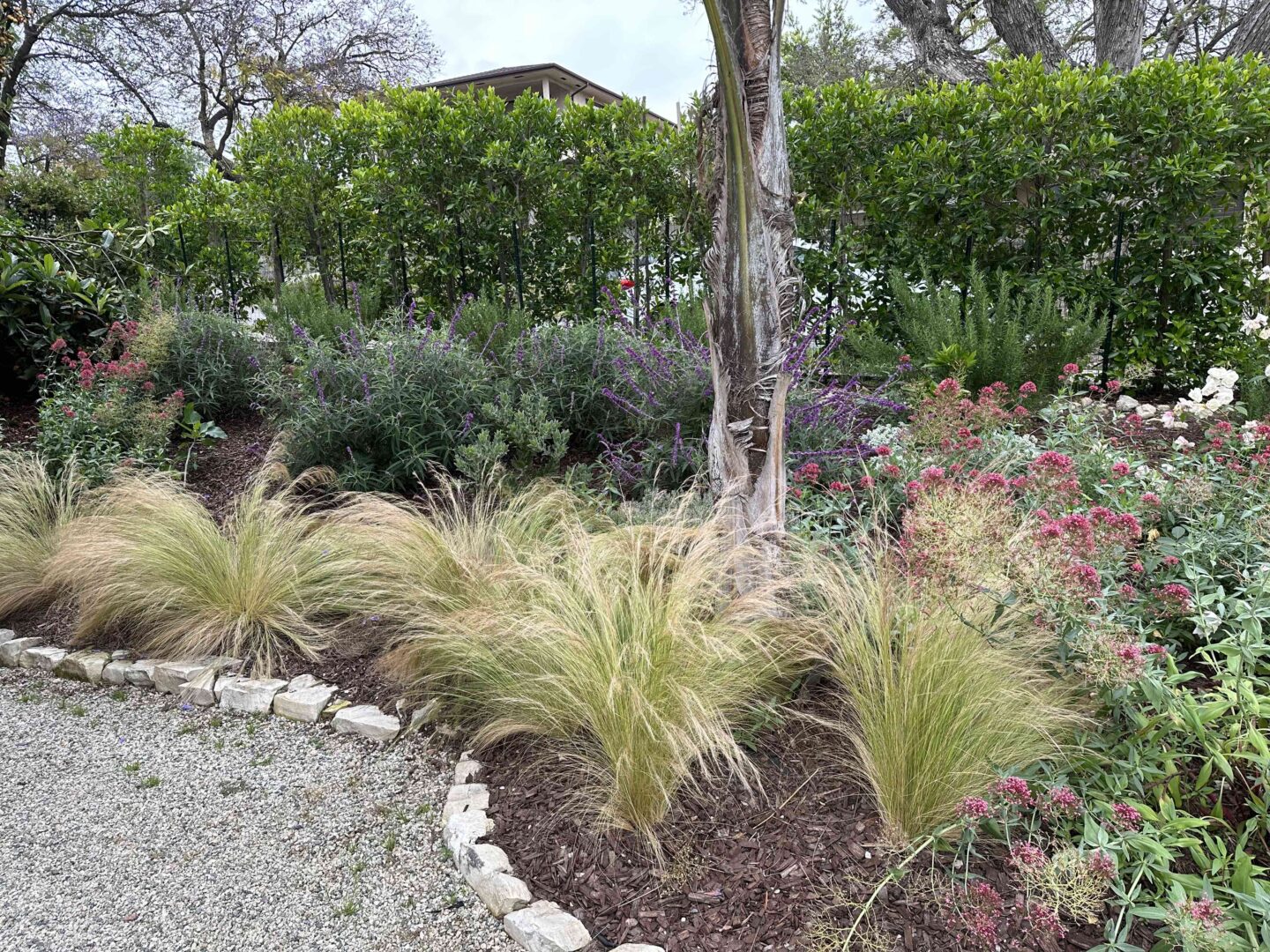
Credit: www.avintagesplendor.com
Creative Uses For Ornamental Grasses
Ornamental grasses offer many creative ways to enhance your garden. Their texture and movement add life to any space. These grasses are easy to grow and maintain. They fit well in various landscape designs. Here are some ideas to use ornamental grasses creatively.
Privacy Screens And Windbreaks
Ornamental grasses create natural privacy screens. Their tall, dense growth blocks unwanted views. They soften harsh lines of fences and walls. These grasses also act as windbreaks. They reduce wind speed and protect delicate plants. Choose taller varieties for better coverage. Their rustling sound adds a calming effect.
Pathway Borders
Line your garden paths with ornamental grasses. Their narrow leaves and tall stems guide visitors smoothly. Grasses create a soft border without hard edges. They add movement and texture along walkways. Use contrasting colors for visual interest. This approach makes paths more inviting and natural.
Container Gardening
Ornamental grasses grow well in containers. Place pots on patios, decks, or balconies. Containers allow you to move grasses easily. Mix grasses with flowering plants for a lively look. These grasses provide height and structure. Their graceful blades sway with the breeze, adding charm.
Common Challenges And Solutions
Ornamental grasses add beauty and texture to any landscape. They grow well in many places but come with a few challenges. Knowing these challenges helps keep your garden healthy and neat. Solutions make caring for grasses easier and more effective.
Controlling Spread
Some grasses spread quickly and take over garden spaces. They grow through underground roots called rhizomes. Use physical barriers like edging to stop their spread. Cut back grasses regularly to control their size. Removing new shoots early keeps grasses in place.
Pest And Disease Management
Ornamental grasses face pests like aphids and mites. These insects suck plant juices and cause damage. Spray with mild insect soap to remove pests. Keep plants healthy with good watering and spacing. Diseases like rust can appear in wet weather. Remove infected leaves to stop spread.
Dealing With Drought
Grasses survive drought better than many plants. Still, young grasses need water to grow strong. Water deeply but less often to encourage deep roots. Mulch around grasses to keep soil moist and cool. Choose drought-tolerant varieties for dry climates.
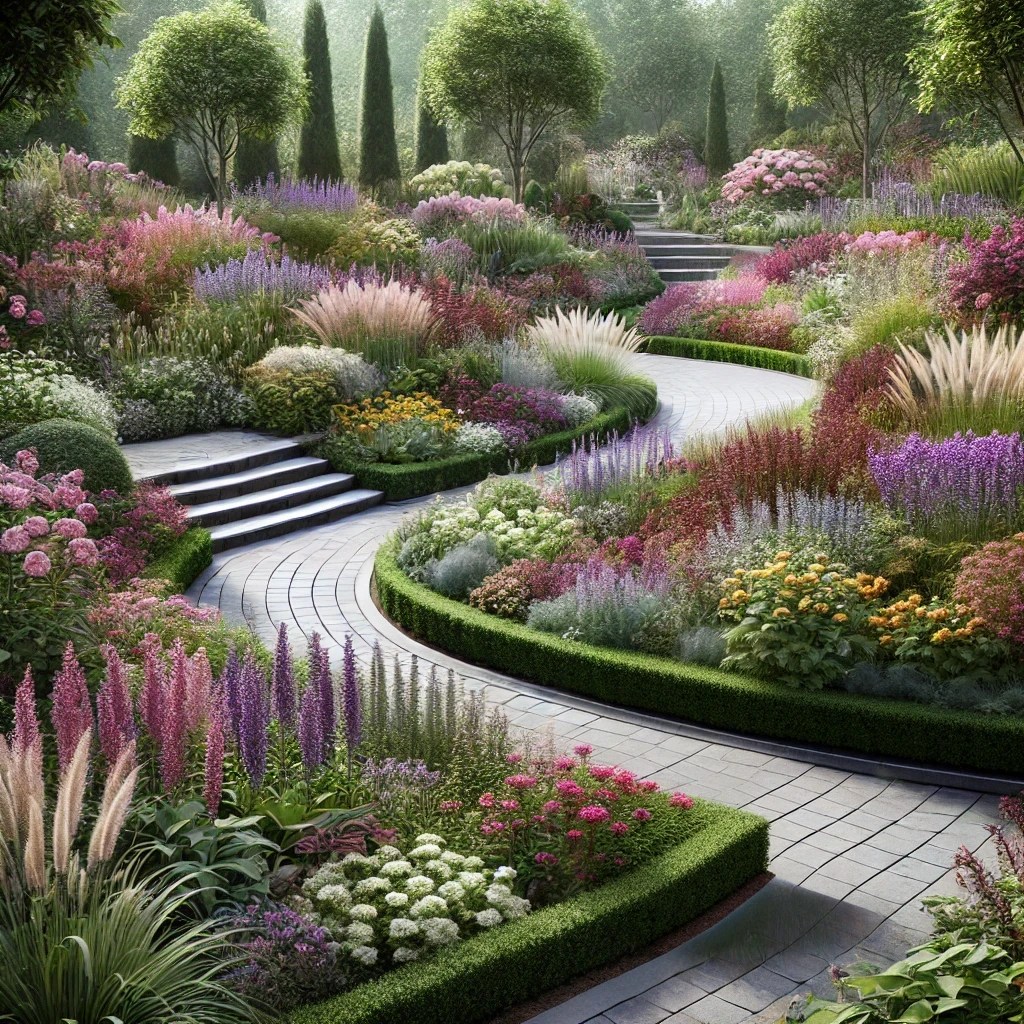
Credit: deepgreenpermaculture.com
Frequently Asked Questions
What Are Ornamental Grasses And Why Use Them In Landscaping?
Ornamental grasses are decorative plants that add texture and movement to gardens. They are low-maintenance and adapt well to different conditions.
How Do Ornamental Grasses Improve Garden Aesthetics?
These grasses create soft, flowing lines and contrast with other plants. They add color and seasonal interest throughout the year.
Which Types Of Ornamental Grasses Suit Different Climate Zones?
Many grasses are hardy and can grow in various climates. Choose species that match your local weather for best results.
Can Ornamental Grasses Help With Soil Erosion In Landscapes?
Yes, their root systems stabilize soil and reduce erosion. They are excellent for slopes and areas prone to runoff.
How To Care For Ornamental Grasses To Keep Them Healthy?
Water regularly during dry spells and trim dead leaves yearly. Most grasses need little fertilizer and thrive with minimal care.
Conclusion
Ornamental grasses add texture and movement to any garden space. They grow well in many climates and need little care. Their colors change with the seasons, bringing life year-round. These grasses create a soft, natural look that fits many styles.
Try planting them to see how they change your yard. Enjoy a simple, beautiful landscape that feels fresh and alive.