
Imagine walking into your living room and instantly feeling calm, cozy, and completely at ease. You might think a minimalist space filled with white tones would feel cold or empty, but that’s far from the truth.
White living rooms can be the perfect blend of simplicity and warmth, creating a space that invites you in and makes you want to stay. If you’ve ever worried that minimalism means sacrificing comfort, this article will change your mind.
Keep reading to discover how you can make your white living room both stylish and inviting without losing that clean, fresh look you love.
Benefits Of White Living Rooms
White living rooms show that minimalism can feel warm and welcoming. The color white brings many benefits that suit simple, clean designs. White walls and furniture create a fresh look that invites calm and peace.
This style works well for anyone who wants a neat space without feeling cold or empty. The benefits of white living rooms go beyond just looks. They improve the room’s mood and make decorating easier. Let’s explore some key advantages of white living rooms.
Creating A Bright And Airy Space
White reflects light well, making rooms feel larger and more open. It adds a sense of space even in small living rooms. The bright look helps reduce shadows and dark corners. This gives the room a clean and fresh vibe.
A white living room feels less crowded and more relaxing. It invites people to stay and enjoy the space. The brightness lifts the mood and creates a calm atmosphere.
Enhancing Natural Light
Natural light shines stronger in a white living room. White surfaces bounce sunlight around, brightening the entire room. This effect makes windows seem bigger and the space more connected to outdoors.
Even on cloudy days, a white room feels lighter and more cheerful. It reduces the need for many artificial lights during daytime. This saves energy and creates a soft, natural glow indoors.
Versatility In Design Styles
White works well with many decorating styles and colors. It creates a blank canvas for furniture, art, and accessories. You can easily switch styles without repainting or major changes.
Modern, rustic, classic, or boho styles all fit in white living rooms. The neutral tone balances bold colors and patterns. This flexibility makes white a smart choice for any home.

Credit: www.home-designing.com
Key Elements Of Minimalist Design
Minimalist design is about simplicity and purpose. It focuses on essentials that create calm and order. Each part of a room has a role and no space feels crowded or busy.
The key elements help make minimalist spaces feel warm and welcoming. They bring balance without losing style or comfort. White living rooms use these principles well, showing minimalism can be inviting.
Clean Lines And Simple Shapes
Furniture and decor with clean lines create a neat look. Simple shapes avoid visual clutter and keep the eye calm. Straight edges and smooth curves make the space feel open and airy. This design choice helps rooms look larger and brighter.
Clutter-free Living
Minimalism means less stuff, not less life. Keeping surfaces clear and storage hidden makes rooms feel peaceful. Every item has a purpose or a place. This reduces distractions and helps focus on the room’s beauty.
Neutral Color Palettes
Neutral colors like white, beige, and gray form a soft background. These tones bring light into the room and create a sense of calm. They allow textures and shapes to stand out. Whites in particular make spaces feel fresh and clean.
Adding Warmth To White Spaces
White living rooms often feel fresh and clean but can sometimes seem cold. Adding warmth to these spaces helps create a cozy and inviting atmosphere. Small details and thoughtful choices can make all the difference. Warmth softens the starkness of white and makes the room feel lived-in and welcoming.
Incorporating Textured Fabrics
Textured fabrics bring depth and interest to white rooms. Materials like linen, wool, and cotton add softness and warmth. Use cushions, curtains, or upholstery with subtle textures to break the flatness of white walls and furniture. These fabrics invite touch and create a comfortable space that feels cozy.
Using Warm Wood Tones
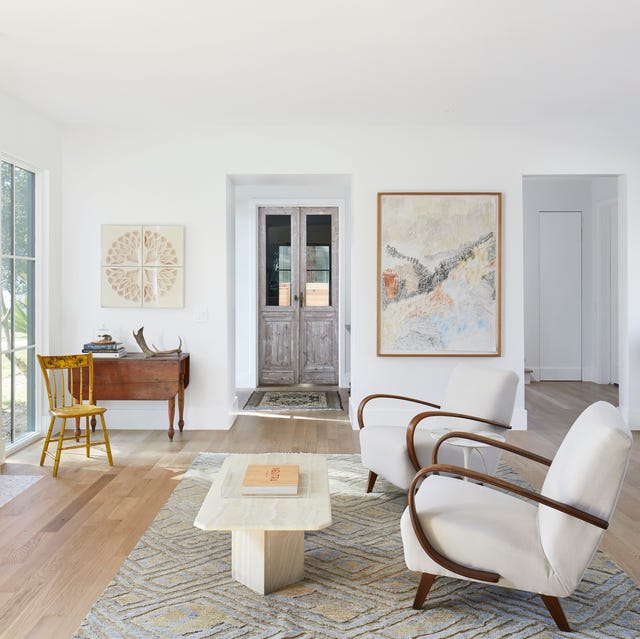
Wood adds natural warmth to white living rooms. Choose furniture or accents in warm wood tones like oak, walnut, or cherry. The natural grains and colors of wood contrast beautifully with white. This contrast brings balance and makes the room feel grounded and inviting.
Layering Soft Rugs And Throws
Soft rugs and throws add comfort and warmth underfoot and to the eye. Choose neutral or warm shades to complement the white palette. Layering different textures and fabrics creates a rich, cozy feel. This simple touch makes a white living room feel more welcoming and lived-in.
Choosing Cozy Furniture
Choosing cozy furniture is key to making a white living room feel warm and inviting. Minimalism does not mean cold or empty. It means selecting pieces that offer comfort and style without clutter. The right furniture creates a space where you want to spend time.
Focus on comfort first. Soft cushions and supportive seats invite relaxation. Look for furniture that feels good to sit on and matches your style. Keep the color palette light to maintain the airy, minimal look.
Comfort-first Seating Options
Choose sofas and chairs with plush cushions. Fabrics like cotton or linen add softness and breathability. Rounded edges and deep seats feel more welcoming than sharp, rigid lines. Consider adding a cozy throw or pillows in neutral tones.
Sectionals or armchairs with gentle curves also promote a relaxed vibe. Avoid overly stiff or formal pieces. The goal is seating that looks simple but feels comforting.
Mixing Modern And Classic Pieces
Blend sleek modern furniture with timeless classics. A clean-lined sofa pairs well with a vintage wooden armchair. This mix keeps the room from feeling too sterile. The contrast adds personality and warmth.
Choose classic shapes with light upholstery to keep the space bright. Modern metal or glass accents can complement these pieces without overpowering the calm look.
Selecting Functional Yet Stylish Tables
Pick tables that serve multiple purposes. A simple coffee table with storage helps reduce clutter. Choose light wood or white finishes to match the room’s palette.
Opt for clean designs with smooth surfaces. Rounded corners feel softer and safer. Small side tables near seating areas add convenience and balance the layout.
Accent Colors And Accessories
White living rooms can sometimes feel cold or empty. Accent colors and accessories help make these spaces warm and welcoming. They bring life without cluttering the room. Small touches can make a big difference.
Choosing the right colors and items adds personality. It also keeps the minimalist style intact. Here are some easy ways to use accents in white living rooms.
Subtle Pops Of Color
Soft shades like pastel blues or gentle greens add calmness. Small cushions, throws, or rugs work well. These colors do not overpower the white but add interest. They create a cozy feeling while staying simple.
Choose one or two colors for a balanced look. Avoid bright or many colors to keep minimalism clear. Subtle hues invite comfort and style together.
Natural Elements Like Plants
Green plants bring freshness and life inside. They add texture without clutter. Small potted plants or tall leafy ones fit perfectly.
Plants also improve air quality and mood. Their natural green contrasts beautifully with white walls. This touch of nature makes the room feel alive and soothing.
Art And Decorative Objects
Simple art pieces add character to white walls. Black and white photos or soft-colored paintings suit minimalist rooms. Choose frames that match the room’s style.
Decorative objects like bowls, vases, or books add style. Keep these items few and well-placed. They highlight the room’s personality without clutter.
Lighting For Inviting Ambiance
Lighting plays a key role in making white living rooms feel warm and welcoming. It shapes the mood and highlights the minimalist design without overpowering it. The right lighting creates a cozy space that invites people to relax and stay a while.
Using different types of light helps balance the clean, simple look of white walls and furniture. Thoughtful lighting choices bring softness and depth to the room. This makes the space feel alive, not empty or cold.
Soft And Diffused Lighting
Soft lighting reduces harsh shadows and bright spots. Diffused light spreads gently across the room. It creates a calm and soothing atmosphere that feels easy on the eyes.
Using lampshades, frosted bulbs, or sheer curtains helps soften light naturally. This kind of lighting works well for white rooms because it warms up the space without adding clutter.
Layered Light Sources
Layering light adds interest and flexibility to the room’s ambiance. Combine ceiling lights, floor lamps, and table lamps at different heights. This approach allows you to adjust the mood based on the time of day or activity.
Layered lighting also highlights textures and shapes in a minimalist space. It keeps the room feeling dynamic and inviting, rather than flat or dull.
Statement Light Fixtures
Minimalist rooms benefit from a few eye-catching fixtures. A bold pendant or unique floor lamp adds personality without clutter. These pieces become focal points that draw attention and add style.
Choosing fixtures with clean lines and simple shapes fits well with white minimalist rooms. The right fixture adds charm and warmth while keeping the space uncluttered.
Maintaining Minimalism With Personality
Minimalism in white living rooms does not mean boring or cold spaces. It is possible to keep the room simple and still feel warm. The key is to add personality without clutter. Small, thoughtful touches make the room inviting.
Maintaining a clean look with personal style helps create a space that feels lived in. Minimalism with personality strikes a perfect balance between calm and character.
Curated Personal Items
Choose a few meaningful objects that show who you are. A favorite book, a unique vase, or a small sculpture works well. These items tell a story without crowding the room. Keep the number low and the quality high.
Balancing Simplicity And Character
Use soft textures to add warmth. A cozy throw or a simple rug can change the feel instantly. Stick to neutral tones to keep the calm, but add small pops of color. This mix brings life while staying minimal.
Creating Focal Points
Pick one or two areas to draw attention. A piece of art, a stylish chair, or a statement light fixture can serve this purpose. These focal points guide the eye and add interest. The rest of the room stays quiet and open.

Credit: www.architecturaldigest.com
Credit: www.housebeautiful.com
Frequently Asked Questions
What Makes White Living Rooms Feel Warm And Inviting?
White rooms feel warm with soft textures and natural light. Adding wood or plants creates a cozy, welcoming space.
How Can Minimalism Work In A White Living Room?
Minimalism thrives by focusing on clean lines and simple furniture. White walls keep the room bright and open.
What Colors Complement A White Minimalist Living Room?
Neutral tones like beige, gray, and soft pastels work well. These colors add depth without cluttering the look.
How To Add Personality To A White Minimalist Living Room?
Use artwork, patterned cushions, or unique light fixtures. Small touches bring character without breaking simplicity.
What Furniture Style Suits A White Minimalist Living Room?
Choose modern or Scandinavian furniture with sleek shapes. Simple designs help maintain a calm and airy feel.
Conclusion
White living rooms show that less can be more. Clean lines and soft textures create a warm space. Light colors make rooms feel open and bright. Adding a few personal touches keeps it cozy. Minimalism does not mean cold or empty.
It invites calm and peace into your home. This style works well for any size room. Simple choices make decorating easier and less stressful. Enjoy a living room that feels fresh and welcoming.