
Are you ready to transform your living room into a cozy, moody retreat that feels both stylish and inviting? Designing a space with the right balance of contrast and warm lighting can completely change the atmosphere of your home.
When done right, these elements create depth, comfort, and a touch of drama that makes your living room a place you never want to leave. You’ll discover simple and effective ways to control contrast and use warm lighting to craft that perfect moody vibe.
Keep reading, and you’ll learn how to turn your living room into the ultimate cozy haven.

Credit: auramodernhome.com
Choosing A Moody Color Palette
Choosing a moody color palette sets the tone for your living room. It creates a cozy, intimate space. The right colors add depth and warmth. They also help highlight your lighting and furniture. Pick colors that make you feel calm and comfortable. Think about how colors will work together. Contrast and balance are key to a stylish, moody room.
Dark Shades And Rich Tones
Dark shades create a dramatic and cozy mood. Deep blues, forest greens, and charcoal grays work well. These colors absorb light and add a sense of calm. Rich tones like burgundy, navy, and chocolate bring warmth. Use these shades on walls, large furniture, or rugs. They make the room feel inviting and grounded.
Balancing Neutrals And Accents
Neutrals soften the mood and add balance. Warm beiges, taupes, and soft grays lighten the space. They prevent dark tones from feeling too heavy. Add accent colors to create interest. Burnt orange, mustard yellow, or muted gold work well. Use accents in pillows, throws, or art. This balance keeps the room dynamic and cozy.
Mastering Contrast Control
Mastering contrast control is key to creating a moody living room. It means balancing light and dark elements carefully. This balance creates depth and interest in the space. Contrast helps highlight features and adds emotion to the room.
Proper contrast control stops the room from feeling flat or dull. It guides the eyes around the space naturally. The right contrast can make your living room feel cozy and inviting. Let’s explore how to use textures, materials, light, and shadow to do this well.
Layering Textures And Materials
Using different textures adds contrast without harsh colors. Combine soft fabrics like velvet with rougher ones like wood or stone. This mix creates a rich, tactile experience. For example, a plush sofa with a wooden coffee table looks appealing.
Mix smooth and coarse materials to catch the light differently. This difference makes the room more dynamic. Textured pillows, rugs, and throws also add layers of interest. Each texture contrasts subtly, deepening the mood without overpowering.
Using Light And Shadow Effectively
Light and shadow shape the mood through contrast. Use warm lights to soften dark corners. Shadows create a sense of mystery and calm. Position lamps to highlight textures and shapes in the room.
Dimmer switches help control light levels to suit the mood. Avoid bright overhead lights that flatten the space. Focus on layering light sources like table lamps and wall sconces. This approach builds a comfortable and moody atmosphere.
Incorporating Warm Lighting
Warm lighting creates a cozy and inviting mood in your living room. It softens harsh shadows and highlights textures. This type of lighting balances the contrast in a moody design. It adds depth without overpowering the space.
Choosing the right bulbs and placing them smartly can transform your room. These steps help set the perfect atmosphere. Let’s explore how to incorporate warm lighting effectively.
Selecting The Right Bulbs
Opt for bulbs with a warm color temperature. Look for 2700K to 3000K on the packaging. These bulbs emit a soft, yellowish light that feels natural. Avoid bulbs with a blue or white tint. They can make the space feel cold and harsh.
LED bulbs save energy and last longer. Choose dimmable options to control brightness. This helps create different moods for day and night. Soft, warm light encourages relaxation and comfort.
Strategic Placement Of Light Sources
Place lights at different levels for a layered effect. Use floor lamps, table lamps, and wall sconces together. This spreads warm light evenly and reduces strong shadows. Avoid bright overhead lights that flatten the room.
Highlight cozy corners with small lamps. Position lights near seating areas to invite conversation. Use lampshades to diffuse light softly. This creates a gentle glow that enhances the moody vibe.

Credit: www.mcgeeandco.com
Furniture And Decor Choices
Choosing the right furniture and decor sets the mood for a moody living room. These elements create comfort and style while controlling contrast and warmth. Careful selection helps balance dark tones with soft lighting. This balance makes the space feel inviting yet dramatic.
Opting For Cozy And Inviting Pieces
Pick furniture with soft, plush fabrics. Think velvet or thick knits in deep colors like charcoal, navy, or forest green. These materials absorb light and add warmth. Choose sofas and chairs with rounded edges to soften the room’s look. Layer cushions and throws to invite relaxation. Low, wide seating encourages lounging and comfort. Dark wood or matte metal frames add subtle contrast without harshness.
Adding Statement Elements
Introduce bold decor pieces to create focal points. Large art or mirrors with dark frames enhance contrast and depth. Use sculptural lamps or chandeliers that emit warm, soft light. Rugs with rich patterns or deep hues anchor the space and add texture. Metallic accents in bronze, copper, or gold provide a warm glow. These statement items break up dark surfaces and add interest without brightening too much.
Enhancing Ambiance With Accessories
Accessories play a big role in setting the mood of a living room. They add personality and depth to the space. Using the right items can highlight contrast and warm lighting beautifully. Accessories help create a cozy and inviting atmosphere that feels just right.
Choosing the right pieces enhances the room’s style without making it feel crowded. Small touches bring out the moodiness and warmth you want. Every item should work with your design theme and lighting choices to keep the flow smooth and natural.
Using Rugs, Curtains, And Throws
Rugs ground the space and add texture. Choose deep colors like charcoal, navy, or burnt orange. These shades boost contrast and make warm lighting pop. Thick, soft rugs invite you to relax and enjoy the room.
Curtains help control natural light and add softness. Opt for heavy fabrics in warm tones or dark hues. They block harsh light and create a cozy feel. Curtains also add height and drama to the room.
Throws add layers and comfort. Pick wool or knit throws in warm colors. Drape them on sofas or chairs for a lived-in look. Throws make the space feel welcoming and warm, perfect for a moody vibe.
Incorporating Art And Mirrors
Art brings personality and emotion to the walls. Choose pieces with dark backgrounds or warm colors. This enhances the room’s mood and draws the eye. Abstract or nature-inspired art can deepen the ambiance.
Mirrors reflect light and open up the space. Use frames in dark wood or metal for contrast. Place mirrors near light sources to spread warm light around. They add depth and make the room feel larger and cozier.
Maintaining Balance And Cohesion
Maintaining balance and cohesion in a moody living room is key for a calm, inviting space. Contrast control and warm lighting set the mood. Careful arrangement keeps the room from feeling chaotic or dull.
Balance helps each element stand out without overwhelming others. Cohesion ties the design parts together. This creates a smooth, comfortable atmosphere.
Avoiding Overcrowding
Keep furniture and decor simple and purposeful. Too many items make the room feel busy. Choose pieces that match the dark, warm theme. Leave space between objects to breathe. Overcrowding breaks the moody vibe. Less is more in a balanced room.
Creating Visual Flow
Arrange furniture to guide the eye naturally. Use shapes and colors to link areas. Warm lighting helps highlight key spots. Balance dark and light areas for smooth transitions. A clear path creates harmony. Visual flow makes the room feel open and cozy.
Tips For Personalizing Your Moody Living Room
Personalizing a moody living room makes the space truly yours. It adds character and warmth to the dark tones and soft light. Small details create a big difference in comfort and style.
Focus on blending styles and natural touches. These elements build a cozy, inviting atmosphere. Below are practical tips to make your moody living room unique and welcoming.
Mixing Vintage And Modern Styles
Combine old and new furniture for depth and interest. Use a vintage sofa with clean, modern chairs. This contrast highlights the moody theme with different shapes and textures.
Choose accessories like lamps or rugs from different eras. Keep colors warm to fit the lighting and mood. Mixing styles avoids a flat look and makes the room lively.
Integrating Natural Elements
Add plants or wooden furniture to soften the darkness. Green plants bring life and fresh air inside. Wooden tables or shelves add warmth and texture.
Natural fabrics like cotton or wool work well with warm lighting. They feel soft and comforting in a moody space. These elements connect the room with the outside world.
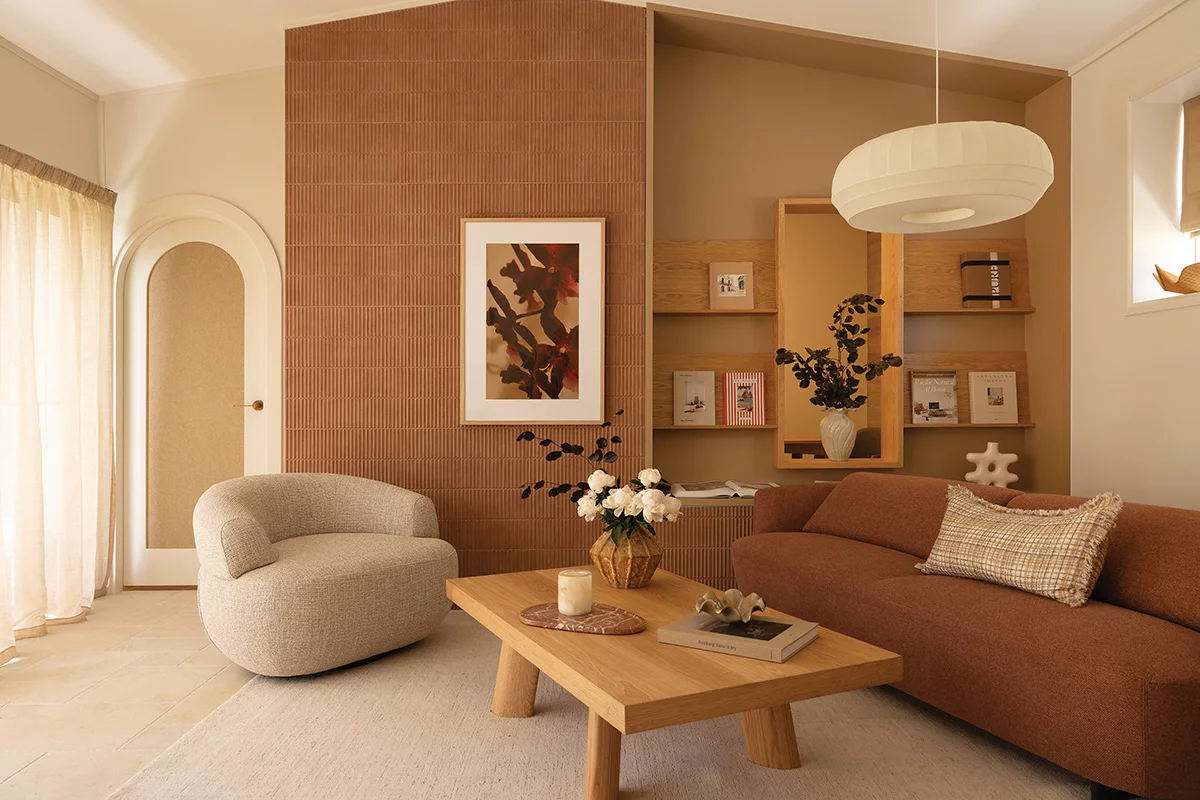
Credit: www.kingliving.com
Frequently Asked Questions
What Is Contrast Control In Moody Living Room Design?
Contrast control means using light and dark colors carefully. It helps create depth and mood in your living room. Balancing contrast avoids making the space feel too harsh or dull.
How Does Warm Lighting Affect Living Room Mood?
Warm lighting adds a cozy and inviting feel to the room. It softens shadows and makes colors appear richer. This type of lighting creates a relaxing space for any time of day.
Which Colors Work Best For A Moody Living Room?
Deep, rich colors like navy, charcoal, or forest green work well. These tones add drama without overwhelming the space. Pairing them with lighter accents enhances contrast and interest.
What Lighting Fixtures Suit A Moody Living Room?
Soft, dimmable lamps and pendant lights are great choices. They allow you to control brightness easily. Using multiple light sources adds warmth and layers to the room.
How Can I Balance Contrast And Lighting Effectively?
Start with a dark color base and add warm light sources. Use textures like velvet or wood to soften contrasts. Adjust lighting to highlight key areas without overpowering the room.
Conclusion
A moody living room feels cozy and inviting. Contrast control adds depth and interest to the space. Warm lighting creates a soft, welcoming glow. Together, they set a relaxing mood. Simple changes can make a big difference. Try mixing dark and light elements carefully.
Choose lamps and bulbs that give off warmth. Your living room will feel calm and stylish. Enjoy a space that feels just right.