
Are you ready to build a deck that doesn’t just fill space but feels purposeful and inviting? Creating a deck that looks intentional means every board, every corner, and every detail works together to create a space you’ll love.
You don’t want a random patchwork of materials or a design that leaves you wondering what to do next. Instead, imagine stepping onto a deck that flows naturally, feels balanced, and matches your lifestyle perfectly. Keep reading, and you’ll discover simple steps to design a deck that feels just right—no guesswork, no wasted effort, just a space that truly belongs to you.

Credit: roomfortuesday.com
Choosing A Clear Theme
Choosing a clear theme is key to creating a deck that feels planned and focused. A strong theme guides every slide and detail. It helps your audience understand your message quickly. Without a theme, your deck might seem random or confusing. A clear theme brings order and purpose to your presentation.
Selecting A Central Idea
Pick one main idea to center your deck around. This idea should be simple and easy to explain. Think about what you want your audience to remember most. Use this idea to shape your content and visuals. Avoid mixing too many ideas in one deck. A single central idea makes your message clear and strong.
Maintaining Consistency Throughout
Keep your theme consistent across all slides. Use similar colors, fonts, and images that match your central idea. Repeat key words or phrases to reinforce your message. Avoid sudden changes in style or tone. Consistency helps your audience follow your story. It also makes your deck look professional and well-organized.
Planning Your Content Flow
Planning your content flow is key to making your deck feel clear and purposeful. It helps your audience follow your ideas easily. A well-structured flow keeps attention and makes your message stronger.
Start by deciding the main points you want to share. Then arrange them in a way that makes sense. Think about the story you want to tell with your slides. Each slide should lead naturally to the next one.
Organizing Key Points Logically
Group related ideas together. Put simple information first, then build to more complex points. This order helps your audience understand better. Use numbers or bullet points to show a clear sequence. Avoid jumping between topics randomly. Logical order makes your deck easier to follow.
Using Transitions To Connect Ideas
Use short phrases to link your points smoothly. Phrases like “next,” “also,” or “for example” guide your audience. Transitions act as bridges between slides. They keep the story moving without confusion. Clear connections make your deck feel intentional, not random.
Designing Visual Elements
Designing visual elements shapes how your deck looks and feels. It helps your message stand out clearly. Thoughtful design makes your slides easier to follow. It also keeps your audience interested throughout the presentation.
Visual elements work best when they support your story. They should not distract or confuse viewers. Every choice, from text size to colors, matters. These small details create a strong, intentional look.
Balancing Text And Images
Too much text can overwhelm your audience. Slides filled with words feel heavy and boring. Use short sentences and bullet points instead. Pair text with images to explain ideas better.
Images add interest and help viewers remember points. They break up the text and make slides lighter. Choose pictures that relate directly to your message. Avoid random or unrelated visuals. Balance keeps your deck clean and professional.
Choosing A Cohesive Color Palette
Pick a few colors that work well together. Use these colors consistently across all slides. A unified palette gives your deck a polished look. It also guides viewers’ eyes to important information.
Limit your palette to three or four colors. Use one color for backgrounds and another for text. Highlight key points with a contrasting shade. Avoid using too many bright or clashing colors. Simplicity makes your deck easier to read.
Utilizing White Space Effectively
White space is the empty area around text and images. It helps separate different elements on your slide. This space makes your content more readable and less crowded.
Don’t fill every inch with content. Leave enough space so your slides breathe. White space guides the viewer’s focus naturally. It also creates a clean and modern design. Use margins and gaps to improve the flow of information.

Credit: www.reddit.com
Crafting Engaging Slides
Creating slides that capture attention is key to a strong deck. Every slide should serve a clear purpose. Thoughtful design helps your audience follow your message easily.
Engaging slides combine visuals with simple text. This balance keeps viewers interested and focused. Avoid clutter and keep content clear and direct.
Incorporating Storytelling Techniques
Stories make information memorable. Use simple narratives to explain your points. Start with a problem, show a journey, and end with a solution. This structure guides your audience through your message.
Use characters or situations your audience knows. This creates connection and understanding. Stories also add emotion, which helps people remember your message longer.
Highlighting Important Information
Focus attention on key facts. Use bold text or different colors for important words. Keep these highlights consistent across slides. It helps viewers spot the most critical points quickly.
Limit text to short sentences or bullet points. Avoid long paragraphs that lose attention. Clear highlights make your slides easier to scan and understand fast.
Using Data Visualization Wisely
Visuals like charts and graphs explain numbers better than text. Choose simple charts that match your data type. Avoid complex graphics that confuse viewers.
Label charts clearly and keep colors consistent. Use visuals to support your story, not to distract. Proper data visualization makes your message stronger and clearer.
Ensuring Readability And Clarity
Creating a deck that feels clear and easy to read is essential. People should understand your message quickly. Clear slides keep your audience engaged. Every part of your deck should have a purpose. Avoid confusing or overwhelming viewers with too much information. Focus on making each slide simple and clear.
Selecting Appropriate Fonts And Sizes
Choose fonts that are easy to read. Simple fonts like Arial or Helvetica work well. Avoid fancy or decorative fonts that distract. Use font sizes that are large enough to see from a distance. Titles should be bigger than body text. Keep font styles consistent throughout the deck. Limit the number of different fonts to two or three.
Avoiding Cluttered Layouts
Space out your content to avoid clutter. Leave enough blank space around text and images. Use bullet points to break information into small pieces. Avoid filling slides with too many words or pictures. Keep your slides clean and organized. A tidy layout helps the audience focus on your main points.
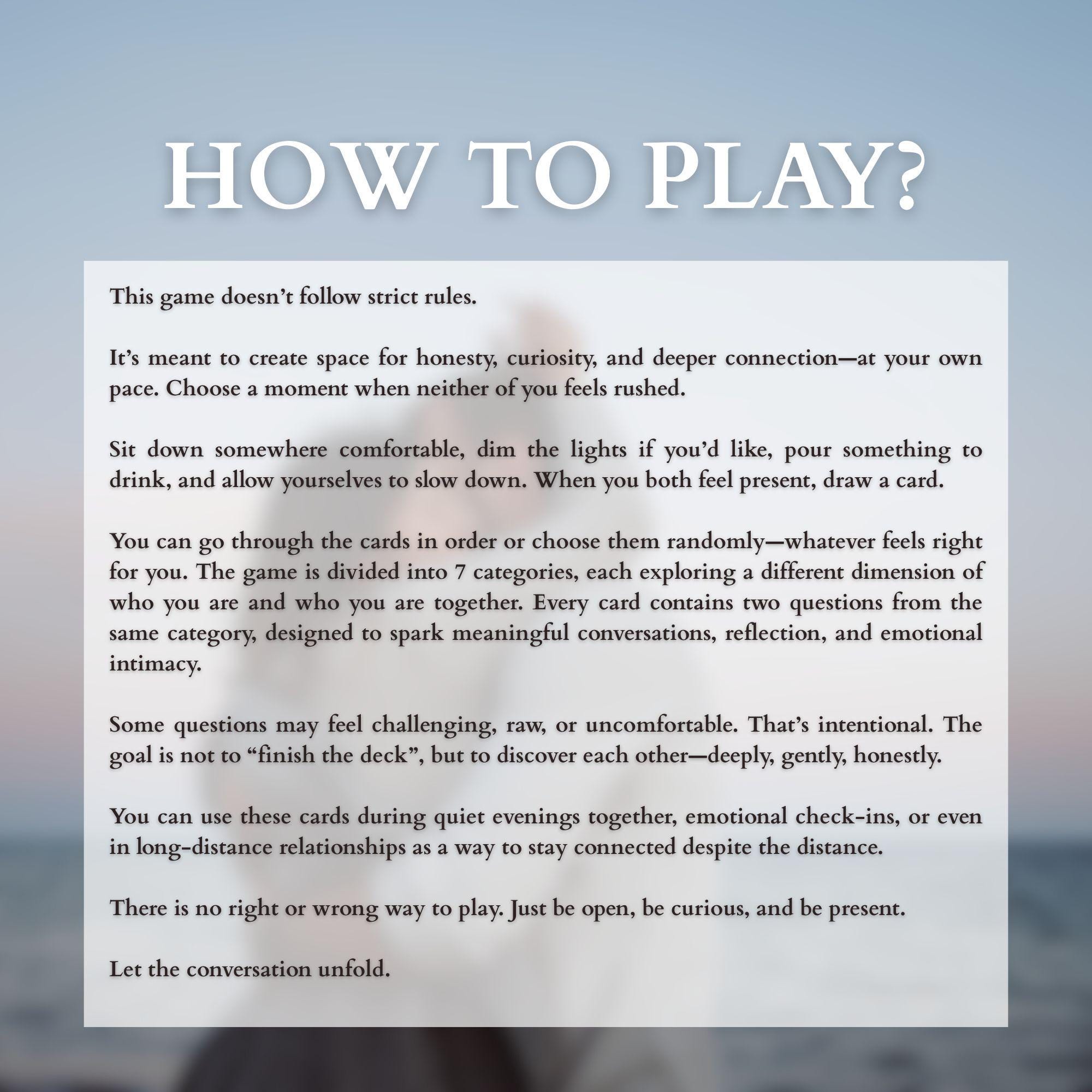
Credit: www.etsy.com
Reviewing And Refining The Deck
Reviewing and refining your deck is a key step to make it feel clear and purposeful. This process helps you spot weak spots and improve flow. It also makes sure your message is strong and easy to follow. Spending time here can turn a random set of slides into a powerful story.
Seeking Feedback From Others
Ask friends or colleagues to review your deck. Fresh eyes catch things you might miss. They can tell you if the deck feels confusing or off track. Listen carefully to their suggestions and questions. Use their feedback to adjust your slides and content. This step helps make your deck more polished and focused.
Practicing Your Presentation
Run through your deck several times out loud. This helps you find awkward parts or unclear points. Practicing builds your confidence and improves your timing. It also reveals where you might need to add or remove information. Knowing your deck well makes your delivery smoother and more natural.
Frequently Asked Questions
How Do I Plan A Deck That Looks Intentional?
Start by defining the deck’s purpose and style. Choose consistent colors and materials. Plan layout for flow and balance.
What Are Key Design Tips For An Intentional Deck?
Use symmetry or a clear focal point. Keep furniture and décor simple and cohesive. Avoid clutter to maintain purpose.
How Can I Avoid Randomness In Deck Decoration?
Select a theme and stick to it. Use matching or complementary items. Space elements evenly for harmony.
What Materials Work Best For A Purposeful Deck?
Wood, composite, and stone are popular choices. Pick materials that suit your climate and style. Quality matters for durability.
How Do I Arrange Furniture For A Natural Deck Flow?
Place seating to encourage conversation and views. Leave clear walkways. Balance pieces to create comfort and order.
Conclusion
Creating a deck that feels intentional takes thought and care. Choose cards that work well together. Keep your strategy clear and simple. Avoid adding random cards that do not fit. Test your deck often to see how it plays. Adjust it based on what you learn.
This way, your deck will feel strong and focused. Play with confidence, knowing your deck has a purpose. Enjoy the game and keep improving your skills.