
Your home office should do one simple thing: help you focus. But creating that perfect space isn’t just about picking the right chair or desk.
There are quiet design rules—subtle changes that can make a big difference in how well you concentrate and get work done. Imagine a room that naturally keeps distractions away and boosts your productivity every time you sit down. This article will reveal those smart design secrets you can use right now to transform your home office into a focus-friendly zone.
Keep reading, and discover how small tweaks can lead to big results for your workday.
Credit: www.homesandgardens.com
Choosing The Right Location
Choosing the right location for your home office is key to staying focused. The spot you pick shapes your daily work mood. It affects your energy and how well you concentrate. A quiet, bright, and calm place helps you work better.
Selecting Low-traffic Areas
Pick a spot away from busy rooms. Avoid places near the kitchen or living room. Fewer people passing by means fewer distractions. This keeps your mind on work, not noise or movement.
Maximizing Natural Light
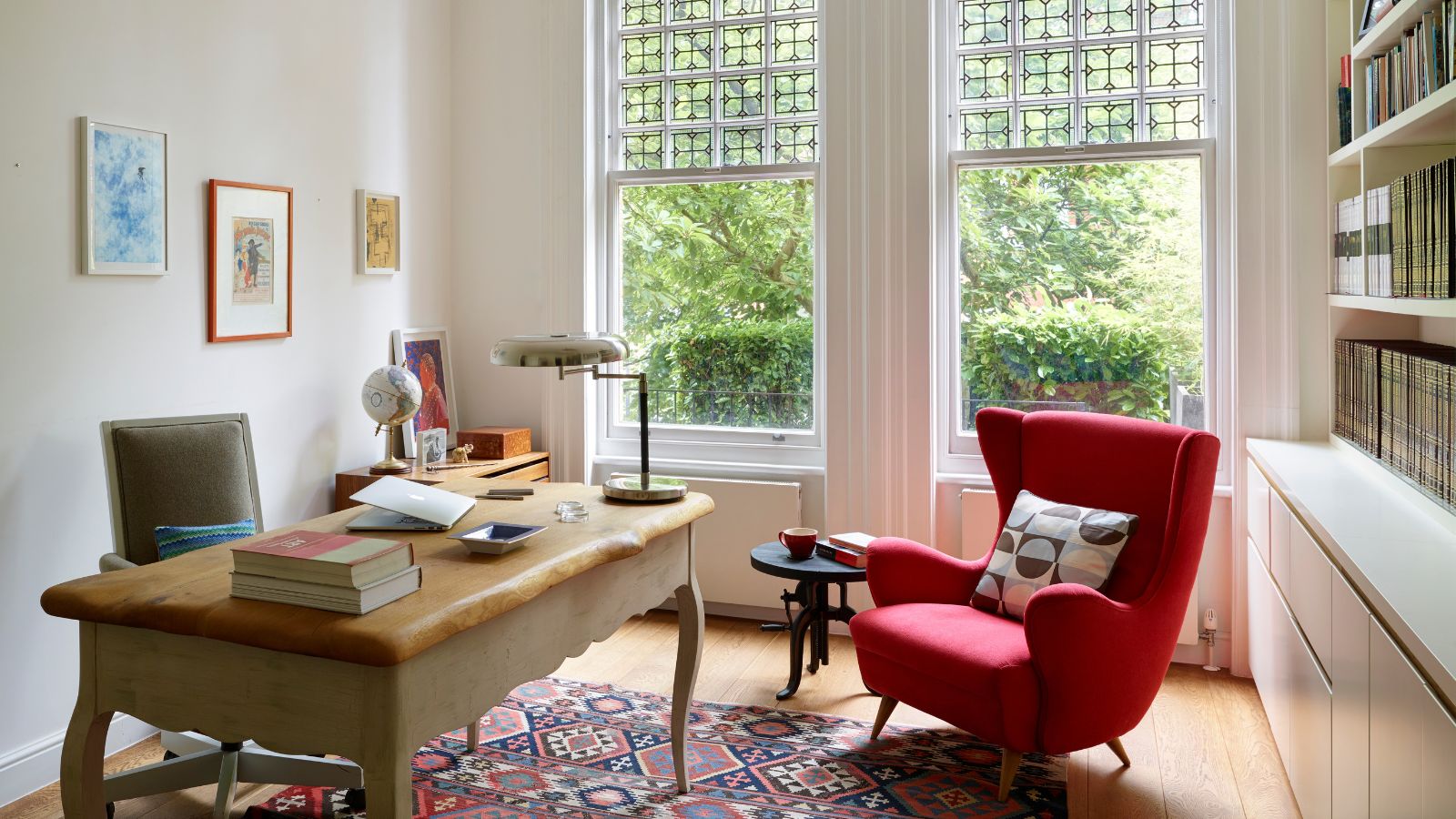
Choose a space with plenty of sunlight. Natural light boosts mood and alertness. Place your desk near windows to catch daylight. Bright rooms reduce eye strain and keep you awake.
Minimizing Noise Distractions
Find a location with little background noise. Avoid areas close to loud appliances or street sounds. Use rugs or curtains to soften sound. Less noise means clearer thinking and better focus.
Optimizing Layout And Furniture
Optimizing the layout and furniture in a home office plays a big role in helping you focus. The right setup supports comfort and keeps distractions low. Thoughtful choices make work easier and boost productivity.
Small changes in furniture and layout can create a calm, clear space. This space invites good habits and steady work. It also protects your body from strain and tiredness.
Ergonomic Desk And Chair Choices
Select a desk that fits your room and work style. Choose one with enough surface area for your computer and notes. Standing desks offer a change from sitting all day.
Pick a chair that supports your back well. It should have adjustable height and a comfortable seat. Good lumbar support reduces back pain and keeps you alert.
Decluttering With Smart Storage
Use shelves and drawers to keep your desk clear. Store items you don’t use often out of sight. This reduces visual clutter and helps you focus on tasks.
Organize supplies in boxes or containers. Label them for easy access. Clean spaces cut down stress and make work smoother.
Creating Defined Work Zones
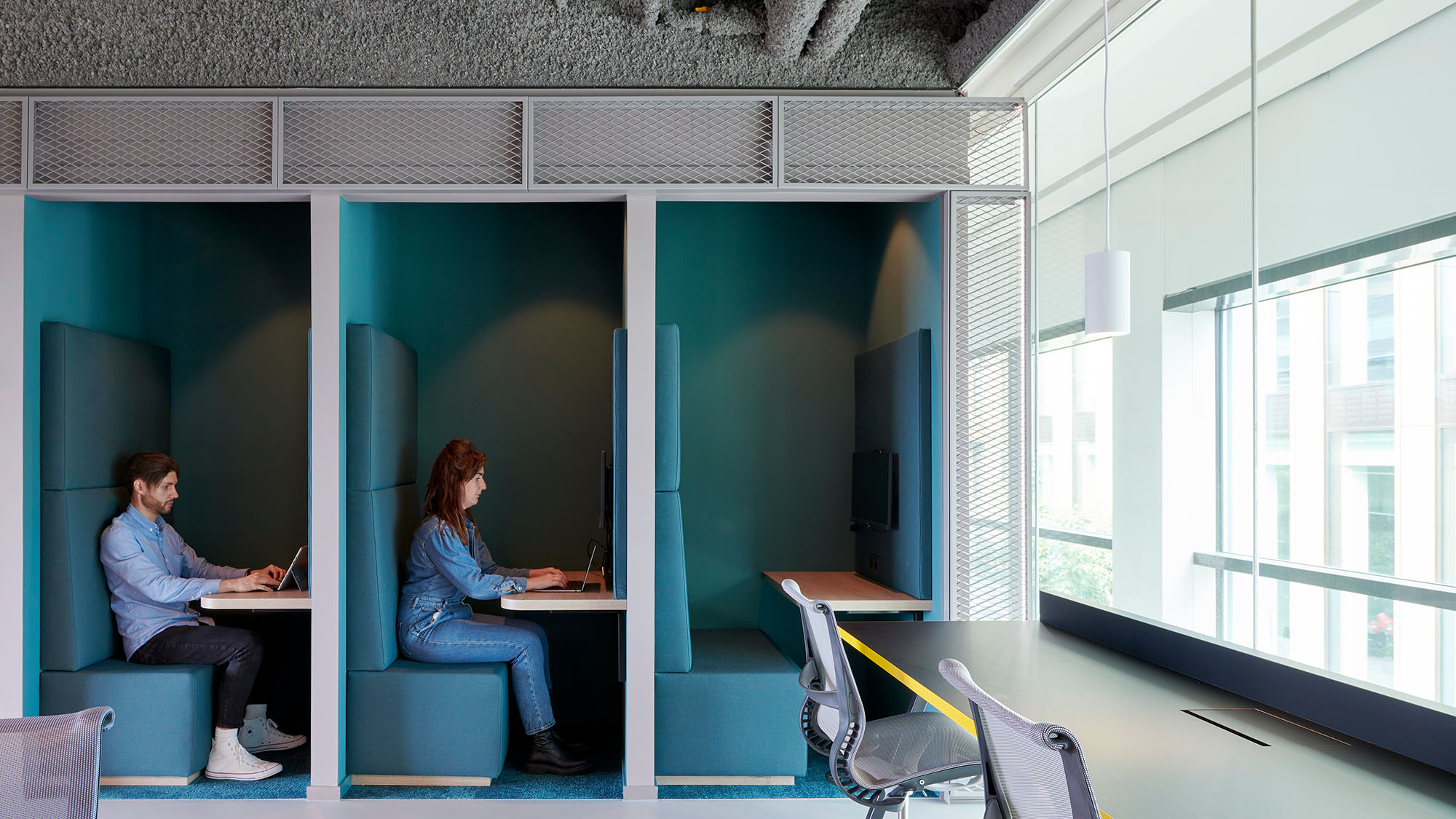
Divide your office into areas for different tasks. Have a spot for computer work and another for reading or writing. This helps your brain switch focus easily.
Use rugs or furniture placement to mark zones. Clear boundaries keep distractions low. Defined spaces build better work habits and flow.
Color And Lighting Effects
Color and lighting shape how you feel and work in your home office. They affect your mood, focus, and energy. Choosing the right colors and lighting helps create a calm and productive space. Small changes can lead to big improvements.
Calming Color Palettes
Soft, muted colors create a peaceful work environment. Shades like light blue, pale green, and gentle gray calm the mind. These colors reduce stress and help you focus better. Avoid bright, harsh colors that can cause distraction or fatigue.
Adjustable Lighting Solutions
Lighting that adjusts to your needs improves comfort and focus. Use lamps with dimmers to control brightness. Task lighting helps you see clearly without straining your eyes. Flexible lighting lets you work day or night with ease.
Balancing Natural And Artificial Light
Natural light boosts mood and alertness in your office. Position your desk near a window to get sunlight. Use curtains or blinds to reduce glare. Combine natural light with soft artificial light for balance. This mix helps maintain focus throughout the day.
Credit: www.mmoser.com
Incorporating Nature Elements
Bringing nature into your home office helps create a calm and focused space. Nature elements reduce stress and improve air quality. They also make the room feel fresh and alive.
Simple touches inspired by nature can boost your work mood. They help you stay relaxed and productive throughout the day.
Adding Indoor Plants
Indoor plants add life and color to your workspace. They clean the air and increase oxygen levels. Small pots of greenery fit well on desks or shelves. Choose easy-care plants like succulents or spider plants. The green color soothes your eyes during work breaks.
Using Natural Materials
Natural materials bring warmth and texture to the room. Wood desks, bamboo blinds, or cork boards create a cozy feel. These materials have a soft, organic look. They avoid harsh, artificial vibes. Using natural fabrics for chair cushions also adds comfort and style.
Views That Inspire Calm
A window view to nature can improve focus. Watching trees, sky, or a garden offers a peaceful break. Natural light brightens the room and lifts your mood. Position your desk near a window if possible. Even a picture of nature scenes can help create calm.
Technology Setup For Focus
Setting up technology in a home office affects how well you focus. The right tools and their placement can reduce distractions. A clean, organized space helps keep your mind clear. Small tech choices make a big difference in productivity and comfort.
Cable Management Techniques
Messy cables create visual clutter and stress. Use cable clips to hold wires in place. Velcro straps help bundle cords neatly. Label cables to find them fast. Keep power strips off the floor to avoid tangles. A tidy desk feels calm and organized.
Choosing Noise-canceling Devices
Noise blocks concentration. Noise-canceling headphones reduce background sounds. Choose lightweight models for comfort during long use. Earbuds with noise cancellation work well for small spaces. Test sound quality before buying. Quiet helps your brain focus on work.
Setting Up Effective Screen Placement
Screen position affects posture and eye strain. Place monitors at eye level to avoid neck pain. Keep screens about 20 inches from your eyes. Use adjustable stands to find the best height. Avoid glare by positioning screens away from windows. Proper setup supports longer focus sessions.
Personalizing Without Clutter
Personalizing your home office helps make the space comfortable and inspiring. It reflects your style and boosts motivation. But clutter can quickly distract and reduce focus. The key is to add personal touches without overcrowding the area.
Simple, thoughtful design choices keep your workspace neat and calm. This balance supports clear thinking and productivity. Here are some effective ways to personalize without creating clutter.
Selecting Meaningful Decor
Choose a few decor items that truly inspire you. Photos, artwork, or small plants bring life to your desk. Pick pieces with personal value, not just random objects. This creates a space that feels yours without overwhelming it.
Keep decor items small and functional. A favorite mug or a tidy pen holder works well. These details add warmth while staying practical. Avoid too many decorations to keep the focus sharp.
Limiting Visual Distractions
Visual clutter drains attention quickly. Use clean lines and simple colors in your design. Neutral tones with one or two accent colors calm the mind. Avoid busy patterns or too many bright colors near your workspace.
Keep bulletin boards or shelves organized. Display only essential notes or inspiring quotes. Remove old papers and unused items regularly. This helps maintain a clear and inviting environment.
Maintaining A Clean Workspace
A tidy desk supports mental clarity. Clear away unnecessary items at the end of each day. Use storage solutions like drawers or boxes to hide clutter. This keeps surfaces open and distraction-free.
Regular cleaning also improves focus. Dust and dirt can make the space feel chaotic. Wipe down your desk and electronics often. A clean area helps you feel fresh and ready to work.
Air Quality And Comfort
Good air quality and comfort in a home office help you focus better. Fresh air keeps your mind clear and reduces tiredness. Comfortable temperature stops distractions caused by being too hot or cold. These elements create a space where work feels easier and less stressful.
Improving Ventilation
Open windows to bring in fresh air and remove stale air. Use fans to move air around the room. Ventilation reduces indoor pollutants and keeps oxygen levels high. Fresh air helps your brain stay alert during work hours.
Temperature Control Tips
Keep the room temperature between 68 and 72 degrees Fahrenheit. Use a fan or heater to maintain this range. Dress in layers to adjust your comfort easily. Avoid sudden temperature changes that can distract or stress you.
Using Air Purifiers
Air purifiers remove dust, allergens, and pollutants from the air. They make breathing easier, especially for sensitive people. Choose a purifier with a HEPA filter for the best results. Clean the filter regularly to keep the air fresh and pure.

Credit: usabuildersdepot.com
Routine And Space Maintenance
Keeping a home office tidy and well-organized is key to staying focused. Routine care of your workspace helps clear your mind. It also creates a calm environment where work flows smoothly. Small daily habits prevent clutter from piling up. Regular reviews ensure your space suits your work style. Adjustments keep the office fresh and useful as needs change.
Daily Tidying Habits
Spend a few minutes each day straightening your desk. Put away papers and supplies after use. Wipe down surfaces to keep them clean and inviting. Clear spaces help your brain feel less distracted. A neat desk every morning sets a positive tone. It makes sitting down to work easier and more pleasant.
Periodic Reassessments
Look at your office setup every few weeks. Check if your furniture and tools still serve you well. Notice if the layout feels crowded or awkward. Make small changes to improve comfort and efficiency. This habit stops problems before they grow. It keeps the space aligned with your daily tasks.
Adapting Space To Changing Needs
Your work style may shift over time. Projects may require different tools or setups. Change your space to fit new demands. Add storage or swap furniture if needed. A flexible office supports your best focus. It grows with you, staying useful and organized.
Frequently Asked Questions
What Are Key Design Elements For A Home Office That Aids Focus?
Natural light, minimal clutter, and ergonomic furniture boost focus in home offices. These elements reduce distractions and improve comfort for long work hours.
How Does Lighting Affect Concentration In Home Office Spaces?
Good lighting reduces eye strain and keeps you alert. Soft, natural light works best to maintain focus throughout the day.
Why Is Clutter Control Important In A Home Office?
Clutter creates distractions and stress, making it hard to focus. Keeping your workspace tidy helps your mind stay clear and productive.
What Role Does Color Play In Home Office Design?
Soft, neutral colors create a calm atmosphere that improves concentration. Bright or bold colors can be distracting and reduce focus.
How Can Furniture Choices Improve Productivity In Home Offices?
Comfortable, adjustable chairs and desks support good posture and reduce fatigue. Proper furniture helps maintain focus and prevents discomfort during work.
Conclusion
Creating a home office that boosts focus starts with simple design rules. Clear spaces help keep your mind calm and ready. Good lighting and quiet corners reduce distractions. Organizing your desk makes tasks easier to find. Small changes lead to better work habits.
Try these ideas to improve your workspace today. Your focus and productivity will thank you.