
Imagine stepping into your own outdoor space and feeling an instant sense of calm and joy. Your garden isn’t just a patch of land—it’s a place where your lifestyle comes alive.
Garden outdoor lifestyle design is all about creating a space that fits your personality and daily habits perfectly. Whether you want a cozy spot to relax, an area to entertain friends, or a green retreat to recharge, the right design can transform your garden into your favorite place.
Ready to discover how to make your outdoor space work for you? Keep reading to unlock ideas that will inspire and guide you to create a garden that truly reflects your lifestyle.
Choosing The Right Garden Style
Choosing the right garden style shapes the entire outdoor space. It sets the mood and guides plant and decor choices. The style should match your home’s look and your personal taste. It also depends on your garden’s size and how you want to use it. Different styles offer unique feelings and experiences.
Modern Minimalist Gardens
Modern minimalist gardens focus on simplicity and clean lines. They use few plants, mostly green with some texture. Hardscape features like concrete paths and metal planters are common. This style works well in small spaces or urban areas. It creates calm and order with less clutter.
Rustic And Natural Designs
Rustic gardens feel warm and inviting. They use natural materials like wood and stone. Plants grow in a loose, informal way. Wildflowers, shrubs, and trees create a relaxed look. This style blends well with countryside homes and natural surroundings. It gives a cozy, lived-in feeling.
Tropical And Exotic Themes
Tropical gardens bring a lush, vibrant vibe. They feature large leaves, bright flowers, and rich colors. Palms, ferns, and orchids are popular plants. Water elements like ponds or fountains add to the feel. This style creates a vacation-like atmosphere at home.
Formal And Symmetrical Layouts
Formal gardens have neat lines and balanced shapes. Paths, hedges, and flower beds are arranged symmetrically. Topiary and trimmed shrubs add to the structure. This style suits classic homes and large spaces. It gives a sense of order and elegance.

Credit: www.eastwoodhomes.com
Planning Your Outdoor Space
Planning your outdoor space is the first step to a beautiful garden lifestyle. It helps create a clear vision for your yard. Good planning makes your garden both useful and relaxing. Thoughtful design turns any outdoor area into a favorite spot.
Assessing Available Space
Start by measuring your yard carefully. Note any slopes, trees, or buildings. Check for wet or dry areas. Understand the size and shape of your space. This helps decide what fits best. Knowing your space limits prevents overcrowding.
Selecting Functional Zones
Divide your garden into zones for different uses. Create areas for dining, relaxing, and playing. A cooking zone with a grill works well. A quiet corner invites reading or resting. Separate zones make the space organized and easy to use.
Incorporating Pathways And Borders
Pathways guide people through your garden. Use stones, gravel, or wood for paths. Borders define each zone clearly. They keep plants tidy and add charm. Paths and borders also help protect delicate plants.
Maximizing Sunlight And Shade
Know where the sun shines most in your garden. Place sun-loving plants in bright spots. Create shaded areas with trees or umbrellas. Shade zones offer cool spots on hot days. Balancing sun and shade improves comfort and plant health.
Selecting Plants And Greenery
Selecting the right plants and greenery shapes your garden’s outdoor lifestyle. Choosing plants that fit your space, climate, and care routine creates a beautiful and relaxing area. Plants bring color, texture, and life to your garden. They also help define areas and add privacy. This guide covers smart plant choices to build a garden you enjoy all year.
Low-maintenance Plant Choices
Pick plants that need little water and care. Succulents, lavender, and ornamental grasses thrive with minimal attention. These plants save time and reduce garden chores. They suit busy lifestyles and dry climates. Low-maintenance plants stay healthy longer and look good without extra effort.
Seasonal Flower Options
Seasonal flowers bring color changes throughout the year. Tulips and daffodils brighten spring, while mums add rich tones in fall. Choose flowers that bloom in different seasons to keep your garden lively. Seasonal blooms attract bees and butterflies, boosting garden life.
Creating Privacy With Shrubs
Shrubs create natural walls for privacy and noise control. Boxwood, holly, and privet grow dense and tall. Arrange shrubs in rows to block unwanted views. These plants add green texture and a cozy feel. Prune shrubs to keep shape and encourage growth.
Using Trees For Structure And Shade
Trees give your garden form and cool shade. Maple, oak, and dogwood trees add height and beauty. Shade helps cool outdoor seating areas in summer. Trees also provide shelter for birds and small animals. Plant trees in spots where they have room to grow.
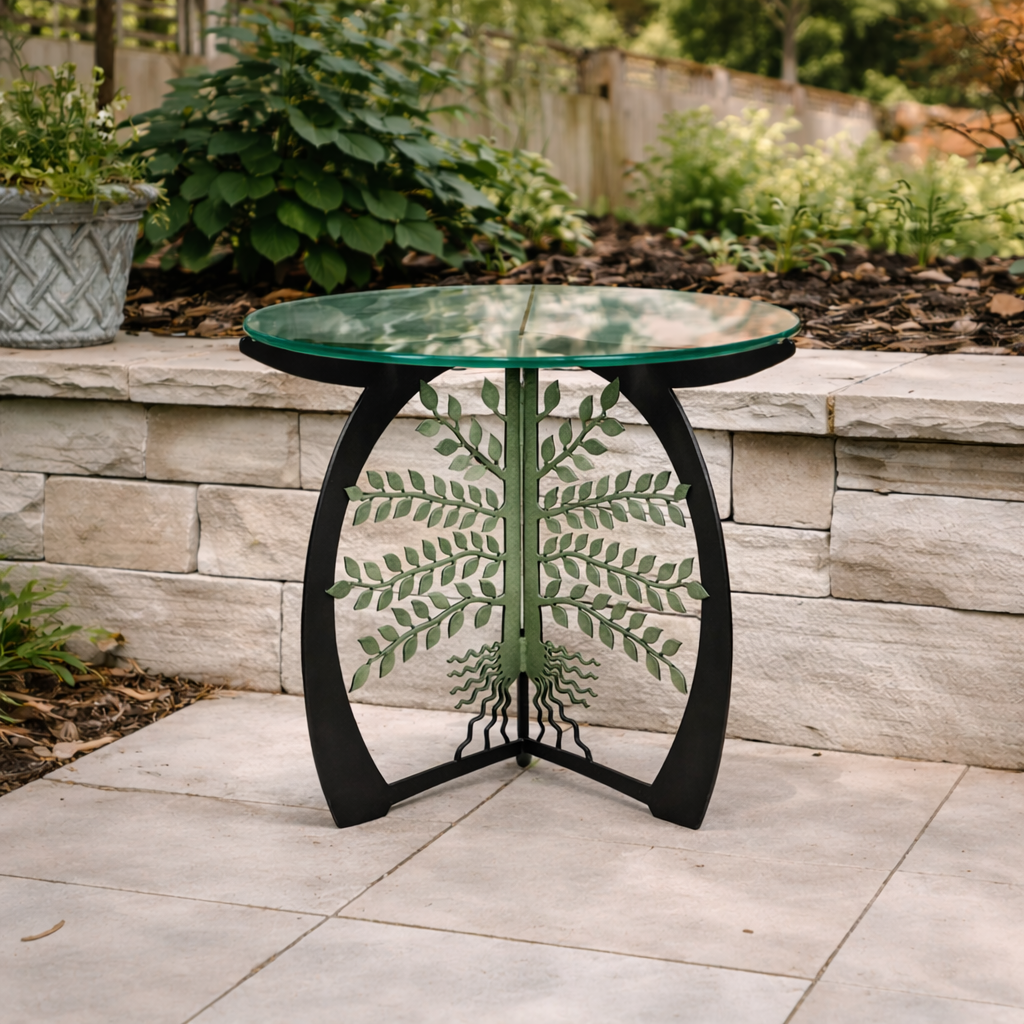
Credit: www.cricketforge.com
Outdoor Furniture And Accessories
Outdoor furniture and accessories shape the feel of your garden space. They create comfort and invite relaxation. Choosing the right pieces helps you enjoy your outdoor area all year. Each element adds style and function to your garden lifestyle design.
Choosing Durable Materials
Outdoor furniture must withstand weather and wear. Look for materials like teak, aluminum, or synthetic wicker. These resist rain, sun, and wind without losing strength. Choose fabrics that dry quickly and resist fading. Durable materials keep your furniture looking fresh longer.
Comfort And Style Balance
Comfort matters as much as looks. Pick cushions that are soft but firm. Choose colors and patterns that match your garden’s mood. Mix simple designs with bold accents for interest. A cozy, stylish setup invites you to linger outdoors.
Incorporating Lighting Solutions
Good lighting extends your garden use into the evening. Solar lights and LED string lights save energy and look charming. Place lights along paths, around seating, and near plants. Lighting creates warmth and highlights your garden’s best features.
Adding Decorative Elements
Accessories bring personality to your outdoor space. Use pots, statues, or wind chimes for added charm. Rugs and throws add color and texture. Small touches make your garden feel welcoming and unique.
Incorporating Water Features
Water features bring calm and beauty to your garden space. They create a peaceful atmosphere and attract birds and butterflies. Adding water elements can turn a simple garden into a relaxing retreat. Small or large, water features fit any outdoor style.
Fountains And Ponds
Fountains add movement and sound to your garden. They can be modern or classic in design. Ponds offer a natural look and support aquatic plants and fish. Both fountains and ponds become eye-catching focal points.
Choose a size that matches your garden. Place fountains near seating areas for soothing sounds. Ponds work well in larger spaces with room for plants.
Waterfalls And Streams
Waterfalls add drama and a gentle roar to your garden. Streams create a soft, flowing sound that calms the mind. Both features mimic nature and enhance garden beauty.
Build waterfalls with rocks or stones for a natural feel. Streams can wind through your garden, linking ponds or pools. These features bring life and movement to any outdoor area.
Diy Water Feature Ideas
Simple DIY water features are easy and affordable. Use containers like pots or tubs for small fountains. Add a pump and some stones for a quick setup.
Create a mini pond with a waterproof liner and plants. Use recycled materials like old sinks or barrels for unique designs. DIY projects let you customize your water feature to fit your style.
Maintaining Water Elements
Keep water clean to prevent algae and mosquitoes. Use pumps to keep water moving and fresh. Clean filters regularly to avoid blockages.
Remove leaves and debris often. Check water levels and top up as needed. Regular care keeps your water features beautiful and working well.

Credit: www.arkaenergy.com
Creating Outdoor Living Areas
Creating outdoor living areas transforms your garden into a space for comfort and fun. These areas extend your home outside. They offer a place to relax, eat, and enjoy fresh air. Well-designed spaces invite family and friends to gather and make memories. Thoughtful layouts and features enhance the outdoor experience all year round.
Patios And Decks
Patios and decks form the base of your outdoor living area. Patios use stone, concrete, or brick for a solid floor. Decks are wooden platforms raised from the ground. Both provide space for furniture and activities. Choose materials that suit your style and weather conditions. A well-built patio or deck adds value and beauty to your garden.
Outdoor Kitchens And Dining
Outdoor kitchens bring cooking and dining outside. Include a grill, counter space, and storage for convenience. A dining table makes meals enjoyable and social. Choose weather-resistant furniture for comfort and durability. Cooking outdoors keeps the house cool and the mood lively. This setup encourages longer, more relaxed gatherings.
Fire Pits And Heating
Fire pits create warmth and a cozy atmosphere. They extend outdoor use into cooler evenings. Choose from wood-burning, gas, or electric models. Arrange seating around the fire for conversation and comfort. Add heaters or heat lamps for extra warmth. These features make your garden inviting in different seasons.
Relaxation And Lounge Zones
Relaxation zones offer a peaceful retreat in your garden. Use comfortable chairs, sofas, or hammocks. Shade options like umbrellas or pergolas protect from sun. Add cushions and throws for softness and style. These areas help you unwind and enjoy nature’s calm. Perfect spots for reading, napping, or quiet talks.
Sustainable Garden Practices
Sustainable garden practices help protect the environment and save resources. They make gardens healthier and more beautiful. These practices reduce waste, save water, and support local wildlife. Using simple, eco-friendly methods benefits both your garden and the planet.
Rainwater Harvesting
Rainwater harvesting collects rain to water plants. It reduces the need for tap water and lowers water bills. Barrels or tanks catch rain from roofs. Stored water can be used during dry times. This method helps gardens stay green without wasting water.
Composting And Soil Health
Composting turns kitchen scraps and yard waste into rich soil. It adds nutrients back to the earth naturally. Healthy soil grows strong plants and reduces the need for chemicals. Compost improves soil structure and water retention. It supports earthworms and beneficial microbes.
Native Plant Integration
Native plants suit the local climate and soil. They need less water and care than exotic plants. These plants attract local birds, bees, and butterflies. Native gardens create a natural, balanced ecosystem. They also reduce pest problems and support biodiversity.
Energy-efficient Lighting
Energy-efficient garden lights save electricity and lower costs. LED bulbs use less power and last longer than traditional bulbs. Solar lights charge during the day and turn on at night. They add safety and beauty without increasing energy use. This lighting option is smart and eco-friendly.
Seasonal Care And Maintenance
Seasonal care and maintenance keep your garden healthy and vibrant all year. Each season brings new tasks to help plants grow strong. Following simple steps can protect your outdoor space and boost its beauty. Focus on what your garden needs during spring, summer, fall, and winter.
Spring Planting Tips
Start by cleaning the garden beds. Remove dead leaves and old plants. Loosen the soil to help roots grow. Add compost or fertilizer for extra nutrients. Choose plants that thrive in your climate. Plant flowers, vegetables, and shrubs early to give them a good start.
Summer Watering Strategies
Water plants deeply and less often. Early morning is the best time to water. Avoid watering in the heat of the day to reduce evaporation. Use mulch around plants to keep soil moist. Check for signs of drought stress like wilting or yellow leaves. Adjust watering based on weather and soil type.
Fall Cleanup And Prep
Clear fallen leaves and debris to prevent pests. Trim dead or damaged branches. Plant bulbs for spring flowers. Apply mulch to protect roots from cold. Divide and transplant crowded perennials. Prepare your garden tools for storage during winter.
Winter Protection Methods
Cover sensitive plants with burlap or frost cloth. Use mulch to insulate roots from freezing temperatures. Avoid walking on frozen soil to prevent damage. Bring potted plants indoors or to a sheltered spot. Check for any winter pests and remove them promptly.
Frequently Asked Questions
What Is Garden Outdoor Lifestyle Design?
Garden outdoor lifestyle design means planning and decorating your outdoor space. It includes plants, furniture, and lighting to create a nice place. The goal is to enjoy nature and relax outside.
How Do I Start Designing My Garden Outdoor Space?
Begin by thinking about how you want to use the space. Choose plants and furniture that fit your style and needs. Keep it simple and practical to make it easy to maintain.
What Plants Work Best For Outdoor Garden Design?
Choose plants that grow well in your climate and soil. Mix flowers, shrubs, and trees for color and texture. Use low-maintenance plants if you want less work.
How Can Lighting Improve My Garden Outdoor Lifestyle?
Good lighting makes your garden safe and beautiful at night. Use soft lights to create a warm, cozy feeling. Solar lights are energy-saving and easy to install.
What Outdoor Furniture Suits Garden Lifestyle Design?
Pick furniture that is weather-resistant and fits your space size. Comfortable chairs and tables help you relax and entertain guests. Materials like wood, metal, or wicker work well outdoors.
Conclusion
Creating a garden outdoor lifestyle design brings joy and peace. It turns your yard into a relaxing space. Choose plants, furniture, and lights that fit your style. Small changes can make a big difference. Enjoy fresh air and nature every day.
Make your garden a place to gather and rest. Your outdoor space can feel like a second home. Start simple and grow your design over time. A well-planned garden invites comfort and calm. Your outdoor lifestyle is waiting to bloom.