Your living room walls hold more potential than you might think. When you master the art of layering wall art, you don’t just fill empty space—you create a striking focal point that draws everyone’s attention.
But how do you arrange pieces to make your space feel balanced and inviting? This guide will show you simple, strategic steps to optimize your focal points and transform your living room into a stylish, personal haven. Ready to turn your walls into a conversation starter?
Keep reading to discover how easy it can be.

Credit: www.drugpatentwatch.com
Choosing The Right Wall For Art
Choosing the right wall for your living room art is crucial. It affects the room’s mood and how people feel inside. The right wall helps your art stand out. It also balances the room’s look. Careful selection can turn your space into a cozy, inviting area. Consider the room’s layout, light, and the wall’s role before hanging art.
Assessing Room Layout
Look at your living room’s shape and size. Find walls that are free from clutter and furniture. Large empty walls work best for bigger art pieces. Narrow walls suit small or medium-sized art. Think about how people will move in the room. Choose a wall that faces the main seating area. This way, everyone can enjoy the art comfortably.
Considering Natural Light
Check where sunlight enters the room. Natural light can highlight your art. But too much direct sunlight may fade colors over time. North-facing walls get soft, steady light. South-facing walls get bright, strong light. East and west walls get changing light during the day. Place art where it looks good both day and night.
Focal Wall Selection
Pick a wall that naturally draws the eye. It might be the wall behind the sofa or fireplace. This wall often becomes the room’s main focus. Use art to enhance this spot. The wall should not compete with other decorations. Keep it simple to let the art shine. This creates a strong visual impact without clutter.
Selecting Art Pieces For Layering
Choosing the right art pieces is key to layering wall art in your living room. It creates a focal point that draws eyes and adds depth. Each piece should work well with others. Together, they tell a story that fits your space.
Consider size, shape, color, and texture. These elements help balance the wall and keep it interesting. Your personal style also plays a big role in selecting art. It makes the room feel truly yours.
Mixing Sizes And Shapes
Use a mix of large and small art pieces. Big art grabs attention. Smaller pieces fill gaps and add detail. Different shapes break the monotony. Round, square, and rectangular frames create visual interest. This variety keeps your wall lively and balanced.
Balancing Colors And Textures
Choose colors that complement your room’s palette. Soft tones calm the space. Bright colors add energy. Textures like canvas, metal, or wood create contrast. This mix makes the wall feel layered and rich. It adds a tactile element that invites touch.
Incorporating Personal Style
Pick art that reflects your personality. Family photos, travel souvenirs, or favorite paintings add meaning. This personal touch makes the space unique. It also sparks conversation and memories. Your wall becomes a gallery of your life.
Arranging Art To Create Depth
Arranging art to create depth adds interest and dimension to your living room walls. It helps make the space feel dynamic and lively. Layering art pieces thoughtfully guides the eye and builds a sense of space. Simple techniques can make your wall art stand out and feel more engaging.
Depth also helps balance the room by adding visual weight and texture. You can achieve this by mixing sizes, shapes, and styles. Each piece plays a role in creating a layered look that feels natural and inviting.
Using Overlapping Techniques
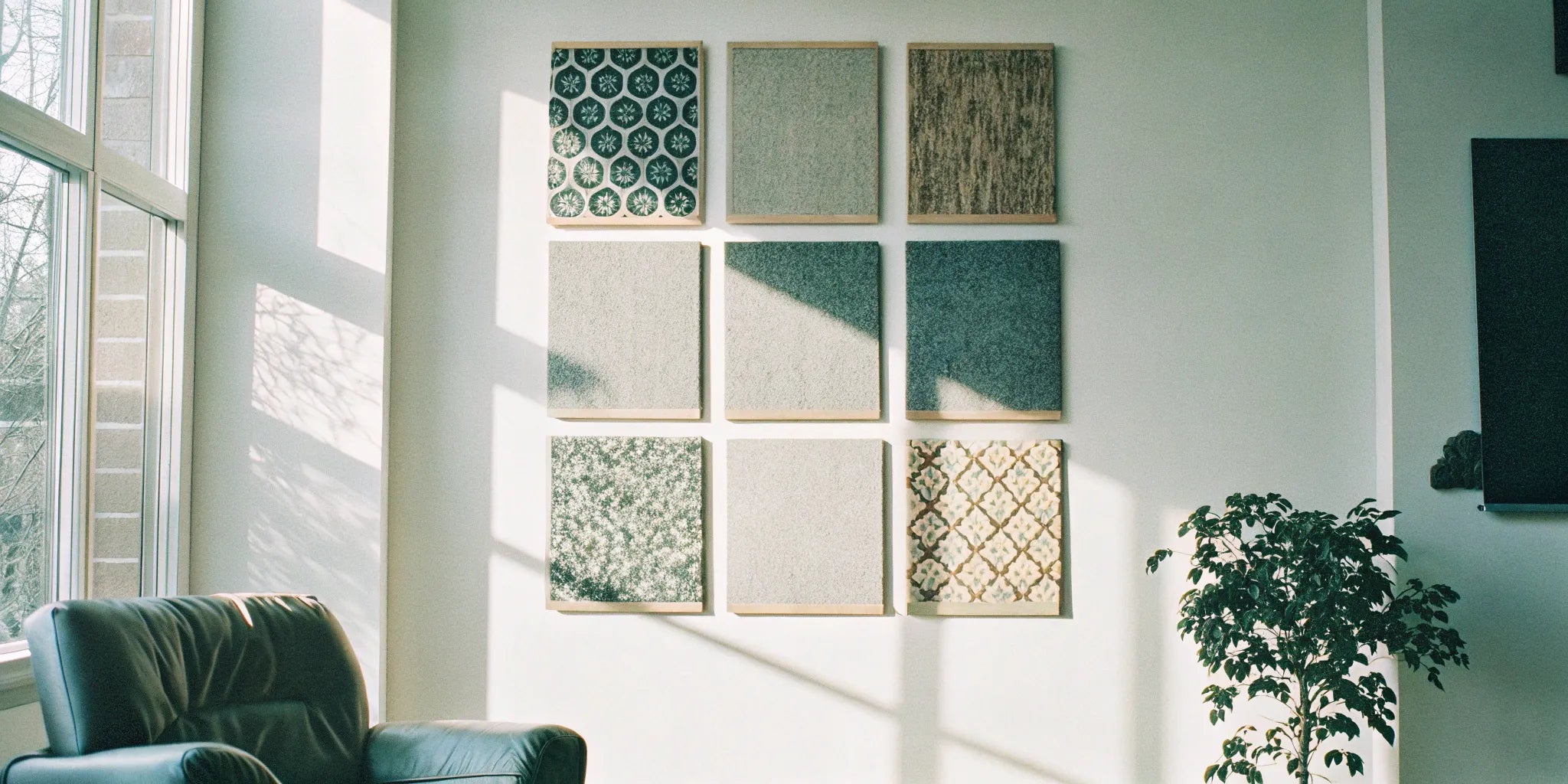
Overlap smaller art pieces over larger ones to create a sense of depth. This method makes the wall feel fuller and more connected. Start by placing the largest artwork as a base. Then layer medium and smaller frames on top, letting their edges overlap slightly.
Keep the overlaps subtle to avoid clutter. This technique works well with mixed media or textured frames. Overlapping breaks the flatness and adds dimension to the display.
Varying Frame Styles
Mix different frame styles to build depth on your wall. Use a combination of thin and thick frames to add contrast. Wooden, metal, and painted frames create layers through texture and color.
Changing frame styles avoids a monotonous look. It draws attention to each piece and adds visual interest. This variation helps separate the art and makes the entire collection feel dynamic.
Playing With Negative Space
Leave empty spaces between art pieces to create breathing room. Negative space helps highlight each artwork and adds balance. It keeps the wall from feeling overcrowded.
Use gaps of different sizes to create rhythm and flow. Negative space also enhances the depth effect by contrasting with the layered art. This simple trick makes your wall art arrangement look polished and thoughtful.
Credit: usabuildersdepot.com
Integrating Wall Art With Decor
Integrating wall art with your living room decor creates a balanced and inviting space. The art should work well with other design elements. This makes the room feel complete and thoughtfully arranged. Focus on how the art connects with furniture, lighting, and other features.
Coordinating With Furniture
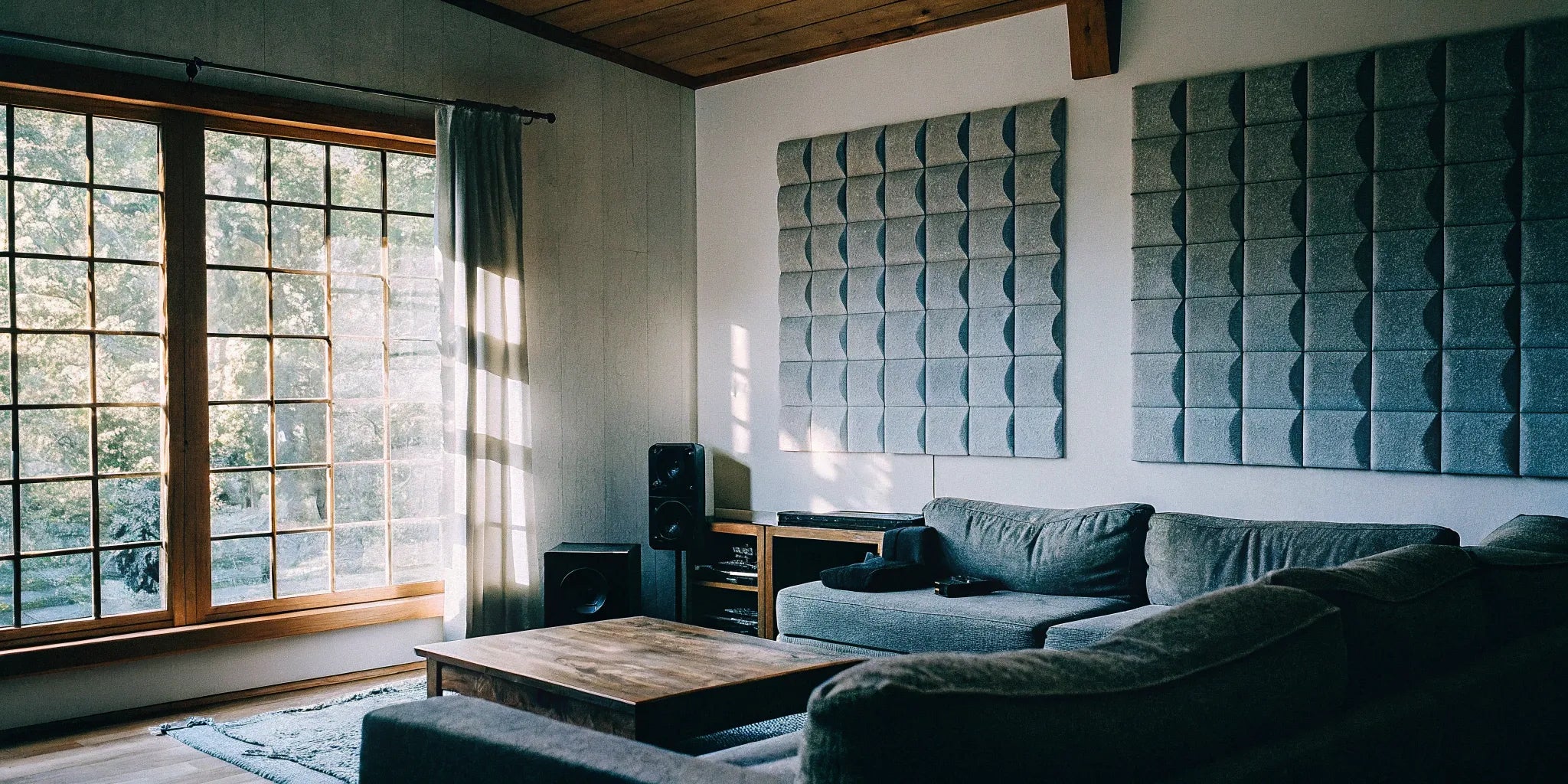
Choose wall art that matches the style of your furniture. Soft, curved sofas pair well with round or abstract art. Strong, angular furniture fits best with bold, geometric pieces. Match colors between the art and furniture cushions or rugs. This creates a smooth flow across the room. Keep sizes proportional to avoid overpowering the furniture.
Complementing With Lighting
Use lighting to highlight your wall art. Spotlights and picture lights draw attention to key pieces. Natural light can soften the look of bright colors. Avoid glare by placing lights at an angle. Warm lighting tones enhance earthy and warm colors in art. Proper lighting adds depth and mood to your space.
Adding Sculptural Elements
Mix flat art with 3D sculptural pieces for interest. Metal or wooden sculptures add texture and contrast. Place sculptures on nearby shelves or side tables. This creates a layered, dynamic look. Choose pieces that complement the art’s theme or color. Sculptures help create a focal point that feels alive and unique.
Maintaining Harmony And Balance
Maintaining harmony and balance is key when layering living room wall art. It helps create a space that feels calm and inviting. Proper balance prevents the wall from feeling too busy or too empty. The right harmony makes each piece stand out without competing.
Establishing Visual Flow
Visual flow guides the eye smoothly across the wall. Arrange art so the eye moves naturally from one piece to the next. Use shapes, colors, or lines to connect artworks. This keeps the wall interesting but not confusing. Visual flow helps the room feel unified and comfortable.
Avoiding Clutter
Clutter makes the wall look messy and overwhelms the room. Space out the artwork to give each piece room to breathe. Avoid overcrowding with too many small pieces. Choose a few key pieces that work well together. Clear space around art adds calmness and focus.
Adjusting For Room Proportions
Room size and wall space affect how art should be layered. Large rooms can hold bigger or more pieces without feeling crowded. Small rooms need fewer, simpler pieces to avoid overpowering the space. Match the size of art to the wall and furniture for balance. This creates a cozy and well-proportioned look.
Practical Tips For Installation
Installing wall art in your living room needs care and planning. It makes your space look better and protects your art. Follow these practical tips to place your art perfectly. These steps help you create a balanced and beautiful wall.
Choosing Hanging Methods
Select the right hanging method for each piece of art. Small frames work well with picture hooks or nails. For heavier art, use wall anchors or screws. Consider using adhesive strips for lightweight pieces. Match the method to your wall type for the best hold. This prevents damage and keeps art steady.
Ensuring Secure Mounting
Check the weight of your art before hanging. Use appropriate hardware that can support the load. Use a stud finder to locate studs in your wall. Mount heavy pieces directly on studs for extra security. Use a level to keep the art straight. Secure mounting keeps art safe and avoids accidents.
Arranging Art At Eye Level
Place art at eye level for the best view. The center of each piece should be about 57 to 60 inches from the floor. This height suits most people and rooms. For groupings, keep the center of the arrangement at eye level. This creates a natural and comfortable look. Adjust placement for furniture or room shape.
Credit: usabuildersdepot.com
Frequently Asked Questions
What Is The Best Way To Create Focal Points With Wall Art?
Choose one large piece or a group of smaller pieces. Arrange art where eyes naturally rest. This draws attention and sets the room’s tone.
How Do I Layer Living Room Wall Art Effectively?
Start with a base piece on the wall. Add smaller pieces overlapping or around it. This adds depth and interest without clutter.
Can I Mix Different Art Styles When Layering?
Yes, mixing styles can create a unique look. Keep a common color or theme to keep harmony. Balance is key to avoid chaos.
What Wall Height Is Ideal For Hanging Art Layers?
Hang art at eye level, about 57-60 inches from the floor. Layer pieces within this range for best impact. This keeps the focal point natural.
How Do Colors Affect The Focal Point In Wall Art?
Bright or contrasting colors draw the eye first. Use these colors in your main art piece. Softer tones can support without stealing focus.
Conclusion
Creating a focal point with layered wall art adds life to your living room. Use different sizes and styles to keep things interesting. Balance colors and shapes to guide the eye smoothly. Don’t overcrowd the space; leave room to breathe.
Experiment with placement until it feels right to you. This simple strategy turns blank walls into a creative story. Your living room becomes both cozy and stylish. Keep it personal and have fun with your choices. Art should reflect you and your unique taste.