
Your basement laundry room might seem like just another space in your home. But what if the way it’s designed could make your laundry chores easier, faster, and even enjoyable?
There’s a hidden logic behind creating better basement laundry rooms that many people overlook. Understanding this can save you time, reduce stress, and transform a dull task into a smooth routine. Ready to discover how small design changes can make a big difference in your laundry space?
Keep reading, because your basement laundry room is about to become your new favorite spot.
Maximizing Space Efficiency
Maximizing space efficiency in basement laundry rooms makes chores easier and faster. Small spaces need smart design to avoid clutter and wasted areas. Every inch counts in a basement laundry area. Thoughtful choices in appliances, storage, and surfaces help use space well. These design ideas create a neat, functional laundry room.
Compact Appliance Choices
Choose smaller washers and dryers designed for tight spaces. Stackable units save floor space and keep machines accessible. Look for appliances with combined washer-dryer functions. These reduce the need for two separate machines. Compact appliances free up room for other storage or work areas.
Vertical Storage Solutions
Use wall shelves and tall cabinets to store detergents and supplies. Vertical storage keeps floors clear and makes cleaning easier. Hooks or pegboards hold items like brooms and ironing boards. Store less-used items on higher shelves to save space. This approach keeps everything organized and easy to find.
Multipurpose Surfaces
Install countertops that double as folding stations and storage tops. Use sinks with built-in washboards for hand-washing clothes. Folding tables that can fold down save space when not in use. Multipurpose surfaces add convenience without crowding the room. These smart surfaces make laundry tasks more efficient.
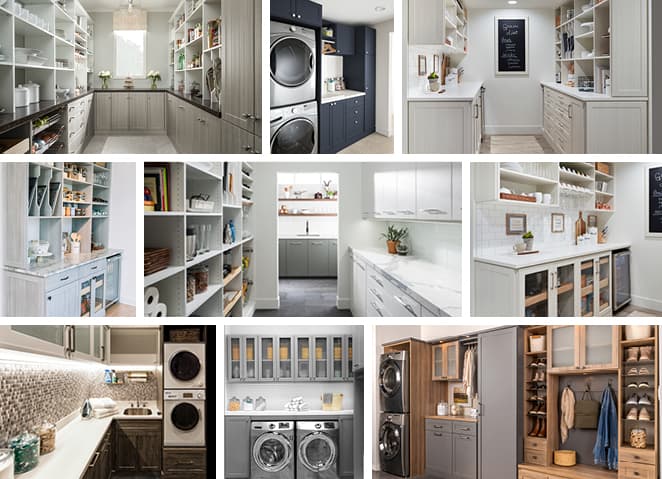
Credit: www.inspiredclosets.com
Enhancing Functionality
Enhancing functionality in basement laundry rooms means making the space easier and faster to use. Thoughtful design helps reduce steps and confusion. It makes laundry less of a chore and more of a smooth task.
Optimized Workflow Layouts
Arrange appliances and storage to follow the laundry process. Place washer near the laundry basket for quick loading. Dryer should be close to the washer to avoid carrying wet clothes far. Include folding space next to the dryer for easy sorting. Keep cleaning supplies within reach but out of the way.
Smart Lighting Options
Good lighting helps avoid mistakes and speeds up tasks. Use bright, even lights that cover the whole room. Add task lighting above the washer and folding areas. Motion sensor lights save energy and turn on automatically. Choose bulbs with daylight tones to make colors clear.
Ergonomic Features
Design the room to protect your body during chores. Set washer and dryer at waist height to reduce bending. Use shelves and racks at arm level for easy access. Include a sturdy countertop for folding without strain. Add a comfortable mat on the floor to reduce fatigue.
Incorporating Stylish Elements
Incorporating stylish elements into basement laundry rooms makes the space more inviting. It transforms a simple chore area into a pleasant and functional room. Thoughtful design choices boost both comfort and visual appeal. Small details can create a big impact.
Modern Material Selections
Select materials that resist moisture and wear for basement laundry rooms. Waterproof flooring like vinyl or tile protects against spills. Cabinets with laminate finishes offer durability and easy cleaning. Countertops in quartz or solid surface materials add style and strength. These modern materials balance function with a fresh look.
Color Schemes And Finishes
Choose light colors to brighten the basement space. Soft whites, pale grays, or light blues reflect light well. Matte or satin finishes reduce glare and hide fingerprints. Contrast these with darker accents for depth. A balanced color palette creates a clean, calm environment.
Decorative Accents
Small decorative touches personalize the laundry room. Add framed prints or simple wall art to create interest. Stylish baskets and containers keep supplies neat and add texture. A small plant can bring life and freshness to the room. These accents make the space feel warm and cared for.

Credit: celebratednest.com
Improving Ventilation And Moisture Control
Basement laundry rooms often face problems with dampness and stale air. These issues can damage clothes and cause unpleasant smells. Improving ventilation and moisture control makes these spaces healthier and more pleasant. It also protects your home from mold and mildew. Simple, smart design choices can help manage air flow and humidity effectively.
Effective Venting Systems
Proper venting removes moist air from the laundry room. Install vents that lead outside to carry steam and heat away. Use dryer vents that are airtight and easy to clean. A good exhaust fan helps keep air moving. Place fans near the washer and dryer to pull out moisture quickly. Venting systems reduce dampness and prevent damage.
Humidity Management Techniques
Keep humidity levels low with a dehumidifier. This device pulls excess moisture from the air. Open windows or doors to improve air flow. Use moisture-resistant paint on walls and ceilings. Place moisture absorbers in corners to catch dampness. These techniques stop moisture build-up that harms clothes and surfaces.
Mold Prevention Strategies
Mold grows fast in wet, dark places. Clean laundry room surfaces regularly with mold-killing cleaners. Fix any leaks in pipes or appliances quickly. Use waterproof flooring materials that resist mold. Keep laundry baskets and storage off the floor to allow air circulation. These steps help stop mold before it starts.
Integrating Technology
Technology can make a basement laundry room more useful and easier to use. It helps save time and energy. Modern tools fit well in small or dark spaces often found in basements. Smart design with technology makes laundry less of a chore.
Smart Appliances
Smart washers and dryers connect to your phone. You can start or stop a cycle from another room. They send alerts when laundry is done. Some machines adjust water and detergent levels automatically. This saves resources and protects clothes.
Automated Controls
Automated controls let you manage lighting and ventilation easily. Sensors can turn lights on when you enter the room. Fans can start automatically to reduce humidity. These controls keep the space comfortable and prevent mold growth. They also reduce the need to touch switches.
Energy Efficiency Features
Energy-efficient machines use less power and water. Many have settings for smaller loads to save resources. LED lighting consumes less electricity than traditional bulbs. Proper insulation and smart thermostats help maintain stable temperatures. These features lower utility bills over time.

Credit: www.nytimes.com
Budget-friendly Upgrades
Basement laundry rooms often get overlooked in home design. Yet, they offer a great chance to add useful space without a big budget. Simple upgrades can make these rooms more practical and pleasant. Small changes can save money and improve daily chores.
Diy Improvement Ideas
Many laundry room upgrades are easy to do yourself. Painting walls with light colors brightens the space. Adding shelves or hooks helps organize supplies. Installing a new light fixture can make the room feel fresh. These projects require basic tools and cost less than hiring help.
Cost-effective Materials
Choosing the right materials keeps costs low. Vinyl flooring is affordable and water-resistant. Laminate countertops offer a clean look without high prices. Using open shelving instead of cabinets cuts down costs. Simple window treatments brighten the room without spending much.
Prioritizing Key Features
Focus on upgrades that improve function first. A sturdy countertop makes folding clothes easier. Good lighting helps spot stains and sort laundry. Adding a drying rack saves energy and space. Keep plumbing and electrical work minimal to avoid big bills.
Frequently Asked Questions
What Is The Main Design Logic For Better Basement Laundry Rooms?
The design focuses on efficient use of space and easy access to utilities. It helps keep the area organized and comfortable to work in.
How Can Lighting Improve A Basement Laundry Room?
Good lighting makes the space feel larger and safer. Bright, warm lights help you see stains and clean clothes better.
Why Is Ventilation Important In Basement Laundry Rooms?
Ventilation reduces moisture and prevents mold growth. It keeps the air fresh and protects your clothes and walls.
What Storage Ideas Work Best In Basement Laundry Rooms?
Wall shelves and cabinets save floor space and keep items tidy. Baskets and hooks help organize laundry tools and supplies.
How Does Flooring Affect Basement Laundry Room Design?
Durable, water-resistant flooring prevents damage from spills. It also makes cleaning easier and improves safety by reducing slips.
Conclusion
Better basement laundry rooms blend smart design with practical needs. Small changes create big improvements in space and comfort. Good lighting, proper ventilation, and clear layouts make chores easier. Thoughtful storage keeps everything neat and within reach. Choosing durable materials helps the room last longer.
These simple ideas save time and reduce stress. A well-planned laundry area makes daily tasks less tiring. Your basement can become a useful, pleasant part of your home. Try these design tips to enjoy a better laundry space.