
Want your outdoor space to look stunning and inviting? Styling planter boxes like a pro landscaper can transform your garden, patio, or balcony into a beautiful oasis.
You don’t need years of experience or expensive tools to get it right. With the right tips and tricks, you can create eye-catching arrangements that boost curb appeal and bring your outdoor area to life. Keep reading to discover simple, expert-approved ways to style your planter boxes and impress everyone who visits your home.
Choosing The Right Planter Boxes
Choosing the right planter boxes sets the foundation for a beautiful outdoor space. The perfect planter not only holds your plants but also enhances your garden’s style and durability. Picking the right materials, size, and style ensures your planters last long and look great.
Materials That Withstand The Elements
Outdoor planter boxes face sun, rain, wind, and cold. Strong materials like cedar wood resist rot and insects. Plastic planters are lightweight and weatherproof. Metal planters add a modern touch but may rust without proper coating. Fiberglass offers durability and a sleek look. Pick materials that last in your climate.
Size And Shape Considerations
Choose planter size based on your plants’ root needs. Small plants need shallow boxes; large plants need deep ones. Long, narrow planters fit well on railings or narrow spaces. Square or round boxes work for patios and open areas. Think about the space and plants before deciding size and shape.
Matching Planters To Your Outdoor Space
Planters should blend with your outdoor style. Rustic wood suits natural or country gardens. Sleek metal or fiberglass fits modern settings. Bright colors bring life to neutral patios. Use neutral tones for a calm, classic look. Match planters to your space for a balanced, inviting garden.
Selecting Plants For Planter Boxes
Selecting plants for planter boxes sets the foundation for a beautiful outdoor space. The right plants bring life, color, and texture to your containers. They must suit the environment and container size. Choose plants that thrive in your climate and fit the style you want.
Consider the light, water, and temperature needs of each plant. Mix and match species to create balance and interest. Healthy, vibrant plants make your planter boxes stand out and last longer.
Seasonal Plant Options
Seasonal plants keep your planter boxes fresh all year. Spring bulbs like tulips and daffodils add early color. Summer offers bright blooms such as petunias and marigolds. Fall brings mums and ornamental kale with rich hues. Winter evergreens and pansies provide life in cold months.
Rotate plants each season to maintain visual appeal. Choose varieties suited for your local weather. This approach keeps your planters lively and attractive throughout the year.
Combining Colors And Textures
Mixing colors and textures creates dynamic planter boxes. Pair bold colors with soft greens to catch the eye. Use contrasting leaf shapes for added interest. Tall, spiky plants add height. Low trailing plants soften edges.
Pick colors that complement your outdoor space. Balance bright hues with calming tones. Different textures make your planters more exciting and natural.
Plants That Thrive In Containers
Choose plants with shallow roots for planter boxes. Herbs like basil, thyme, and rosemary grow well. Succulents and cacti suit dry, sunny spots. Annual flowers such as impatiens and begonias do well in shade.
Look for plants that need similar care. This helps keep watering and feeding simple. Healthy container plants grow strong and last longer.
Arranging Plants Like A Pro
Arranging plants in outdoor planter boxes can transform any space. The right layout makes your garden look neat and lively. It also helps plants grow well. Using simple design tricks, you can style planter boxes like a pro landscaper. Focus on plant types, shapes, and placement. This helps create balance and beauty.
The Thriller, Filler, Spiller Technique
Start with the “thriller.” This is the tall, eye-catching plant. It stands in the center or back of the box. Next, add the “filler.” These plants fill space around the thriller. They are medium height and add color or texture. Last, use the “spiller.” These plants hang over the box edges. They soften the look and add flow. Together, these three create a full and exciting display.
Balancing Height And Volume
Balance helps your planter look natural and pleasing. Avoid making one side too tall or crowded. Keep a mix of high and low plants. Taller plants can go in the back or middle. Shorter ones should be near the front. Space plants so they have room to grow. This balance stops the box from feeling lopsided or messy.
Creating Visual Interest
Use different leaf shapes, colors, and textures. Mix smooth leaves with rough or spiky ones. Bright flowers catch the eye and add cheer. Repeat colors or plants for a neat look. Add small decorative items if you like. Change plants with the seasons to keep things fresh. Visual interest makes your planter box a beautiful focal point.

Credit: www.containedcreations.com
Soil And Drainage Essentials
Soil and drainage are the foundation of healthy outdoor planter boxes. Without the right soil, plants cannot get the nutrients they need. Poor drainage leads to water buildup that can harm roots and cause plant problems. Knowing how to prepare soil and drainage helps your plants thrive like they do in professional landscapes.
Choosing The Best Potting Mix
Pick a potting mix designed for containers, not garden soil. Container mixes hold moisture but still let air reach the roots. Look for a blend with peat moss, compost, and perlite or vermiculite. Avoid heavy soil that stays soggy and blocks air. A good mix supports strong root growth and keeps plants healthy.
Ensuring Proper Drainage
Drainage holes are essential in planter boxes. They let extra water escape and stop water from pooling. Add a layer of small rocks or broken pottery at the bottom. This helps water flow out faster. Do not block drainage holes with landscape fabric or plastic. Check holes often to make sure they are clear and water drains well.
Fertilizing Tips For Planter Boxes
Plants in containers need regular feeding because nutrients wash away fast. Use a slow-release fertilizer mixed into the soil before planting. Feed plants every few weeks with a balanced liquid fertilizer. Follow label instructions carefully to avoid overfeeding. Proper fertilizing keeps plants growing strong and colorful.
Maintenance Tips For Vibrant Planters
Keeping outdoor planter boxes vibrant takes regular care. Proper maintenance helps plants stay healthy and colorful all season. Simple habits make a big difference in your planter’s appearance.
Watering Strategies
Water plants deeply but not too often. Check soil moisture by touching it. Water early in the morning or late evening. Avoid wetting leaves to prevent disease. Use drip irrigation or a watering can for control.
Pruning And Deadheading
Remove dead or yellow leaves quickly. Cut spent flowers to encourage new blooms. Trim leggy stems for a fuller look. Use clean scissors to avoid plant damage. Regular pruning keeps plants neat and vibrant.
Pest And Disease Control
Inspect plants regularly for bugs or spots. Use natural sprays like neem oil if pests appear. Remove infected leaves to stop spread. Keep planter boxes clean and free of debris. Healthy plants resist pests and diseases better.
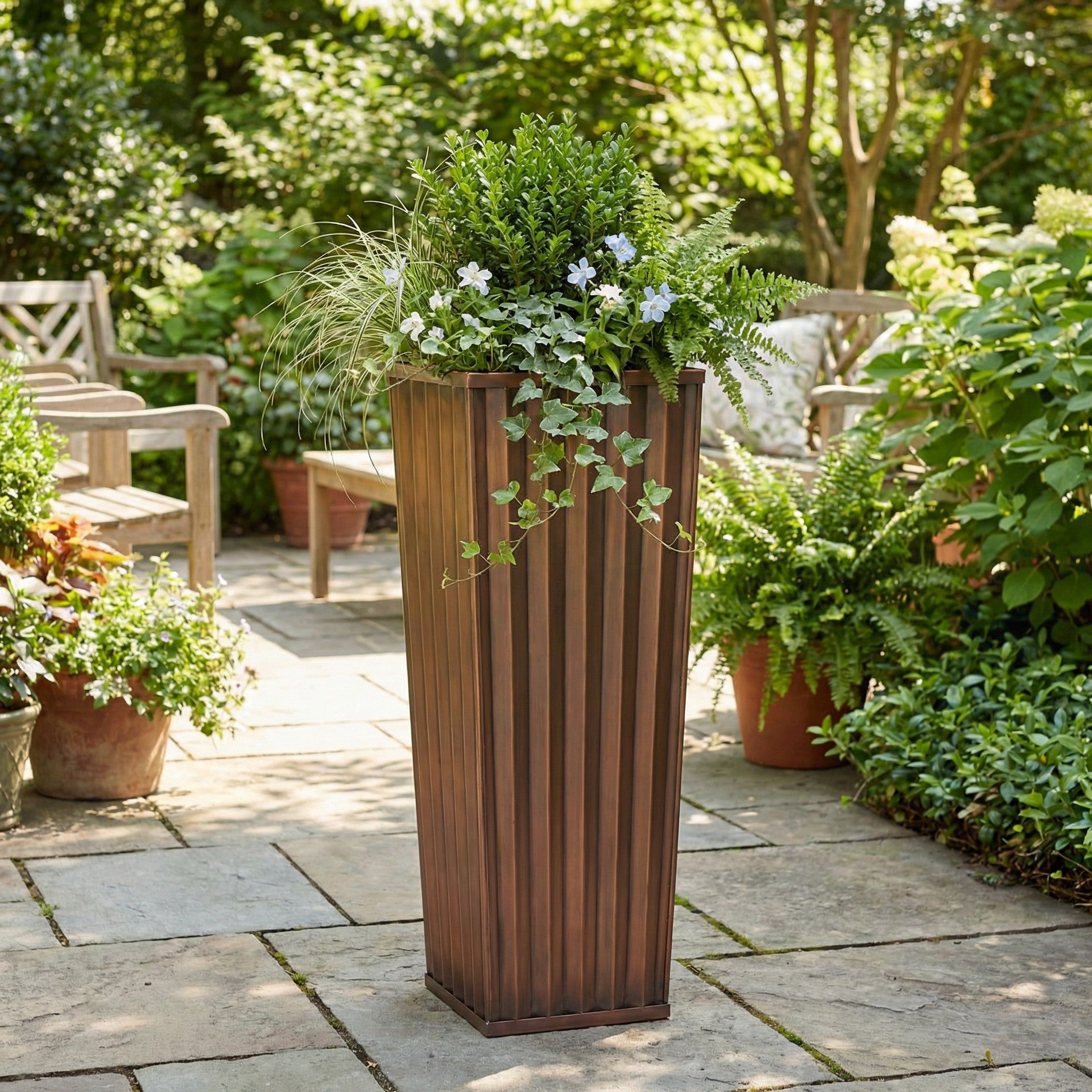
Credit: hpotter.com
Creative Styling Ideas
Creative styling ideas bring life and charm to outdoor planter boxes. They help create a unique look and feel for your space. These ideas make your garden or patio more inviting and personal. Styling planter boxes like a pro landscaper is about mixing plants and decor smartly. It also means using planters in ways that add function and beauty. Small touches can make a big difference.
Incorporating Decorative Elements
Decorative elements add interest and texture to planter boxes. Use stones, shells, or small statues for extra flair. Choose colors that match or contrast with your plants. Add fairy lights or lanterns for a cozy evening glow. Decorative mulch or colored gravel can brighten the soil surface. These details make your planter boxes stand out.
Using Planters To Define Spaces
Planter boxes can divide areas without walls or fences. Place them along pathways to guide guests. Use tall plants in boxes to create privacy screens. Arrange planters in groups to form cozy seating zones. This method shapes your outdoor space clearly. It also adds greenery and softens hard edges.
Seasonal Styling Updates
Change your planter boxes with the seasons for fresh looks. Plant bright flowers in spring and summer. Swap to pumpkins and mums for fall charm. Use evergreens and holly for winter’s festive touch. Seasonal updates keep your garden lively all year. It also gives you a chance to try new styles.
Lighting And Placement Tricks
Lighting and placement are key to making outdoor planter boxes stand out. Proper light brings out the colors and shapes of your plants. Placement affects both plant health and the look of your space. Using smart lighting and positioning tricks can create a cozy and stylish outdoor area. Here are some tips to style planter boxes like a pro landscaper.
Highlighting Planters With Lighting
Use soft lights to make planters visible at night. LED spotlights work well to highlight plant textures. Place lights low to create shadows and depth. Solar lights are a good option for easy setup. Avoid harsh lights that can hurt plant leaves. Light warm colors make plants look natural and inviting.
Optimal Placement For Growth And Aesthetics
Put planter boxes where plants get the right sun. Check the needs of each plant type before placing. Group plants with similar light needs together. Avoid crowded spots to let plants grow well. Place taller plants at the back for better view. Keep pathways clear to improve space flow.
Using Planters To Enhance Outdoor Features
Use planters to frame doors or windows. Add color and life to plain walls with vertical planters. Place boxes near seating areas to create cozy spots. Line garden paths with small planters for charm. Highlight outdoor art or water features with plants. Planters can guide guests through your garden.
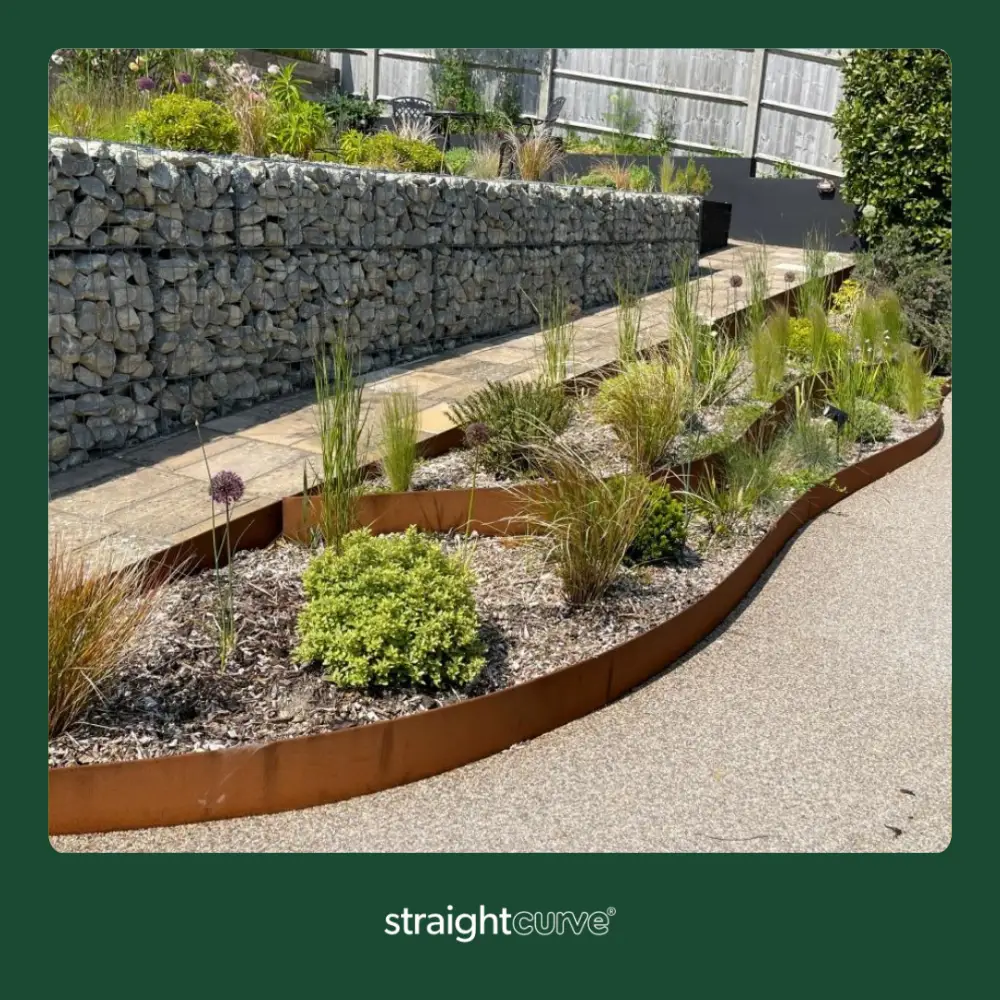
Credit: straightcurve.com
Frequently Asked Questions
What Plants Work Best In Outdoor Planter Boxes?
Choose plants that suit your climate and sunlight. Mix tall, medium, and trailing plants for balance. Look for low-maintenance and drought-tolerant options.
How Do I Arrange Plants In A Planter Box?
Place tall plants in the back or center. Use medium plants around tall ones. Add trailing plants at edges for a full look.
How Often Should I Water Outdoor Planter Boxes?
Water when the top inch of soil feels dry. Planter boxes may need watering more often in hot weather. Avoid overwatering to prevent root rot.
Can I Use Planter Boxes On A Patio Or Balcony?
Yes, planter boxes are perfect for patios or balconies. Use lightweight boxes if needed and ensure proper drainage. They add greenery and style to small spaces.
How Do I Keep Planter Boxes Looking Fresh Year-round?
Change plants with the seasons for variety. Remove dead leaves and flowers regularly. Use good soil and fertilizer to keep plants healthy.
Conclusion
Outdoor planter boxes bring life and color to any space. Choose plants that match your style and climate. Mix heights and textures for a balanced look. Keep soil healthy and water regularly. Change plants with the seasons to keep it fresh.
Small details make a big difference in design. Try these tips and enjoy your beautiful outdoor area. Simple steps create a space you will love every day.