
Is your Hamilton Beach microwave running but not heating your food? That can be really frustrating, especially when you’re hungry and in a rush.
You might wonder if it’s broken beyond repair or if there’s a quick fix you can try yourself. Don’t worry—you’re not alone, and this problem often has simple solutions. Keep reading, and you’ll learn exactly what might be causing your microwave to stop heating and how you can get it working again fast.
Your kitchen routine doesn’t have to be interrupted for long.
Common Causes Of Microwave Not Heating
Microwaves stop heating for several common reasons. Knowing these helps in quick troubleshooting. Many issues relate to simple parts that wear out or break over time. Understanding these causes can save time and repair costs.
Faulty Door Switch
The door switch tells the microwave if the door is closed. A broken switch stops the microwave from heating. It acts as a safety feature to prevent operation with an open door. Replacing the door switch often restores heating function.
Blown Thermal Fuse
The thermal fuse protects the microwave from overheating. If it blows, the microwave will not heat. This fuse cuts power to prevent damage or fire. Checking and replacing a blown fuse fixes heating problems.
Magnetron Issues
The magnetron creates the microwaves that heat food. A faulty magnetron means no heat production. This part can wear out or burn out over time. Magnetron replacement is necessary to restore microwave heating.
High Voltage Diode Problems
The high voltage diode helps the magnetron work properly. A bad diode stops the microwave from heating. It converts power to the correct voltage needed. Fixing or replacing this diode often solves heating issues.
Capacitor Failures
The capacitor stores and releases electrical energy in the microwave. A failed capacitor prevents heating by cutting power flow. This part can fail due to age or power surges. Replacing a bad capacitor restores heating ability.
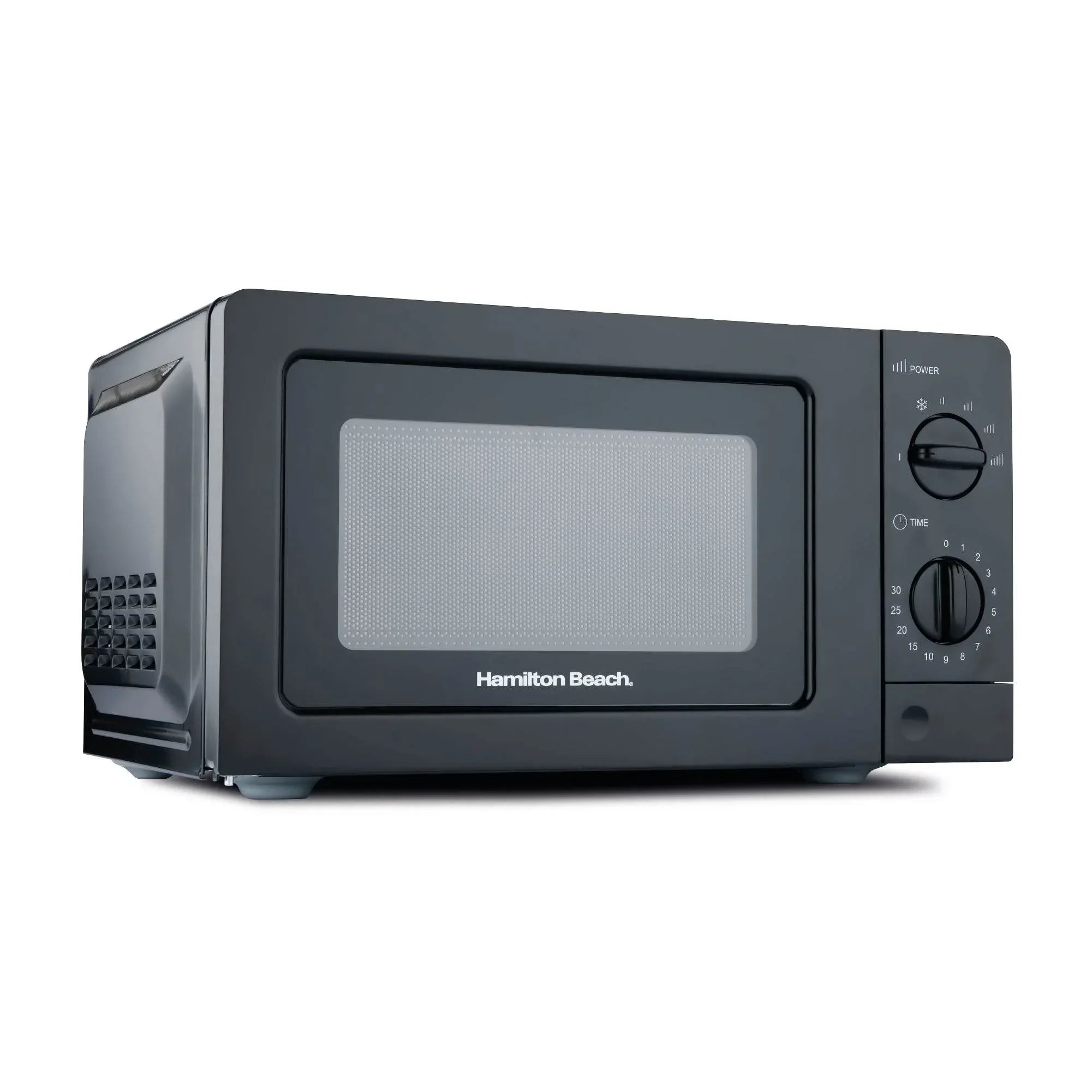
Credit: www.hamiltonbeach.co.uk
Basic Troubleshooting Steps
Basic troubleshooting steps can help find the cause of a Hamilton Beach microwave not heating. These steps are simple and safe to try before calling for repair. Follow each step carefully to check common problems. This guide helps save time and may fix the issue quickly.
Check Power Supply
Make sure the microwave is plugged in tightly. Check the outlet by plugging in another device. Look for any blown fuses or tripped breakers in the fuse box. A weak power supply can stop the microwave from heating properly.
Inspect Door Latch
The microwave will not heat if the door latch is broken or not closing fully. Open and close the door several times. Listen for a clicking sound that shows the latch is working. Clean the latch area to remove dirt or food debris.
Reset The Microwave
Unplug the microwave from the power source. Wait for one minute before plugging it back in. This resets the internal system and clears minor errors. After resetting, try heating something to test if it works.
Test With Different Settings
Use various power levels and cooking times to test the microwave. Try defrost mode or a lower power setting. This helps identify if one specific setting causes the problem. Testing different options can reveal if the control panel has an issue.
Simple Diy Fixes
Simple DIY fixes can help solve a Hamilton Beach microwave not heating problem. These fixes save time and money. Basic tools and a little care are all you need. Follow each step carefully for safe and effective repair.
Replacing The Door Switch
The door switch stops the microwave if the door is open. A broken switch can stop heating. Unplug the microwave first. Remove the outer cover to reach the switch. Use a multimeter to test the switch for continuity. Replace the switch if it shows no continuity. Reassemble the microwave and test it.
Changing The Thermal Fuse
The thermal fuse prevents overheating. A blown fuse cuts power to the heating system. Disconnect the microwave from power. Find the thermal fuse near the magnetron or control board. Test the fuse with a multimeter. Replace the fuse if it is faulty. Secure the new fuse and reassemble the microwave. Check if the microwave heats properly.
Cleaning Internal Components
Dirt and food particles can block microwave parts. Unplug the microwave before cleaning. Remove dust from vents and fans using a soft brush. Clean the waveguide cover gently with a damp cloth. Avoid water inside electrical parts. Cleaning helps improve heating and extends microwave life.
When To Call A Professional
Knowing when to call a professional for your Hamilton Beach microwave saves time and prevents damage. Some problems need expert care to fix properly. Attempting repairs without skills can cause safety risks or void your warranty. This section helps you decide the right moment to seek professional help.
Safety Concerns
Microwaves use high voltage parts that hold electric charge even when unplugged. Touching these parts can cause serious shocks. If your microwave sparks or smells burnt, stop using it. Leave repairs to trained technicians. Safety should always come first with electrical appliances.
Complex Component Repairs
Microwaves have many small and delicate parts like magnetrons and capacitors. Fixing these parts requires special tools and knowledge. Replacing or repairing complex components is not a simple task. Professionals can diagnose and fix issues faster and correctly. This avoids further damage or repeated breakdowns.
Warranty Considerations
Your microwave may still be under warranty. Opening or fixing it yourself can cancel this warranty. Manufacturers recommend using authorized repair services to keep warranty valid. Checking warranty terms before any repair saves money and protects your rights. Professionals follow these rules carefully.
Preventive Tips For Microwave Maintenance
Keeping your Hamilton Beach microwave in good shape helps it last longer and work better. Simple habits can stop many common problems like not heating properly. These tips focus on easy care steps anyone can follow at home.
Regular Cleaning
Cleaning your microwave regularly removes food spills and grease. Wipe the inside with a damp cloth after use. Use mild soap and water for tough stains. Avoid harsh chemicals that can damage the microwave surface. Clean the turntable and door seals carefully to keep them working well.
Avoiding Metal Objects
Never put metal inside the microwave. Metal causes sparks that can damage the appliance. Use only microwave-safe containers made of glass or plastic. Check labels on dishes to ensure they are safe. This simple step prevents many heating problems and keeps the microwave safe.
Proper Usage Habits
Do not run the microwave empty. Always heat food or liquids inside. Avoid overheating food to prevent damage. Use the right power settings for different foods. Let the microwave rest occasionally to avoid overheating parts. These small habits extend the microwave’s life and improve heating performance.
Credit: urbanaroma.com

Credit: business.walmart.com
Frequently Asked Questions
Why Is My Hamilton Beach Microwave Not Heating Food?
The microwave may have a faulty magnetron or door switch causing no heat during operation.
How Can I Fix A Hamilton Beach Microwave That Won’t Heat?
Check the door latch, reset the microwave, or replace the magnetron if needed.
What Causes A Microwave To Run But Not Heat?
A broken magnetron, faulty diode, or door switch can cause this issue.
Can A Blown Fuse Stop My Microwave From Heating?
Yes, a blown fuse can cut power to the magnetron, stopping heat production.
Is It Safe To Use A Microwave That Runs But Doesn’t Heat?
No, using a non-heating microwave can be unsafe. Repair or replace it promptly.
Conclusion
A Hamilton Beach microwave not heating can be frustrating. Check simple issues like power supply or door latch first. Sometimes, a quick fix saves time and money. If problems persist, consider professional help for safety. Regular cleaning and care help your microwave last longer.
Keep these tips in mind to avoid future troubles. Your kitchen routine will stay smooth and easy. Don’t ignore small signs of trouble early on. Stay calm and take steps one at a time. This approach keeps your microwave working well.