
Is your water heater not getting as hot as it used to? You rely on it every day for warm showers, washing dishes, and more.
When it stops heating properly, it can be frustrating and uncomfortable. You might wonder why this is happening and how to fix it quickly. You’ll discover the common reasons behind your water heater’s lukewarm performance and easy steps you can take to bring back that comforting hot water you need.
Keep reading to find out how to solve this problem before it gets worse.
Common Signs Of Inadequate Heating
Water heaters that do not heat properly show clear signs. Recognizing these signs helps find and fix problems fast. Below are common signs of inadequate heating in water heaters.
Temperature Fluctuations
Hot water temperature changes a lot during use. One moment it feels hot, the next it is cold. This happens because the heater struggles to keep a steady temperature. It may mean a faulty thermostat or sediment buildup inside the tank.
Insufficient Hot Water Supply
The water runs out quickly during showers or washing. The heater does not produce enough hot water to meet demand. This issue can be caused by a small tank, a broken heating element, or incorrect settings.
Long Heating Cycles
The heater takes much longer to heat water than before. You wait a long time for hot water to come out. This delay often points to problems like sediment layers or a failing heating element that reduces efficiency.
Faulty Thermostat Issues
A water heater may fail to heat water properly due to thermostat problems. The thermostat controls the water temperature inside the tank. Faulty thermostats can cause the water to be too cold or inconsistent. Understanding these issues helps you find the right fix quickly.
Thermostat Malfunction
A malfunctioning thermostat may not detect the water temperature correctly. This can stop the heating element from turning on. As a result, water stays cold or lukewarm. Faulty wiring or worn-out parts often cause this problem. Testing the thermostat with a multimeter can confirm if it works well.
Incorrect Temperature Settings
Sometimes, the thermostat temperature is set too low. This setting limits how hot the water can get. Users might accidentally lower the temperature or reset it during maintenance. Setting the thermostat between 120°F and 140°F is ideal. Check and adjust the temperature to ensure warm water supply.
Sediment Buildup Effects
Sediment buildup inside a water heater can cause many problems. Over time, minerals like calcium and magnesium settle at the tank’s bottom. This layer of sediment blocks heat transfer from the burner to the water. The water heater then struggles to reach the right temperature. This issue reduces the unit’s efficiency and lifespan.
Impact On Heating Efficiency
Sediment acts as a barrier between the heat source and water. Heat takes longer to reach the water, wasting energy. The water heater works harder and uses more power. Hot water supply becomes inconsistent and weaker. Sediment also causes noises like popping or rumbling inside the tank. These sounds indicate trapped steam and sediment layers. Over time, this buildup can damage the tank itself.
Cleaning And Maintenance Tips
Drain the water heater tank regularly to remove sediment. Flushing the tank once or twice a year helps. Use a hose to drain water from the drain valve. Keep the water heater off during this process. Check your owner’s manual for specific instructions. A professional can perform deep cleaning if needed. Regular maintenance keeps your water heater efficient and lasts longer.

Credit: www.reddit.com
Heating Element Problems
Heating elements play a key role in warming water inside your heater. These parts heat the water by converting electrical energy into heat. If the water heater is not getting hot enough, the heating element may be the cause. Problems with the element often lead to poor water temperature.
Heating elements can wear out over time. They may burn out or develop faults. When this happens, the water does not reach the desired heat level. Recognizing signs of a faulty element helps in fixing the issue quickly.
Signs Of A Burnt Element
One common sign is water that stays lukewarm or cold. The water heater may take longer to heat water than usual. You might hear strange noises, like popping or crackling sounds. These noises come from sediment buildup on the element. Visible damage or corrosion on the element itself also signals problems. Sometimes, the circuit breaker trips frequently due to element failure.
Testing And Replacement Methods
First, turn off the power to the water heater. Use a multimeter to check the element’s resistance. A low or infinite reading means the element is faulty. For testing, remove the element from the tank carefully. Replace the old element with a new one of the same size and wattage. Tighten all connections and refill the tank with water. Turn the power back on and check if the water heats properly.
Water Pressure And Flow Concerns
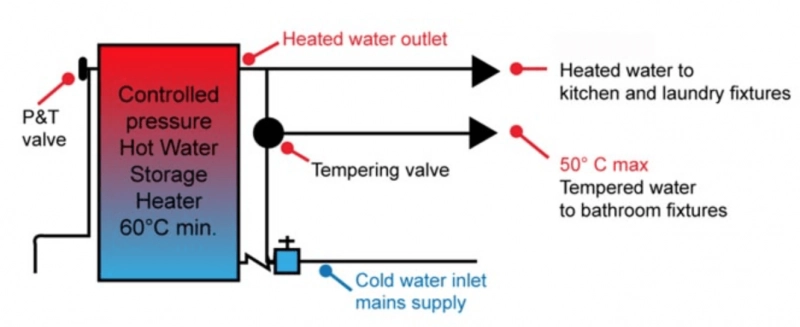
Water pressure and flow play a key role in how well your water heater works. Low pressure or poor flow can stop hot water from reaching your taps. These issues affect the heater’s ability to heat water properly. Understanding these problems helps you fix the heater faster.
Low Pressure Causes
Low water pressure can come from many sources. A clogged pipe or valve reduces pressure. Mineral buildup inside pipes blocks water flow. A faulty pressure regulator can lower water pressure too. Sometimes, the main water supply has low pressure. Each cause limits how hot the water gets.
Checking And Adjusting Flow
Check flow by opening a hot water tap fully. Notice if water flows weakly or slowly. Inspect faucets and showerheads for blockages. Clean or replace any clogged parts. Adjust pressure regulators to increase flow. Clear mineral deposits with vinegar or special cleaners. Proper flow helps the water heater work well.
Credit: goldcoastplumbingcompany.com.au
Electrical Supply Issues
Electrical supply problems often cause water heaters to produce less hot water. Without proper power, the heater cannot reach the right temperature. Checking the electrical system helps find the issue fast. Fixing these problems may restore your heater’s heat.
Circuit Breaker Checks
The circuit breaker controls power to the water heater. It may trip due to overload or faults. A tripped breaker cuts power and stops heating. Look at the breaker panel for switches in the off position. Resetting the breaker may fix the problem. If it trips again, the heater might have an electrical fault.
Wiring And Connection Faults
Loose or damaged wires can reduce power flow to the heater. This causes the water to stay cooler than usual. Inspect wiring for signs of wear or burns. Tighten any loose connections carefully. Faulty wiring should be repaired by a professional. Safe and secure connections ensure proper heating.
Age And Wear Factors
Water heaters lose heat over time due to age and wear. Parts inside can corrode or break down. This reduces their ability to heat water effectively. Understanding how age affects your water heater helps you decide when to repair or replace it.
Lifespan Expectations
Most water heaters last about 8 to 12 years. Tankless models may last longer, up to 20 years. After this time, parts wear out naturally. Sediment builds up inside the tank. This lowers heating efficiency and water temperature.
Older water heaters need more energy to heat water. They also take longer to reach the right temperature. Rust and corrosion can cause leaks and damage. These issues make your water heater less reliable.
When To Consider Replacement
Replace your water heater if it is over 10 years old. Frequent repairs cost more than a new unit. If water is not hot enough, or runs out quickly, consider buying a new heater. Leaks or strange noises also signal replacement time.
New models offer better energy efficiency. They save money on utility bills over time. Choosing a new heater improves hot water supply and reduces breakdowns. It is a smart choice for long-term comfort and savings.
Preventive Measures
Preventive measures help keep your water heater working well. They stop small issues from turning into big problems. Regular care saves money and extends the heater’s life. It also ensures hot water is always ready when needed.
Regular Inspections
Check your water heater at least twice a year. Look for leaks, rust, or strange noises. Test the temperature setting to make sure it is correct. Clean sediment buildup inside the tank. This keeps the heater efficient and safe.
Timely Repairs
Fix problems as soon as they appear. Small leaks or worn parts can cause poor heating. Replace broken thermostats or heating elements quickly. Call a professional if you are unsure about the repair. Timely fixes prevent larger damage and save energy.

Credit: intownplumbingtx.com
Frequently Asked Questions
Why Is My Water Heater Not Heating Enough?
The thermostat might be set too low or the heating element could be faulty.
Can Sediment Buildup Cause Low Water Temperature?
Yes, sediment can cover heating parts and reduce the water heater’s efficiency.
How Does A Faulty Thermostat Affect Water Heat?
A broken thermostat may stop the heater from reaching the correct temperature.
Could A Tripped Circuit Breaker Cause Less Hot Water?
Yes, a tripped breaker can cut power, causing the heater to not heat properly.
Does Water Heater Size Impact Water Temperature?
A heater too small for your needs may run out of hot water quickly.
Conclusion
A water heater not getting hot affects daily comfort. Checking the thermostat and heating elements helps find the problem. Sediment buildup can block heat transfer and reduce warmth. Sometimes, wiring or power issues cause low heat. Regular maintenance keeps your water heater working well.
Fix small problems early to avoid bigger repairs. Staying aware saves money and keeps hot water flowing. Don’t ignore signs of trouble; act soon for warm showers. Simple care keeps your water heater heating strong every day.