
Are you struggling with your Kenmore gas stove because the igniter won’t click? It’s frustrating when you turn the knob, but nothing happens—no clicking sound, no spark to light the flame.
This common problem often points to an issue with the igniter spark electrode. Understanding why your stove’s igniter isn’t working can save you time, money, and stress. You’ll discover the key reasons behind this problem and simple steps you can take to fix it.
Keep reading to get your stove back to working like new.

Credit: www.amazon.com
Common Causes Of Igniter Failure
The igniter in a Kenmore gas stove is key to starting the flame. When it stops clicking or sparking, the stove won’t light. Many reasons can cause the igniter to fail. Knowing these common causes helps fix the problem faster. The issues often involve parts that wear out or get dirty. Sometimes, the problem comes from the gas supply itself.
Dirty Igniter Electrode
The igniter electrode can collect grease and food debris. Dirt blocks the spark from jumping to the burner. Cleaning the electrode regularly keeps the spark strong. Use a soft cloth or brush to clean it gently. Avoid harsh tools that can damage the electrode.
Faulty Spark Module
The spark module sends electricity to the igniter. If it breaks, no spark will form. Signs of a bad spark module include no clicking sounds. Replacing this part often restores the stove’s ignition. A technician can test the module with special tools.
Worn Out Igniter Switch
The igniter switch controls the spark timing. Over time, it can wear out and stop working. A faulty switch means the igniter won’t click or spark. Testing the switch with a multimeter shows if it needs replacement. Fixing the switch brings back the ignition sound.
Gas Supply Problems
Gas must flow properly for the igniter to light the stove. Blocked or low gas supply stops the flame from igniting. Check the gas valve and supply lines for any issues. A professional should handle gas-related problems for safety reasons.
Signs Of Igniter Spark Electrode Issues
Knowing the signs of igniter spark electrode issues helps you fix your Kenmore gas stove fast. The igniter spark electrode is key to lighting the burner. Problems here stop the stove from working properly.
Watch for these common signs. They tell you if the igniter spark electrode needs attention. Acting early can prevent bigger stove problems.
No Clicking Sound
The igniter usually makes a clicking noise when you turn the knob. No clicking means the spark electrode might not work. No sound shows the igniter is not trying to light the burner.
Weak Or No Spark
If you see a weak or no spark at all, the electrode could be damaged. The spark should be bright and strong. A weak spark means the burner may not light.
Delayed Ignition
A delay between clicking and flame shows an electrode issue. The spark may be slow or irregular. This delay can cause gas to build up before ignition.
Burner Not Lighting
The burner not lighting is a clear sign of electrode trouble. The spark electrode must create a spark to light gas. No spark means no flame and no cooking.
Tools Needed For Quick Fixes
Fixing a Kenmore gas stove igniter that is not clicking or sparking can be simple. Having the right tools makes the job easier and faster. These tools help you check, clean, and replace parts without hassle.
Using proper tools ensures safety and accuracy. It also prevents damage to your stove. Here are the essential tools you need for quick fixes on the igniter spark electrode.
Screwdriver Set
A screwdriver set is crucial for removing stove panels and screws. Different sizes and types help reach tight spots. A Phillips and flathead screwdriver work best for most stoves. Keep them handy for easy access.
Multimeter
A multimeter tests electrical parts of the igniter. It checks for continuity and voltage. This helps find if the igniter or wiring is faulty. A basic multimeter with clear display is enough for home use.
Cleaning Brush
A small cleaning brush removes dirt and debris from the igniter. Clean electrodes spark better and last longer. Use a soft brush to avoid damaging the parts. Regular cleaning keeps the stove working well.
Replacement Parts
Sometimes parts like the igniter or spark electrode need replacement. Having the right replacement parts ready saves time. Make sure to get parts that fit your Kenmore stove model. Using correct parts ensures safety and proper function.

Credit: www.reddit.com
Step-by-step Igniter Cleaning
Cleaning the igniter is a key step to fix a Kenmore gas stove that won’t click. Dirt and grease can block the spark electrode. A clear electrode helps the igniter spark properly. Follow these simple steps to clean your stove igniter safely and effectively.
Unplugging The Stove Safely
Always unplug the stove before cleaning. This stops electric shock risk. Pull the plug from the wall socket gently. Do not touch any wires or metal parts inside. Safety first to avoid accidents.
Removing The Burner Cap
Lift the burner cap straight up and off the stove. The cap sits on the burner base. Set it aside on a clean surface. Check for food crumbs or grease under the cap. Removing the cap gives clear access to the electrode.
Cleaning The Electrode And Surrounding Area
Use a soft brush or a cloth to clean the electrode. Wipe away any dirt or burnt food. Be gentle to avoid damaging the electrode tip. Clean the area around the electrode too. This helps the spark jump easily to light the gas.
Drying And Reassembling
Let the electrode and burner cap dry fully. Use a dry cloth to speed drying if needed. Put the burner cap back in place carefully. Plug the stove back into the socket. Test the igniter to see if it clicks now.
Testing And Replacing Igniter Components
Testing and replacing igniter components is key when your Kenmore gas stove igniter does not click. These parts work together to create the spark needed to light the burner. Identifying the faulty part helps fix the issue quickly. This section guides you through basic tests and replacements for common igniter problems.
Checking The Igniter Switch
The igniter switch sends power to the spark module. Start by turning off the stove’s power. Use a multimeter to check the switch’s continuity. No continuity means the switch is faulty. Replace the igniter switch to restore proper function. Ensure all wires connect tightly to avoid false faults.
Testing The Spark Module
The spark module generates the spark for ignition. Locate it behind the control panel. Unplug the stove before testing. Use a multimeter on the module’s terminals. No voltage or irregular readings indicate a bad spark module. Replacing the module often fixes the no-clicking problem.
Replacing The Electrode
The electrode creates the spark near the burner. Dirt or cracks can stop it from sparking. Inspect the electrode for damage or buildup. Clean gently with a soft brush if dirty. Replace the electrode if it looks damaged or worn out. Proper electrode condition ensures reliable ignition.
When To Call A Professional
Complex wiring or unclear faults need expert help. If tests are confusing or parts do not fix the issue, call a technician. Professionals have the right tools and knowledge for safe repairs. Avoid risking injury or damage by handling gas components incorrectly. Safety comes first with gas stove repairs.
Preventive Tips To Avoid Igniter Issues
Preventing igniter problems on a Kenmore gas stove saves time and money. Small care steps keep the igniter spark electrode working well. These tips help avoid the common cause of no clicking sound or weak sparks. Follow simple habits to keep your stove safe and efficient.
Regular Cleaning Schedule
Clean the igniter area every week. Use a soft brush or cloth to remove dirt and dust. Avoid harsh chemicals that can damage the electrode. A clean igniter produces a strong spark and lights the burner quickly. Dirt buildup blocks the spark and causes failure.
Avoiding Spills And Build-up
Wipe spills immediately after cooking. Sugary or greasy spills harden and cover the igniter. This stops the electrode from sparking. Use a damp cloth to clean the stove surface daily. Preventing buildup helps the igniter last longer and work better.
Proper Use Of Burners
Use the correct burner size for your pots. Avoid overheating small burners with large pans. High heat can damage the igniter and electrode. Turn burners off completely after use. Proper use reduces wear and tear on igniter parts.
Routine Maintenance Checks
Inspect the igniter and electrode once a month. Look for cracks, corrosion, or loose wires. Tighten connections if needed. Replace damaged parts early to avoid bigger issues. Regular checks keep your stove safe and functioning well.
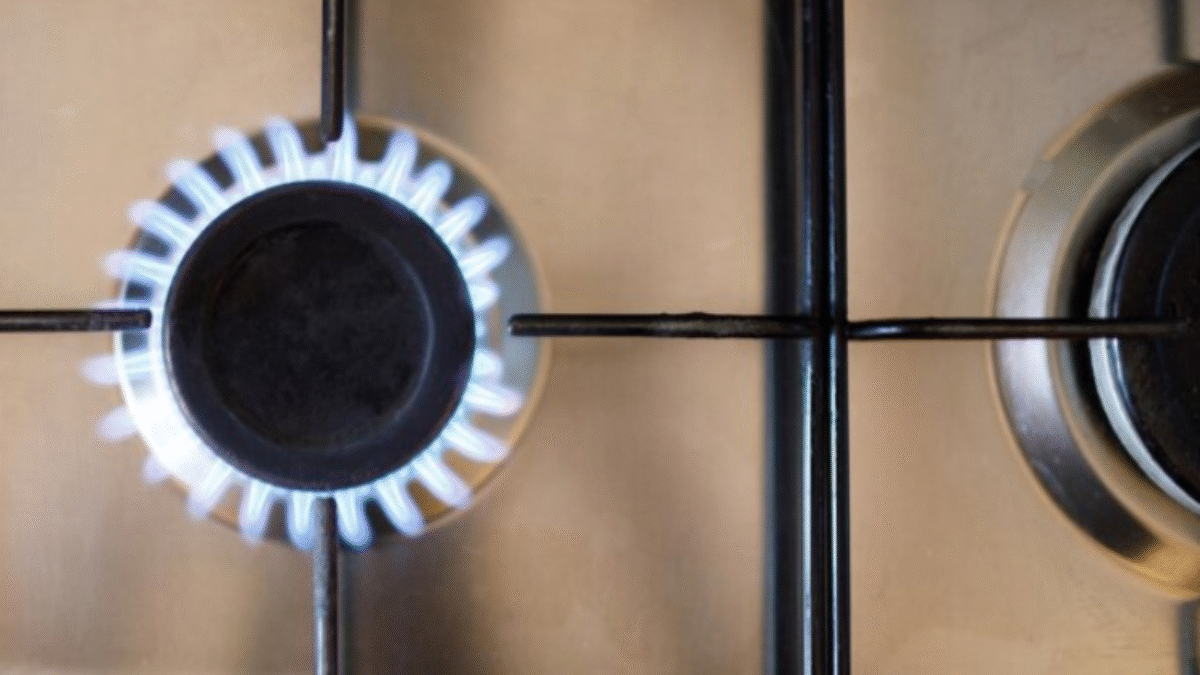
Credit: smartapplianceservices.com
Frequently Asked Questions
Why Is My Kenmore Gas Stove Igniter Not Clicking?
The igniter may be dirty, faulty, or the power supply could be off.
How To Fix A Kenmore Igniter Spark Electrode Issue?
Clean the electrode gently and check for cracks or wear before replacing it.
Can A Dirty Igniter Stop The Stove From Sparking?
Yes, dirt and grease can block the spark and stop the igniter from clicking.
How Do I Know If The Igniter Needs Replacement?
If cleaning doesn’t help and there’s no spark, the igniter likely needs replacement.
Is It Safe To Use A Kenmore Stove With A Faulty Igniter?
No, a faulty igniter can cause gas leaks; repair it before further use.
Conclusion
Kenmore gas stove igniters may stop clicking due to electrode issues. Dirt, moisture, or damage often block the spark. Cleaning or replacing the igniter usually fixes the problem. Regular checks keep your stove working well. Quick action saves time and avoids bigger repairs.
Understanding common causes helps you stay prepared. Keep your kitchen safe and your stove reliable. Simple care goes a long way.