
Is your Viking freezer not freezing like it used to? You rely on it to keep your food fresh and your ice ready, but now it’s just not doing the job.
This can be frustrating and confusing, especially when you don’t know what’s causing the problem or how to fix it. Don’t worry—you’re not alone, and there are simple steps you can take to get your freezer back to perfect freezing in no time.
Keep reading to discover the common reasons behind this issue and how you can solve them quickly. Your freezer—and your food—will thank you.
Common Causes Of Freezer Issues
Freezer problems often happen for simple reasons. Knowing these common causes helps you fix the issue fast. This saves time and stops food from spoiling. Many Viking freezer users face similar problems. Understanding the root causes can make maintenance easier.
Power Supply Problems
Power is the first thing to check. A loose plug or tripped breaker stops the freezer from working. Sometimes, the outlet may not have power. This cuts off electricity to the freezer. Without power, the freezer cannot cool.
Thermostat Malfunction
The thermostat controls the freezer temperature. If it breaks, the freezer may not get cold enough. It can stay too warm or get too cold. A faulty thermostat sends wrong signals to the compressor. This causes uneven freezing or no freezing at all.
Frost Buildup
Frost can block the freezer’s cooling system. It forms if the door is opened too often or left open. Thick frost stops air from moving inside. This makes the freezer warmer and less effective. Removing frost regularly keeps the freezer working well.
Blocked Air Vents
Cold air moves through vents inside the freezer. If vents are blocked, cold air cannot spread evenly. Food items or ice can block these vents. This causes warm spots and poor freezing. Keep vents clear for proper air circulation.

Credit: www.reddit.com
Easy Diy Fixes
Easy DIY fixes can help solve many common Viking freezer problems. These simple steps save time and money. Most repairs do not need a professional. You can try these fixes with basic tools at home.
Resetting The Freezer
Resetting the freezer can clear minor errors. Unplug the freezer from the power outlet. Wait for about five minutes. Plug it back in and turn it on. This often helps the freezer start cooling again.
Cleaning The Condenser Coils
Dirty condenser coils block airflow and reduce cooling. Locate the coils at the back or bottom of the freezer. Use a brush or vacuum to remove dust and dirt. Clean coils help the freezer cool efficiently.
Defrosting The Freezer
Ice buildup inside the freezer stops it from freezing properly. Turn off the freezer and remove all food. Leave the door open to let the ice melt. Wipe away the water with a cloth. Turn the freezer back on once fully defrosted.
Checking Door Seals
Damaged door seals let cold air escape. Inspect the rubber seals around the door. Clean them with warm soapy water and a cloth. Replace seals if they are cracked or broken. Good seals keep the freezer cold and save energy.
When To Call A Professional
Knowing when to call a professional for your Viking freezer saves time and money. Some problems need expert tools and skills. Trying to fix complex issues alone can cause more damage. Watch for signs that show serious trouble. These signs tell you it’s time to get help.
Compressor Issues
The compressor cools the freezer by pumping refrigerant. A broken compressor stops the cooling process. It may make loud noises or not run at all. A professional can test and replace the compressor safely. This job needs special knowledge and tools.
Refrigerant Leaks
Refrigerant keeps the freezer cold by absorbing heat. A leak lowers cooling power and wastes energy. Signs include warm spots and ice build-up. Finding and fixing leaks requires skill and equipment. Only trained technicians handle refrigerants safely and legally.
Electrical Component Failures
Electrical parts control the freezer’s functions. Faulty wiring or damaged controls can stop the freezer. This can cause power issues or no cooling. A professional can diagnose and repair electrical faults. They ensure repairs meet safety rules.
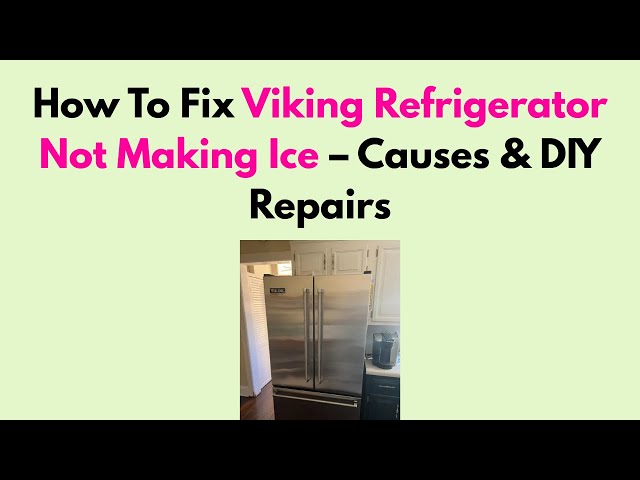
Credit: www.youtube.com
Preventing Future Freezing Problems
Preventing future freezing problems with your Viking freezer helps keep your food safe and fresh. Simple habits can avoid costly repairs and loss of food. Regular care and smart use keep the freezer working well for years.
Regular Maintenance Tips
Clean the freezer coils every six months. Dust and dirt block airflow and reduce cooling. Check door seals for cracks or gaps. Replace seals if they do not close tightly. Defrost the freezer if ice builds up over a quarter inch thick. Use a soft cloth to clean inside walls and shelves.
Proper Food Storage
Store food in airtight containers or freezer bags. This prevents frost buildup and keeps food fresh. Label items with dates to use older food first. Avoid placing hot food inside the freezer. Let food cool before storing to stop temperature rise.
Avoiding Overloading
Do not pack the freezer too full. Air needs space to circulate for even cooling. Overloading makes the freezer work harder and may cause freezing issues. Keep heavier items at the bottom and lighter ones on top. Organize food so you can find things easily without leaving the door open long.
Temporary Solutions To Preserve Food
When a Viking freezer stops freezing, food can spoil quickly. Acting fast is important to save your groceries. Temporary solutions help keep your food safe until you fix the freezer.
These tips use common items you have at home. They can keep food cold and fresh for a short time. Follow these easy steps to protect your food from spoiling.
Using Ice Packs
Ice packs are a simple way to keep food cold. Place them around your food in a cooler or insulated bag. The cold from ice packs slows bacteria growth. Use many ice packs for better cooling. Replace them with fresh ice packs often to keep food cold.
Alternative Freezing Methods
Use your refrigerator’s coldest spots to store food. Wrap food tightly in plastic wrap or foil. This helps keep moisture and cold inside. You can also freeze food outside if the weather is cold. Make sure food stays clean and dry. Freeze small portions to cool faster.
Storing Food Safely In Coolers
Coolers can keep food cold without a working freezer. Add ice or ice packs to coolers for best results. Keep the cooler in a cool, shaded place. Avoid opening the cooler often to keep cold air inside. Store raw meat separately to avoid contamination.

Credit: www.youtube.com
Frequently Asked Questions
Why Is My Viking Freezer Not Freezing Properly?
A dirty condenser coil or blocked vents can stop freezing. Check and clean them first.
How Do I Fix A Viking Freezer That Won’t Freeze?
Try adjusting the temperature settings and ensure the door seals are tight and clean.
Can A Faulty Thermostat Cause Viking Freezer Freezing Issues?
Yes, a broken thermostat can stop cooling. Testing and replacing it may solve the problem.
Does A Power Outage Affect Viking Freezer Freezing?
Power outages can reset the freezer. Wait a few hours for it to cool again.
When Should I Call A Technician For Viking Freezer Problems?
Call a technician if cleaning and settings fixes don’t restore freezing after 24 hours.
Conclusion
A Viking freezer not freezing can cause real trouble at home. Check the door seal and temperature settings first. Clean the coils and remove any ice buildup. Small fixes often solve the problem quickly. If issues continue, calling a professional helps avoid bigger damage.
Regular maintenance keeps your freezer working well longer. Stay patient and take action early to protect your food. A working freezer means less waste and more peace of mind. Simple steps lead to better cold storage every day.