
Is your dishwasher leaving your top rack dishes dirty, even after a full cycle? You’re not alone, and it can be really frustrating when your plates and glasses don’t come out clean.
But don’t worry—there are simple reasons why this happens, and easy fixes you can try right now. Keep reading to discover why your dishwasher isn’t cleaning the top rack and how to get it sparkling again every time.
Common Causes For Top Rack Issues
Top rack dishes not getting clean can be frustrating. Several common problems cause this issue. Understanding these causes helps fix the problem quickly. Below are the main reasons why the top rack may not clean properly.
Clogged Spray Arms
Spray arms push water to clean dishes. Dirt and food particles can block the holes. This stops water from reaching the top rack. Cleaning spray arms regularly improves water flow and cleaning power.
Blocked Water Inlets
Water inlets supply water inside the dishwasher. If these inlets get blocked, less water reaches the top rack. Minerals or debris cause blockages over time. Checking and clearing water inlets restores proper water flow.
Incorrect Loading
Loading dishes incorrectly can block water spray. Large items on the bottom rack may block the spray arm. Overcrowding the top rack also reduces cleaning efficiency. Arranging dishes properly allows water to reach all items.
Faulty Detergent Dispenser
The detergent dispenser releases soap at the right time. A broken dispenser may not open or release detergent fully. Without detergent, the top rack dishes stay dirty. Inspecting and fixing the dispenser ensures soap is used correctly.
How Water Pressure Affects Cleaning
Water pressure plays a big role in how well your dishwasher cleans dishes on the top rack. Strong water flow helps remove food and dirt from plates and glasses. Low water pressure means less force, so dirt may stay on dishes. This can make the top rack look dirty even after a full wash cycle.
Water sprays from jets inside the dishwasher. These jets reach the top rack only if the pressure is good. If the water pressure is weak, the jets may not spray enough water. This leaves dishes with spots and leftover food. Checking and adjusting water pressure can improve cleaning results.
Checking Water Supply
Start by checking the dishwasher’s water supply. Make sure the water valve is fully open. A partially closed valve lowers water flow. Inspect the water hose for kinks or bends. These can block water from reaching the dishwasher. Also, check for leaks or damage in the hose.
Look at your home’s water pressure. Low pressure here affects the dishwasher’s performance. Use a pressure gauge to measure it. Ideal water pressure is between 20 and 120 psi for dishwashers. Call a plumber if the pressure is too low or too high.
Adjusting Water Pressure
Adjusting water pressure can improve cleaning on the top rack. First, open the main water valve fully. This ensures maximum flow to the dishwasher. Clean the dishwasher’s filter and spray arms. Blockages reduce water pressure inside the machine.
Install a pressure regulator if your home has high water pressure. Too much pressure can damage dishwasher parts. A regulator keeps pressure steady and safe. If pressure is low, consider a water pressure booster pump. This device increases water flow for better cleaning.
Cleaning And Maintaining Spray Arms
Spray arms play a key role in cleaning dishes in your dishwasher. They spray water to wash away food and dirt. If the top rack dishes are not clean, spray arms might be dirty or blocked. Regular cleaning and maintenance keep them working well. This helps your dishwasher clean better and last longer.
Removing Spray Arms
Start by opening the dishwasher door fully. Look for the spray arms on the top rack. Most spray arms twist off or lift out easily. Check your dishwasher manual if unsure. Remove the spray arms carefully to avoid damage.
Clearing Debris And Blockages
Inspect the spray arms for food bits or hard water buildup. Use a toothpick or small brush to clear holes. Rinse the spray arms under running water. Make sure all holes are open and clean. Blocked holes stop water from spraying properly.
Reinstalling Properly
Place the spray arms back in their original spots. Twist or snap them firmly into place. Avoid loose fitting to ensure proper rotation. Check if the spray arms spin by hand. Proper installation helps water reach all dishes on the top rack.
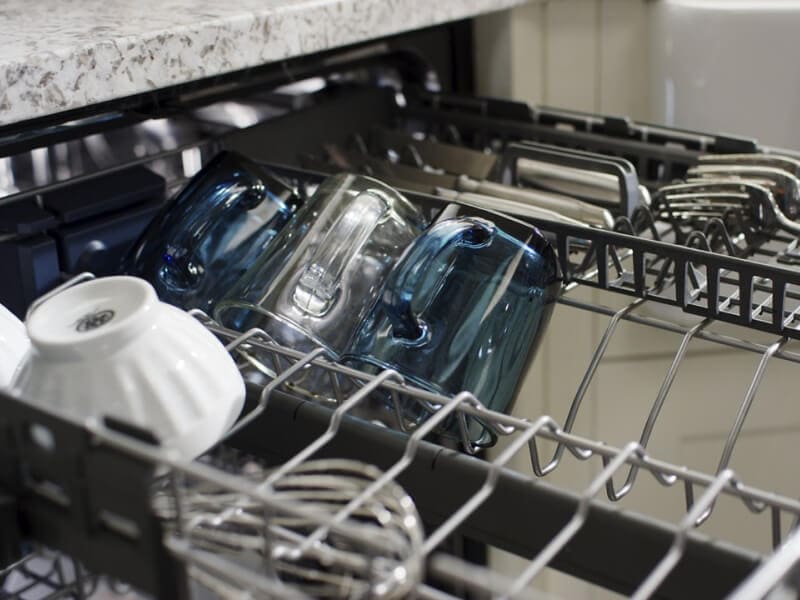
Credit: www.maytag.com
Optimizing Dishwasher Loading
Optimizing dishwasher loading improves cleaning, especially on the top rack. Proper loading lets water reach every dish. It stops food and soap residue from sticking. A well-loaded dishwasher saves time and avoids rewashing.
Proper Placement On Top Rack
Place cups and glasses upside down on the top rack. Keep bowls tilted so water flows inside. Avoid placing large items that block water spray. Space items evenly for better cleaning results.
Avoiding Overcrowding
Do not crowd dishes on the top rack. Overcrowding blocks water and soap from reaching surfaces. Leave small gaps between items. This helps water clean every dish well.
Ensuring Unobstructed Spray
Make sure spray arms spin freely without hitting dishes. Avoid stacking tall items near spray nozzles. Check for utensils or large dishes that block water jets. Clear paths let water reach all dishes evenly.
Detergent And Rinse Aid Tips
Detergent and rinse aid play a big role in cleaning dishes on the top rack. Using the right products helps remove food and grease. It also stops spots and film on your dishes. Small changes in detergent choice or rinse aid use can improve cleaning results.
Choosing The Right Detergent
Pick a detergent made for your dishwasher type. Powder, gel, or pods each work differently. Pods often dissolve slower, which may affect top rack cleaning. Use enough detergent to clean well but not too much to leave residue. Check the detergent package for instructions. Avoid cheap detergents that may not clean well.
Using Rinse Aid Effectively
Rinse aid helps water slide off dishes. It reduces spots and helps drying. Fill the rinse aid dispenser regularly. Adjust the dispenser setting for more or less rinse aid. A higher setting helps if your water is hard. Too much rinse aid can cause foaming. Use rinse aid even if your detergent says it has some.

Credit: www.reddit.com
Inspecting And Repairing Mechanical Parts
Mechanical parts inside a dishwasher play a key role in cleaning dishes well. Problems in these parts can cause poor cleaning on the top rack. Careful inspection and simple repairs can often fix these issues. This section guides you through checking some important parts to improve your dishwasher’s performance.
Checking The Dispenser Mechanism
The detergent dispenser releases soap at the right time. If it is stuck or broken, detergent may not reach the top rack. Open the dispenser door and check for any damage. Clean any soap buildup or debris around it. Manually press the door to see if it opens smoothly. Replace the dispenser if it does not work properly.
Testing Spray Arm Movement
The spray arm sprays water to clean dishes. It must spin freely without blockage. Remove the bottom rack to reach the spray arm under the top rack. Turn the arm by hand to check for smooth movement. Clear any debris or hard water buildup blocking the holes. Replace the spray arm if it is cracked or does not spin well.
When To Call A Technician
Some mechanical problems need expert help. Call a technician if the dispenser or spray arm still fails after cleaning. Strange noises during the cycle may mean a motor or pump issue. A pro can safely fix complex parts and ensure the dishwasher works well again.
Preventive Measures For Top Rack Cleaning
Keeping the top rack of your dishwasher clean helps dishes come out spotless. Preventive care stops dirt and food from building up. It also keeps water spraying well across all dishes. Small habits make a big difference. Follow simple steps to maintain a clean top rack and improve washing results.
Regular Cleaning Schedule
Set a weekly routine to clean the top rack. Remove the rack and wash it with warm, soapy water. Check for stuck food or grease on the rack bars and spray arms. Clean spray holes with a toothpick or soft brush. Dry the rack well before placing it back inside.
Run an empty dishwasher cycle with vinegar once a month. This clears minerals and soap scum from pipes and spray arms. Keeping the rack free from buildup ensures better water flow and cleaner dishes.
Routine Inspection Tips
Look at the top rack before every wash. Check for broken or bent parts that block water flow. Tighten loose screws and fix any damage quickly. Remove any leftover food or debris from the rack slots.
Also, check the spray arms for clogs. Spin them by hand to ensure they move freely. Clean any blocked holes gently. These inspections prevent common problems that stop dishes from cleaning well on the top rack.
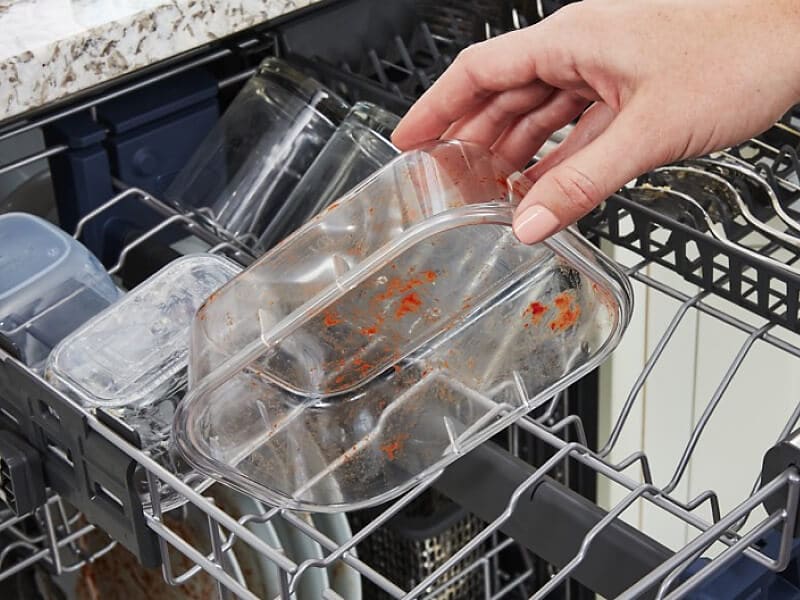
Credit: www.maytag.com
Frequently Asked Questions
Why Are Dishes Not Clean On The Top Rack?
Clogged spray arms or blocked water flow can stop cleaning on the top rack.
How Do I Fix A Dishwasher’s Top Rack Cleaning Issue?
Check spray arms, clean filters, and load dishes properly for better cleaning.
Can Hard Water Affect Dishwasher Cleaning On The Top Rack?
Yes, hard water can leave spots and reduce cleaning efficiency on the top rack.
Does The Dishwasher Detergent Type Impact Top Rack Cleaning?
Using the right detergent helps remove food and grease from dishes on the top rack.
How Often Should I Clean My Dishwasher To Improve Top Rack Results?
Clean your dishwasher monthly to remove buildup and keep the top rack washing well.
Conclusion
A dishwasher not cleaning the top rack can be frustrating. Check spray arms for blockages or damage first. Make sure dishes don’t block water flow. Use the right detergent and avoid overloading. Regular cleaning helps keep your dishwasher working well.
Small fixes often solve the problem quickly. Keep an eye on these tips for cleaner dishes every time. Simple care saves time and keeps your dishes spotless.