
Is your Whirlpool washer not agitating like it used to? You rely on your washer every day, and when it stops working properly, it can throw off your whole routine.
It’s frustrating to load your clothes, only to find they’re still dirty after a full cycle. But don’t worry—there are simple reasons why your washer might not be agitating, and even easier fixes you can try yourself. Keep reading to discover what’s causing the problem and how to get your Whirlpool washer back to its best, so your laundry days become hassle-free again.
Common Causes Of No Agitation
The Whirlpool washer stops agitating for a few common reasons. Understanding these helps fix the problem faster. Agitation is key for cleaning clothes well. When it fails, laundry remains dirty or wet.
Many parts work together to make the agitator move. Trouble in any part can stop agitation. The following sections explain the main causes of no agitation in Whirlpool washers.
Lid Switch Issues
The lid switch stops the washer if the lid is open. A broken switch stops agitation too. The washer thinks the lid is open. This safety feature prevents injury. A faulty lid switch needs replacement.
Drive Belt Problems
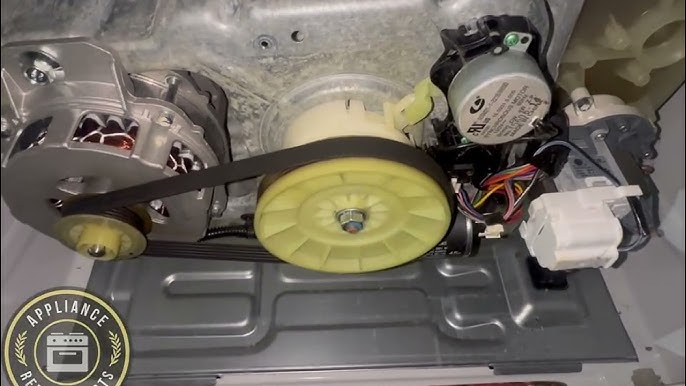
The drive belt turns the agitator. Over time, it can wear or break. A loose or broken belt stops agitation. Check the belt for cracks or damage. Replace it to restore washer function.
Motor Coupling Failure
The motor coupling connects the motor to the washer. It absorbs shocks from heavy loads. This part can wear out or break. A broken motor coupling stops the agitator. Replacing it often solves the issue.
Agitator Dogs Wear
Agitator dogs help the agitator move clothes back and forth. They are small plastic parts inside the agitator. When worn out, they cause no agitation. Replacing worn agitator dogs restores proper movement.
Clutch Malfunctions
The clutch controls the agitator’s spinning speed. It helps start and stop the agitator. A worn or broken clutch stops agitation. Signs include slipping or slow movement. Replacing the clutch fixes this problem.

Credit: www.youtube.com
Safety Precautions Before Repairs
Repairing a Whirlpool washer that is not agitating requires care. Safety is the top priority before starting any fixes. Simple steps can protect you from injury and damage to the machine. Take time to prepare well.
Unplugging The Washer
Always unplug the washer from the power source. This stops any electric current from running through the machine. It lowers the risk of electric shock while working on the washer. Never skip this step, even if the washer looks off.
Using Proper Tools
Use the right tools for the repair job. Wrong tools can cause damage to parts or hurt your hands. Keep tools clean and in good condition. This helps you work faster and safer on the washer.
Protective Gear Tips
Wear gloves to protect your hands from sharp edges. Use safety glasses to guard your eyes from dust and debris. Dress in clothes that cover your arms and legs. These simple gear choices reduce risks during repair work.
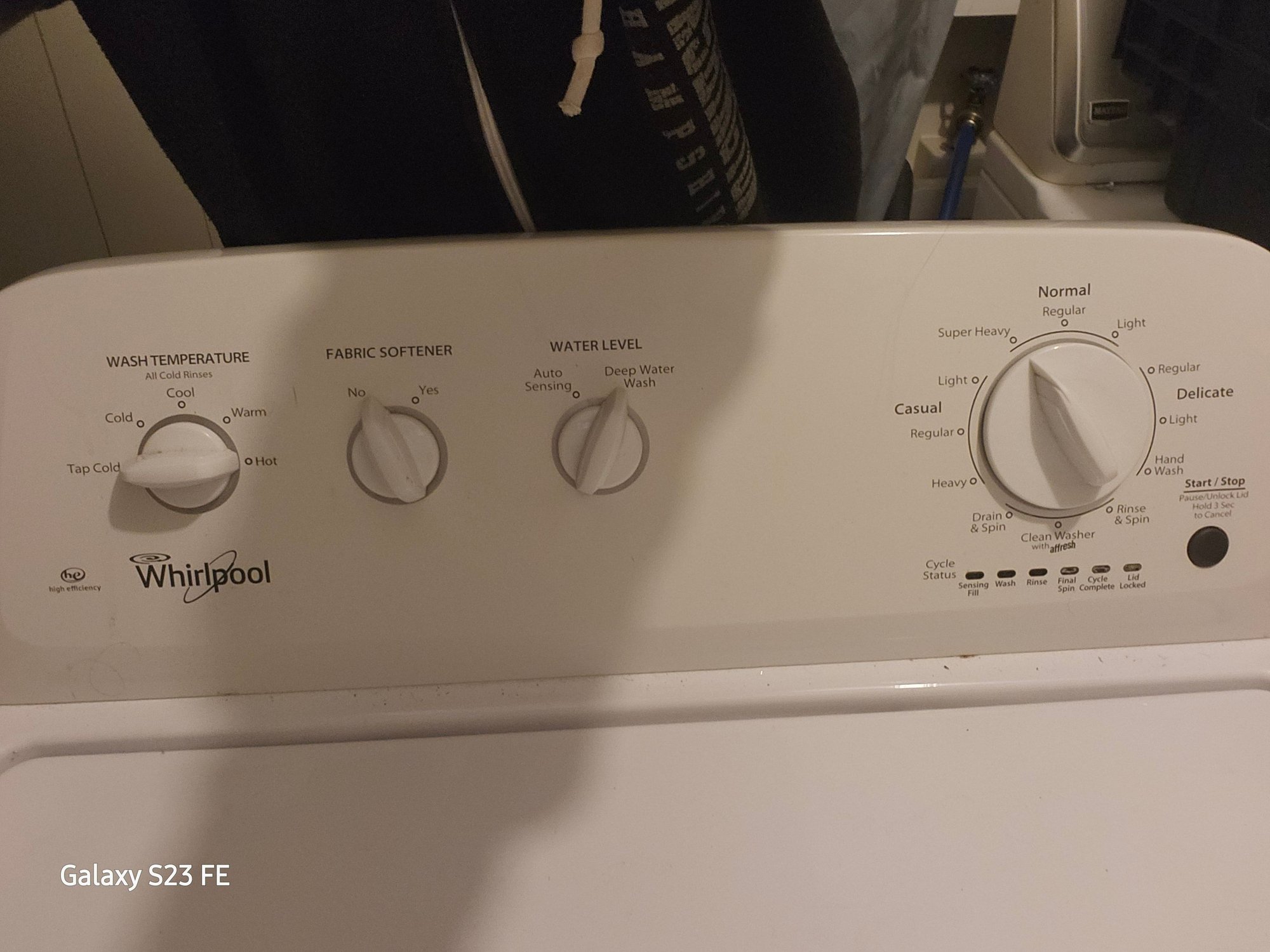
Checking And Replacing The Lid Switch
The lid switch plays a key role in the washer’s operation. It tells the machine if the lid is closed. When the lid switch fails, the washer may stop agitating. Checking and replacing this part can fix the problem. This section shows how to test and change the lid switch safely and easily.
Testing The Switch With A Multimeter
Start by unplugging the washer from power. Locate the lid switch near the lid frame. Use a screwdriver to remove any covers blocking it. Set the multimeter to the lowest ohms setting. Touch the multimeter probes to the switch terminals. Press the lid switch button. A good switch shows a low resistance reading. No change means the switch is faulty.
Removing And Installing A New Switch
Unplug the washer before starting. Remove the screws holding the lid switch in place. Carefully pull out the switch to see the wiring. Note the wire colors or take a photo. Disconnect the wires from the old switch. Connect them to the new switch in the same order. Secure the new switch with screws. Close the washer lid and plug in the machine. Test the washer to check if it agitates properly.
Credit: www.doityourself.com
Inspecting The Drive Belt
The drive belt is a key part of your Whirlpool washer. It connects the motor to the washer drum. This connection helps the drum move and agitate clothes during the wash cycle. If the belt wears out or breaks, the drum will stop moving. This causes the washer not to agitate.
Checking the drive belt can solve many problems. It helps find if the belt is the cause of the issue. A worn or broken belt needs replacement to restore the washer’s function. Let’s explore how to spot belt wear and how to change the belt safely.
Signs Of Belt Wear
Look for cracks or frays on the belt surface. The belt may feel loose or slip off easily. Listen for unusual noises like squealing or grinding during operation. These sounds often mean the belt is worn out. Also, check for shiny, glazed spots that show the belt is slipping. Any of these signs suggest the belt needs replacement soon.
How To Replace The Belt
First, unplug the washer to ensure safety. Open the back panel or remove the cabinet to access the belt. Take a picture of the belt position to guide reinstallation. Remove the old belt by slipping it off the drum and motor pulleys. Install the new belt by placing it on the pulleys in the same way. Make sure it is tight and aligned properly. Close the panel and plug the washer back in. Run a test cycle to check if the drum agitates correctly.
Fixing Motor Coupling Problems
Fixing motor coupling problems is key when a Whirlpool washer stops agitating. The motor coupling connects the motor to the washer’s transmission. It helps transfer power to make the washer tub move. A broken or worn motor coupling can stop the washer from agitating properly. This issue is common in many Whirlpool models. Fixing it can bring your washer back to life without costly repairs.
Identifying Motor Coupling Damage
Look for signs of motor coupling damage if the washer does not agitate. Listen for a humming sound but no tub movement. The washer may fill with water but not spin or agitate. Check the motor coupling for cracks, breaks, or worn parts. You might need to remove the washer’s cabinet to see the coupling. If the plastic or rubber parts are broken, the coupling needs replacement. A damaged motor coupling stops power from reaching the transmission.
Step-by-step Replacement Guide
Unplug the washer and turn off the water supply. Remove the washer’s cabinet or access panel to reach the motor and coupling. Detach the motor by removing bolts and wiring carefully. Remove the broken motor coupling from the motor shaft and transmission input shaft. Install the new motor coupling by aligning it on both shafts. Reattach the motor and tighten all bolts securely. Close the washer cabinet or panel. Plug the washer back in and run a test cycle. The washer should agitate smoothly if the coupling is fixed.
Replacing Worn Agitator Dogs
Replacing worn agitator dogs can fix a Whirlpool washer that is not agitating. These small parts help the agitator move clothes properly. Over time, they wear out and stop gripping the agitator. This causes the washer to stop cleaning clothes well. Changing them is a simple and cost-effective repair. It restores the washer’s normal function quickly.
Locating And Removing Agitator Dogs
First, unplug the washer for safety. Open the agitator by removing the fabric softener cup on top. Use a socket wrench to take out the bolt under the cup. Pull the agitator up and out carefully. You will see the agitator dogs inside the lower part. They look like small plastic cams around the agitator shaft. Use needle-nose pliers or a flat screwdriver to pull out the worn dogs. Note their position for easy replacement.
Installing New Agitator Dogs
Get new agitator dogs that match your washer model. Place them in the same position as the old ones. Push them firmly into the slots inside the agitator. Make sure they fit snugly and face the correct direction. Put the agitator back onto the shaft. Tighten the bolt securely and replace the fabric softener cup. Plug the washer back in and test the agitator. It should move smoothly and clean clothes well again.
Addressing Clutch Issues
Addressing clutch issues is essential when your Whirlpool washer is not agitating. The clutch helps the washer tub move during the wash cycle. If it fails, the washer may stop agitating or spin properly. Understanding the clutch’s role can help identify and fix the problem quickly.
Symptoms Of A Faulty Clutch
A faulty clutch shows clear signs. The washer may make loud noises during the cycle. You might hear grinding or slipping sounds. The tub may not spin or agitate at all. Clothes may come out very wet after the cycle. The washer may stop mid-cycle or shake excessively. These symptoms point to clutch problems affecting the washer’s movement.
Clutch Replacement Process
Replacing the clutch requires some mechanical skill. First, unplug the washer and remove the cabinet to access the clutch. Next, detach the drive belt connected to the motor and clutch assembly. Then, remove the old clutch by unscrewing it from the transmission shaft. Install the new clutch by aligning it properly on the shaft. Tighten all screws and reattach the drive belt. Finally, put the cabinet back and test the washer to ensure it agitates correctly.
Additional Tips To Maintain Washer Performance
Keeping your Whirlpool washer working well takes more than fixing problems. It needs simple care steps. These steps help your washer last longer and avoid issues like not agitating. Here are some easy tips to keep your washer in good shape.
Regular Cleaning And Maintenance
Clean the washer drum and seals often. Dirt and soap can build up and block movement. Run a cleaning cycle once a month. Wipe the door and gasket to remove mold and grime. Check hoses for leaks or cracks. Replace them if damaged to prevent water problems.
Avoiding Overloading
Do not put too many clothes in the washer. Overloading stops the drum from moving freely. Clothes need space to move for proper cleaning. Follow the washer’s load limit. Spread clothes evenly inside the drum to balance the load. This helps the washer agitate correctly and last longer.
Using Appropriate Detergents
Choose the right detergent for your washer type. Use high-efficiency (HE) detergent if your washer needs it. Too much detergent causes extra suds, which can block the agitator. Too little detergent leaves clothes dirty. Measure detergent carefully to avoid build-up and keep the washer clean.
Credit: www.youtube.com
Frequently Asked Questions
Why Is My Whirlpool Washer Not Agitating?
The washer may have a broken agitator belt or a faulty motor. Check these parts first.
How Do I Fix A Whirlpool Washer That Won’t Agitate?
Start by unplugging the washer. Inspect the belt, motor coupler, and lid switch for damage.
Can A Lid Switch Cause No Agitation In Whirlpool Washers?
Yes, a broken lid switch can stop the washer from agitating during cycles.
How To Test The Agitator In A Whirlpool Washing Machine?
Manually move the agitator. If it’s stuck or loose, it may need repair or replacement.
Is A Clogged Pump Causing Whirlpool Washer Agitation Issues?
A clogged pump usually affects draining, not agitation. Check pump separately for drainage problems.
Conclusion
A Whirlpool washer not agitating can stop your laundry routine. Simple checks often fix the issue quickly. Make sure the lid switch works and the agitator is clear. Also, inspect belts and motor parts for damage. Regular care helps keep your washer running well.
Don’t delay repairs to avoid bigger problems. Small steps can save time and money. Keep your laundry moving smoothly.