
Is your car making strange noises or showing warning signs under the hood? Your serpentine belt might be the culprit.
This small but powerful belt plays a crucial role in keeping your engine running smoothly. If it fails, you could face costly repairs and unexpected breakdowns. Understanding serpentine belt problems can save you time, money, and stress. Keep reading to discover the common signs, causes, and easy fixes that will keep your car’s heart beating strong.
Don’t wait until a small issue turns into a big problem—your car deserves the best care.
Common Signs Of Serpentine Belt Issues
The serpentine belt plays a key role in your car’s engine. It powers many parts like the alternator and power steering pump. When the belt has problems, your car shows certain signs. Recognizing these signs early helps avoid bigger damage and costly repairs.
Here are the common signs of serpentine belt issues to watch for. Each symptom points to a possible belt problem that needs attention.
Squealing Or Chirping Noises
A high-pitched squeal or chirp from the engine area can mean the belt is slipping. This noise often happens at startup or during acceleration. It shows the belt may be loose or worn out.
Visible Cracks Or Wear
Check the belt for cracks, fraying, or shiny spots. These signs mean the belt is aging and losing grip. A worn belt risks breaking while driving, causing engine problems.
Loss Of Power Steering
If steering feels stiff or harder than usual, the belt might be slipping. The serpentine belt drives the power steering pump. Belt issues reduce pump performance and steering ease.
Overheating Engine
The belt also powers the water pump that cools the engine. A slipping or broken belt can stop the pump from working. This causes the engine to overheat quickly.
Battery Warning Light
The battery light on your dashboard can signal serpentine belt trouble. The belt powers the alternator that charges the battery. If the belt fails, the battery won’t charge properly.

Credit: www.reddit.com
Main Causes Of Belt Problems
Serpentine belts are vital for your car’s engine. They drive many important parts like the alternator and water pump. Problems with these belts can cause engine trouble or breakdowns. Understanding the main causes of belt problems helps in early detection and repair.
Age And Wear
Serpentine belts wear out over time. Heat and friction cause cracks and fraying. A belt older than five years likely needs replacement. Regular checks can spot wear before failure.
Improper Tension
A belt too loose can slip and lose power. Too tight, it stresses bearings and components. Proper tension keeps the belt running smoothly and quietly.
Misaligned Pulleys
Pulleys must line up perfectly for the belt to run well. Misalignment causes uneven wear and noise. It also shortens belt life and can cause it to slip off.
Oil Or Coolant Contamination
Leaks of oil or coolant can damage the belt’s rubber. Contaminated belts become soft and crack easily. Keeping the engine clean prevents this problem.
Faulty Belt Tensioner
The belt tensioner keeps the belt tight. A worn tensioner fails to maintain correct tension. This leads to belt slipping, noise, and early wear.
Quick Fixes To Try At Home
Serpentine belt problems can cause your car to stop working properly. Many issues can be fixed quickly at home. These simple steps save time and money. You do not need special tools or skills. Check these quick fixes to keep your belt in good shape.
Inspecting And Cleaning The Belt
Start by looking closely at the belt. Check for cracks, frays, or shiny spots. Dirt and oil can make the belt slip. Clean it with a damp cloth to remove grime. Avoid using harsh chemicals that can damage the belt.
Adjusting Belt Tension
A loose belt may slip and cause noise. Tighten the belt by adjusting the tensioner. Use a wrench to turn the tensioner bolt. The belt should feel firm but not too tight. Proper tension helps the belt run smoothly.
Replacing A Worn Belt
Old belts wear out and break easily. Replace the belt if you see cracks or missing pieces. Purchase the correct belt size for your car model. Remove the old belt by releasing the tensioner. Install the new belt following the belt path diagram.
Checking Pulley Alignment
Misaligned pulleys wear out the belt quickly. Look at the pulleys to see if they are in line. Use a straight edge or ruler to check alignment. Adjust pulleys if they do not line up properly. Correct alignment extends belt life and prevents noise.
When To Seek Professional Help
Some problems need expert attention. If the belt keeps slipping or making noise, see a mechanic. Strange noises or engine overheating are signs of bigger issues. A professional can diagnose and fix these problems safely. Don’t wait too long to get help.
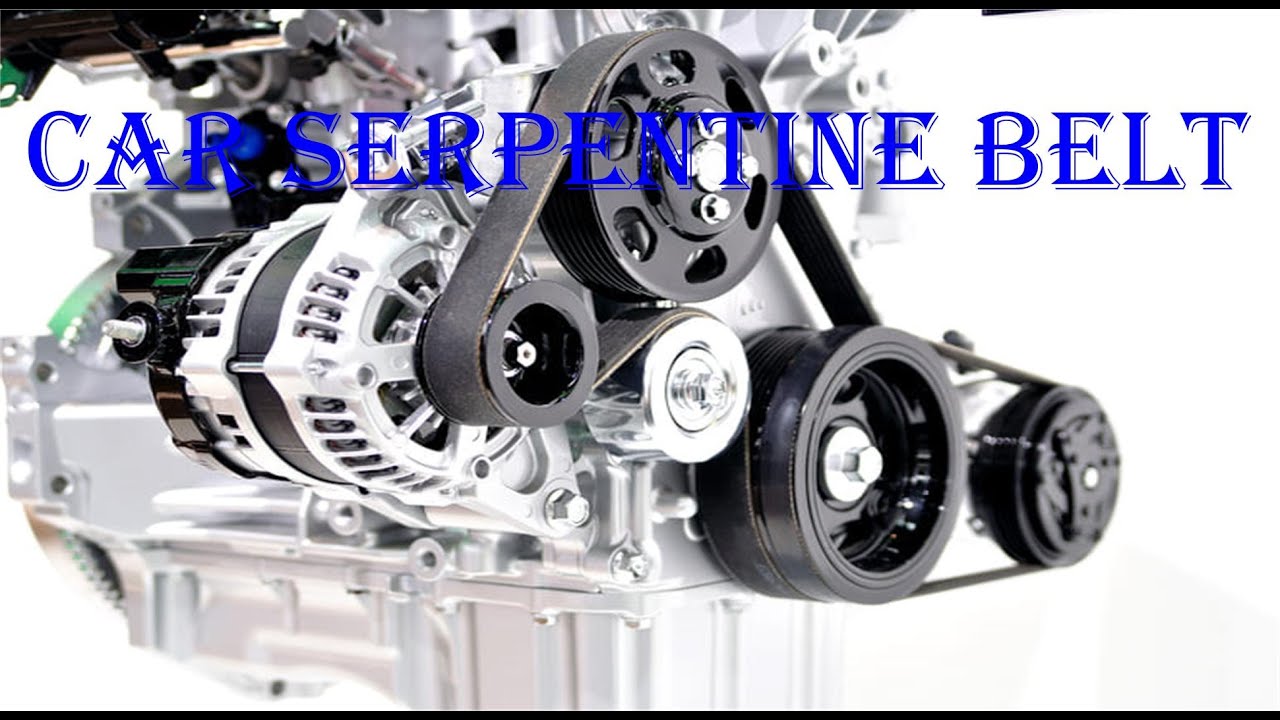
Credit: www.youtube.com

Credit: www.reddit.com
Frequently Asked Questions
What Are Common Serpentine Belt Problems?
Serpentine belts can crack, slip, wear out, or become loose over time. This causes noise and poor engine performance.
How Do I Know If My Serpentine Belt Is Bad?
Listen for squealing sounds or check for visible cracks and fraying on the belt surface.
Can A Serpentine Belt Cause Engine Overheating?
Yes, a worn or broken belt can stop the water pump, leading to engine overheating.
How Often Should A Serpentine Belt Be Replaced?
Most belts last 60,000 to 100,000 miles. Check your vehicle’s manual for exact intervals.
What Happens If A Serpentine Belt Breaks While Driving?
The engine accessories stop working, causing loss of power steering, battery charging, and engine cooling. Pull over safely.
Conclusion
Serpentine belt problems can cause big car issues fast. Regular checks help catch wear or cracks early. Replacing a worn belt saves time and money later. Listen for squeaks or see cracks on the belt. Fixing problems early keeps your car running smooth.
Don’t wait until the belt breaks completely. Stay alert to avoid sudden breakdowns on the road. Keep your vehicle healthy with simple belt care. It’s a small step that protects your whole engine.