
If you own a Chevrolet Suburban, you know it’s built to handle big jobs and long trips. But what happens when your transmission starts acting up?
Transmission problems can turn your reliable ride into a costly headache. You might notice slipping gears, strange noises, or delayed shifts—signs that something is wrong under the hood. Ignoring these warning signals can lead to expensive repairs or even leave you stranded.
You’ll discover the common transmission issues Chevrolet Suburban owners face, how to spot them early, and what you can do to protect your vehicle. Keep reading to save yourself time, money, and stress down the road.
Common Transmission Issues
The Chevrolet Suburban is a strong and popular SUV. Yet, its transmission can face some common problems. These issues affect how the vehicle shifts and drives. Knowing these problems helps you spot troubles early. It can save time and money on repairs.
Slipping Gears
Slipping happens when the transmission changes gears unexpectedly. The engine revs, but the vehicle moves slowly. This problem feels like the car is losing power. It can cause damage if not fixed quickly. Worn-out gears or low fluid often cause slipping.
Delayed Shifting
Delayed shifting means the car takes too long to change gears. The engine may rev high before the shift happens. This delay makes driving jerky and unsafe. It can be due to bad sensors or old transmission fluid. Timely checks can prevent worse damage.
Transmission Fluid Leaks
Fluid leaks under the car are a common sign of trouble. Transmission fluid is red or brown and slippery. Leaks lower fluid levels and cause poor transmission function. Seals and gaskets often wear out and cause leaks. Fixing leaks early stops bigger problems.
Overheating Transmission
The transmission can get too hot after hard driving. Overheating causes fluid to break down and lose its power. This leads to slipping and shifting problems. Cooling system issues or heavy towing often cause overheating. Keeping fluid clean helps prevent this issue.
Root Causes
Transmission problems in a Chevrolet Suburban often trace back to a few common causes. Understanding these root causes helps owners spot issues early. It also guides proper repairs to keep the vehicle running smoothly.
Many transmission issues start with small faults. Over time, these faults can cause bigger, more costly problems. Knowing the main reasons behind transmission troubles can save time and money.
Worn Transmission Fluid
Transmission fluid lubricates and cools moving parts inside the transmission. Over time, this fluid breaks down and loses its effectiveness. Dirty or low fluid can cause slipping, rough shifts, and overheating. Regular fluid checks and changes help avoid serious damage.
Faulty Torque Converter
The torque converter transfers power from the engine to the transmission. A faulty torque converter can cause shuddering or slipping during acceleration. It may also lead to poor fuel economy. Replacing a bad torque converter usually fixes these issues.
Damaged Clutch Plates
Clutch plates inside the transmission help engage and disengage gears smoothly. Worn or damaged clutch plates cause hard shifting and gear slippage. This wear is common in older Suburbans or those with heavy use. Repairing or replacing clutch plates restores smooth gear changes.
Sensor Malfunctions
Sensors monitor transmission functions and send data to the vehicle’s computer. Faulty sensors can trigger incorrect gear shifts or warning lights. Common sensor problems include speed sensors and pressure sensors. Diagnosing and replacing bad sensors improves transmission performance.
Diagnosing Problems
Diagnosing transmission problems in a Chevrolet Suburban requires careful attention. Early detection can prevent costly repairs and keep the vehicle running smoothly. Understanding the signs and using proper tools helps identify issues quickly. A professional inspection often confirms the diagnosis and guides the repair process.
Warning Signs
Watch for slipping gears during acceleration. Strange noises such as whining or clunking may occur. Delays in shifting or harsh gear changes are common symptoms. Fluid leaks under the vehicle could indicate transmission issues. Burning smells might signal overheating or worn parts. Ignoring these signs can lead to serious damage.
Diagnostic Tools
OBD-II scanners read error codes from the vehicle’s computer. These codes help pinpoint specific transmission faults. Fluid pressure testers measure hydraulic pressure inside the transmission. Visual checks of the fluid color and smell provide clues. These tools assist in finding problems without guesswork.
Professional Inspection
Certified mechanics use advanced equipment to assess transmission health. They perform road tests to observe shifting behavior. Inspections include checking fluid condition and mechanical parts. Experts can detect hidden issues not obvious to owners. Their experience ensures accurate diagnosis and proper repair advice.

Credit: www.autobidmaster.com
Repair Options
Chevrolet Suburban transmission problems need proper repair to ensure smooth driving. Several repair options exist, depending on the issue’s severity. Choosing the right method can save time and money. Understanding each option helps make better decisions for your vehicle.
Fluid Replacement
Transmission fluid keeps parts moving smoothly. Old or dirty fluid causes slipping and rough shifts. Replacing the fluid can fix minor problems fast. Use the correct type of fluid for your Suburban. Regular fluid changes prevent big transmission issues later.
Seal And Gasket Repair
Leaking seals and gaskets cause fluid loss. This leads to overheating and damage inside the transmission. Repairing or replacing these parts stops leaks. It also protects the transmission from further harm. This fix is often simple and affordable.
Component Replacement
Worn or broken parts inside the transmission need replacement. This includes gears, clutches, or solenoids. Replacing faulty components restores normal function. A mechanic will inspect and identify damaged parts first. Proper replacement can extend your Suburban’s life.
Transmission Rebuild
A rebuild involves taking the transmission apart. Mechanics clean, inspect, and replace many internal parts. This option is more expensive but fixes serious problems. It can restore performance close to a new transmission. A rebuild is a smart choice for high-mileage Suburbans.
Maintenance Tips
Maintaining your Chevrolet Suburban’s transmission is key to avoiding costly repairs. Proper care helps the transmission run smoothly and last longer. Regular attention prevents common problems and keeps your vehicle reliable.
Regular Fluid Checks
Check the transmission fluid often. Fluid keeps the transmission parts cool and lubricated. Low or dirty fluid can cause slipping or hard shifts. Use the correct type of fluid. Check the level and color. Bright red fluid means good condition. Dark or burnt-smelling fluid needs changing.
Timely Service Intervals
Follow the service schedule in your owner’s manual. Changing the transmission fluid and filter on time avoids buildup and damage. Regular service helps spot small issues early. Delay can lead to bigger, expensive problems. Schedule visits with a trusted mechanic.
Driving Habits To Avoid
Avoid harsh driving like rapid acceleration or heavy towing over limits. These strain the transmission and cause overheating. Don’t shift gears abruptly or ride the brake. Smooth driving reduces wear and tear. Let the vehicle warm up before driving in cold weather.
Using Quality Parts
Use only high-quality parts and fluids for repairs and maintenance. Cheap parts may fail quickly and harm the transmission. Genuine or certified parts fit better and last longer. Quality fluids protect internal components. Invest in trusted brands to keep your Suburban running well.
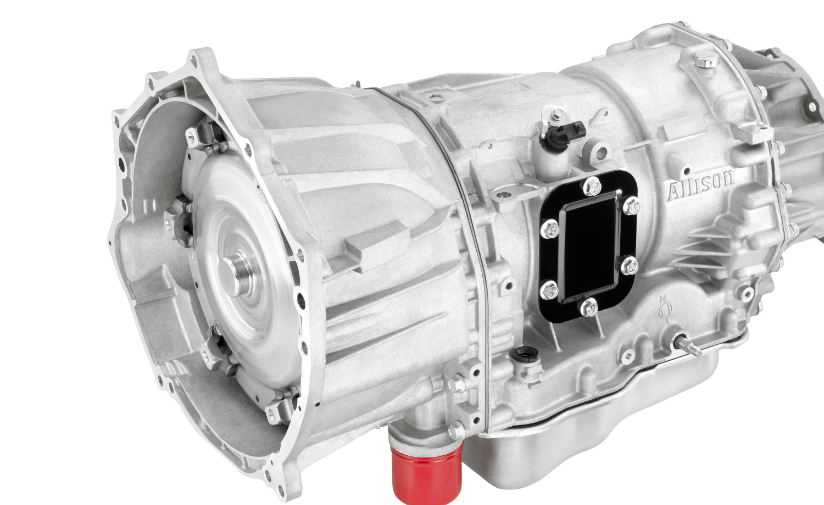
Credit: autolemonlawyer.com
When To Seek Help
Knowing when to seek help for Chevrolet Suburban transmission problems is crucial. Early action can prevent costly repairs and keep your vehicle running smoothly. Watch closely for signs that your transmission needs attention.
Persistent Symptoms
Persistent slipping or delayed shifting signals trouble. If your vehicle hesitates or struggles to change gears, do not ignore it. Constant transmission issues can worsen over time and cause more damage.
Warning Lights
Dashboard warning lights often indicate transmission problems. A glowing check engine or transmission light means your vehicle needs a professional check. Never drive long distances with warning lights on.
Unusual Noises
Grinding, whining, or clunking sounds from your transmission are bad signs. Strange noises usually point to internal damage or worn parts. Stop driving and get your Chevrolet Suburban inspected quickly.

Credit: www.motorbiscuit.com
Frequently Asked Questions
What Are Common Transmission Problems In Chevrolet Suburban?
Common issues include slipping gears, delayed shifting, and transmission fluid leaks.
How To Recognize Transmission Slipping In Chevrolet Suburban?
Notice engine revving higher without speed increase or sudden gear changes.
Why Does My Chevrolet Suburban Transmission Overheat?
Low fluid levels or worn parts often cause transmission overheating.
Can Transmission Problems Affect Chevrolet Suburban Fuel Efficiency?
Yes, faulty transmission can reduce fuel economy due to poor gear shifts.
How Often Should I Check Chevrolet Suburban Transmission Fluid?
Check transmission fluid every 30,000 miles or as recommended in the manual.
Conclusion
Chevrolet Suburban transmission problems can cause driving issues and costly repairs. Watch for signs like slipping gears or strange noises early. Regular maintenance helps keep the transmission working well. Fix small problems before they get worse. Choose a trusted mechanic for repairs and advice.
Staying aware saves money and stress in the long run. Keep your Suburban running smoothly and enjoy every trip.