
If you own a Honda with a CVT transmission, you might have noticed some issues that make driving frustrating or even unsafe. Understanding the common Honda CVT transmission problems can save you time, money, and stress.
You’ll discover what signs to watch for, why these problems happen, and what you can do to fix them before they get worse. Keep reading to protect your car and keep your rides smooth and worry-free.
Common Cvt Issues
Honda CVT transmissions offer smooth driving but can face some common issues. These problems may affect your car’s performance and comfort. Knowing these issues helps you spot trouble early and take action.
Slipping And Jerking
Slipping happens when the transmission loses grip. The car may hesitate or jerk during acceleration. This can make driving unsafe and uncomfortable. Poor belt or pulley condition often causes slipping. Regular check-ups help avoid this problem.
Overheating Concerns
CVT transmissions can overheat under heavy use. High temperatures reduce transmission fluid life. Overheating leads to poor shifting and damage. Watch for warning lights and strange smells. Cooling system issues also cause overheating.
Delayed Acceleration
Delayed acceleration means slow response after pressing the gas. The car feels sluggish and unresponsive. This issue may arise from worn components or fluid problems. Timely maintenance keeps acceleration smooth and quick.
Strange Noises
Unusual sounds like whining or grinding can come from the CVT. Noises often signal internal wear or fluid issues. Ignoring these sounds can cause bigger damage. Early diagnosis prevents costly repairs.

Credit: carfromjapan.com
Causes Behind Problems
Honda CVT transmission problems can stem from several causes. Understanding these helps in spotting issues early. Some problems arise from parts wearing out. Others come from mistakes in care. Below are the main causes that lead to CVT troubles.
Fluid Contamination
The transmission fluid keeps the CVT cool and running smoothly. Dirt or water can enter the fluid. Contaminated fluid stops parts from moving well. It can cause overheating and damage to the transmission.
Dirty fluid also makes the belt slip. This leads to jerky driving and noise. Regular fluid checks help avoid these problems.
Worn Belt Or Pulley
The CVT uses a belt and pulley system to change gears. Over time, the belt can wear thin. Pulleys may also get damaged or worn out. A worn belt or pulley causes slipping and loss of power.
This wear can lead to rough rides or sudden jerks. Replacing these parts on time is important to keep driving smooth.
Software Glitches
Modern Honda CVTs rely on software to control gear changes. Sometimes, the software has bugs or glitches. These can cause delayed shifts or strange noises.
Software updates from the dealer can fix these issues. Ignoring software problems may lead to bigger transmission faults.
Poor Maintenance
Failing to maintain the CVT properly leads to many issues. Skipping fluid changes or ignoring warning signs causes damage. Dirt and wear build up faster without care.
Following the maintenance schedule keeps the transmission healthy. Regular inspections catch problems before they get worse.
Diagnosing Cvt Trouble
Diagnosing problems with a Honda CVT transmission can be tricky. These transmissions work differently than regular gearboxes. They use belts and pulleys instead of fixed gears. This means issues may show in unusual ways. Understanding how to spot signs and check the system helps catch problems early. Proper diagnosis saves time and money on repairs.
Warning Signs To Watch
Listen for strange noises like whining or humming. Notice if the car hesitates or slips during acceleration. Check for shuddering or jerking when driving. Watch the transmission temperature gauge if available. Warning lights on the dashboard also signal trouble. Early signs often appear before full failure.
Using Diagnostic Tools
Scan the vehicle’s computer system for error codes. Use an OBD-II scanner to read transmission data. These codes reveal specific problems inside the CVT. Some tools show live data like pulley speed and belt tension. This information helps pinpoint the exact issue quickly. Basic scanners can detect common faults in most Honda CVTs.
Professional Inspection Tips
Have a trained technician check the transmission fluid condition. Dirty or burnt fluid often means internal damage. Mechanics may perform a road test to feel for slipping or lag. A pressure test can assess hydraulic system health. Experts know how to interpret diagnostic results accurately. Getting a professional inspection ensures a reliable diagnosis.
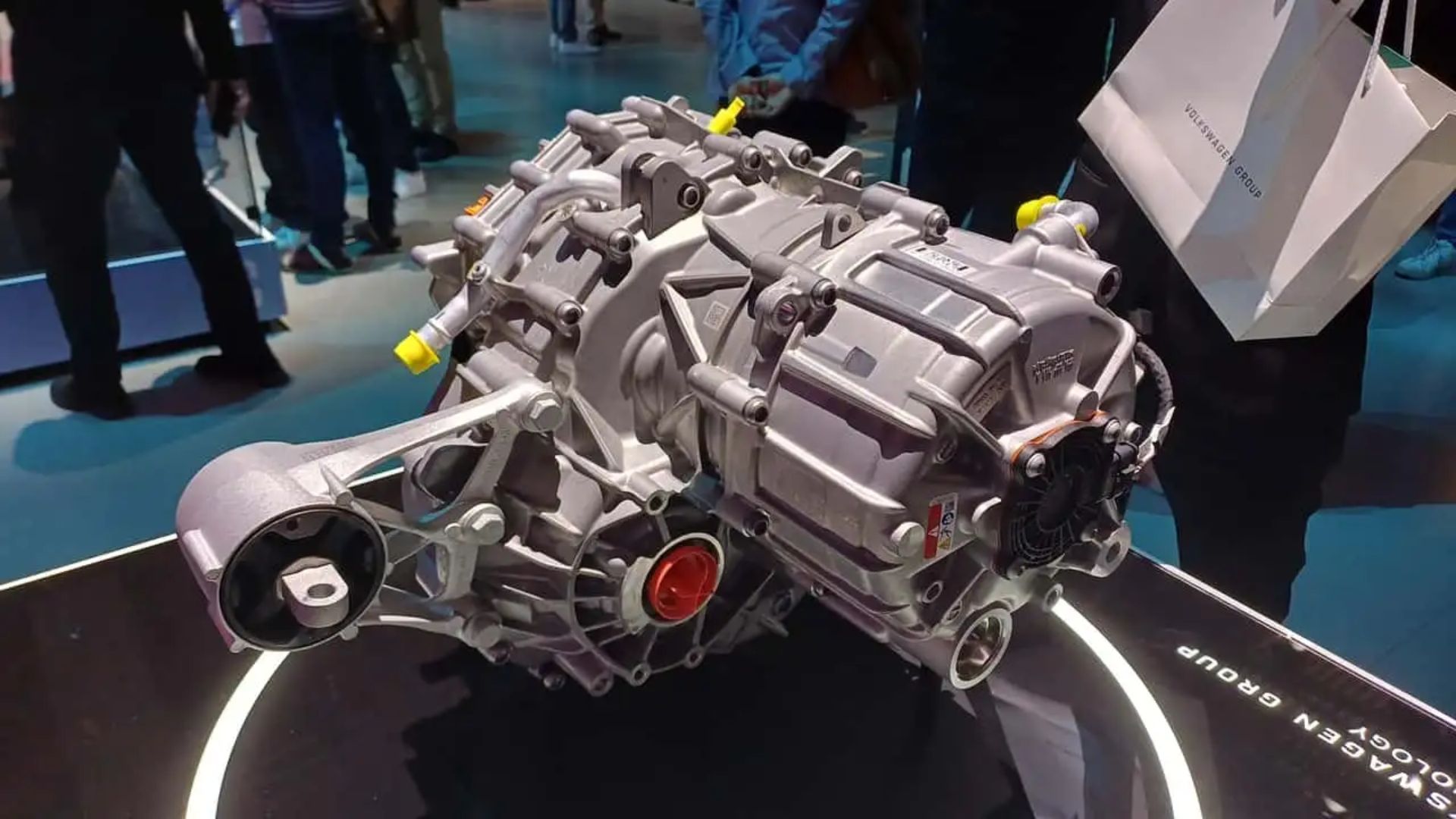
Credit: en.clickpetroleoegas.com.br
Repair And Fix Options
Repairing Honda CVT transmission problems requires specific steps. These fixes can improve your car’s performance and extend its life. Some issues need simple maintenance. Others require part changes or software work.
Knowing repair options helps you act fast. Acting early avoids costly damage and keeps your car safe.
Fluid Flush And Replacement
CVT fluid is vital for smooth gear shifts. Old or dirty fluid causes slipping and noise. Flushing the fluid removes dirt and metal bits. Replacing it with fresh fluid restores proper function. Regular fluid changes prevent many common CVT problems.
Component Repair Or Replacement
Some parts wear out over time. Belts, pulleys, or valves may need repair or replacement. Fixing these parts stops slipping and jerking. Sometimes, replacing parts is cheaper than full transmission repair. Always use genuine Honda parts for best results.
Software Updates
Honda releases software updates for CVT control units. These updates improve shifting and reduce issues. Updating the software fixes bugs and tuning problems. A simple update can solve many transmission complaints.
When To Seek Professional Help
Complex CVT problems need expert attention. Strange noises, slipping, or warning lights signal serious issues. Early diagnosis avoids big repair costs. Choose a mechanic with Honda CVT experience. Professional help ensures safe and lasting fixes.
Preventing Future Issues
Preventing future issues with Honda CVT transmissions requires care and attention. Small steps can keep your transmission running smoothly for years. Understanding the key areas to focus on helps protect your vehicle’s performance and value.
Regular Maintenance Schedule
Follow the manufacturer’s recommended maintenance schedule. Regular checks catch problems early before they worsen. Change transmission fluid and filters as advised. Use a trusted mechanic for all service work. Keep records of every maintenance visit. Staying on schedule reduces wear and tear on the transmission.
Proper Driving Habits
Avoid harsh acceleration and sudden stops. Smooth driving reduces stress on the CVT belt and pulleys. Do not overload your vehicle beyond its limit. Allow the engine to warm up before driving. Use the correct gear settings for different conditions. These habits extend transmission life and prevent damage.
Choosing The Right Fluids
Use only Honda-approved CVT transmission fluid. Wrong fluids can cause slipping and overheating. Check fluid levels regularly and top off as needed. Replace fluid at intervals recommended by Honda. Proper fluid maintains cooling and lubrication inside the transmission.
Recalls And Service Bulletins
Stay informed about recalls or service bulletins. Honda sometimes releases updates to fix known CVT issues. Check your VIN on official websites for any recalls. Attend dealership service appointments promptly. This helps fix problems before they affect your car’s operation.
Owner Experiences
Honda CVT transmission problems are a common topic among car owners. Many drivers share their personal stories about these issues. These experiences offer real insights into what can happen and how to deal with it.
Reading owner experiences helps others prepare for potential troubles. It also shows practical ways to fix or avoid problems. Let’s explore what Honda owners say about CVT troubles.
Common Complaints
Many owners report shuddering or jerking while driving. Some notice slipping or delayed acceleration. Others hear strange noises from the transmission. Overheating and warning lights appear in some cases. These issues often happen after a few years of use.
Successful Fix Stories
Some drivers share how they fixed CVT problems. Regular fluid changes helped prevent damage. Replacing faulty sensors stopped transmission errors. Others fixed the issue by updating software. A few needed to replace the entire transmission. These stories show that solutions do exist.
Tips From Honda Owners
Many owners advise checking transmission fluid regularly. Avoiding hard acceleration helps reduce wear. Keeping up with scheduled maintenance is key. Some suggest driving gently on hills or in traffic. Listening for unusual sounds can catch problems early.

Credit: www.youtube.com
Frequently Asked Questions
What Are Common Honda Cvt Transmission Problems?
Honda CVT transmissions often face issues like shuddering, slipping, and overheating.
How Can I Tell If My Honda Cvt Is Failing?
Signs include strange noises, delayed acceleration, and warning lights on the dashboard.
Why Does My Honda Cvt Transmission Shake Or Shudder?
Shaking usually happens due to worn belts or low transmission fluid.
Can Honda Cvt Transmission Problems Be Fixed Easily?
Some problems fix with fluid changes; others may need parts replaced by a mechanic.
How Often Should I Service Honda Cvt Transmission?
Honda recommends servicing every 30,000 to 60,000 miles to keep the transmission healthy.
Conclusion
Honda CVT transmission problems can cause car issues and frustration. Regular checks help catch problems early. Fixing small issues saves money and stress later. Stay alert to unusual noises or slipping gears. Proper care keeps your Honda running smoothly longer.
Don’t ignore warning signs; act quickly for best results. Understanding these problems helps you maintain your vehicle well. Safe driving depends on a healthy transmission system. Keep your Honda’s CVT in good shape for peace of mind.