
If you own or work with a Caterpillar 3116 engine, you know how important it is to keep it running smoothly. But what happens when problems start creeping in?
You might face unexpected breakdowns, costly repairs, or frustrating downtime. Understanding the common Caterpillar 3116 problems can save you time, money, and stress. You’ll discover the key issues to watch out for and how to tackle them before they become serious.
Keep reading to protect your engine and keep your work on track.
Engine Overheating
Engine overheating is a common issue with the Caterpillar 3116. It happens when the engine runs hotter than normal. Overheating can damage engine parts and reduce performance. Knowing the causes and solutions helps keep the engine running smoothly.
Causes Of Overheating
Overheating often starts with low coolant levels. Coolant moves heat away from the engine. A leak or poor coolant quality can cause problems. A clogged radiator blocks airflow and reduces cooling. Faulty water pumps can stop coolant circulation. Broken fans also fail to cool the engine properly. Ignoring these signs leads to serious engine damage.
Cooling System Maintenance
Check coolant levels regularly. Use the correct coolant type for the engine. Inspect hoses and clamps for leaks or cracks. Clean the radiator to remove dirt and debris. Test the thermostat to ensure it opens and closes on time. Replace worn-out water pumps and fans. Regular maintenance prevents many overheating issues.
Fixing Overheating Issues
Start by refilling or replacing the coolant. Repair any leaks in the cooling system. Flush the radiator to clear blockages. Replace faulty water pumps or thermostats. Fix or replace broken fans. Monitor engine temperature after repairs. Timely fixes help avoid costly engine damage.

Credit: www.ebay.com
Fuel System Problems
The fuel system in the Caterpillar 3116 engine plays a key role in its performance. Problems in this system can cause engine trouble and reduce efficiency. Understanding common fuel system issues helps in early detection and repair.
Fuel system problems often start small but can lead to big engine damage. Dirt, wear, and mechanical faults affect fuel delivery. Regular checks can prevent costly repairs and downtime.
Clogged Fuel Filters
Fuel filters trap dirt and debris before fuel reaches the engine. Over time, filters get clogged and restrict fuel flow. This causes poor engine performance and hard starts. Changing filters regularly keeps the fuel clean and engine running well.
Injector Malfunctions
Injectors spray fuel into the engine for combustion. Malfunctioning injectors deliver the wrong fuel amount or spray pattern. This leads to rough idling, smoke, and power loss. Cleaning or replacing faulty injectors restores smooth engine operation.
Fuel Pump Failures
The fuel pump moves fuel from the tank to the engine. A failing pump can cause low fuel pressure and engine stalling. Pump issues often arise from wear or contamination. Timely pump repairs ensure steady fuel supply and reliable engine performance.
Starting Difficulties
Starting difficulties are common problems with the Caterpillar 3116 engine. These issues can cause frustration and delay work. Many factors can lead to hard starts. Knowing what to check helps fix the problem fast.
Battery And Electrical Checks
A weak battery often causes starting problems. Check battery voltage and connections first. Loose or corroded terminals reduce power flow. Make sure cables are tight and clean. Test the battery with a voltmeter for proper charge. Replace the battery if it cannot hold charge well.
Glow Plug Concerns
Glow plugs heat the engine in cold weather. Faulty glow plugs make starting tough. Inspect each glow plug for damage or wear. Use a multimeter to test resistance. Replace any glow plug that shows poor performance. Good glow plugs improve cold start reliability.
Starter Motor Issues
The starter motor turns the engine over. If it fails, the engine won’t start. Listen for clicking sounds or no noise at all. Check wiring and connections to the starter motor. A bad starter motor needs repair or replacement. Ensure the motor spins freely and engages the flywheel.
Excessive Smoke Emission
Excessive smoke emission is a common problem in Caterpillar 3116 engines. This issue signals that the engine is not running properly. Smoke color helps identify the root cause. Understanding these causes can save time and repair costs.
Black Smoke Causes
Black smoke means too much fuel is burning. Dirty air filters can block airflow. Faulty injectors spray too much fuel. A clogged turbocharger reduces air supply. Poor fuel quality also leads to black smoke.
White Smoke Causes
White smoke shows unburned fuel in exhaust. Cold engine starts can cause white smoke. Faulty injectors spray fuel incorrectly. Low engine compression leads to poor combustion. Water in fuel or coolant leaks cause white smoke.
Blue Smoke Causes
Blue smoke means oil burns in the engine. Worn piston rings allow oil into combustion. Valve seals may be damaged or worn. Turbocharger seals can leak oil. Overfilled oil levels can cause blue smoke.
Oil Leaks And Consumption
Oil leaks and high oil consumption are common issues in the Caterpillar 3116 engine. These problems can lead to engine damage and costly repairs. Knowing the causes and solutions helps keep the engine running smoothly. Regular checks and quick fixes prevent major failures.
Common Leak Points
Oil leaks often appear at the valve cover gasket. The oil pan gasket is another weak spot. Front and rear main seals can also leak over time. Turbocharger oil lines may develop leaks as well. These leaks cause oil to drip on the engine and ground.
Oil Consumption Causes
Worn piston rings cause oil to burn inside the engine. Valve stem seals may also wear and leak oil. Poor engine maintenance increases oil use. Using wrong oil types can make consumption worse. High engine temperature may speed up oil loss.
Repair Techniques
Replace damaged gaskets to stop leaks. Change worn seals to prevent oil loss. Clean or replace clogged oil lines. Regular oil changes keep the engine healthy. Use correct oil type and grade for your engine. Check engine temperature and fix cooling issues.
Engine Performance Drops
The Caterpillar 3116 engine may face performance drops. This issue can affect your machine’s work. Understanding the causes helps fix the problem fast. Below are common reasons for power loss in this engine.
Power Loss Reasons
Power loss happens due to several engine troubles. Worn parts reduce efficiency. Fuel system problems can limit fuel supply. Poor combustion lowers engine output. Regular checks prevent unexpected drops in power.
Turbocharger Problems
The turbocharger boosts engine power by pushing more air. If it fails, the engine loses strength. Signs include smoke and slow acceleration. Damage or wear affects airflow and pressure. Cleaning or replacing the turbocharger restores performance.
Air Intake Blockages
Blocked air intake stops enough air from entering the engine. Dust and debris cause clogs. This reduces combustion quality and power. Regular air filter cleaning or replacement keeps airflow smooth. Clear air intake means better engine response.
Maintenance Tips
Proper maintenance keeps the Caterpillar 3116 running smoothly. It helps prevent common problems and extends the engine’s life. Regular care lowers repair costs and boosts performance.
Follow these simple tips to keep your engine healthy. Small steps make a big difference over time.
Routine Checks
Check oil levels every time before use. Clean or replace air filters monthly. Look for leaks around the engine. Listen for unusual sounds during operation. Check coolant levels to avoid overheating. Inspect belts and hoses for cracks or wear. Simple checks catch problems early.
Parts Replacement Schedule
Change oil every 250 hours or as needed. Replace fuel filters every 500 hours. Change air filters every 1000 hours or more often in dusty areas. Inspect and replace belts every 2000 hours. Follow the manufacturer’s schedule strictly. Timely parts replacement prevents engine damage.
Expert Service Advice
Use only genuine Caterpillar parts for repairs. Hire trained mechanics for complex issues. Keep records of all maintenance and repairs. Avoid DIY fixes that may cause more harm. Schedule regular professional inspections. Expert care helps detect hidden problems early.
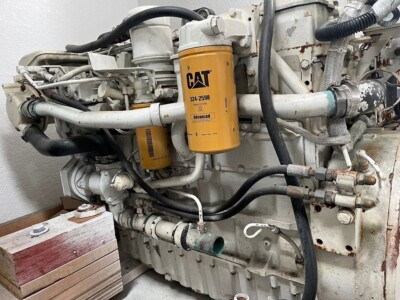
Credit: www.ebay.com
Credit: www.clubsearay.com
Frequently Asked Questions
What Are Common Caterpillar 3116 Engine Problems?
The engine often faces overheating, injector issues, and turbocharger failures.
Why Does Caterpillar 3116 Smoke Excessively?
Excess smoke can result from worn piston rings, clogged air filters, or faulty injectors.
How To Identify Fuel System Issues In Caterpillar 3116?
Look for hard starting, poor power, and rough idling as key signs.
What Causes Caterpillar 3116 To Overheat Frequently?
Low coolant levels, radiator blockages, or water pump failures often cause overheating.
How Often Should Caterpillar 3116 Be Serviced To Avoid Problems?
Regular servicing every 250-500 hours keeps the engine running smoothly and prevents issues.
Conclusion
Caterpillar 3116 problems can affect your machine’s performance and lifespan. Regular checks help catch issues early and save money. Keep an eye on fuel filters, injectors, and cooling systems. Fix small problems before they grow bigger. Proper care keeps your engine running smooth and strong.
Stay alert and act fast to avoid costly repairs. Simple maintenance makes a big difference in the long run. Your 3116 will thank you with reliable power and less downtime.