
If you own a vehicle with a GM 10-speed transmission, you might have faced some frustrating issues that affect your driving experience. These transmissions are known for smooth shifts and improved fuel efficiency—but when problems pop up, they can leave you stranded or facing costly repairs.
Understanding the common GM 10-speed transmission problems can save you time, money, and stress. You’ll discover what to watch for, why these issues happen, and how to address them before they get worse. Keep reading to protect your ride and keep your transmission running smoothly.

Credit: www.transmissiondigest.com
Common Problems
The GM 10-speed transmission is popular but not without issues. Many drivers report common problems that affect performance and safety. Understanding these problems helps in early detection and repair. This saves money and prevents bigger damage.
Here are the frequent problems faced by users of the GM 10-speed transmission.
Shifting Delays
Shifting delays occur when the transmission hesitates before changing gears. This causes a pause or lag during acceleration. The delay can feel like the engine is struggling. It often happens in stop-and-go traffic or during quick acceleration.
Harsh Gear Changes
Harsh gear changes mean the transmission shifts roughly. You may feel jolts or bumps while driving. This can make the ride uncomfortable and may damage the transmission over time. Harsh shifts usually come from worn parts or low transmission fluid.
Transmission Slipping
Transmission slipping happens when the vehicle changes gears on its own. The engine speed rises, but the car does not accelerate properly. This problem can cause unsafe driving conditions. Slipping often signals worn clutches or fluid issues.
Fluid Leaks
Fluid leaks under the car are a common sign of transmission trouble. Transmission fluid is vital for smooth gear shifts and cooling. Low fluid levels cause overheating and damage. Leaks may come from seals, gaskets, or damaged lines.
Overheating Issues
Overheating harms the transmission and reduces its lifespan. Signs include burning smells and warning lights on the dashboard. Overheating often results from low fluid or heavy towing. Regular checks and fluid changes help prevent this problem.
Electrical Malfunctions
Electrical malfunctions affect the transmission’s control system. Symptoms include erratic shifting and warning lights. These issues may stem from faulty sensors or wiring problems. Diagnosing electrical faults requires professional tools and expertise.
Causes Of Issues
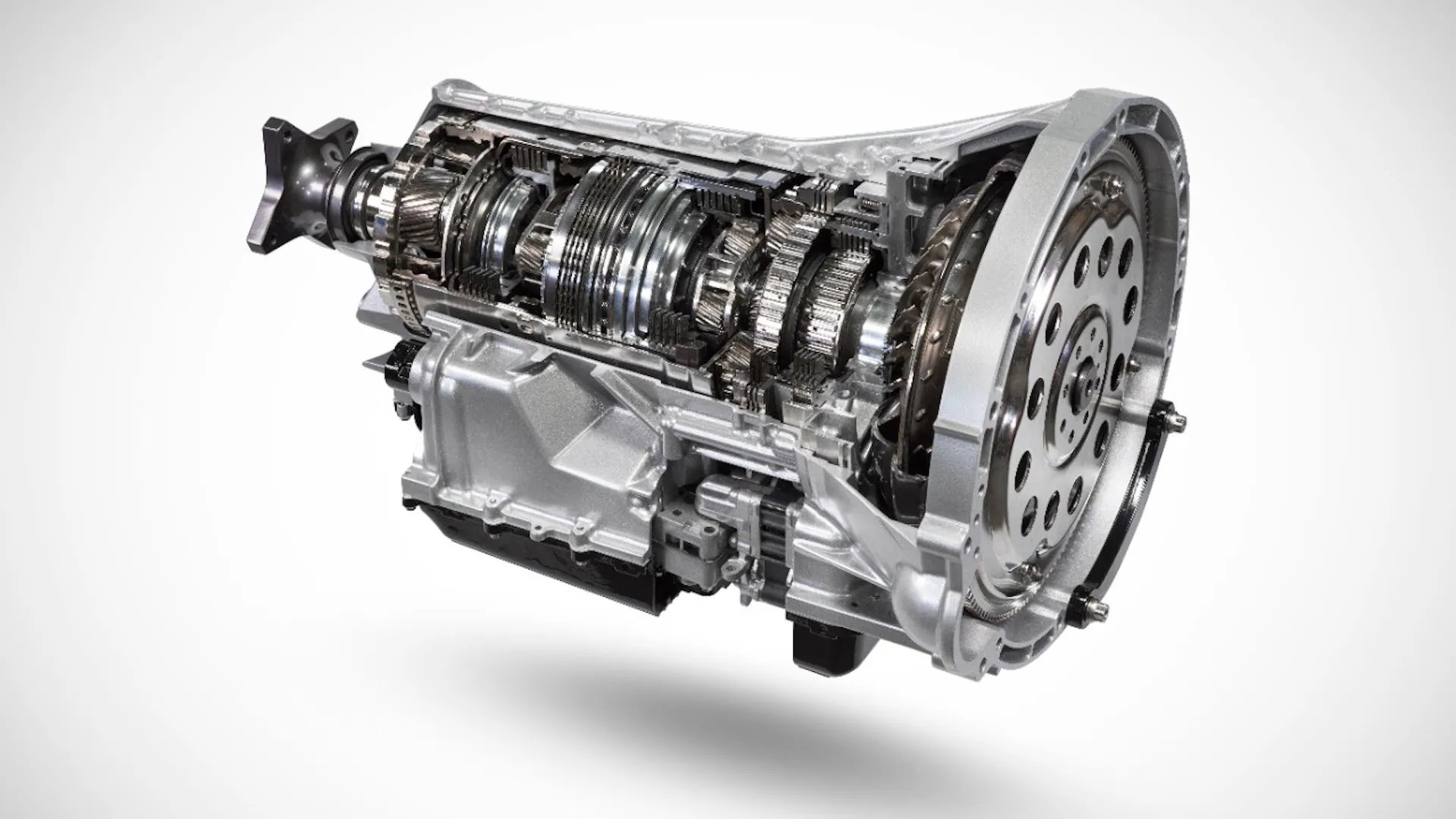
The GM 10 speed transmission is complex and has many parts that can cause problems. Understanding the causes helps spot issues early. This section breaks down the main reasons why this transmission might fail or act up.
Worn Clutch Packs
Clutch packs help the transmission shift gears smoothly. Over time, these clutches wear out. Worn clutch packs cause slipping and rough shifting. This wear reduces transmission performance and can lead to damage.
Faulty Valve Body
The valve body controls fluid flow inside the transmission. A faulty valve body can block or misdirect fluid. This causes delayed or harsh gear changes. Valve body problems often result in erratic shifting or gear failure.
Software Glitches
The transmission uses software to manage gear changes. Sometimes, the software has bugs or errors. These glitches can cause incorrect shifting patterns. Updating the software often fixes these issues quickly.
Low Transmission Fluid
Transmission fluid lubricates and cools the moving parts. Low fluid levels cause overheating and wear. This leads to poor shifting and possible transmission damage. Checking fluid levels regularly prevents many problems.
Damaged Solenoids
Solenoids control fluid flow to shift gears. Damaged solenoids fail to open or close properly. This causes gear slipping, hard shifts, or failure to shift. Solenoid replacement restores smooth transmission operation.
Mechanical Wear
Moving parts inside the transmission wear out with time. Gears, bearings, and shafts can degrade. Mechanical wear causes noise, vibration, and shifting problems. Regular maintenance helps reduce wear and extend transmission life.
Diagnostic Tips
Diagnosing issues with the GM 10-speed transmission can save you time and money. Early detection helps prevent serious damage. Use clear steps to check the system. Focus on key areas for a proper diagnosis.
Reading Error Codes
Start by connecting an OBD-II scanner to your vehicle. This tool reads error codes stored in the transmission control module. These codes show specific problems. Write down the codes for reference. Research the meaning of each code. This gives clues about transmission faults.
Fluid Inspection
Check the transmission fluid level and color. Healthy fluid is pink or red and clear. Dark or burnt-smelling fluid signals trouble. Look for metal shavings or dirt in the fluid. Dirty fluid can cause shifting problems. Changing the fluid may improve transmission performance.
Test Drive Observations
Drive your vehicle carefully and note any issues. Pay attention to rough shifting or slipping gears. Notice any delays when changing speeds. Listen for strange noises or vibrations. Record when and how the problems happen. This helps pinpoint transmission faults.
Visual Transmission Check
Inspect the transmission and surrounding parts. Look for leaks under the vehicle. Check wiring and connectors for damage or corrosion. Loose or damaged wires can cause errors. Examine mounts and seals for wear. Early signs of damage help avoid bigger repairs.

Credit: www.offroadxtreme.com
Repair Options
Fixing problems with a GM 10 speed transmission needs the right approach. Different issues require specific repairs. Choosing the correct repair helps the transmission work well again. It also saves money in the long run.
Fluid Replacement
Old or dirty transmission fluid causes many problems. Changing the fluid helps the transmission shift smoothly. It also cools and protects the internal parts. Regular fluid changes keep the transmission healthy.
Valve Body Repair
The valve body controls fluid flow inside the transmission. Faulty valves cause shifting issues and slipping. Repairing or cleaning the valve body restores proper fluid control. This fix improves the transmission’s performance.
Solenoid Replacement
Solenoids control the flow of transmission fluid. Bad solenoids cause rough shifting or failure to shift. Replacing the faulty solenoid fixes these problems. It ensures smooth and timely gear changes.
Software Updates
Transmission problems can stem from outdated software. Updating the transmission control module improves shifting logic. This update can fix bugs and enhance performance. Software updates are quick and affordable.
Clutch Pack Servicing
Worn clutch packs cause slipping and poor gear engagement. Servicing or replacing clutch packs restores proper function. This repair helps the transmission handle power efficiently. It extends transmission life.
Complete Transmission Rebuild
Severe damage needs a full transmission rebuild. This process replaces worn or broken parts inside. Rebuilding brings the transmission back to like-new condition. It is a costlier option but often worth it.
Preventive Measures
Preventive measures help keep your GM 10 speed transmission running smoothly. Taking care of your transmission reduces the risk of costly repairs. Small steps can extend its life and improve performance. Focus on key habits to protect your transmission.
Regular Fluid Changes
Transmission fluid lubricates moving parts and cools the system. Old or dirty fluid causes wear and overheating. Change the fluid at intervals suggested by the manufacturer. Use the correct fluid type to avoid damage. Regular fluid changes keep the transmission healthy.
Timely Software Updates
Software controls transmission shifting and performance. Updates fix bugs and improve operation. Visit your dealer for updates during service visits. Timely updates reduce shifting problems and error codes. Keep your transmission’s software up to date for best results.
Avoiding Overloading
Overloading puts extra strain on the transmission. Heavy loads cause overheating and faster wear. Follow the vehicle’s load limits listed in the manual. Avoid towing or carrying more than recommended. Light loads help the transmission last longer.
Routine Transmission Inspections
Inspections catch problems before they worsen. A technician checks fluid levels, leaks, and parts condition. Routine checks identify early signs of wear or damage. Schedule inspections at regular service intervals. Early detection saves money and keeps your transmission reliable.
When To Seek Professional Help
Knowing when to seek professional help for your GM 10-speed transmission is crucial. Early diagnosis can prevent costly repairs and keep your vehicle running smoothly. Some signs are clear indicators that expert attention is needed.
Persistent Warning Lights
Warning lights on your dashboard that stay on are serious signals. These lights often mean the transmission system has a fault. Ignoring them can cause more damage. A technician can use special tools to find the exact problem.
Unusual Noises
Strange sounds like grinding, whining, or clunking during gear changes are red flags. These noises usually mean internal parts are worn or damaged. A professional can inspect and fix the issue before it worsens.
Severe Shifting Problems
If your transmission slips, hesitates, or shifts roughly, it needs attention. These problems affect driving safety and vehicle performance. A mechanic can diagnose why your transmission fails to shift properly.
Fluid Contamination
Transmission fluid should be clear and reddish. Dark, burnt-smelling, or dirty fluid shows contamination. Contaminated fluid can harm your transmission’s parts. Professionals can replace the fluid and check for underlying issues.
Credit: www.thedrive.com
Frequently Asked Questions
What Are Common Gm 10 Speed Transmission Problems?
Common issues include rough shifting, slipping gears, and transmission overheating.
How To Identify Gm 10 Speed Transmission Slipping?
Notice delayed acceleration, strange noises, or sudden gear changes.
Can Gm 10 Speed Transmission Problems Cause Car Stalling?
Yes, severe transmission faults can lead to engine stalling or poor performance.
How Much Does Gm 10 Speed Transmission Repair Cost?
Repairs typically range from $1,500 to $3,000 depending on severity.
Is Gm 10 Speed Transmission Reliable For Long-term Use?
It is generally reliable but needs regular maintenance to avoid major issues.
Conclusion
GM 10 speed transmissions can face several common issues. Regular checks help catch problems early. Pay attention to slipping, rough shifts, or strange noises. Fixing issues quickly saves money and avoids bigger damage. Proper maintenance keeps your transmission running smoothly.
Stay informed to protect your vehicle’s performance. Taking action early prevents costly repairs later. Your transmission works hard—give it the care it needs.