
Is your Whirlpool dishwasher not cleaning your dishes properly? It’s frustrating when you expect sparkling results but end up with spots, food residue, or cloudy glasses.
You rely on your dishwasher to save time and effort, so when it fails, it can throw off your whole routine. But don’t worry—you’re not alone, and there are simple fixes you can try right now. Keep reading to discover why your Whirlpool dishwasher might be underperforming and how you can get it back to spotless, hassle-free cleaning.
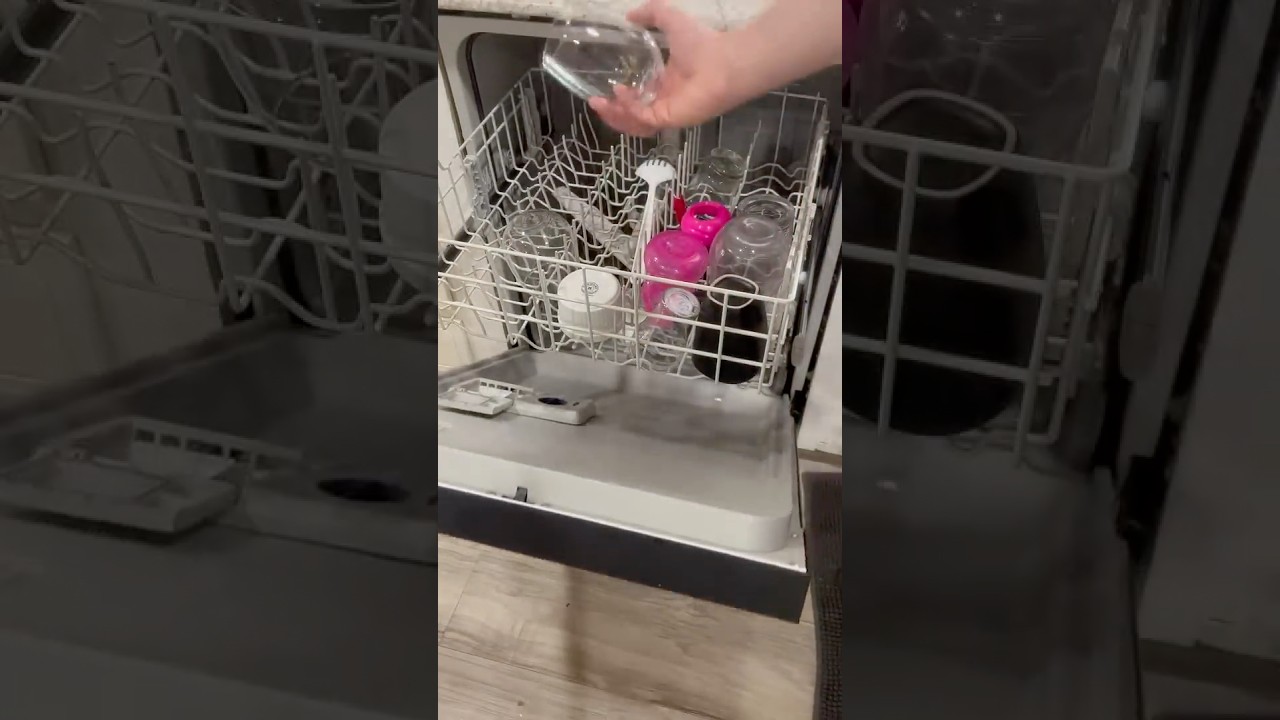
Credit: www.youtube.com
Common Causes Of Poor Cleaning
Poor cleaning in a Whirlpool dishwasher can be frustrating. Several common issues cause dishes to come out dirty or spotted. Understanding these problems helps fix your dishwasher fast. Each cause affects how well water and detergent reach your dishes. Simple checks often solve the problem. Here are the most frequent reasons for poor cleaning.
Clogged Spray Arms
Spray arms spin and spray water inside the dishwasher. Food particles or hard water can clog their holes. Clogged spray arms reduce water flow. This stops water from reaching all dishes. Remove the spray arms and clean them with a brush. Clear all holes for better water spray.
Dirty Filters
Filters trap food bits to stop clogs. Over time, filters get dirty and blocked. A dirty filter lowers water circulation. This results in poor cleaning and bad smells. Take out the filter and rinse it under running water. Clean filters help your dishwasher work well.
Blocked Water Inlet
The water inlet lets water into the dishwasher. A blocked inlet valve reduces water supply. Less water means dishes stay dirty. Check the inlet hose for kinks or debris. Clean or replace the valve if needed. Proper water flow is key to cleaning.
Detergent Issues
Using the wrong detergent can cause poor cleaning. Old or clumped detergent does not dissolve well. Too much or too little detergent affects wash quality. Use fresh detergent made for dishwashers. Follow the recommended amount for best results.
Overloaded Dishwasher
Loading too many dishes blocks water and detergent. Overcrowding stops spray arms from moving freely. Dishes may cover each other and stay dirty. Load dishes with space between them. Proper loading improves water reach and cleaning.

Credit: www.allintheloop.com
Quick Checks Before Repair
Before calling for repairs, try simple checks on your Whirlpool dishwasher. These quick steps save time and money. They often fix the cleaning problem fast. Follow these easy tests to spot common issues.
Inspecting The Spray Arms
Remove the spray arms carefully. Check for clogs or debris in the holes. Clear any blockages with a toothpick or brush. Make sure the arms spin freely. Blocked or stuck arms stop water from reaching dishes.
Checking The Filter
Take out the dishwasher filter at the bottom. Rinse it under running water to remove food particles. A dirty filter reduces water flow and cleaning power. Clean filters improve dishwasher performance and keep it fresh.
Verifying Water Temperature
Water should be hot enough to clean dishes well. Aim for about 120°F (49°C). Cold water leaves food and grease on plates. Run hot water in your sink before starting the dishwasher. This helps fill the machine with warm water.
Examining Detergent Usage
Use the correct detergent type and amount. Too little soap causes poor cleaning. Too much soap leaves residue. Avoid old or clumpy detergent that loses effectiveness. Store detergent in a dry place to keep it fresh.
Step-by-step Cleaning Tips
Keeping your Whirlpool dishwasher clean helps it work better and last longer. Dirt and food bits can block parts and stop it from cleaning dishes well. Follow these simple steps to clean important parts and improve your dishwasher’s performance.
Removing And Cleaning Spray Arms
Spray arms spread water to clean dishes. Dirt can block their holes. Take out the spray arms carefully. Rinse them with warm water. Use a toothpick to clear blocked holes. Put the spray arms back in place securely.
Cleaning The Filter Properly
The filter catches food scraps. A dirty filter reduces cleaning power. Remove the filter from the bottom of the dishwasher. Rinse it under running water. Use a soft brush to scrub away stuck debris. Replace the clean filter carefully.
Flushing The Water Inlet
The water inlet brings water into the dishwasher. It can get clogged by dirt. Turn off the water supply. Disconnect the inlet hose from the dishwasher. Flush it with water to remove debris. Reconnect the hose tightly to avoid leaks.
Running A Vinegar Cycle
Vinegar cleans and removes odors inside the dishwasher. Place a cup of white vinegar in the top rack. Run a hot water cycle without dishes. Vinegar helps dissolve grease and buildup. Your dishwasher will smell fresh and work better.

Credit: www.youtube.com
Adjusting Dishwasher Settings
Adjusting your Whirlpool dishwasher settings can improve cleaning results significantly. Simple changes in cycle choice and rinse aid use help remove stubborn food and spots. Understanding these settings lets you get the best from your dishwasher each time.
Choosing The Right Wash Cycle
Select a wash cycle based on the dirt level on your dishes. Use heavy or pots and pans cycle for tough food stains. Light or quick cycles suit lightly soiled plates and glasses. Avoid using short cycles for dirty dishes; they might not clean well. The right cycle helps save water and energy while cleaning thoroughly.
Using Rinse Aid Effectively
Rinse aid prevents water spots and helps dishes dry faster. Fill the rinse aid dispenser regularly for consistent cleaning. Too little rinse aid can leave spots or film on dishes. Too much can cause foaming and poor cleaning. Check your dishwasher manual for the correct rinse aid level to use.
When To Call A Professional
Knowing when to call a professional for your Whirlpool dishwasher saves time and stress. Some problems need expert tools and skills. Trying to fix complex issues alone can cause more damage. A trained technician can quickly diagnose and repair your dishwasher.
Persistent Cleaning Problems
Sometimes, your dishwasher won’t clean dishes well after many attempts. This issue can be due to blocked spray arms or clogged filters. If cleaning these parts does not help, the problem may be inside the machine. Persistent poor cleaning means calling a professional is wise. They can check hidden parts and fix the root cause.
Electrical Or Mechanical Issues
Dishwashers rely on electrical and mechanical parts to work properly. Strange noises, failure to start, or stopping mid-cycle are signs of these problems. Electrical faults or broken motors need special tools to repair. A professional can safely handle wiring and replace damaged parts. Avoid risks by letting experts fix these issues.
Preventive Maintenance Tips
Preventive maintenance keeps your Whirlpool dishwasher running well. It stops dirt and grime from building up. This helps the dishwasher clean dishes better. Small actions every week can save big repair costs later.
Regular Filter Cleaning
The filter catches food bits during washing. Clean it every week to avoid clogs. Remove the filter, rinse with warm water, and scrub gently. This keeps water flowing and stops bad smells.
Avoiding Overloading
Too many dishes block water and soap. Load dishes loosely for better cleaning. Place large items on the sides, not in the middle. Give spray arms room to spin freely.
Routine Spray Arm Inspection
Spray arms spread water to clean dishes. Check them for blockages or damage often. Remove debris from holes using a toothpick or brush. Replace cracked arms to maintain strong water flow.
Frequently Asked Questions
Why Is My Whirlpool Dishwasher Not Cleaning Dishes Properly?
Clogged spray arms or filters often block water flow, reducing cleaning efficiency.
How Can I Fix A Whirlpool Dishwasher That Leaves Spots?
Use a rinse aid and check water temperature; spots may come from hard water.
What Causes Food Particles To Remain After A Wash?
Dirty filters or blocked spray arms prevent proper water circulation and cleaning.
Can Low Water Pressure Affect My Dishwasher’s Cleaning Ability?
Yes, low water pressure limits water flow, leading to poor cleaning results.
How Often Should I Clean My Whirlpool Dishwasher For Best Performance?
Clean filters and spray arms monthly to keep your dishwasher working well.
Conclusion
A dishwasher that does not clean well causes frustration. Small fixes often improve its performance quickly. Check spray arms, filters, and detergent types first. Regular cleaning helps keep the dishwasher working properly. Sometimes, a simple reset or cycle change solves issues.
If problems continue, calling a professional is wise. Clean dishes make daily life easier and more pleasant. Take action soon to enjoy spotless dishes again.