
Are you worried about your Chevrolet Traverse acting up when it comes to shifting gears? Transmission problems can turn your smooth ride into a constant source of stress and costly repairs.
If you’ve noticed strange noises, delayed gear changes, or slipping while driving, you’re not alone—and understanding these issues early can save you time and money. You’ll discover the most common Chevrolet Traverse transmission problems, how to spot the warning signs, and what steps you can take to keep your vehicle running smoothly.
Keep reading to protect your investment and get back on the road with confidence.

Credit: www.lemonfirm.com
Common Transmission Issues
The Chevrolet Traverse is a popular SUV, but some drivers face transmission problems. These issues affect driving safety and vehicle performance. Understanding common transmission problems helps in early detection and repair. Here are the frequent transmission troubles Traverse owners report.
Slipping Gears
Slipping gears happen when the vehicle changes gear without warning. The engine revs up, but the car slows down or does not move. This issue makes driving unsafe and can damage the transmission further. Worn-out clutch or low transmission fluid often causes slipping.
Delayed Shifting
Delayed shifting means the car takes too long to change gears. This delay causes jerking or hesitation during acceleration. It may result from faulty sensors or problems inside the transmission system. Regular maintenance can help prevent this issue.
Transmission Fluid Leaks
Transmission fluid keeps the gears cool and lubricated. Leaks cause fluid loss and lead to overheating and gear damage. Look for red or brown puddles under the vehicle. Fixing leaks early protects the transmission from severe harm.
Overheating Transmission
Overheating happens when the transmission runs too hot. It can cause failure and costly repairs. Causes include low fluid, heavy towing, or clogged cooling lines. Allow the engine to cool and check fluid levels to avoid damage.

Credit: www.youtube.com
Root Causes Of Problems
The Chevrolet Traverse may face transmission problems due to several common issues. Understanding these root causes helps identify and fix problems early. This section explains key reasons behind transmission troubles.
Worn Clutch Plates
Clutch plates inside the transmission wear out over time. Worn plates cause slipping and poor gear shifts. This leads to rough driving and reduced performance. Replacing worn clutch plates restores smooth operation.
Faulty Torque Converter
The torque converter transfers power from the engine to the transmission. A faulty torque converter can cause shuddering or overheating. It may also lead to delayed gear engagement. Fixing or replacing it improves transmission response.
Low Transmission Fluid
Transmission fluid lubricates and cools transmission parts. Low fluid levels cause overheating and increased wear. This results in hard shifting or transmission slipping. Checking and refilling fluid helps prevent damage.
Damaged Solenoids
Solenoids control fluid flow inside the transmission. Damaged solenoids cause incorrect gear changes or failure to shift. This leads to erratic transmission behavior. Repairing solenoids can restore proper function.
Quick Fixes And Solutions
Transmission problems in a Chevrolet Traverse can disrupt driving. Quick fixes often help avoid costly repairs. Simple checks and small repairs restore smooth shifting. These steps save time and money.
Checking And Replacing Fluid
Low or dirty transmission fluid causes shifting issues. Check fluid level with the engine warm and running. Look for dark or burnt-smelling fluid. Replace fluid if it looks bad or low. Use the fluid type recommended in the owner’s manual. Fresh fluid improves transmission function and extends its life.
Resetting Transmission Control Module
The Transmission Control Module controls gear shifting. Sometimes it needs a reset to fix errors. Disconnect the car battery for a few minutes. Reconnect and start the vehicle to reset the module. This can clear minor electronic glitches causing problems.
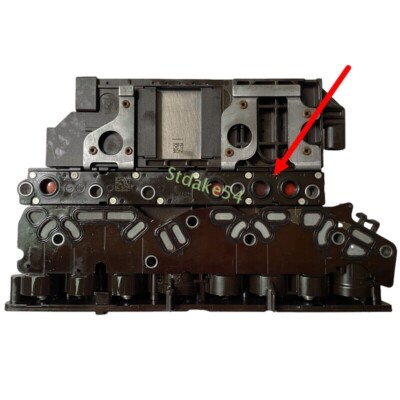
Replacing Faulty Solenoids
Solenoids control the flow of transmission fluid. Faulty solenoids cause slipping or hard shifts. A mechanic can test solenoids with special tools. Replace any solenoid that fails the test. Fixing solenoids restores proper fluid flow and shifting.
Addressing Overheating Issues
Overheating damages transmission components fast. Check for leaks or clogged cooling lines. Clean or replace the transmission cooler if needed. Avoid heavy towing or stop-and-go traffic in hot weather. Keeping the transmission cool prevents serious damage.
Credit: www.ebay.com
Preventive Maintenance Tips
Maintaining your Chevrolet Traverse’s transmission is key to avoiding costly repairs. Simple care steps can keep the transmission working well for years. Preventive maintenance helps catch small issues before they become big problems. These tips help protect your vehicle’s transmission and improve its lifespan.
Regular Fluid Checks
Check the transmission fluid regularly. Clean fluid keeps the transmission cool and lubricated. Low or dirty fluid can cause shifting problems and wear. Use the recommended type of fluid for your Traverse. Checking fluid levels every month helps spot leaks early.
Timely Filter Replacements
Change the transmission filter as per the owner’s manual. A clean filter stops dirt and debris from damaging parts. Replacing the filter on time improves fluid flow and transmission health. Neglecting this can lead to clogging and poor performance.
Avoiding Harsh Driving
Drive gently to protect the transmission. Sudden stops and fast starts put stress on parts. Avoid heavy towing over the recommended limits. Smooth driving reduces wear and keeps gears shifting smoothly. Your transmission will last longer with gentle handling.
Scheduling Professional Inspections
Have a mechanic check the transmission regularly. Professionals can spot issues not visible to drivers. Early detection prevents breakdowns and expensive repairs. Schedule inspections every 12,000 miles or as advised by Chevrolet. Trust experts to keep your Traverse running well.
When To Seek Professional Help
Knowing when to get professional help for Chevrolet Traverse transmission problems is key. Early detection can save money and prevent bigger repairs. Watch for clear signs that your transmission needs expert attention. Acting fast can keep your vehicle safe and reliable on the road.
Persistent Warning Lights
Warning lights on your dashboard can signal transmission trouble. A light that stays on after starting the car is a red flag. This often means a sensor or a serious transmission issue. Do not ignore these lights. A mechanic can diagnose the exact problem and avoid further damage.
Unusual Noises
Strange sounds from the transmission are never normal. Grinding, whining, or clunking noises need a quick check. These noises can mean worn parts or fluid problems. Hearing these sounds means it is time for a professional inspection.
Complete Gear Failure
When the car won’t shift gears, it is a serious problem. You may feel the car stuck in one gear or slipping out of gear. This failure can make driving unsafe and damage the transmission more. Immediate professional help is essential in this case.
Transmission Overhaul Needs
Sometimes, the transmission needs a full rebuild or replacement. This happens after long use or severe damage. Signs include rough shifting, leaks, and poor performance. A trained technician can determine if an overhaul is necessary. Do not delay this repair for better results.
Frequently Asked Questions
What Are Common Chevrolet Traverse Transmission Problems?
Many Traverse owners report slipping gears, delayed shifting, and transmission fluid leaks.
How To Identify Transmission Slipping In Chevrolet Traverse?
You might notice engine revving without acceleration or sudden gear changes.
Can Transmission Problems Cause Chevrolet Traverse To Overheat?
Yes, faulty transmission can lead to overheating and damage to other parts.
How Much Does Chevrolet Traverse Transmission Repair Usually Cost?
Repairs can range from $1,000 to $3,500 depending on the issue’s severity.
Is Transmission Fluid Change Important For Chevrolet Traverse?
Regular fluid changes keep the transmission healthy and prevent costly problems later.
Conclusion
Chevrolet Traverse transmission problems can affect your driving experience. Knowing the signs helps you act fast. Regular check-ups keep your vehicle running smooth. Fix small issues before they grow big. Trust your instincts if the ride feels off. Staying informed saves time and money.
Keep your Traverse in good shape for safe journeys ahead.